"City of Six Moons" Challenges Players to Decipher Alien Rules, Redefining Game Engagement
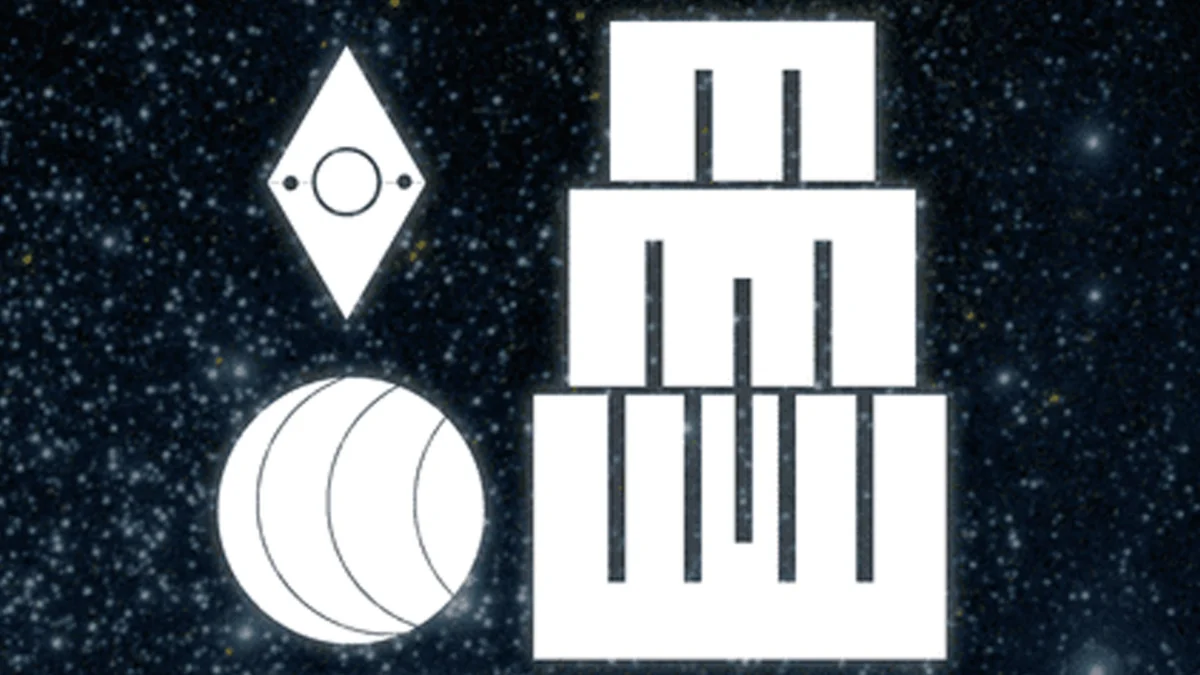
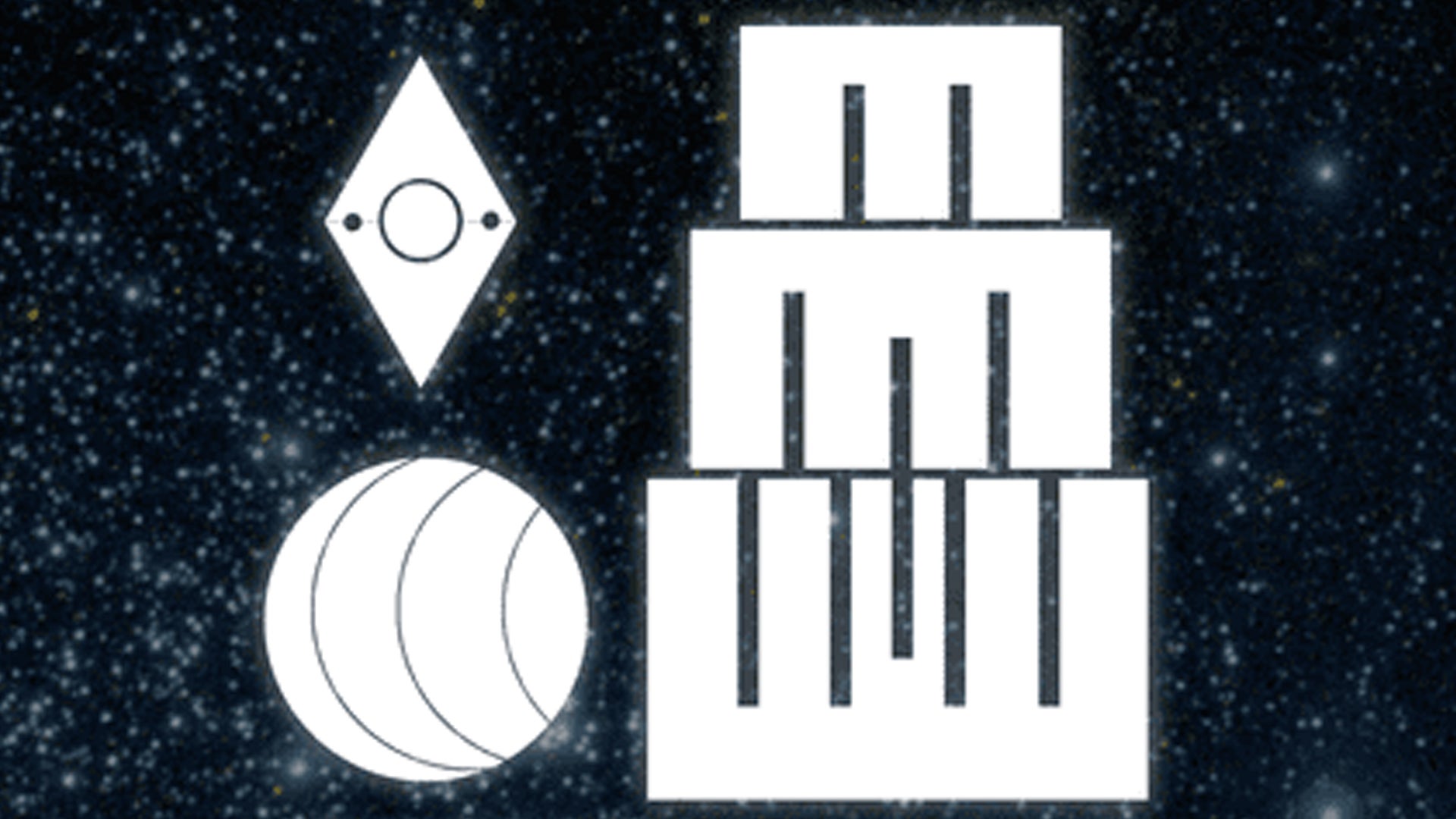
A groundbreaking new board game, "City of Six Moons," is poised to revolutionize the very concept of a rulebook, forcing players into an unprecedented act of linguistic and cultural decipherment before a single game piece can be moved. Designed by the visionary Amabel Holland and slated for release next month by Hollandspiele, this single-player title presents its entire operational manual not in a human language, but in a meticulously crafted alien script of icons, glyphs, and symbols. The ultimate twist? Players will never receive official confirmation of whether their translation is perfectly correct, as Holland herself has vowed to refuse all rules questions.
This audacious design choice transforms the traditional act of learning a game into an immersive, meta-puzzle experience, where understanding the rules is the initial game. "City of Six Moons" is described as both a narrative journey guiding an extraterrestrial civilization and, crucially, a product designed as if it genuinely originated from such a civilization. This approach promises a unique blend of strategic gameplay and an archaeological linguistic challenge, pushing the boundaries of player interaction and game design.
Main Facts
The board game landscape is no stranger to innovation, but "City of Six Moons" appears set to carve out a singularly distinctive niche. At its core, the game challenges players with an entirely alien rulebook, presented through a complex system of icons, glyphs, and symbols. This isn’t merely a thematic flourish; it’s the foundational mechanic. Players are tasked with interpreting this foreign language to grasp the game’s mechanics, objectives, and win conditions.
Amabel Holland, the creative force behind this project, has articulated a clear, uncompromising vision for "City of Six Moons." Her design philosophy hinges on the player’s active engagement with an unknown system, drawing upon their own cognitive abilities and cultural frameworks to bridge the gap with an imagined alien culture. This means the initial barrier to entry is not merely complexity, but fundamental incomprehension, demanding a process of deduction, experimentation, and hypothesis testing.
The game is a dedicated single-player experience, placing the full weight of translation and strategic decision-making squarely on the individual. This solitary journey is intensified by Holland’s explicit refusal to answer any questions regarding the rules. This stance, a bold departure from typical designer-player interaction, ensures that the ambiguity and the personal quest for understanding remain central to the game’s identity. It effectively makes the act of deciphering the rules a self-contained, critical component of the overall experience, rather than a mere precursor to gameplay.
Hollandspiele, the publishing label co-owned by Amabel and Mary Holland, is known for its distinctive approach to game development, often embracing historical simulations, complex strategies, and unconventional themes. "City of Six Moons" fits this ethos perfectly, representing a significant leap into experimental design. The game’s cover artwork, the only visual clue provided thus far beyond the abstract concept, is expected to offer the first subtle hints towards cracking the enigmatic code. With its release imminent next month, the board gaming community eagerly awaits the opportunity to confront this unprecedented challenge.
Chronology
The Genesis of an Enigma
Amabel Holland has long been recognized within the board gaming community for her insightful and often unconventional designs. As a prominent figure at Hollandspiele, she has cultivated a reputation for creating games that are not just engaging but also thought-provoking, pushing players to engage with complex systems and narratives. Her previous works, while rooted in traditional board game mechanics, often feature unique thematic elements or innovative rule sets that stand apart from mainstream releases. This history of intelligent design laid the groundwork for a concept as radical as "City of Six Moons." The idea of a game that self-consciously adopts an alien perspective, both in its narrative and its very instruction manual, speaks to a designer deeply interested in the boundaries of player experience and immersion. It suggests a long-gestating philosophical inquiry into how we interact with the unknown and how meaning is constructed.
First Glimmers of the Alien Tongue
The first official whispers of "City of Six Moons" began to circulate, sparking immediate intrigue among dedicated board game enthusiasts. Initial reports, notably highlighted by outlets such as Dicebreaker and further corroborated by discussions on platforms like BoardGameGeek, detailed the game’s extraordinary premise. The revelation that the entire rulebook would be penned in an alien language, devoid of any human linguistic cues, instantly marked the game as a significant deviation from industry norms.
Amabel Holland herself further elaborated on the concept through social media, specifically on Bluesky. Her posts provided crucial insights into her design philosophy, emphasizing that the game was conceptualized not merely about an alien civilization, but as if made by one. This distinction is vital, as it elevates the rulebook from a mere puzzle to an artifact of an imagined culture. She articulated that deciphering this language would require players to tap into their "existing cultural assumptions" while simultaneously embracing the vast differences of the alien civilization’s culture. These early announcements painted a picture of a game that demanded more than just strategic thinking; it required an act of empathetic translation and cultural understanding.
Anticipation Builds
Following these initial revelations, anticipation for "City of Six Moons" began to steadily build across various board game forums, communities, and social media channels. The concept generated a significant buzz, with discussions revolving around the feasibility of such a design, the potential frustrations, and the immense satisfaction that might come from successfully cracking the code. Many players expressed excitement over the sheer novelty and intellectual challenge presented by the game. Questions arose about the practicalities: how would one even begin to translate an unknown language without a Rosetta Stone? What level of prior linguistic or semiotic knowledge would be beneficial?
The designer’s firm stance—that she would not answer any rules questions—further fueled the mystique. This unwavering commitment to the game’s core premise assured potential players that "City of Six Moons" was not a gimmick, but a fully realized, albeit unconventional, design vision. The community started speculating on collaborative efforts, imagining online groups dedicated to crowdsourcing the translation, potentially turning the solo game into a communal intellectual pursuit in its meta-aspects. The release of the cover artwork, showcasing abstract and evocative imagery, only deepened the mystery, leading many to search for hidden clues within its design, hoping it might offer the first key to unlocking the alien script.
Supporting Data
A Deep Dive into Experimental Game Design
"City of Six Moons" stands as a bold testament to the growing trend of experimental game design within the board game industry. While the market is dominated by games with clear rulebooks and straightforward objectives, a vibrant niche exists for titles that challenge conventions. Games like Gloomhaven and Terraforming Mars, while complex, still adhere to established norms of rule clarity. "City of Six Moons" pushes beyond mere complexity into the realm of intentional obfuscation.
This game draws parallels with other meta-gaming experiences or games that intentionally break the fourth wall. For instance, titles that incorporate legacy elements, hidden information that changes over time, or even games that require external components or digital apps, all represent steps away from the traditional static board game. However, "City of Six Moons" takes this to an extreme, making the rulebook itself the primary barrier and the first layer of gameplay.
From a semiotic perspective, the game is a fascinating experiment. Semiotics is the study of signs and symbols and their interpretation. By presenting rules solely through icons and glyphs, Amabel Holland forces players into a profound semiotic exercise. Players must become amateur linguists and cultural anthropologists, attempting to deduce meaning from visual patterns, contextual cues, and their own innate understanding of logical structures. This is not unlike real-world archaeological decipherment, where ancient scripts like Linear B or the Mayan glyphs were eventually cracked through painstaking analysis and comparative linguistics. The psychological aspect is also critical; the cognitive load of deciphering an unknown system, combined with the frustration and eventual triumph, promises a unique emotional journey. The reward system is multi-layered: first, the reward of understanding a rule, then the reward of playing the game successfully based on that understanding.
The Rise of Solitaire Gaming
The emergence of "City of Six Moons" coincides with, and capitalizes on, the significant and sustained growth of the solitaire board gaming market. Once a niche pursuit, solo board gaming has exploded in popularity, driven by several factors. The COVID-19 pandemic undoubtedly accelerated this trend, as individuals sought engaging activities that could be enjoyed independently. Beyond the pandemic, the convenience of playing on one’s own schedule, without coordinating multiple players, holds immense appeal. Solo games also offer a unique opportunity for players to immerse themselves deeply in a game’s world and mechanics without the social pressures or distractions of a group.
Many modern board games now include dedicated solo modes, and some are designed exclusively for single players. These games often provide rich narrative experiences, complex puzzles, or challenging strategic scenarios. "City of Six Moons" fits perfectly into this solo-centric paradigm, but with an added layer of intellectual challenge. The solitary nature of the game intensifies the personal quest for decipherment, making the player truly alone in their endeavor to understand the alien world presented before them. This isolation, combined with the game’s inherent mystery, is designed to create a deeply personal and introspective experience, one where the player’s own cognitive abilities are tested to their limits. The video "7 best solo board games 2024," while not directly about "City of Six Moons," underscores the vibrant and diverse landscape of solo gaming, providing context for the market into which this innovative title is launching.
Hollandspiele’s Niche
Hollandspiele, the independent publishing house founded by Amabel and Mary Holland, has cultivated a distinctive reputation for publishing games that often defy mainstream categorization. They are widely recognized for their commitment to unique themes, often historical or geopolitical, and for their willingness to embrace complex, "crunchy" mechanics that appeal to a specific segment of the board gaming hobbyist. Their catalog frequently features games with deep strategic depth, intricate systems, and a strong emphasis on player agency within rich, often challenging, thematic contexts.
This publisher’s philosophy aligns perfectly with the audacious concept behind "City of Six Moons." Hollandspiele is not afraid to take risks on designs that prioritize a unique player experience over broad market appeal. They cater to a discerning audience that appreciates innovation, intellectual challenge, and games that invite deep engagement. By supporting a project like "City of Six Moons," Hollandspiele reinforces its brand identity as a publisher that champions artistic vision and pushes the boundaries of what a board game can be. This pedigree lends credibility to the project, assuring potential players that the alien rulebook is not a mere gimmick but a deliberate, well-considered design choice consistent with the publisher’s track record of producing substantial and thought-provoking titles.
Official Responses
Amabel Holland’s Vision and Philosophy
Amabel Holland’s public statements regarding "City of Six Moons" offer invaluable insight into the profound philosophical underpinnings of her design. On Bluesky, she explicitly clarified that the game, once its rules are successfully deciphered, will be a "functional, replayable game." This assurance is critical, as it confirms that the initial linguistic puzzle is not the entire game, but rather a crucial, integrated prologue to a deeper experience.
However, her most revealing statement delves into the emotional and psychological journey she intends for players. Holland articulated, "That loss is a thing I want you to feel; I want it to linger." This refers to the inevitable shift in experience once the alien language has been cracked. The initial thrill of discovery, the intense engagement with the unknown, will diminish once the code is understood. This "loss" is not a flaw, but a deliberate design element. Holland is engineering a temporary state of profound mystery and cognitive struggle, knowing it will eventually give way to clarity. This transition, she believes, is part of the overall journey, imparting a unique emotional resonance to the game.
This philosophy positions "City of Six Moons" as a meta-game, where the act of learning to play is itself the first, perhaps most significant, part of the gameplay. It challenges the conventional idea that a game’s rules should be immediately accessible and transparent. Instead, Holland embraces the beauty of imperfect understanding, of the journey towards enlightenment, and the bittersweet feeling once that journey culminates. Her refusal to answer rules questions is not an act of dismissiveness, but a protective measure to preserve this intended experience, ensuring that every player must undertake their own solitary voyage of discovery.
Publisher’s Perspective
As co-owner of Hollandspiele, Mary Holland and the publishing house as a whole are clearly aligned with Amabel Holland’s avant-garde vision for "City of Six Moons." The decision to publish such an unconventional title speaks volumes about Hollandspiele’s commitment to fostering unique and experimental game designs. For many publishers, the risk associated with a game that intentionally creates a high barrier to entry—a rulebook that requires translation—would be deemed too high. However, Hollandspiele has consistently demonstrated a willingness to prioritize artistic integrity and innovative gameplay over broad commercial appeal.
The publisher’s perspective is one that embraces niche markets and players who seek out experiences beyond the ordinary. They understand that while "City of Six Moons" may not appeal to every board gamer, it will profoundly resonate with those who crave intellectual challenges, meta-narratives, and a truly immersive, albeit demanding, experience. By putting their label on this game, Hollandspiele reinforces its brand as a haven for thoughtful, often complex, and always distinctive games. This commitment ensures that "City of Six Moons" is not an outlier in their catalog but a natural extension of their ethos, promising a product that is both well-crafted and deeply reflective of its designer’s singular vision.
Implications
Redefining "Rulebook" and Player Engagement
"City of Six Moons" fundamentally challenges the established paradigm of what a game rulebook is and how players engage with it. Traditionally, rulebooks are functional documents, designed for clarity, precision, and ease of understanding. They are a means to an end: learning to play the game. "City of Six Moons," however, elevates the rulebook itself to a central component of the gameplay experience. It transforms a passive act of reading into an active, intellectual puzzle.
This redefinition has profound implications for player engagement. Instead of passively absorbing information, players become active decipherers, linguists, and cultural anthropologists. This demands a much deeper level of cognitive investment and creative problem-solving. The community aspect, though a solo game, is also likely to be significant. Players will undoubtedly form online groups to share theories, insights, and partial translations, creating a collaborative meta-game around the core solitary experience. This collective effort to crack the code could foster a unique sense of camaraderie and shared achievement within the board gaming hobby. However, it also presents a potential for frustration for players who prefer immediate accessibility, and a risk of some abandoning the game if the initial puzzle proves too daunting. The immense satisfaction, for those who persevere, will likely be unparalleled, akin to solving a complex ancient riddle.
The Future of Interactive Storytelling and Game Mechanics
The innovative approach of "City of Six Moons" could serve as a significant inspiration for future game designers, potentially ushering in new forms of interactive storytelling and game mechanics. By blurring the lines between a game and a puzzle, Amabel Holland demonstrates that the constraints of traditional game design can be creatively circumvented. This could lead to a wave of games that incorporate non-traditional instructional methods, hidden information that requires active discovery, or narratives that unfold not just through gameplay, but through the very act of learning to play.
Imagine games where the "lore" is embedded in a coded language, or where understanding a character’s motivations requires deciphering their cryptic journal. "City of Six Moons" pushes the boundaries of immersion by making the player actively participate in the construction of understanding. It suggests a future where games might demand more than just strategic thinking or dexterity; they might also require linguistic intelligence, historical deduction, or even philosophical contemplation as core mechanics. The philosophical implications of imperfect understanding within a game context are also noteworthy, mirroring real-world challenges of interpreting foreign cultures or historical documents. This game serves as a potent reminder that the interactive medium of board games still holds vast, unexplored territory for creative expression.
A Calculated Risk
Ultimately, "City of Six Moons" represents a calculated risk for both its designer and publisher. Its unconventional nature means it will not appeal to every board game enthusiast. Many players seek escapism, relaxation, or straightforward strategic challenges, and the prospect of translating an alien language before playing might be seen as an unwelcome chore rather than an exciting opportunity. The game is undeniably niche, targeting a specific audience that values intellectual challenge, unique experiences, and a willingness to embrace frustration as part of the journey.
However, for that dedicated segment of the hobby, "City of Six Moons" promises a profound and unforgettable experience. Its unique selling proposition is so compelling that it has already garnered significant attention, positioning it as a landmark in experimental game design. Whether it achieves widespread commercial success or remains a celebrated cult classic, its impact on the conversation around game design and player engagement is undeniable. It will be remembered as a game that dared to ask: what if the rules themselves were the ultimate puzzle? The legacy of "City of Six Moons" is poised to be one of innovation, intellectual daring, and a bold reimagining of the very foundation of tabletop gaming. For those willing to tackle its cryptic challenge, a truly singular adventure awaits.