Mexican Animation Industry Faces Crisis as Anima Estudios Halts Production Amid Restructuring and Allegations
Mexico City, Mexico – July 17, 2026 – A seismic shift is rippling through the Latin American animation landscape as Anima Estudios, one of Mexico’s most prominent and influential animation studios, has dramatically paused production. The halt comes amidst a complex corporate restructuring, significant layoffs, and troubling allegations of unpaid wages, casting a dark shadow over the future of a studio that has been instrumental in shaping Mexico’s modern animation industry. The ramifications of this crisis are far-reaching, impacting not only the studio’s workforce and its ambitious slate of projects but also the broader perception and economic viability of animation in Mexico and across the region.
The Unraveling of a Pioneer
Anima Estudios, founded with a vision to elevate Mexican animation to global standards, has been a cornerstone of the industry for years. It has been responsible for bringing beloved characters and original stories to screens, both domestically and internationally. However, recent developments indicate a significant financial and operational downturn. Sources close to the studio, who requested anonymity due to the sensitive nature of the situation, have described an atmosphere of uncertainty and distress.
The corporate restructuring, while intended to streamline operations and ensure long-term sustainability, has unfortunately led to widespread layoffs. This reduction in workforce, impacting numerous talented animators, technical staff, and administrative personnel, has sent shockwaves through the Mexican animation community. The skills and dedication of these professionals are vital to the industry, and their sudden displacement raises concerns about a potential brain drain and the availability of skilled labor for future projects.
Compounding the instability are the serious allegations of unpaid wages. For many employees, this represents not just a financial hardship but a profound breach of trust and a violation of their fundamental rights as workers. The struggle to receive due compensation adds a layer of human tragedy to the corporate crisis, highlighting the vulnerabilities faced by creative professionals within the industry.
A Troubled Landscape: Global and Local Echoes
The crisis at Anima Estudios is not unfolding in isolation. It occurs against a backdrop of evolving industry trends and economic pressures worldwide.

Netflix’s AI Integration: In the United States, a significant development has been Netflix’s transparent acknowledgement of its increasing reliance on generative AI. The streaming giant revealed that nearly 300 titles utilized AI-driven workflows during the first half of 2026. While the exact nature and extent of AI’s involvement in these productions remain to be fully detailed, this trend signals a potential paradigm shift in animation production, raising questions about the future of human artistry and labor in the face of technological advancements. The integration of AI, while promising efficiency and cost-effectiveness, also sparks debate about originality, creative authorship, and the potential displacement of human artists.
Government Support for Animation: In stark contrast to the challenges faced by Anima Estudios, other governments are actively investing in their animation sectors. The Spanish government, for instance, has continued its robust support for animation producers. A recent announcement revealed a direct investment of an additional $7.4 million into Amuse Animation, a producer based in the Canary Islands. This follows substantial previous investments, with nearly $30 million allocated to Anima Kitchent, a recent acquisition by DNEG, underscoring a strategic commitment to fostering a thriving animation ecosystem. Such government backing demonstrates a recognition of animation’s economic and cultural value and provides a crucial lifeline for studios to innovate and expand.
Franchise Reimagining and Emerging Talent
Beyond the studio-level challenges, the animation world continues to see dynamic shifts in how established franchises are being presented and how new talent is emerging.
Alvin and the Chipmunks Go Digital: The iconic Alvin and the Chipmunks are undergoing a significant transformation, being reimagined as digital-first influencers. This strategic pivot ahead of a planned 2028 feature film highlights the industry’s adaptation to evolving media consumption habits and the growing importance of digital platforms in building brand engagement and audience anticipation. The success of this initiative will likely set a precedent for how other legacy franchises can be revitalized for a new generation.
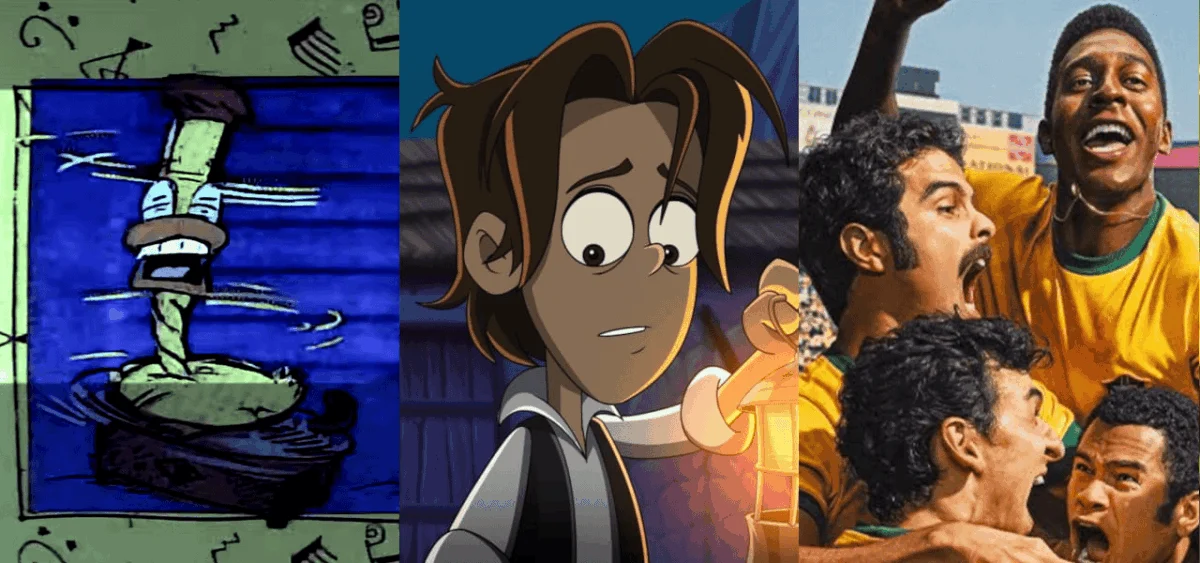
A Polarizing Duckman Revival Pitch: The animation community was recently abuzz with the upload of a proposed opening sequence for a Duckman revival by its original creator, Gábor Csupó. The pitch, however, generated a polarized reaction, with some expressing nostalgia and excitement, while others found the tone and content to be jarring and even unsettling. This divided reception underscores the challenges of revisiting beloved properties and the delicate balance required to satisfy both long-time fans and attract new audiences.
.png)
Avatar’s Limited Theatrical Presence and Korra‘s Concert Tour: In a peculiar move, Paramount has opted for a highly restricted theatrical release for Avatar Aang: The Last Airbender, with only two theaters globally showing the film. This limited engagement raises questions about the studio’s strategy for this highly anticipated franchise. In parallel, the Legend of Korra is set to embark on a live concert tour, blending animation with musical performance, suggesting a growing interest in experiential entertainment that extends beyond traditional moviegoing.
GKIDS Spotlights Cocoon – One Summer of Girlhood: On the independent animation front, GKIDS has released a new trailer for Cocoon – One Summer of Girlhood. This film, directed by Yukimitsu Ina, is an adaptation of Machiko Kyo’s poignant wartime manga. The trailer hints at a deeply emotional and visually rich narrative, positioning it as a significant artistic offering that celebrates nuanced storytelling and the power of visual art to convey complex human experiences.
Implications for the Mexican Animation Industry
The crisis at Anima Estudios carries profound implications for the broader Mexican animation industry.
- Loss of a Key Player: Anima Estudios has been more than just a production house; it has been a training ground for talent, a hub for creative innovation, and a significant contributor to Mexico’s cultural output. Its operational halt represents a tangible loss of capacity and expertise within the national industry.
- Investor Confidence: The financial and labor issues plaguing Anima Estudios could deter future investment in Mexican animation studios. International co-producers and financiers may become more hesitant to commit resources to a sector perceived as unstable, further hindering growth.
- Talent Retention: The layoffs and unpaid wage allegations could push skilled animators and technicians to seek opportunities abroad or in different industries. Retaining top talent is crucial for the long-term health and competitiveness of any creative sector.
- Government Intervention and Support: The crisis may necessitate a more active role from the Mexican government in supporting its animation studios. This could include financial aid, tax incentives, and the establishment of robust regulatory frameworks to protect workers’ rights and ensure fair labor practices. The Spanish model of direct investment in animation producers could serve as a valuable blueprint.
- Diversification of Funding Models: The situation underscores the need for studios to diversify their funding models beyond reliance on individual projects or a limited number of clients. Exploring co-productions, government grants, and innovative revenue streams could build greater resilience.
- Technological Adaptation: As Netflix embraces AI, Mexican studios will also need to strategically consider how to integrate new technologies without compromising artistic integrity or displacing their workforce. This requires careful planning, investment in training, and ethical considerations.
- Regional Collaboration: The challenges faced by Anima Estudios might also spur greater collaboration among animation studios across Latin America. Sharing resources, expertise, and best practices could create a stronger, more unified regional industry capable of weathering economic storms.
The coming months will be critical for Anima Estudios and the Mexican animation industry as a whole. The resolution of its internal restructuring and labor disputes will undoubtedly shape the future trajectory of animation in Mexico, determining whether this crisis becomes a catalyst for renewed growth and resilience or a cautionary tale of the challenges facing creative industries in a rapidly evolving global landscape. The world watches with concern and anticipation, hoping for a positive outcome that safeguards the vibrant artistic legacy that Anima Estudios has worked so hard to build.