"Grief Eater": A Visceral Dive into Trauma, Identity, and the Undead
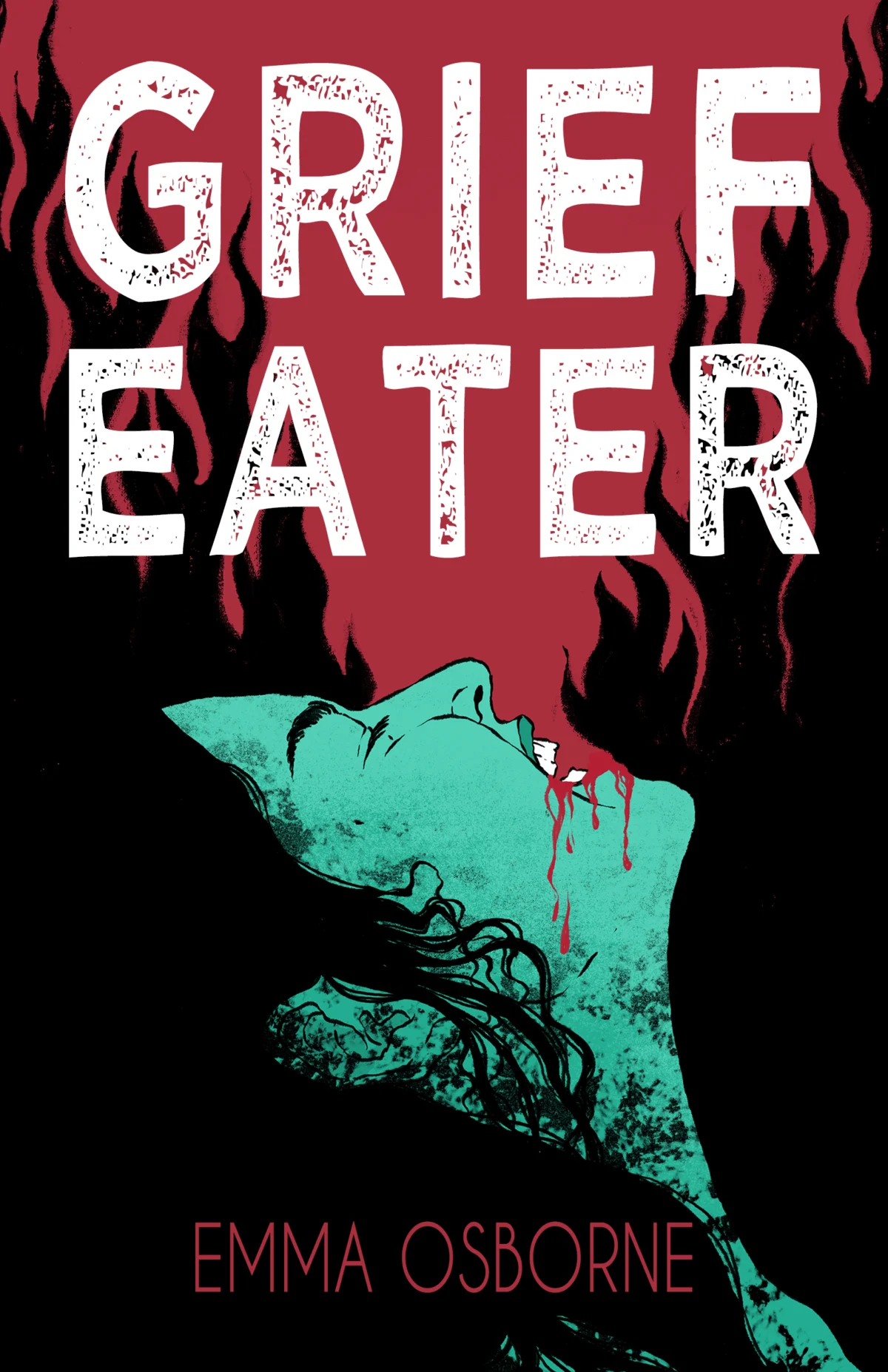
Melbourne, Australia – June 2, 2026 – Emma Osborne’s debut novella, "Grief Eater," is shattering genre conventions, offering a brutal and unflinching exploration of grief, queer identity, and found family through the lens of a zombie apocalypse. The novella, lauded for its transgressive and gory nature, introduces readers to Kristina, a woman resurrected not for redemption, but for retribution. This interview with Osborne delves into the creative process behind this potent narrative, highlighting the intricate balance between raw emotion and genre thrills.
Unearthing the Genesis of "Grief Eater"
"Grief Eater" plunges readers into a world where the undead are not just flesh-hungry monsters, but vessels of profound emotional turmoil. The novella’s protagonist, Kristina, rises from a violent death not as a shambling horror, but as a force of nature fueled by rage and a potent craving for vengeance. The narrative chronicles her arduous journey across a desolate Australian landscape, driven by the ghosts of her past and a fractured mind.
"Visceral, gritty, and unforgiving, ‘Grief Eater’ is a zombie story like you’ve never read before," Osborne states, setting the tone for the work. "When Kristina rises from her violent death, she’s not the same fragile woman her family once abandoned. She’s rageful, powerful, and hungry—for the blood of the ones who were supposed to love her."
The core of Kristina’s quest is a confrontation with her abusive family, the architects of her initial suffering. Her undead state amplifies her trauma, transforming her into a physical manifestation of her grief and rage. The novella poses a central, haunting question: "Is she here to forgive, or to feed?" This dichotomy underscores the complex emotional landscape Osborne navigates, pushing the boundaries of traditional zombie narratives.
"A transgressive, gory examination of queer identity and found family, ‘Grief Eater’ sinks its teeth into trauma and what it means to be devoured by grief," Osborne explains, highlighting the novella’s thematic depth. The narrative is not merely a tale of survival, but a profound exploration of what it means to reclaim agency and identity in the face of overwhelming adversity.
The Art of Narrative: Embracing Flashbacks and Short Story Origins
A key element in "Grief Eater"’s construction, and a point of discussion among early readers, is the strategic use of flashbacks. Osborne acknowledges the common literary advice to "stay in the present moment," a principle instilled by instructor Paul Park at the Clarion West Writers Workshop a decade prior. The concern, as Park noted, is that flashbacks can disrupt narrative momentum.
However, Osborne argues that flashbacks can be a powerful tool when employed thoughtfully. "I think he’s right, but I also think that sometimes you can justify flashbacks, if you can make them work for you the right way," Osborne asserts. "Now, there are plenty of people who don’t love the flashbacks in ‘Grief Eater’—according to early reviews, thank you for reading, reviewers!—and some who find that they really work. I’d like to think that by and large they do!"
In "Grief Eater," Kristina’s death occurs in the opening chapter, a deliberate choice to immediately immerse the reader in the present horror. The subsequent revenge narrative, however, demanded context to resonate emotionally. Osborne eschewed a traditional chronological approach, opting instead to weave Kristina’s past into her undead present. "I wanted to drop you into the action, so you learn about her past while she stalks her way into her future, her teeth and fingers sharp." This method allows the reader to piece together Kristina’s history alongside her visceral journey, creating a more impactful and integrated experience.
The genesis of "Grief Eater" also traces back to a short story. Osborne is a proponent of the idea that short stories can serve as fertile ground for larger works, citing examples like Seth Dickinson’s "The Traitor Baru Cormorant" and N.K. Jemisin’s "The City Born Great." For Osborne, the initial spark came from a short story titled "Don’t Pack Hope," which featured a character named Josh.
"For me, the ‘Grief Eater’ world began with the protagonist of my short story ‘Don’t Pack Hope,’ who would later be named Josh," Osborne reveals. "I put several fragments of my heart into that story and was delighted when it was picked up by Nightmare Magazine, and then reprinted in Wastelands 3: The New Apocalypse edited by John Joseph Adams. Still, I knew I wasn’t done with that world. I knew that Kristy, Josh’s best friend, who became Kristina, had her own story. And I knew that, unlike beautiful Josh, Kristina didn’t make it out of the city alive." This establishes a clear lineage, demonstrating how character exploration in shorter forms can blossom into more expansive narratives.
The "Lightning Bolt" Moment: Transforming Compulsion into Hunt
The narrative arc of "Grief Eater" underwent a significant transformation, shifting from a story of compulsion to one of active pursuit. Initially, the novella depicted Kristina being drawn to her family by an "invisible compulsion," a need for recognition. This concept, while not entirely flawed, felt incomplete to Osborne.
"Grief Eater is a revenge story, but it didn’t start that way," Osborne admits. "No, the first draft had my protagonist, Kristina, being pulled towards her terrible family by an invisible compulsion, a need to find them, to stand before them, to find herself seen. It wasn’t a particularly bad book, but I knew that something wasn’t quite right with it."
The breakthrough, Osborne describes as a "lightning bolt moment," occurred during a shower. The idea of Kristina being a passive recipient of an unseen force was replaced with the potent image of her actively hunting her tormentors. "As I usually do, I let the idea roll around in my head for a while. The narrative made itself comfortable in my lizard-brain until one day in the shower, it hit me. Kristina shouldn’t be pulled. She should hunt. It was an oh god, eyes wide, am I really doing this moment, and it was incredible to experience. I think I literally laughed out loud."
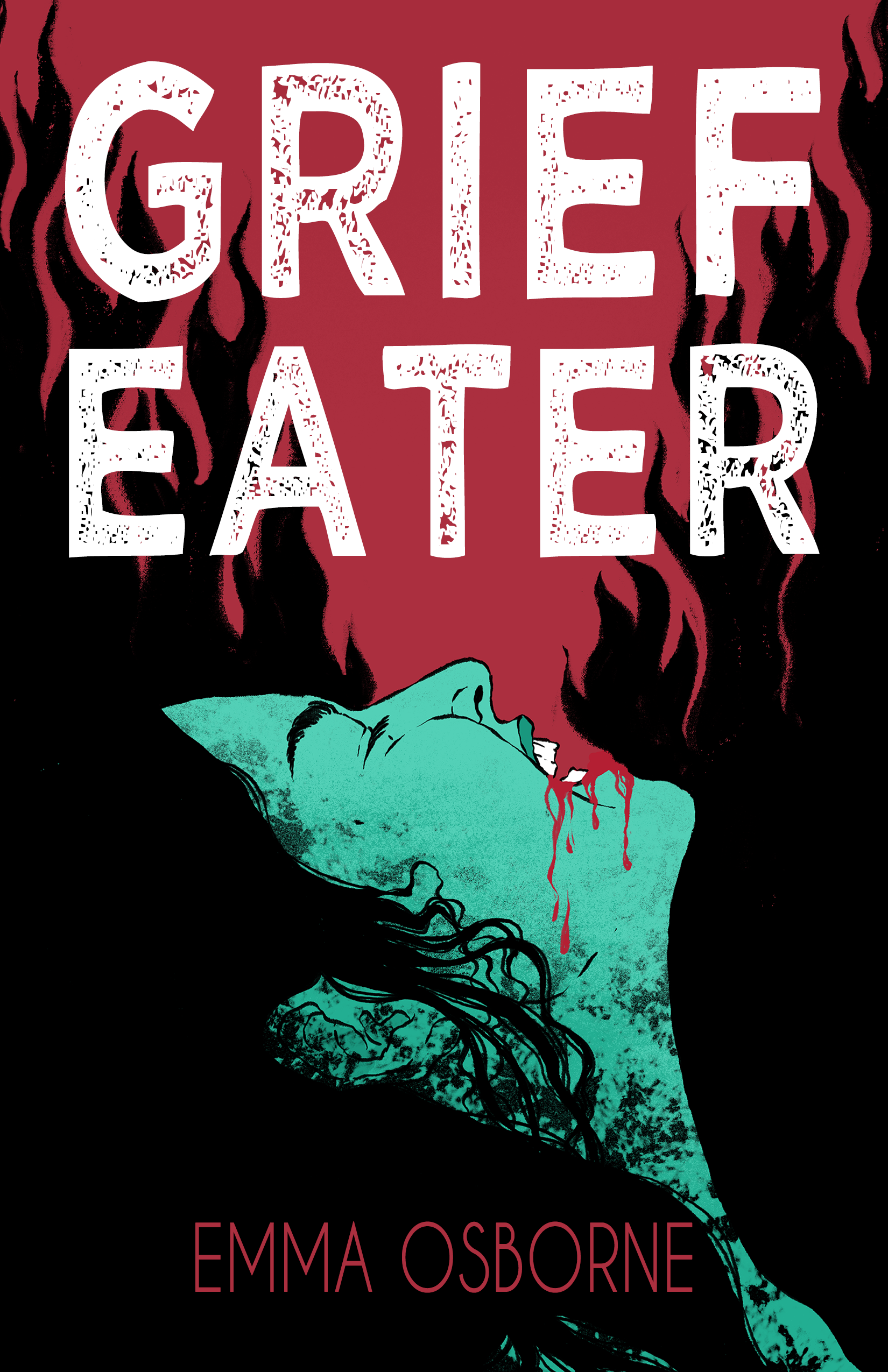
This pivotal shift instilled a crucial lesson for Osborne: the importance of protagonist agency. "That moment and that feeling will always remind me to look at my protagonists and make sure they’re strong and active. They should move as quickly as they can towards the things that they want. And what Kristina wants is the blood of the people who wronged her." This proactive stance imbues Kristina with a formidable presence, elevating her beyond a mere victim of circumstance.
The Sonic Landscape of Despair and Rage
The auditory experience of writing "Grief Eater" was as crucial as its thematic exploration. Osborne’s writing process is deeply intertwined with music, particularly instrumental pieces that evoke specific moods. For "Grief Eater," the need was for something "savage," "heavy," and distinctly post-rock.
"I generally listen to instrumental music (usually Zoe Keating, Explosions in the Sky or various video game soundtracks) when I write," Osborne explains. "For ‘Grief Eater,’ I knew that I needed to play something savage while I wrote. I needed something heavy, something post-rock. And fuck, I love post-rock." The band Godspeed You! Black Emperor became a central influence, with their track "Mladic" from the album "ALLELUJAH! DON’T BEND! ASCEND!" emerging as the novella’s unofficial theme song.
" ‘Mladic’ from their album ALLELUJAH! DON’T BEND! ASCEND! became the theme song for the novella," Osborne states. "If you haven’t heard it, it goes for a full twenty minutes (!!!) and changes and evolves throughout. I only did a little music theory in school, so there are people that can probably explain exactly why it’s so cool in technical terms, but all I know is that it fucking rocks. It genuinely helped me to take the story to darker and more intense places." The expansive and dynamic nature of the music mirrors the emotional rollercoaster Kristina undertakes, providing a sonic backdrop for her descent and resurgence.
The Unflinching Portrayal of Villains and "Story Truth"
A significant aspect of "Grief Eater" is its unflinching portrayal of Kristina’s villains: her parents and older brother. Osborne and her editor, Holly, discussed whether to temper the depiction of their violence, neglect, and homophobia. Ultimately, they decided against it, a decision Osborne now praises.
"The villains of ‘Grief Eater’ are Kristina’s parents and her older brother," Osborne elaborates. "When I was editing the novella, I had a conversation with my editor, Holly, about whether I should tone things down a bit, particularly their violence, neglect and homophobia. We decided not to go in that direction, and I am so glad that we preserved the characters as they are."
Osborne emphasizes that while these characters might seem extreme, they are rooted in reality. "I can appreciate that such horrible characters may seem a tad unrealistic, but also, people like that, unfortunately, absolutely exist." She draws a direct line from the fictional antagonists to lived experiences. "Indeed, the sins of Kristina’s family have all been pulled from situations I have personally experienced (not the homophobia, thank god!) or that my younger brother experienced, or that have been experienced by friends of mine who are also in the LGBTIQA+ community."
This resonates with Tim O’Brien’s concept of "story truth" from "The Things They Carried," where the emotional and psychological reality of trauma can be more profound than factual accuracy. "In his novel ‘The Things They Carried’ by Tim O’Brien, he writes of the horrors of the Vietnam war. He talks about ‘story truth,’ as in, sometimes real truth is so unbelievable that you need to write about it in stories to fully understand the weight of it. Trauma and villainy are like that sometimes."
Despite the darkness, Osborne ensures that "Grief Eater" is not devoid of hope. Kristina finds solace and support in her best friend, Josh, and a supportive Aunt, Jill. "While Kristina’s family are horrendous people, she also has her best friend, Josh, and a supportive Aunt, Jill. I wanted to make sure that though dark, her story still has elements of light. I hope you enjoy it." This balance of profound darkness and enduring light is a testament to Osborne’s nuanced approach to storytelling.
Emma Osborne (they/them) is a queer fiction writer and poet from Naarm Melbourne, Australia. Their work has appeared in numerous prestigious publications, including Uncanny Magazine, Nightmare Magazine, and the Year’s Best Australian Fantasy and Horror. A graduate of the 2016 Clarion West Writers Workshop, "Grief Eater" marks their debut novella. Osborne currently resides in Sunbury with their girlfriend and three cats.
Connect with Emma Osborne:
- Bluesky: https://bsky.app/profile/redscribe.bsky.social
- Instagram: https://www.instagram.com/redscribed/
Purchase "Grief Eater":