"Hello Wizard I Have a Problem": A New Era of Incompetent Sorcery and Collaborative Chaos Dawns in Tabletop RPGs
FOR IMMEDIATE RELEASE
[City, State] – [Date, e.g., October 26, 2023] – The world of tabletop roleplaying games (TRPGs) is poised for a dose of delightful disarray with the advent of "Hello Wizard I Have a Problem," a groundbreaking new title that invites players to embrace the glorious absurdity of powerful yet utterly incompetent spellcasters. Conceived by acclaimed designer Sam Armstrong and brought to life with the vibrant artistry of Evlyn Moreau, this collaborative storytelling game promises a unique blend of fantasy, improvisation, and laugh-out-loud comedy, drawing inspiration from iconic absurdist works like Monty Python and "What We Do in the Shadows."
Breaking away from traditional GM-player dynamics, "Hello Wizard I Have a Problem" champions a rotating spotlight system where every participant takes a turn as the central spellcaster, attempting to impress their peers with their magical prowess. The twist? The collective wisdom (or mischief) of the other players, acting as a dynamic Games Master, ensures that these magical endeavors invariably go spectacularly, hilariously wrong. As its highly successful Kickstarter campaign draws to a close, securing its funding and signaling strong community interest, the game is set to become a notable addition to the burgeoning landscape of narrative-driven and comedic TRPGs.
The Main Facts: Unleashing Chaotic Enchantments
"Hello Wizard I Have a Problem" is an innovative tabletop roleplaying game designed for any number of players, focusing on the shared narrative of a troupe of chaotic wizards. At its core, the game is an ode to the unexpected, a celebration of magical mishaps, and a testament to the power of collaborative storytelling. Players embody sorcerers of immense potential but questionable execution, their spells often veering wildly off course to produce comical, unforeseen consequences.
The game’s premise is refreshingly simple yet deeply engaging: one player steps into the spotlight as their wizard, describing the magnificent spell they intend to cast. The remaining players, collectively assuming the role of the Games Master, then collaboratively determine how this spell spectacularly backfires. This dynamic ensures that every scene is infused with spontaneity and humor, mirroring the rapid-fire comedic timing found in beloved absurdist works. The core mechanics are built around accessibility, promising quick setup times and a straightforward ruleset that makes it easy for both TRPG veterans and newcomers to dive into the magical mayhem.
A standout feature is the inclusion of a "Problem Generator" within the rulebook. This ingenious tool offers over 200,000 unique prompts, guaranteeing an endless stream of disastrous outcomes for the wizards’ spells. This ensures replayability and keeps the narrative fresh and unpredictable, pushing players to think on their feet and react to increasingly ludicrous scenarios. The game culminates in a playful assessment of who among the magical ensemble has proven to be the "most impressive wizard," a title determined by a loose, improv-based scoring system that prioritizes creativity and comedic impact over strict rule adherence.
Chronology: From Concept to Crowdfunding Success
The journey of "Hello Wizard I Have a Problem" began with the creative vision of Sam Armstrong, a tabletop RPG designer known for his distinctive and often subversive approaches to game design. Armstrong’s previous works, such as "All Bastard"—a fantasy TRPG where players choose between being bragging heroes or the villains they defeated—and the horror roleplaying game "Slasher," showcase a designer unafraid to explore unique narrative structures and unconventional player roles. "Hello Wizard" represents a pivot towards lighter, more overtly comedic territory, while retaining Armstrong’s signature focus on compelling storytelling and player agency.
The conceptualization of "Hello Wizard I Have a Problem" was deeply rooted in Armstrong’s appreciation for absurdist and improvisational comedy. The game’s explicit inspiration from British comedy giants like Monty Python, alongside modern cult classics such as "The Mighty Boosh" and the mockumentary stylings of "What We Do in the Shadows," speaks volumes about its intended tone. This comedic lineage suggests a game that prioritizes character-driven humor, unexpected twists, and a playful disregard for conventional logic, all within a fantastical setting.
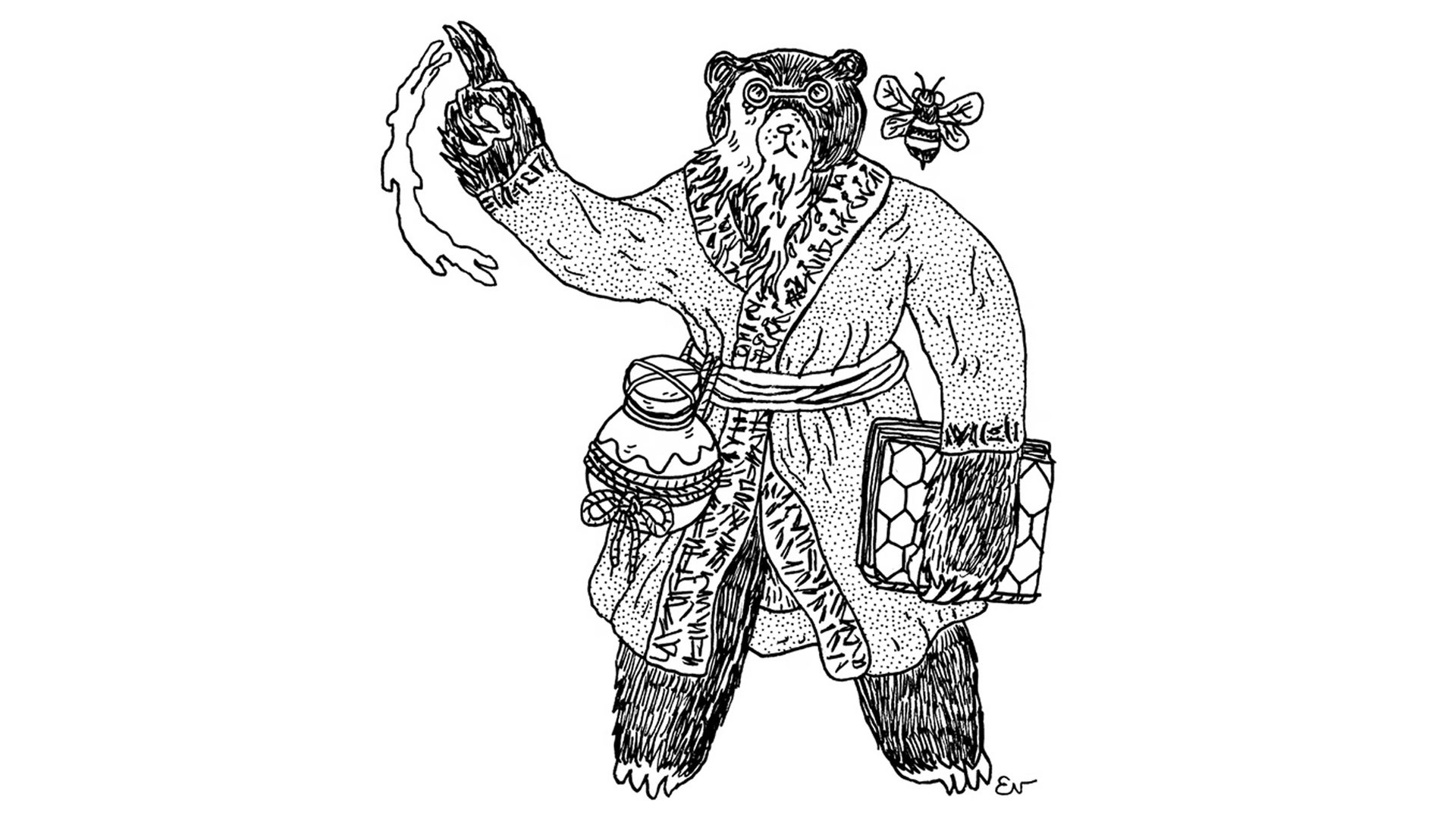
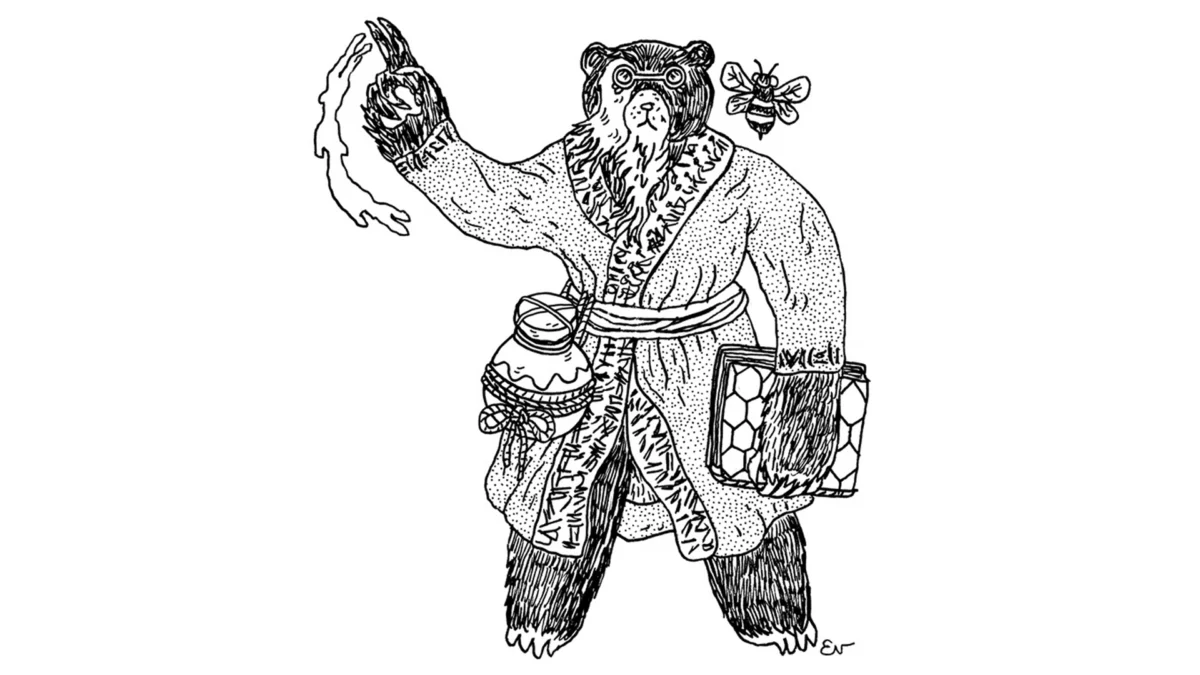
The visual identity of the game was entrusted to illustrator Evlyn Moreau, whose distinctive style has graced other notable RPGs, including "Liminal High School." Moreau’s artwork for "Hello Wizard I Have a Problem" captures the whimsical, slightly unhinged essence of the game, providing a perfect visual complement to Armstrong’s chaotic narrative framework. The collaboration between Armstrong’s design sensibilities and Moreau’s artistic talent has resulted in a game that is not only conceptually strong but also visually captivating.
The game’s development culminated in a crowdfunding campaign launched on Kickstarter, an increasingly vital platform for independent TRPG creators. The campaign garnered significant attention, quickly surpassing its initial funding goals. This rapid success underscores a growing appetite within the TRPG community for games that prioritize narrative flexibility, comedic elements, and streamlined mechanics over complex rule sets. The Kickstarter offered backers various tiers, including a digital PDF version for approximately £4 ($5) and a physical copy for £8 ($10), with an anticipated delivery date in June. The campaign’s impending conclusion signifies the transition from a funded project to a tangible product, eagerly awaited by a growing legion of future incompetent wizards. The success on Kickstarter also points towards broader availability, with Armstrong’s Itch.io page being a likely future platform for the game.
Supporting Data: Mechanics of Mayhem and Design Philosophy
The underlying mechanics of "Hello Wizard I Have a Problem" are a deliberate departure from the often intricate systems found in many traditional TRPGs. Armstrong’s design philosophy here prioritizes immediate engagement and collaborative narrative over extensive stat tracking or complex combat rules. This focus on fluidity is evident in the game’s core loop:
- Rotating Spotlight: Each player gets a turn in the "spotlight" as the active wizard. This ensures equitable participation and keeps all players invested in the evolving narrative. It also fosters a sense of shared ownership over the story, as everyone contributes both to the creation of magical feats and their inevitable downfall.
- Collaborative GMing: The innovative "players-as-GM" dynamic for spell mishaps is arguably the game’s most distinguishing feature. Instead of a single individual bearing the narrative burden, the entire group contributes to the unfolding chaos. This not only lightens the load for any single player but also generates a wider range of creative and unexpected outcomes, leveraging the collective imagination of the group. It fosters a truly communal storytelling experience, where the boundary between player and narrator blurs.
- The Problem Generator: This rulebook component is a game-changer for spontaneous storytelling. With "over 200,000 prompts" for spell failures, it effectively guarantees that no two playthroughs will be alike. This immense combinatorial power prevents narrative stagnation and provides immediate inspiration when the group needs a nudge for a disastrous outcome. It acts as a creative catalyst, pushing players to embrace the bizarre and the unexpected.
- "Impressive Wizard" Scoring: The loose, improv-based "points" system for determining the "most impressive wizard" at the end of the game further emphasizes the game’s focus on fun and creativity over strict competition. This isn’t about optimizing builds or winning battles; it’s about crafting the most memorable, most hilarious, and most spectacularly failed magical performances. It encourages playful one-upmanship in absurdity, rather than strategic mastery.
- Accessibility and Speed: The game’s commitment to "straightforward and easy to learn" rules, coupled with a "quick and easy" setup, positions it as an ideal choice for casual game nights, convention play, or as an introductory TRPG for those new to the hobby. In a market where some games demand significant time investment for mastery, "Hello Wizard" offers an immediate and rewarding experience.
- Optional Rules and Advice: The inclusion of "advice and optional rules" within the rulebook demonstrates a thoughtful design approach. This allows groups to tailor their experience, either sticking to the core, minimalist rules or adding layers of complexity and flavor as they become more comfortable. This adaptability ensures the game can grow with its players, providing longevity and diverse play experiences.
This robust yet simple framework makes "Hello Wizard I Have a Problem" an exciting proposition for the fantasy RPG genre, especially for those seeking a departure from more combat-heavy or grimdark narratives. It carves out a niche for itself alongside other "wholesome" or "chill" RPGs, as highlighted by other TRPG content creators, by emphasizing laughter, collaboration, and lighthearted fun.
Official Responses: Voices Behind the Magic
While direct quotes from Sam Armstrong and Evlyn Moreau regarding the specific reception of "Hello Wizard I Have a Problem" are not yet widely available post-campaign, their established reputations and the game’s design speak volumes about their intentions and artistic contributions.
Sam Armstrong’s Vision: Armstrong’s previous work demonstrates a clear fascination with exploring the psychological and social dynamics within fantastical settings. "All Bastard," for instance, delves into themes of perspective and reputation, while "Slasher" masterfully crafts tension and dread. With "Hello Wizard I Have a Problem," Armstrong appears to channel his narrative prowess into the realm of pure comedy and improvisation. His vision for the game is likely rooted in creating a highly accessible, low-barrier-to-entry TRPG that prioritizes collective creativity and spontaneous humor. The emphasis on player-driven chaos and the removal of a traditional GM role aligns with a philosophy that empowers all participants equally in the storytelling process. He likely aims to provide a framework where players feel comfortable taking risks, experimenting with absurd ideas, and finding joy in shared comedic failure. The "Problem Generator" is a testament to this, acting as a structured prompt for unbound improvisation rather than a restrictive set of rules.
Evlyn Moreau’s Artistic Contribution: Evlyn Moreau’s artwork is a critical component of "Hello Wizard I Have a Problem." Her distinct style, often characterized by a blend of whimsical, slightly gothic, and expressive elements, perfectly complements the game’s absurdist tone. Her work on titles like "Liminal High School" showcases an ability to create atmospheric and characterful illustrations that enhance the narrative without overshadowing it. For "Hello Wizard," Moreau’s visuals likely play a crucial role in setting the comedic, fantastical mood, making the incompetent wizards and their disastrous spells feel both endearing and memorable. The artwork provides an immediate visual hook, drawing players into the strange and wonderful world Armstrong has created. Her contribution elevates the game from a mere set of rules to a fully realized aesthetic experience, reinforcing the humorous and lighthearted nature of the gameplay.
Community Engagement (Inferred): The success of the Kickstarter campaign serves as a powerful "official response" from the TRPG community itself. Surpassing funding goals indicates a significant appetite for games that offer fresh takes on fantasy and prioritize collaborative, humorous storytelling. Backers are not just investing in a game; they are endorsing a design philosophy that champions accessibility, improvisation, and shared laughter. The anticipation generated by the campaign suggests a community eager for a game that allows them to shed the seriousness often associated with traditional fantasy RPGs and revel in the joy of magical incompetence. This collective enthusiasm is a clear signal that Armstrong and Moreau have tapped into a resonant desire within the tabletop gaming world.

Implications: Reshaping the Landscape of Collaborative Play
The arrival of "Hello Wizard I Have a Problem" carries several significant implications for the tabletop roleplaying game industry, particularly for the indie scene and the broader evolution of game design.
1. Furthering Collaborative Storytelling and GM-less Play: The game stands as a prime example of the ongoing trend towards more collaborative and often GM-less or rotating-GM TRPGs. By democratizing the role of the Games Master, "Hello Wizard" empowers all players equally, fostering a more communal and less hierarchical storytelling experience. This approach can be particularly appealing to groups who struggle to find a dedicated GM, or who simply prefer a more free-form, shared narrative. It highlights a growing desire for games that emphasize interaction and co-creation over a single guiding voice.
2. The Rise of Absurdist and Comedic RPGs: "Hello Wizard I Have a Problem" firmly plants its flag in the growing subgenre of comedic and absurdist TRPGs. In an industry often dominated by epic high fantasy, gritty sci-fi, or intense horror, games that prioritize laughter and lighthearted fun offer a refreshing alternative. This trend suggests a diversification of player tastes and a recognition that TRPGs can serve as platforms for pure entertainment and levity, not just deep narrative exploration or strategic combat. Its success could encourage more designers to explore humor as a primary game mechanic.
3. Accessibility for New Players: The game’s emphasis on straightforward rules and quick setup makes it an excellent gateway TRPG. Its low barrier to entry can introduce new players to the joys of roleplaying without the intimidation of complex rulebooks or character creation processes. By focusing on improvisation and creative expression, it can help newcomers understand the core appeal of TRPGs—collaborative storytelling—in a fun and unintimidating environment. This expands the potential audience for tabletop gaming, drawing in individuals who might otherwise be put off by perceived complexity.
4. Impact on Indie Game Design: Sam Armstrong’s success with "Hello Wizard I Have a Problem" reinforces the vitality and innovation of the independent TRPG design community. It demonstrates that unique concepts, clear design philosophies, and strong artistic collaboration can thrive outside of major publishing houses. The Kickstarter model, in particular, continues to prove its worth as a launchpad for creative projects that might not fit traditional publishing molds. This encourages other indie designers to pursue their niche ideas, knowing there’s an audience eager for fresh and unconventional experiences.
5. Long-Term Availability and Community Growth: Following its Kickstarter success, the game’s anticipated availability on platforms like Armstrong’s Itch.io page suggests a commitment to making the game accessible to a wider audience beyond the initial crowdfunding window. This digital distribution model, combined with potential future retail partnerships, will ensure the game’s longevity. Furthermore, the game’s improvisational nature and the sheer volume of "Problem Generator" prompts lend themselves well to community-generated content and house rules, fostering a vibrant player base that can continuously expand and evolve the game’s experience.
In conclusion, "Hello Wizard I Have a Problem" is more than just another tabletop RPG; it’s a statement about the evolving nature of collaborative play and the boundless potential for humor within fantasy settings. As players prepare to unleash their gloriously incompetent magic, the game stands poised to cast a lasting spell on the TRPG community, proving that sometimes, the best adventures are the ones that go wonderfully, hilariously wrong.