Mercedes-Benz Redefines Luxury Transport: The Emergence of the VLE "Grand Limousine"
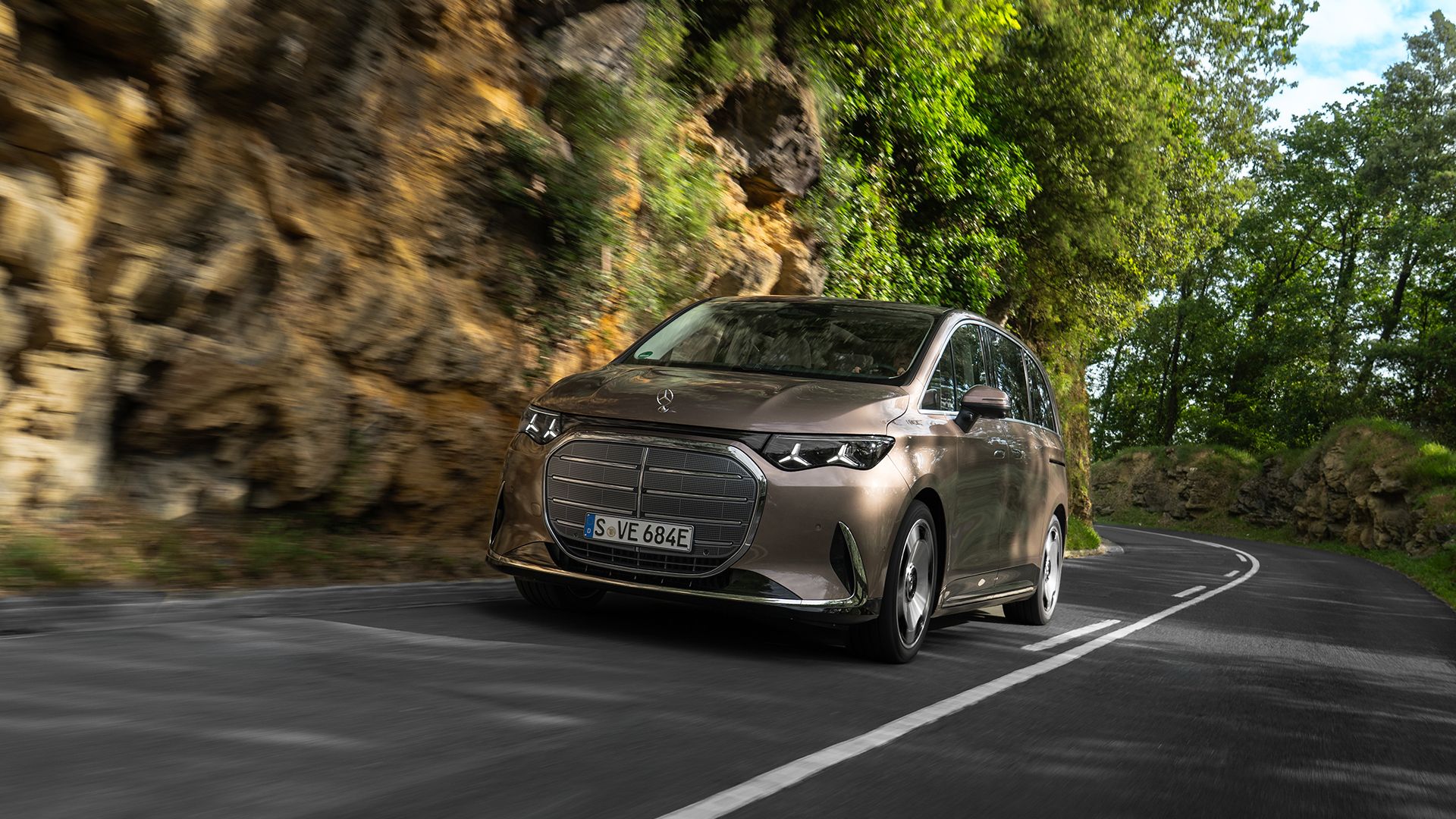
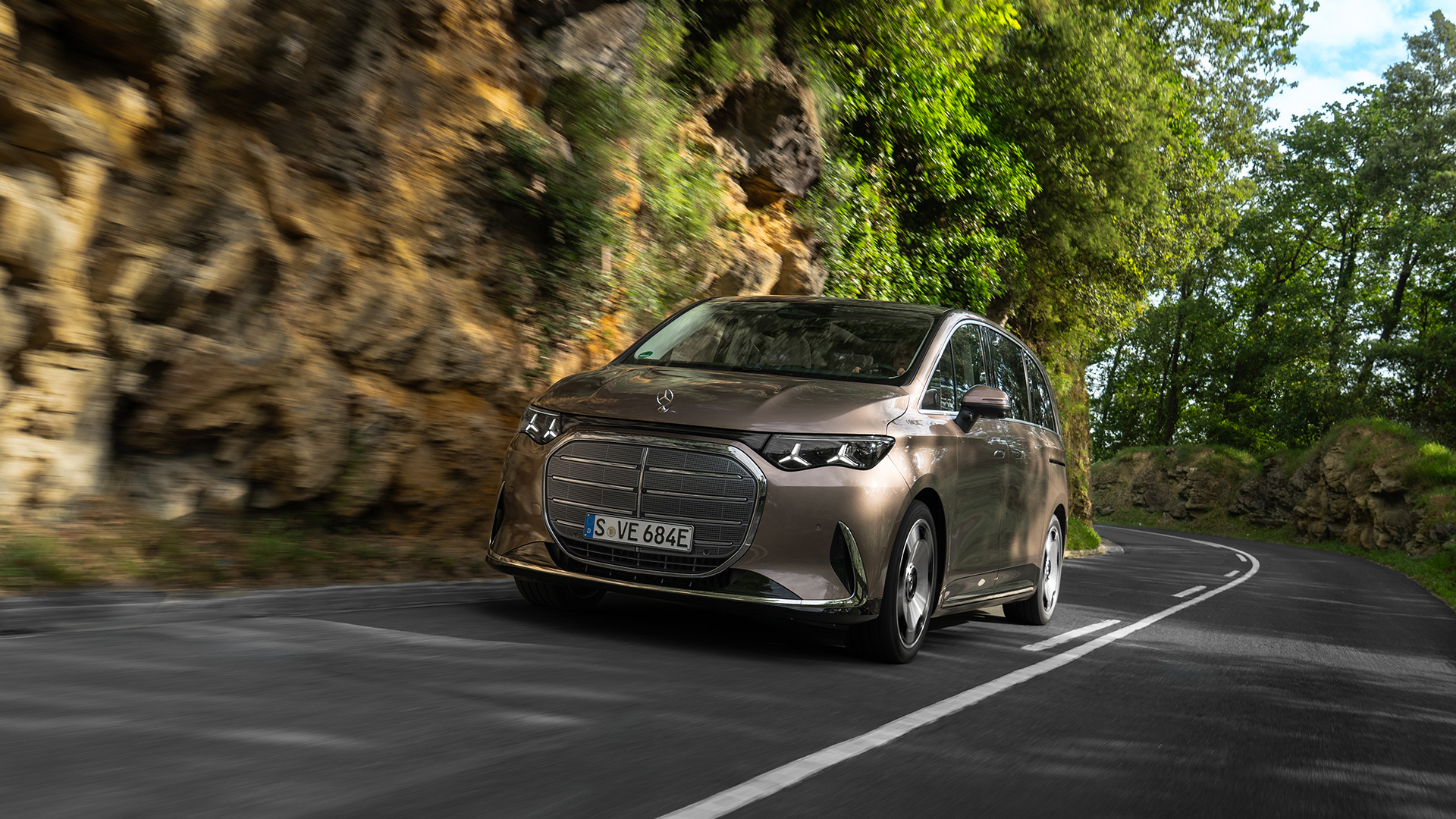
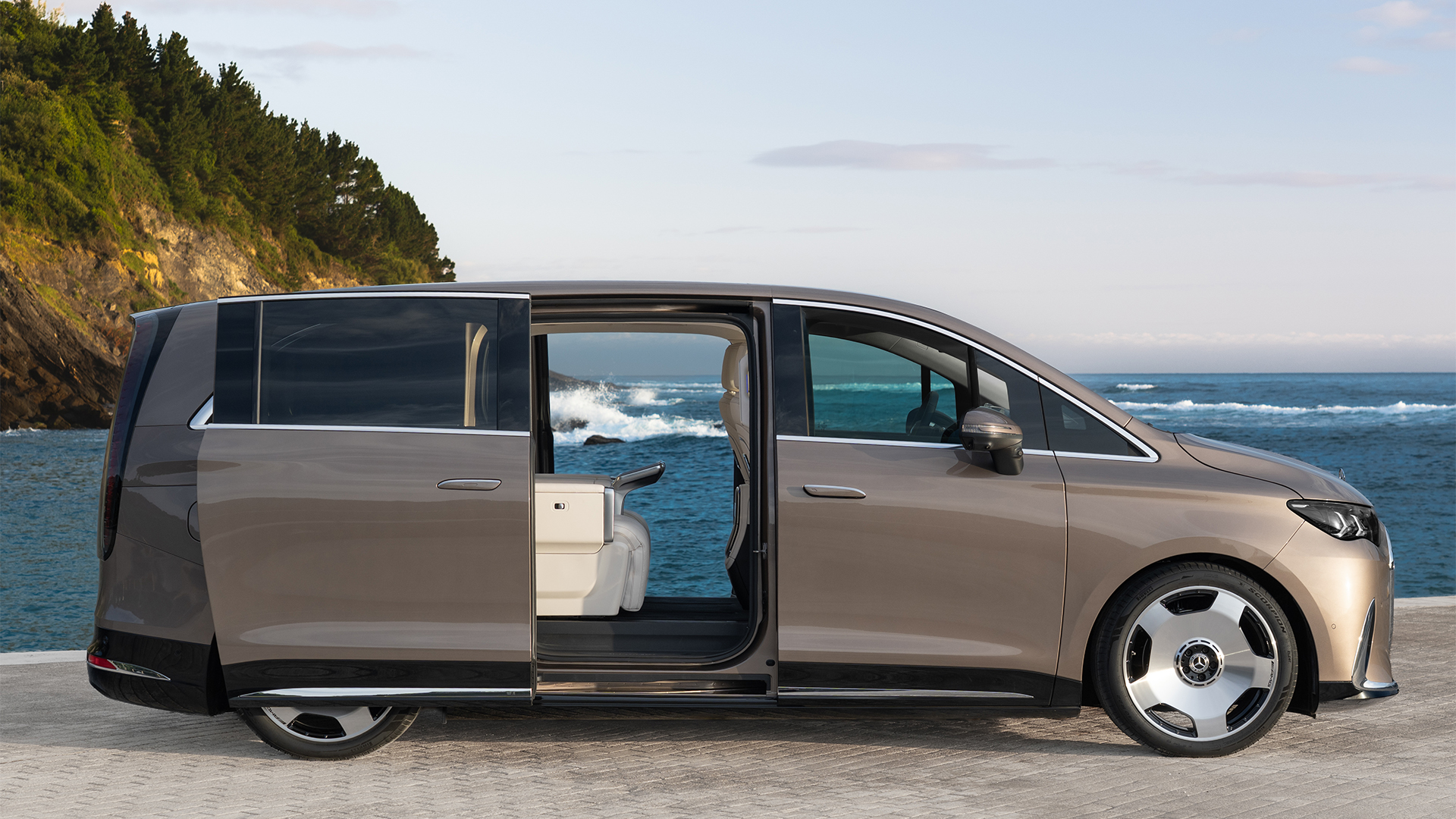
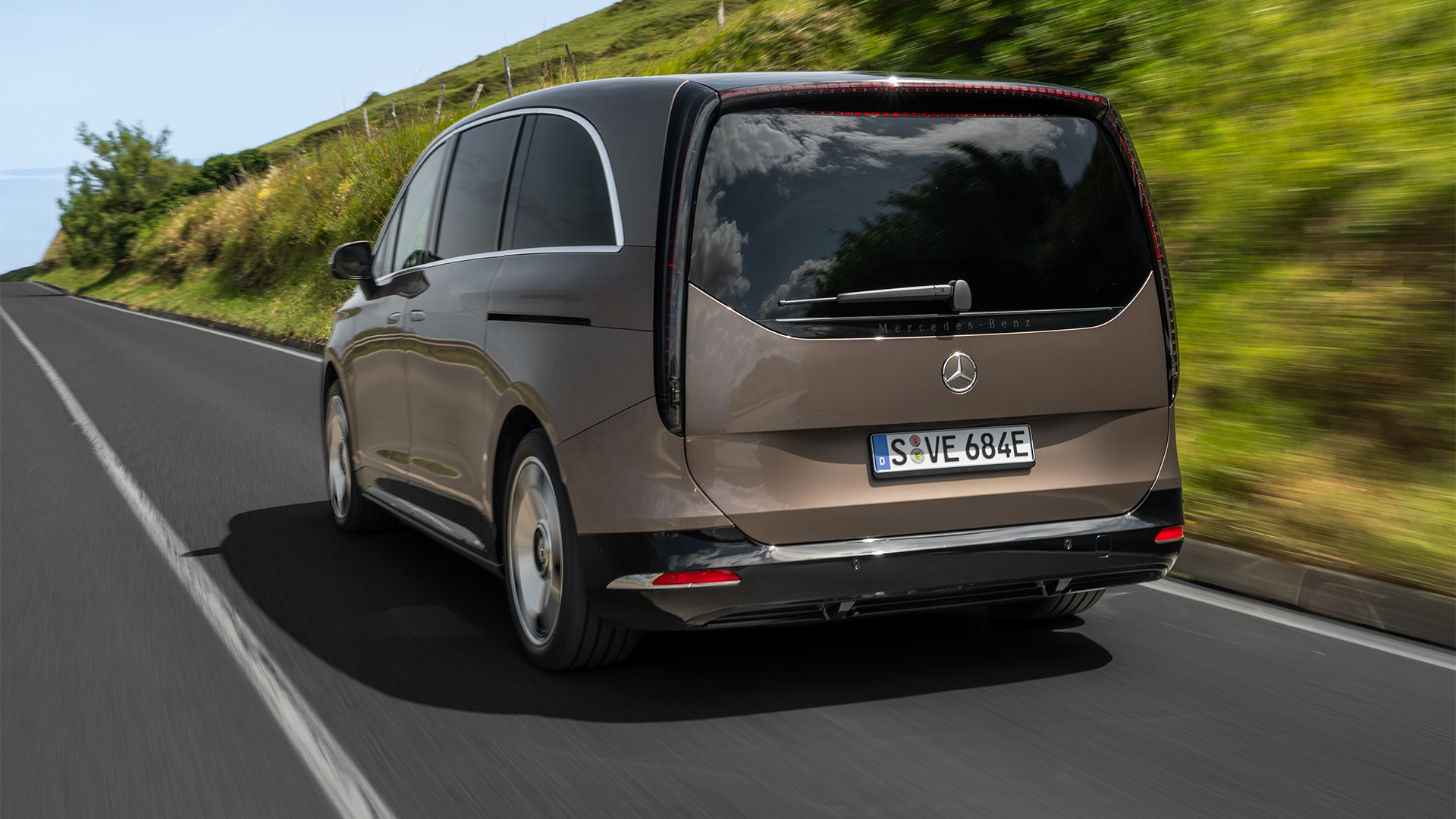
STUTTGART, GERMANY — Mercedes-Benz has officially unveiled the VLE, an all-electric successor to the venerable V-Class, signaling a seismic shift in how the automotive industry perceives multi-purpose vehicles (MPVs). Moving away from its commercial roots, the German automaker is repositioning its premier people-mover as a "Grand Limousine," a title intended to distance the vehicle from its work-van cousins and align it squarely with the opulence of the S-Class sedan.
The VLE arrives at a critical juncture for the luxury transport sector, offering a blend of record-breaking range, ultra-fast charging, and a level of interior modularity that challenges both traditional limousines and modern electric SUVs. With a claimed range exceeding 400 miles and a technological suite that includes 8K cinema screens, the VLE is Mercedes-Benz’s definitive answer to the electrification of high-end livery and family travel.
Main Facts: A New Benchmark for Electric MPVs
The Mercedes-Benz VLE is not merely an electrified version of the existing V-Class; it represents a clean-sheet approach to the luxury van segment. Built on an entirely new EV-dedicated platform, the VLE addresses the primary criticism of previous electric vans: limited range and sluggish charging.
Key Specifications at a Glance:
- Battery Capacity: 115 kWh Nickel Manganese Cobalt (NMC) battery (launch models).
- Maximum Range: Up to 435 miles (700 km) on the WLTP cycle (VLE 300).
- Charging Speed: 300 kW DC fast-charging capability.
- Powertrain Options: Single-motor RWD (VLE 300) and Dual-motor AWD (VLE 400 4Matic).
- Performance: 400 bhp (VLE 400), 0-62 mph in 6.5 seconds.
- Dimensions: Over 5.3 meters in length with rear-wheel steering.
- Starting Price: Estimated at £75,000 (approx. $100,000 / AU$144,000).
By branding the VLE as a "Grand Limousine," Mercedes-Benz is targeting a dual demographic: the elite chauffeur industry that services red carpets and airports, and the high-net-worth "van life" enthusiast who requires versatility without sacrificing the comforts of a five-star hotel.
Chronology: From the Vito to the Vanguard of Luxury
To understand the VLE’s significance, one must look at the evolution of the Mercedes-Benz mid-sized van lineage. For decades, the Mercedes-Benz Vito served as the utilitarian backbone of European logistics. In the late 1990s, the V-Class (and later the Viano) was introduced to bridge the gap between commercial utility and passenger comfort.
However, even the most luxurious V-Class models of the past decade were often criticized for retaining the "bones" of a commercial vehicle—audible engine rattle, stiff suspension, and interior plastics that didn’t quite match the price tag.
The Pivot to EV-First Engineering:
In 2021, Mercedes-Benz announced its "EV Only" strategy, promising that by 2025, all newly launched vehicle architectures would be electric-only. The VLE is the realization of this promise for the van division. Unlike the EQV (the electric version of the previous V-Class), which was a retrofitted internal combustion platform, the VLE benefits from the packaging advantages of a dedicated EV chassis. This allows for a completely flat floor, greater battery density, and a suspension system designed specifically for the unique weight distribution of a large battery pack.
The launch of the VLE marks the end of the "re-skinned work van" era for Mercedes-Benz’s passenger division, officially graduating the V-series into the brand’s top-tier luxury portfolio.
Supporting Data: Engineering the "Long-Distance" Electric Van
The most significant hurdle for electric passenger vans has historically been aerodynamics. The "brick-like" silhouette required for maximum interior volume is the natural enemy of EV efficiency. Mercedes-Benz engineers have employed several sophisticated strategies to mitigate this.
Aerodynamics and Efficiency
The VLE features a heavily rounded front fascia and smoothed underbody panels to reduce drag. Most notably, the standard-fit air suspension is speed-sensitive; when the vehicle reaches cruising speeds on the highway, it automatically lowers the body by 40mm. This reduces the frontal area and optimizes airflow, allowing the VLE 300 to achieve its headline-grabbing 435-mile range.
Performance and Drivetrain
The VLE will be available in two primary launch configurations:
- VLE 300: Focused on maximum efficiency, this single-motor variant utilizes the 115 kWh battery to provide the longest range in the segment.
- VLE 400 4Matic: This performance-oriented model uses dual motors to produce 400 bhp. The 0-62 mph sprint of 6.5 seconds is remarkable for a vehicle of this size, ensuring that it can keep pace with executive sedans on the Autobahn.
Charging Infrastructure
To support the "Grand Limousine" lifestyle, the VLE supports 300 kW DC fast charging. In real-world terms, this allows the massive 115 kWh battery to replenish from 10% to 80% in under 25 minutes, provided a compatible ultra-rapid charger is used. This capability is vital for the chauffeur industry, where downtime equates to lost revenue.
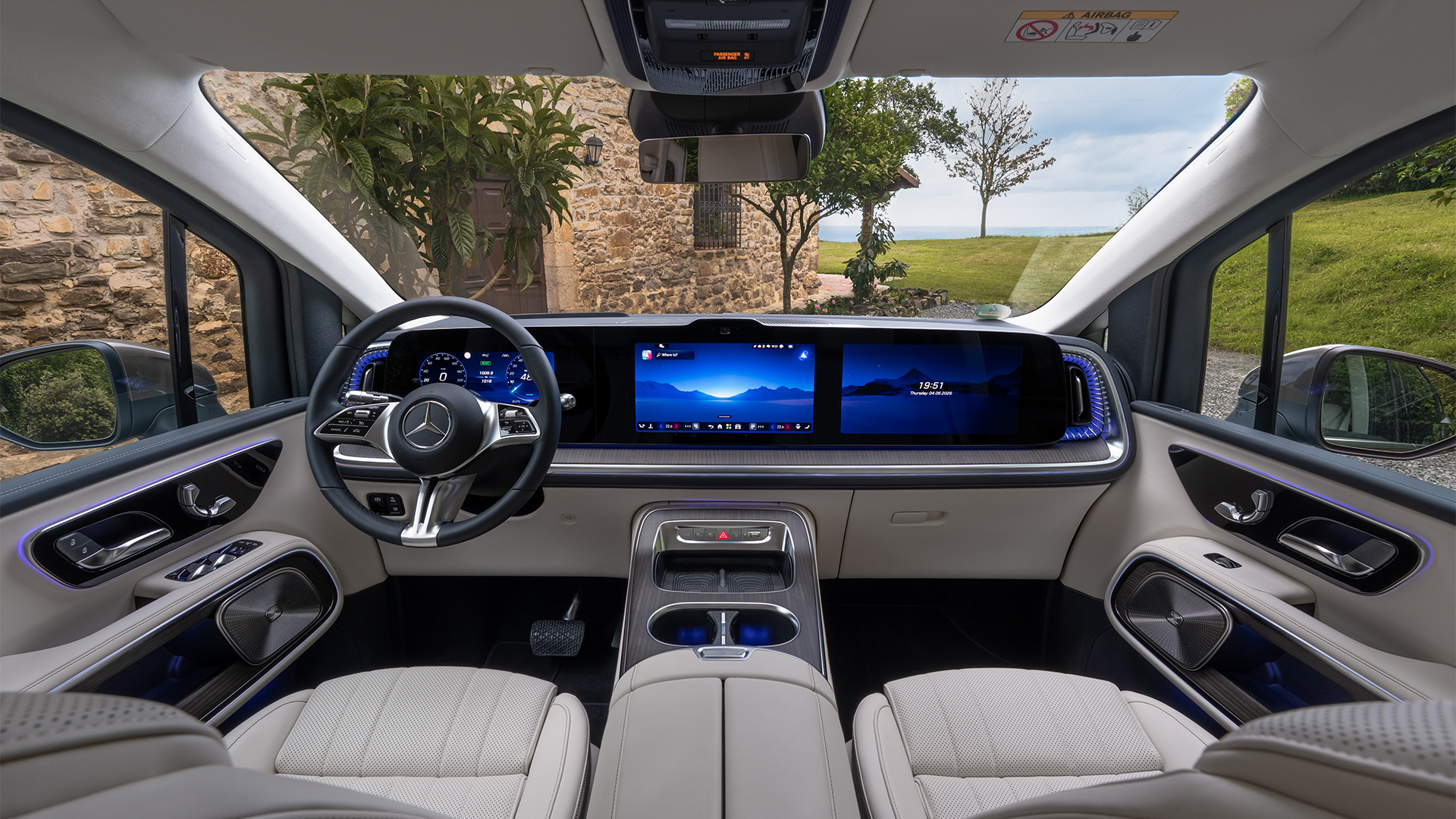
The Interior: A Sanctuary of Modularity and Technology
The interior of the VLE is where the "Grand Limousine" moniker truly earns its keep. Mercedes-Benz has focused on two distinct pillars: digital immersion and physical flexibility.
The Digital Cockpit
For the driver and front passenger, the dashboard can be equipped with the MBUX Superscreen. This glass-encased array of displays spans the entire width of the cabin, integrating the instrument cluster, a central infotainment hub, and a dedicated passenger screen. The system runs the latest Mercedes-Benz Operating System (MB.OS), featuring AI-driven voice commands and augmented reality navigation.
The Rear Passenger Experience
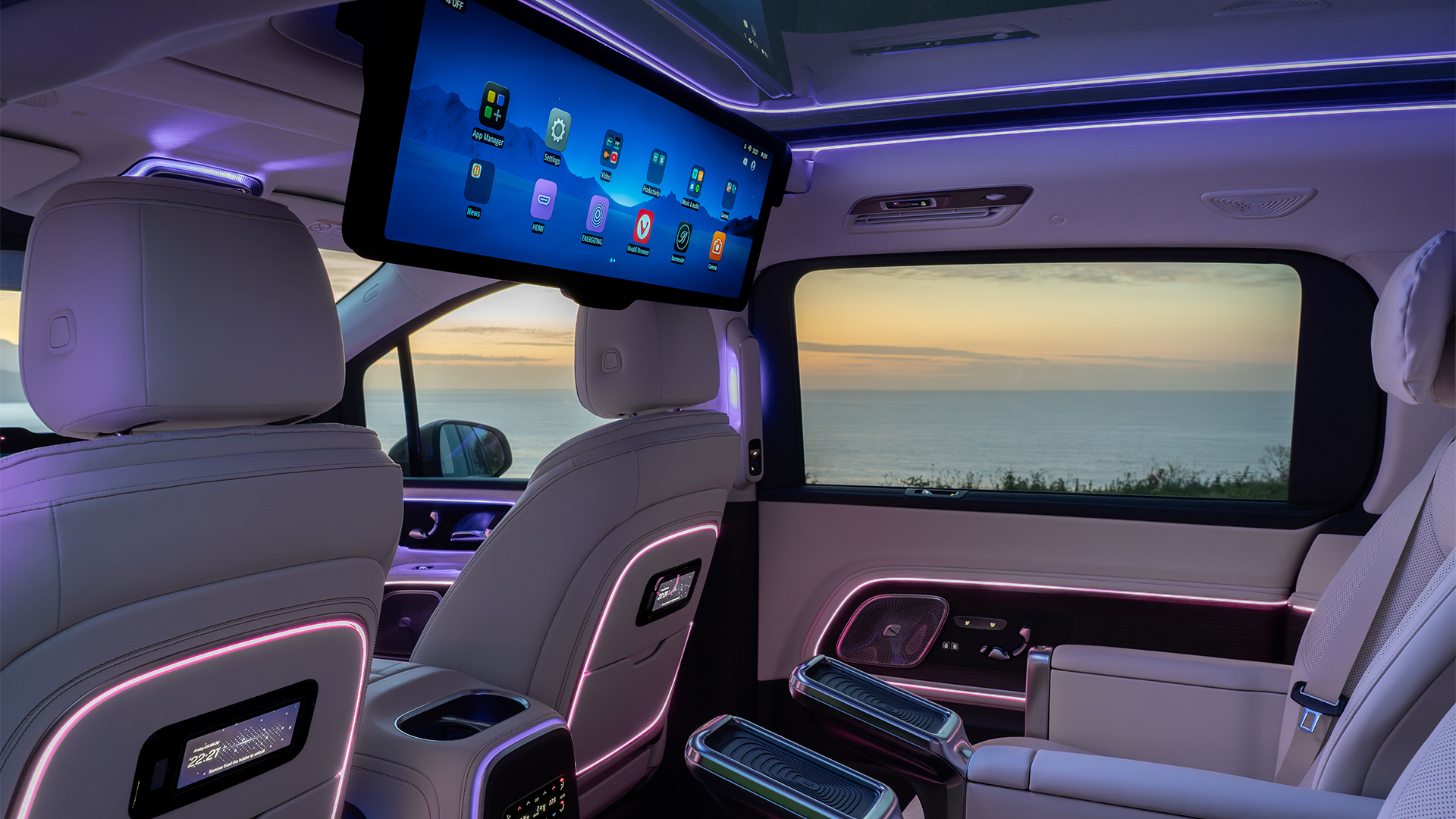
The rear cabin can be configured into a mobile cinema or a high-stakes boardroom.
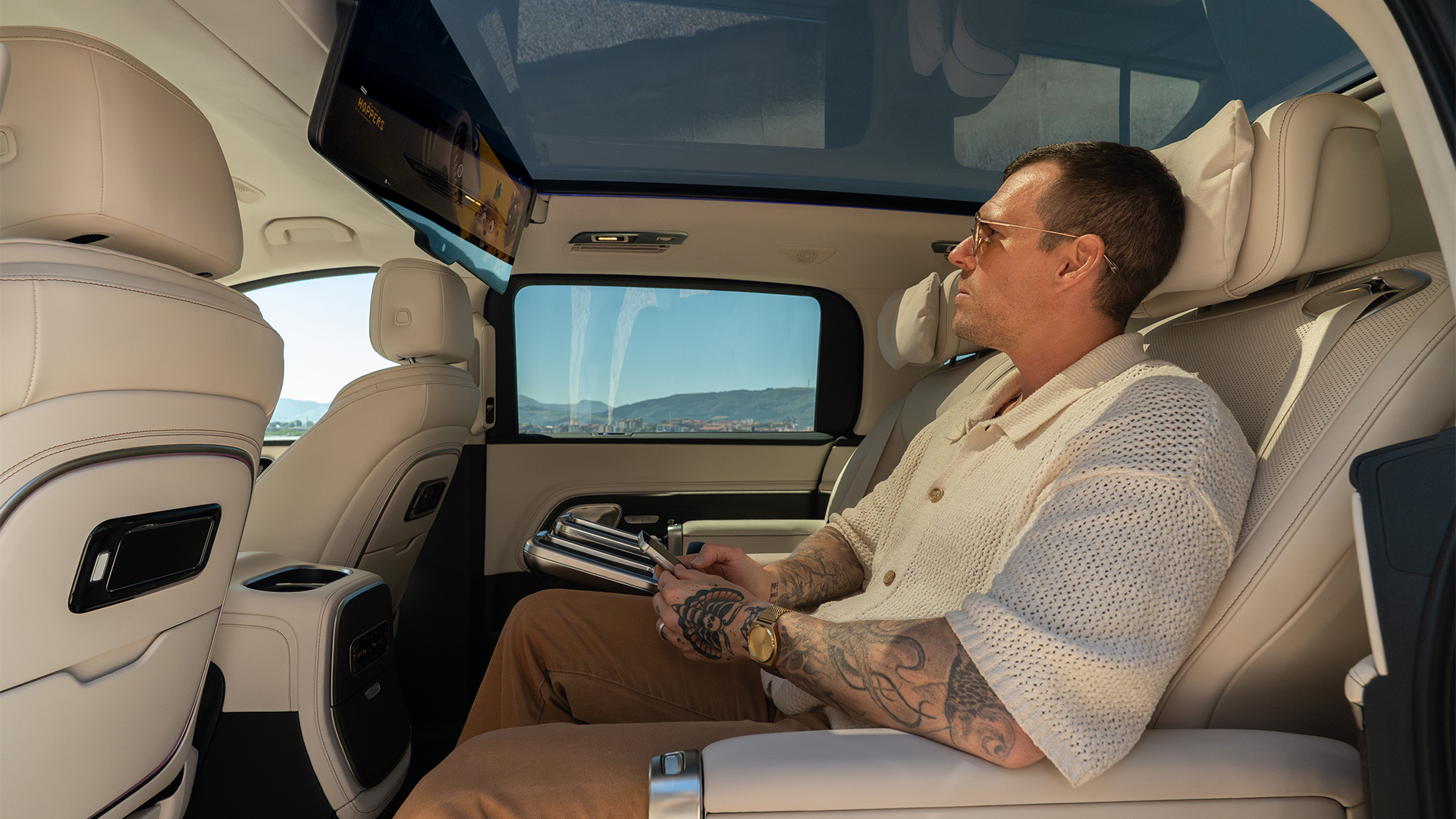
- Entertainment: An optional 31.3-inch 8K widescreen display deploys from the headliner. Combined with a Burmester surround-sound system, it transforms the rear into a private theater.
- Privacy: At the touch of a button, electronic privacy curtains rise on the side windows, and sunshades block the rear glass, creating a secluded environment for celebrities or high-profile executives.
- Personalization: The center console is modular, offering options for wireless smartphone pads or a temperature-controlled storage unit capable of chilling champagne or warming pastries.
The "Roll & Go" Innovation
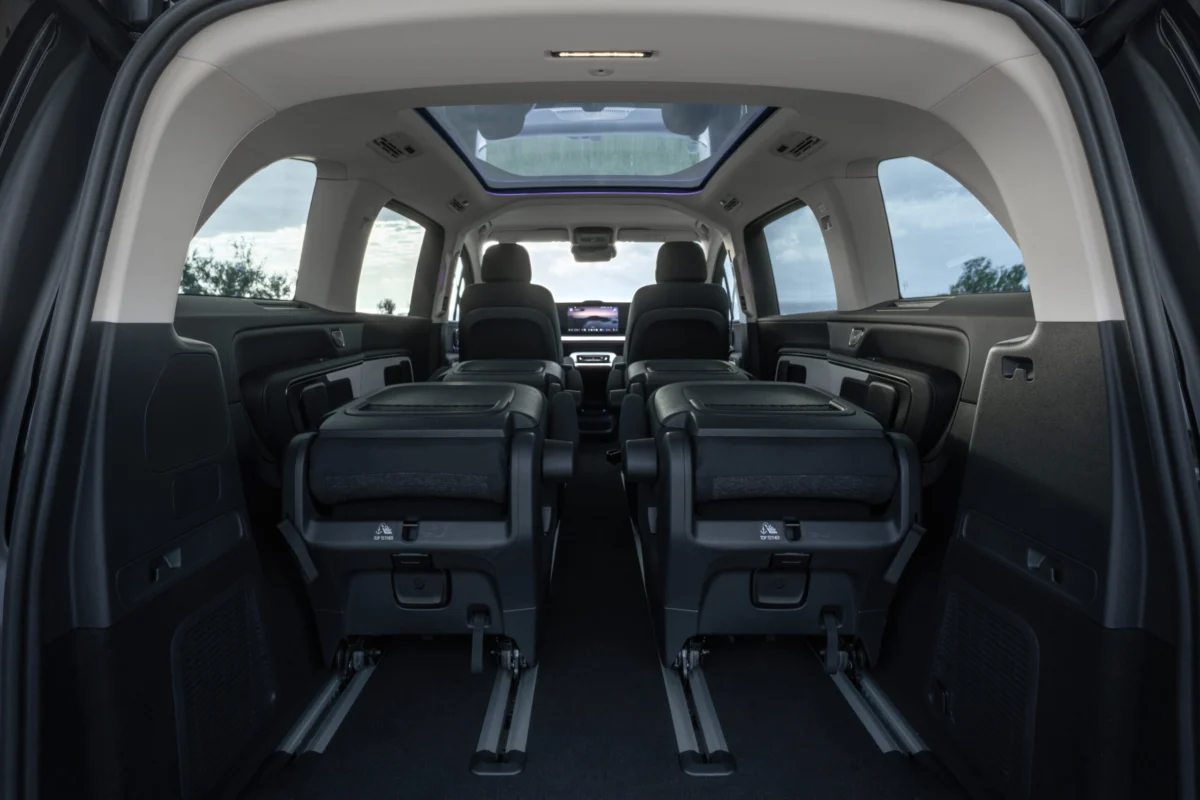
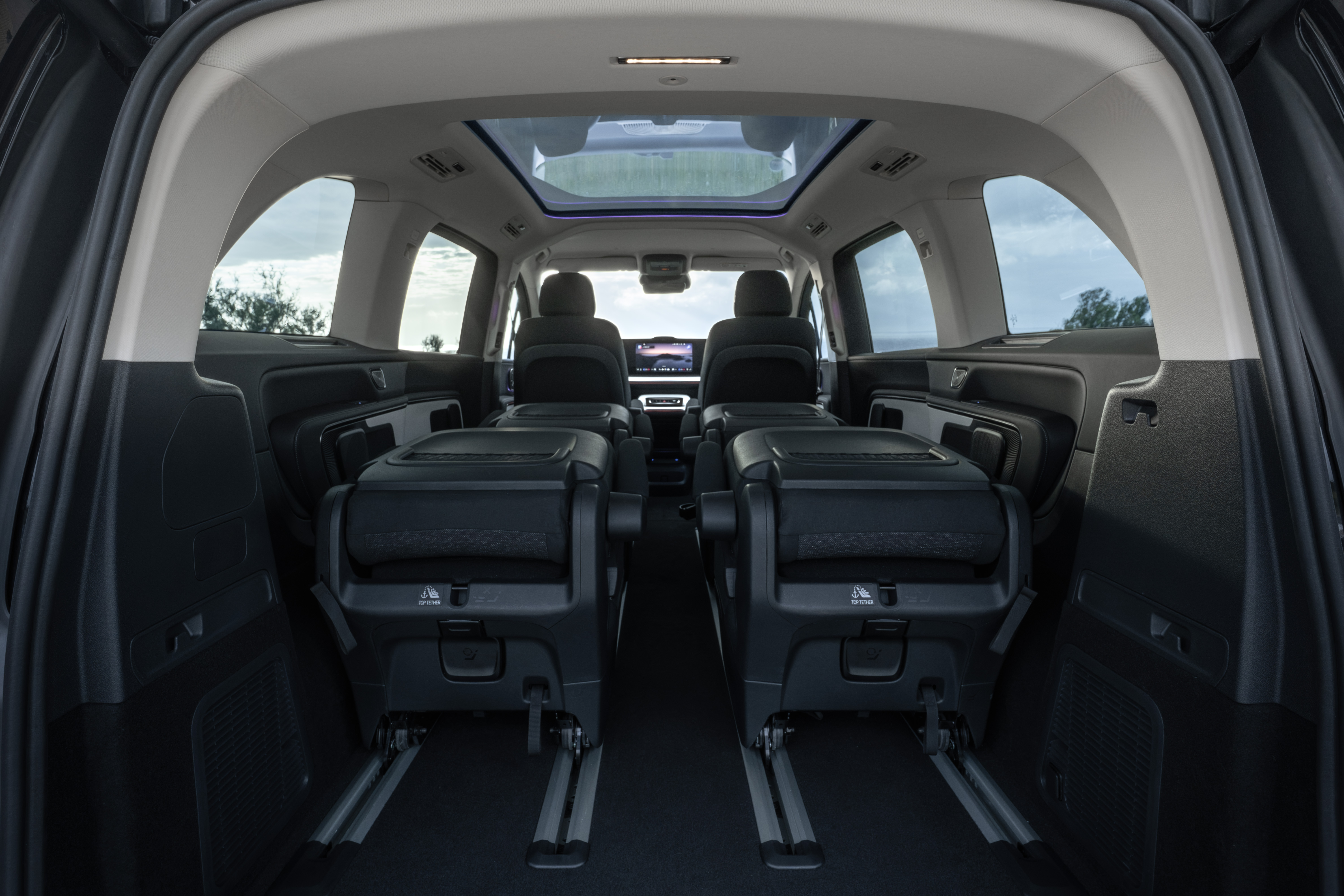
Perhaps the most practical engineering feat is the "Roll & Go" seating system. Recognizing that owners often need to switch between passenger transport and cargo hauling, Mercedes-Benz designed the rear seats with integrated wheels. Each seat weighs 27 kg, but once unlatched from the floor rails, they can be rolled out of the vehicle and into a garage with minimal effort. This solves a long-standing pain point for van owners who previously struggled with the immense weight of luxury seating.
Official Responses and Strategic Positioning
Mercedes-Benz executives have been vocal about the VLE’s role in their "Luxury First" strategy. By pricing the vehicle in the six-figure range (when highly optioned), the company is prioritizing profit margins over sheer volume.
"The VLE is not a van; it is a statement of how we perceive the future of high-end mobility," said a spokesperson for Mercedes-Benz Vans. "We have taken the learnings from our flagship EQS and S-Class and applied them to a form factor that offers unparalleled space. It is the ultimate vehicle for those who refuse to choose between luxury and utility."
The Competitive Landscape:
The VLE enters a market that is suddenly becoming crowded.
- Volkswagen ID Buzz: While iconic and more affordable, the ID Buzz lacks the VLE’s ultra-luxury finish and falls short on range (averaging 250 miles).
- Kia PV5: Recently praised for its "Concept EV" aesthetic and modularity, the Kia is aimed more at the "prosumer" and tech-savvy business market rather than the high-luxury limousine sector.
Mercedes-Benz is banking on the "Three-Pointed Star" prestige to maintain its dominance in the airport-transfer and executive-shuttle markets, where the brand is already the de facto standard.
Implications: The Future of "Van Life" and Urban Logistics
The arrival of the VLE has broader implications for the automotive market and urban environments.
1. The End of Range Anxiety for Commercial Livery:
With a 400+ mile range, the VLE effectively eliminates the "range anxiety" that has prevented many limo companies from switching to electric fleets. A driver can now complete a full day of airport transfers or a long-distance inter-city trip without needing a mid-day charge.
2. The Gentrification of the Van:
The VLE accelerates the "gentrification" of the MPV. As SUVs become increasingly common, the ultra-wealthy are turning to bespoke vans for more "discreet" luxury and significantly more interior volume. The VLE provides a factory-built alternative to the expensive aftermarket conversions (like those from Brabus or Lexani) that have been popular in recent years.
3. Accessibility via LFP Technology:
While the launch models are expensive, Mercedes-Benz has confirmed that a smaller 80 kWh battery version using Lithium Iron Phosphate (LFP) chemistry will arrive next year. This model will likely lower the entry price, making the "Grand Limousine" experience accessible to a wider range of families and small businesses.
4. Urban Maneuverability:
The inclusion of rear-wheel steering on a vehicle over 5.3 meters long is a game-changer for urban logistics. By allowing the VLE to make a U-turn in the width of a tennis court, Mercedes-Benz has ensured that its largest passenger vehicle remains viable in the narrow streets of London, Paris, and Tokyo.
Conclusion
The Mercedes-Benz VLE represents a bold bet that the future of luxury is not just electric, but expansive. By combining the range of a long-distance cruiser with the interior tech of a private jet, Mercedes-Benz has successfully redefined the MPV. While the price tag remains a barrier for the average consumer, the VLE sets a new high-water mark for what an electric "Grand Limousine" can—and should—be. For those who live the #vanlife at the highest level, the fossil-fuel era has officially been left in the rearview mirror.