The Ever-Expanding Labyrinth: How the Backrooms Phenomenon is Rewriting History and Inspiring a New Wave of Digital Art
The cinematic adaptation of "The Backrooms," released by A24, has emerged as one of the year’s most significant breakout hits, raking in over $380 million globally. This unlikely success story, born from an anonymous 2019 creepypasta, has not only captivated audiences but also ignited a fervent resurgence of interest in an internet legend that has fostered a vibrant community of digital artists and creators. At the heart of this phenomenon is director Kane Parsons, who himself began his journey as a creator by posting his Blender-animated "Backrooms" YouTube series in 2022. Now, as the film’s success reverberates, the expansive Backrooms community is buzzing with fresh ideas, particularly for a potential sequel, often drawing inspiration from the concept of the labyrinth existing not just in our time, but across all of human history.
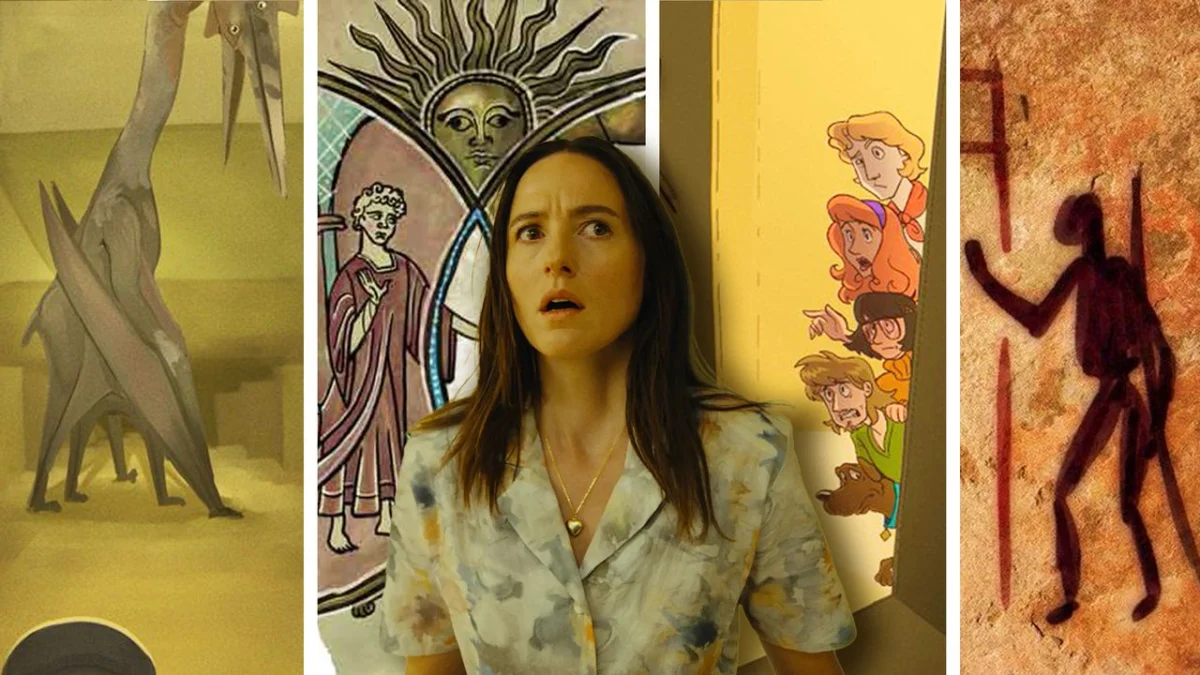
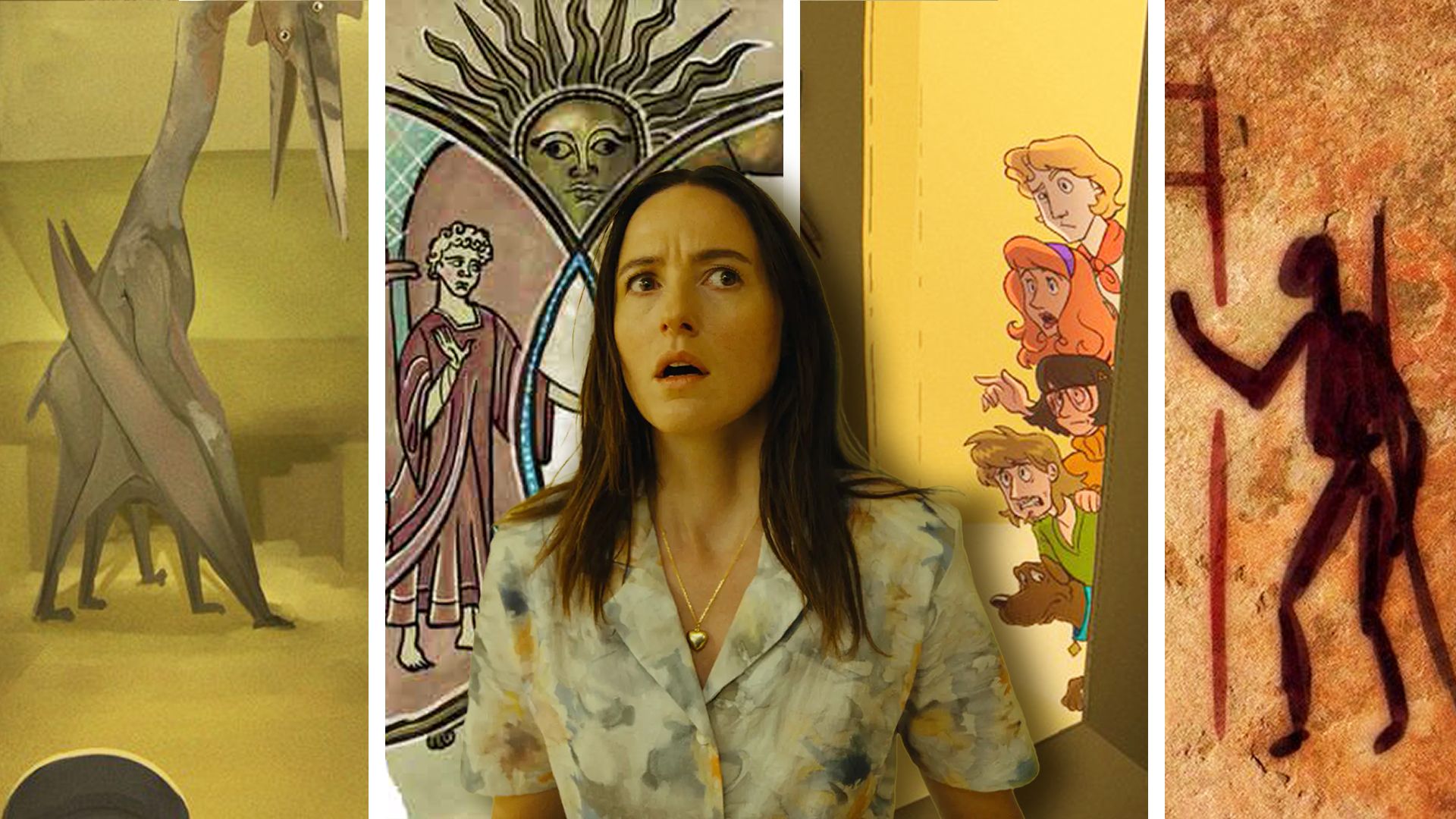
While the original photograph that sparked the Backrooms craze has been traced to an abandoned furniture store in Wisconsin, creative minds have embraced a far grander, more ancient interpretation. Fans are exploring the notion that the Backrooms predate modern human existence, perhaps even existing before life itself walked the Earth. This expansive lore has fueled a viral trend across social media, where artists are reinterpreting the unsettling, yellow-hued liminal space within myriad historical settings and artistic styles. From prehistoric cave paintings to ancient Egyptian hieroglyphs, from medieval illuminated manuscripts to depictions of the time of dinosaurs, the Backrooms are being reimagined through the lens of different eras, proving the enduring power of this enigmatic concept.
From Creepypasta to Cinematic Blockbuster: The Genesis of a Modern Myth
The Backrooms phenomenon is a testament to the power of collaborative storytelling and the internet’s ability to spawn entirely new forms of folklore. What began as a single, unsettling image shared on an online forum in 2019 has evolved into a sprawling narrative universe with a dedicated global following. The original creepypasta described an endless maze of empty rooms with buzzing fluorescent lights and damp carpets, a place one "noclips" into from reality, forever trapped in a liminal purgatory. This evocative, yet simple, premise resonated deeply, tapping into primal fears of being lost, isolated, and disconnected.
The transition from internet legend to mainstream cinematic experience was spearheaded by Kane Parsons, a young filmmaker who gained early traction with his self-produced "Backrooms" short films on YouTube. Utilizing the powerful 3D animation software Blender, Parsons crafted a series of shorts that brought the unsettling atmosphere of the Backrooms to life with a chilling authenticity. His work, often lauded for its raw intensity and inventive visual storytelling, captured the imagination of a generation, proving that a compelling concept, executed with skill and passion, could transcend its digital origins.
A24, a studio renowned for its embrace of auteur-driven and often unconventional cinematic projects, recognized the potent appeal of Parsons’ vision and the broader Backrooms lore. Their investment in a feature film adaptation, with Parsons at the helm, marked a significant milestone, validating the internet-born narrative as a legitimate and commercially viable storytelling medium. The film’s impressive box office performance is not merely a financial success; it signifies a cultural moment, demonstrating the growing influence of online communities and emergent storytelling formats on the traditional entertainment industry.
A Historical Tapestry of Terror: The Viral Trend Reimagining the Backrooms
The success of the A24 film has, in turn, amplified the creativity of the Backrooms community. A particularly captivating trend has emerged across social media platforms, with artists embracing the concept of the Backrooms existing across different historical epochs. This imaginative leap has seen the familiar yellow-toned, uncanny spaces recontextualized through the visual languages of various eras.
The trend gained significant momentum with a notable post from "Project Crater" on X (formerly Twitter). This sparked a cascade of interpretations from artists worldwide, each contributing their unique perspective to the evolving Backrooms canon. These artists are not just replicating the aesthetic; they are actively engaging with historical art styles to imagine how people from different periods might have perceived or depicted such a place.
H2: Visualizing the Unseen: A Chronological Exploration of the Backrooms
The artistic exploration of historical Backrooms is a rich and diverse field, offering a fascinating glimpse into how this modern myth can be woven into the fabric of human history.
-
Prehistoric Perceptions: Imagine the Backrooms rendered in the raw, evocative style of cave paintings. Rough, earthy pigments might depict the endless corridors, with figures huddled together, their rudimentary art conveying a sense of primal fear and disorientation in the face of an incomprehensible, inescapable space. The concept here is that even early humans, with their limited understanding of the world, might have experienced or conceived of such unsettling "in-between" places.
-
Ancient Egyptian Enigmas: In the style of Egyptian tomb paintings, the Backrooms could be depicted with their characteristic flat perspectives and symbolic imagery. The hieroglyphic texts surrounding the scenes might offer cryptic warnings or explanations, suggesting that the Egyptians, with their complex beliefs about the afterlife and other realms, might have incorporated the Backrooms into their cosmology. The repetitive patterns and stylized figures would lend themselves well to the monotonous architecture of the Backrooms.
-
Medieval Mysteries: The intricate detail and often spiritual or allegorical nature of medieval art provide another fertile ground for Backrooms interpretations. Illuminated manuscripts could feature travelers stumbling upon these strange, unsettling chambers, their quests for spiritual enlightenment or earthly passage interrupted by the disorienting labyrinth. The Gothic aesthetic, with its sense of grandeur and underlying unease, could be a natural fit for a medieval Backrooms.
-
Renaissance Realism (with a Twist): While the Renaissance celebrated humanism and naturalism, the Backrooms could represent a stark contrast to its idealized portrayals. Imagine a meticulously rendered scene in the style of a Dutch Master, where a lone figure is trapped in a hyper-realistic, yet unnervingly empty, Backrooms setting. The play of light and shadow, a hallmark of Renaissance painting, could be used to amplify the eerie atmosphere.
-
The Age of Dinosaurs: This is where the concept truly stretches the bounds of human experience. Since no human has ever witnessed a live dinosaur, depictions of the Backrooms in this era often rely on artistic interpretations of prehistoric life as understood through later eras. One compelling interpretation suggests that the Backrooms, being tied to human memory and perception, would struggle to accurately render creatures that no human eye has ever seen. Thus, dinosaurs might appear as stylized, almost mythical beasts, reflecting an 1800s artist’s interpretation rather than a scientifically accurate portrayal. This adds another layer to the lore, suggesting the Backrooms’ limitations in manifesting realities beyond human recollection.
-
17th Century Dutch Still Lifes: Further exploring the idea of historical art styles, the Backrooms can be imagined as a unsettling still life. Imagine the characteristic vanitas motifs – skulls, decaying fruit, fleeting moments – juxtaposed with the sterile, unending geometry of the Backrooms. This would create a powerful commentary on mortality and the ephemeral nature of existence, framed within the suffocating confines of the labyrinth.
-
Victorian Era Unease: The Victorian era, with its fascination for the macabre, the spiritual, and the psychological, is a natural fit for the Backrooms. Imagine sepia-toned photographs or detailed etchings depicting individuals lost in dimly lit, wallpapered corridors, hinting at the burgeoning psychological anxieties of the time.
These diverse artistic interpretations, often created using modern 3D modelling software like Blender – the very tool used by Kane Parsons for his original YouTube series – demonstrate the community’s deep engagement with the Backrooms concept. The trend not only adds visual richness but also expands the lore, suggesting that the Backrooms are not a singular entity but a pervasive, timeless phenomenon that has manifested in various forms throughout human history.
Supporting Data: The Growth of the Backrooms Ecosystem
The impact of the Backrooms extends far beyond its cinematic success. The phenomenon has cultivated a thriving digital ecosystem, fostering a continuous stream of creative output:
-
YouTube’s Enduring Appeal: Kane Parsons’ original YouTube series remains a cornerstone of the Backrooms phenomenon. These short films, often characterized by their raw, DIY aesthetic and intense atmosphere, laid the groundwork for the cinematic adaptation and continue to attract new viewers. The platform serves as a vital hub for fan-made content, including animations, short films, and explorations of the lore.
-
Social Media’s Amplification: Platforms like X, Reddit, and TikTok have become crucial for disseminating Backrooms content and fostering community discussion. The viral historical trend, as highlighted, is a prime example of how social media can rapidly propel creative interpretations into the mainstream. Hashtags like #Backrooms consistently trend, connecting artists and fans globally.
-
Fan Fiction and Lore Expansion: Beyond visual art, a significant body of fan fiction, wikis, and collaborative lore documents has emerged. These resources delve into the intricacies of the Backrooms, exploring different levels, entities, and narrative arcs, further enriching the universe established by the original creepypasta and subsequent adaptations.
-
The Role of 3D Modelling Software: The accessibility and power of 3D modelling software like Blender have democratized the creation of Backrooms content. This has allowed a new generation of artists and filmmakers to bring their visions to life without the need for traditional studio resources, fostering innovation and diversity within the community.
Official Responses and Future Implications
The burgeoning success of "The Backrooms" has naturally led to discussions about its future, particularly regarding potential sequels and the expansion of its narrative universe. Kane Parsons himself has expressed a desire to develop "The Backrooms" into an anthology series, allowing for diverse interpretations and stories within the established framework. Recent reports suggest he is actively seeking a screenwriter to collaborate with, hinting at a deliberate effort to flesh out the narrative and explore new creative avenues.
The concept of a "Backrooms through time" has gained significant traction among fans, and it’s a direction that aligns perfectly with the anthology approach. Such a sequel could delve into the historical interpretations that have become so popular within the online community, offering a visually and conceptually rich exploration of the Backrooms’ pervasive nature.
However, the question of copyright surrounding "The Backrooms" has been a point of contention. While the original creepypasta is widely considered to be in the public domain, A24’s film and associated intellectual property have raised complex legal issues. This has led to discussions about ownership and the rights of other creators to produce their own "Backrooms" content, particularly prequels or alternate timelines that explore different historical eras. The ambiguity surrounding copyright could, paradoxically, foster even more independent creativity, as other creators are free to build upon the foundational lore without direct ties to the studio’s established narrative.
The possibility of a "Backrooms" sequel exploring historical settings is not merely speculative. The trend has demonstrated a clear audience appetite for such interpretations, and the inherent nature of the Backrooms as a potentially timeless, omnipresent space lends itself perfectly to such a narrative. Imagine a film that weaves together disparate historical vignettes, each showcasing a different era’s encounter with the unsettling liminality of the Backrooms. This could offer a unique and compelling cinematic experience, expanding the mythos in a way that resonates with both existing fans and a broader audience.
Furthermore, the trend has even seen whimsical crossovers, such as an artist imagining Scooby-Doo characters lost in the Backrooms. This playful integration of beloved characters into the unsettling universe highlights the adaptability and imaginative potential of the Backrooms concept. With the ongoing interest in animated Scooby-Doo projects, such a creative crossover might not be as far-fetched as it initially seems.
Ultimately, the Backrooms phenomenon is a powerful example of how internet culture can birth enduring myths and inspire a new generation of artists. Its transition from a simple creepypasta to a globally recognized cinematic entity, coupled with the vibrant creative energy of its online community, suggests that the labyrinth of the Backrooms is only just beginning to reveal its many, and perhaps timeless, corridors. The future of "The Backrooms" promises to be as unpredictable and fascinating as the concept itself, with the potential for endless creative exploration across time and space.