Scott Lynch on New Ventures, Industry Shifts, and the Long-Awaited Return to Emberlain
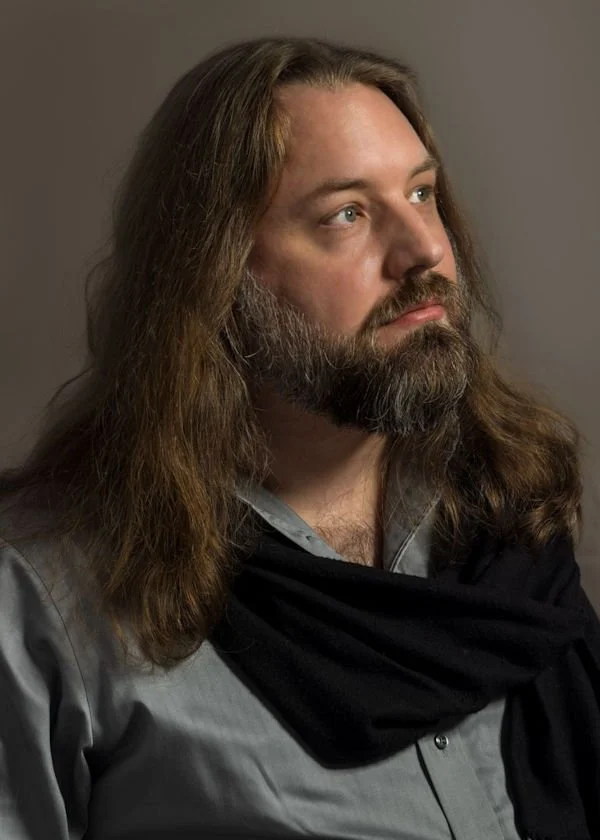
BOSTON, MA – The annual ReaderCon, a revered, intimate gathering for speculative fiction writers and enthusiasts just north of Boston, recently hosted a candid and wide-ranging discussion with acclaimed fantasy author Scott Lynch. Known for his critically celebrated "Gentleman Bastard Sequence," Lynch offered rare insights into his current projects, including a surprising foray into live performance, the evolving landscape of the publishing industry, and a highly anticipated update on the fourth installment of his series, The Thorn of Emberlain. The interview, conducted amidst the convention’s uniquely sub-arctic air-conditioning, revealed a deeply thoughtful and remarkably transparent author grappling with the pressures of his craft and the complexities of public life.
Twelve years after a brief, fan-to-author encounter at a London WorldCon, this latest meeting presented a different Scott Lynch. While his quick wit and profound analytical mind, evident in his intricate narratives, remained undiminished, a palpable weariness underscored his easy smile. This interview, delving into the personal struggles that have shaped his recent years, served as a testament to Lynch’s commitment to honesty, a theme he believes offers not only personal liberation but also a powerful connection with his dedicated readership. As a trigger warning, the conversation openly addresses themes of depression and anxiety, handled with a sensitivity that aims to foster healing and shared understanding.
Cultivating Connection: The Free Fiction Archive and the Modern Author-Fan Dynamic
One of Lynch’s most intriguing new initiatives is his Free Fiction Archive, a centralized online repository for his previously scattered short stories. This project, he explained, stems from both pragmatic and philosophical motivations. "I’ve reached a point where I’ve got about, I don’t know, ten or eleven published short stories, and the vast majority of them have been either printed or reprinted online," Lynch stated, noting their fragmented availability across various platforms. "I figured I might as well just create a centralized clearing house where people can find almost all of my stuff. Nice and easy, under one banner, one place."
Beyond convenience, the archive reflects a broader shift in his approach to reader engagement and the economics of short fiction. Lynch is forthright about the limited financial returns from individual short story sales. "I don’t make my money screwing it ¢30 at a time out of people by charging for short stories. That’s gatekeeping to the maximum possible financial exclusiveness," he asserted. "There’s no artistic or social or even financial good in that for anybody. So, I might as well just also offer the free versions because people are either going to pay for them or they’re going to pirate them. And if they’re just going to pirate them, I might as well make it easy for them."
This philosophy extends to a broader critique of authors hoarding their work. Lynch champions the idea of "letting them out," emphasizing that "a story that’s sitting in a vault, even an electronic vault, not doing anything, is doing you no good, it’s doing readers no good, it’s doing the world no good." The interviewer, Lyndsey, highlighted the reciprocal nature of this generosity: offering free content can foster loyalty and encourage readers to explore an author’s wider catalog. Lynch acknowledged this strategic aspect with a wry laugh, conceding that while not "completely insane," it reminds people he’s "alive" and, hopefully, inspires them to "buy everything else he ever publishes without question!"
The conversation naturally segued into the evolving relationship between authors and their fans in the digital age. Platforms like Reddit and BookTok have created a "para-sociality" that was largely absent decades ago, allowing authors like Brandon Sanderson and Matt Dinniman to cultivate direct, intimate connections with their audience. Lynch sees his Free Fiction Archive as one such "little thing you can do to foster a closer relationship," a shrewd business move in an increasingly competitive landscape.
However, this increased accessibility also necessitates boundaries. Lynch describes his public persona as "real, but it’s also edited." He avoids sharing every mundane detail of his life, preferring to present a curated "good parts version" rather than the often-unrealistic "magic author lifestyle" portrayed by some social media figures. This careful balance, he believes, is crucial for both personal well-being and maintaining an authentic, yet professional, presence.
A Theatrical Turn: From Page to Stage with "The Tower of the Wizard"
Perhaps the most unexpected revelation from Lynch was his recent foray into live theatrical performance with The Tower of the Wizard. This project is a live adaptation of his short story, "The Fall and Rise of the House of the Wizard Malkuril," a piece originally written for Gardner Dozois’s anthology, The Book of Magic. Lynch refers to it as a "performance reading," drawing inspiration from the dramatic readings of 19th-century literary giants like Charles Dickens, who famously packed auditoriums for hours-long sessions.
Lynch’s fascination lies in the raw, immediate energy of live performance, a quality he considers "irreducible" and impervious to replacement by machines or corporate machinations. His inspiration was further cemented by Derek DelGaudio’s In and of Itself, a show that blended magic, spoken word, and a profound exploration of identity. This experience ignited in Lynch a desire to harness the "playfulness, that sense of excitement, that sense of tension" unique to live events, where the possibility of both brilliant success and spectacular failure holds equal allure.
He envisions a higher caliber of literary readings, moving beyond the "acoustically poor bookstores" and convention backrooms to "actual theatrical environment[s]" with proper lighting and acoustics. While not disparaging the existing culture of readings, he aims to elevate the experience, taking it "to the next level."
Despite his lack of formal theatrical training—aside from eight years of live-action role-playing (LARPing) in his youth—Lynch is committed to improving his craft. He admits he’s "probably never going to be a full and proper actor," but he’s confident enough to charge a modest ticket price. He highlights the distinct energy exchange between performer and audience, a stark contrast to the solitary act of writing. While he conceives of himself as "performing for an audience even when I’m all by myself" at the keyboard, the immediate feedback of a live crowd creates a dynamic feedback loop that he finds exhilarating.
Lynch is not content to merely read from a tablet. He integrates gestural elements, timing, and cadence, and in the story’s climactic moments, he sheds the script entirely, declaiming directly to the audience. He’s also exploring ancient memorization techniques, like the memory palace, as he navigates the challenges of stage performance while acknowledging the realities of aging.
Looking ahead, Lynch has ambitious plans for his next performance. He envisions a hybrid show combining spoken word, card trickery, and mentalism, where the narrative of thieves in a "shadow world of crime and nightclubs" is dictated by the random draw of a deck of cards, ensuring each performance is unique. This experimental approach, he acknowledges, carries the risk of failure, a common and healthy part of any creative endeavor. As a friend in the Renaissance Faire circuit once told his interviewer, "The first thousand shows that you do are gonna be shit." Lynch embraces this learning curve, seeing the "recovery process" from potential missteps as a "useful, healthy mental exercise."
Persistence in an Unfair Game: Advice for Aspiring Writers
Lynch’s journey to publication spanned "about eleven years of serious effort," a period often overlooked in the celebratory narratives of success. When asked for advice for those currently in this challenging phase, his response was empathetic yet stark: "understand that it sucks, and I say this with all sympathy." He cautions against the romanticized notion that success magically erases hardship, emphasizing that the "grass is never greener on the other side."
His core advice revolves around two critical concepts: "staying in the game" and, perhaps surprisingly, "keeping to a schedule." Lynch underscored the profound impact of consistency, citing an anecdote about the New York Philharmonic’s dramatic increase in bookings after simply publishing their entire season’s schedule in advance. "Whatever that fucking schedule is, when you say something is gonna come out, getting it out, and doing so regularly," he stressed. This predictability, he argues, is a fundamental "builder of opportunities" and essential for maintaining reader awareness and "building a brand."
Lynch candidly reflected on his own struggles with this, acknowledging that his battles with depression and anxiety actively interfered with his ability to meet deadlines. While understanding the "reasons for failing," he insists they "should not become excuses." He expressed regret for the "disappointing people, frustrating the people I work with, frustrating the people I’m contracted with" due to delays. This personal experience reinforces his belief that consistency is paramount for long-term viability in a commercial career.
The modern publishing landscape, Lynch noted, is "strange" and increasingly "algorithmically controlled." He laments the demise of organic reach on platforms like Twitter, replaced by opaque algorithms that dictate visibility. He argues that authors must find "more intelligent ways to fight" in this unfair environment, stressing the need for personal connection and a lasting brand. Initiatives like his Free Fiction Archive and live readings are, in his view, not just artistic endeavors but also "valid commercial approach[es]" that leverage the "humanity" of the author as a selling point.
He also cautioned against the illusion of a past "pristine and magic time when money fell from the sky." The publishing industry, he explained, undergoes significant changes every five years or so. The industry he entered in 2004, with the sale of The Lies of Locke Lamora, barely resembles today’s landscape, transformed by Amazon, ebooks, and audiobooks. Furthermore, he highlighted the recent destruction of synergy between publishing, film, and TV, where once successful models like Game of Thrones‘ multi-platform breakout are now nearly impossible to replicate. The current streaming model, demanding blockbuster-level hits from short seasons and often canceling promising shows prematurely (like The Wheel of Time, in his opinion), creates an incredibly challenging environment for creators.
The Long-Awaited Return: The Thorn of Emberlain and the Road to Emberlain
The conversation inevitably turned to The Thorn of Emberlain, the much-anticipated fourth book in the "Gentleman Bastard Sequence." Lynch acknowledged the significant delay, but provided reassuring updates on its progress.
Before Thorn‘s release, readers can expect a "Road to Emberlain Trilogy" of novellas: More Than Fools Fill Graves, The Mad Baron’s Mechanical Attic, and The Choir of Knives. These novellas, originally commissioned by Subterranean Press, will bridge the narrative gap between The Republic of Thieves (book three) and The Thorn of Emberlain. Lynch emphasized that these ancillary stories are designed to "enhance and enrich the experience" but are not essential for understanding the main sequence. He strongly dislikes series that force readers to consume numerous tie-in books to follow the core plot, a common issue in comic books and some sprawling fantasy sagas. "Be better at writing. That’s how you fix this," he declared, promising that Thorn‘s prologue would also offer sufficient context for those who choose not to read the novellas.
Regarding The Thorn of Emberlain itself, Lynch revealed it has undergone a substantial overhaul since a draft he completed in 2019. The pandemic’s "long, dark, soul-searching times" prompted him to reassess the series’ direction and his own creative interests. This led to a "major overhaul in a couple of places," resulting in a version he’s "much happier with all the character work" and overall cohesion. He cited the critically acclaimed TV series Succession as a significant influence, shifting the book’s focus from "this war is battles" to "the focus of this war is why the hell are people fighting it and the arguments they are having." This emphasis on intricate power struggles and character-driven conflict, reminiscent of the most memorable moments in Game of Thrones, he believes, will resonate strongly with readers.
Lynch estimates he has "twenty thousand to twenty-five thousand words to stitch together, and finish the ending off," before the manuscript goes to his wife, editors, and first readers. While acknowledging the pressure of a prolonged wait, he believes the improvements are substantial. He is acutely aware of the "mentality of like, ‘Gosh, if the book keeps getting better the longer, I don’t turn it in, all I have to do is wait until I’m fucking ninety-five and this will be a masterpiece!’" but recognizes that "at some point, this must end. You must shit or get off the pot."
The Liberating Power of Honesty: Confronting Depression and Anxiety
The profound transparency that has marked Lynch’s public life, particularly concerning his struggles with depression and anxiety, has fostered an unusually strong bond with his readership. He recalled the moment of accidental honesty during a 2010 UK radio interview, where a direct question about his absence led to a pivotal decision. "I had that horrible realization that if I dance around this subject, I’m going to be dancing around it for the rest of my life," he recounted. His candid admission about being a "serious clinical depressive" and its impact on his life, including his divorce, proved unexpectedly liberating.
Lynch carefully sets boundaries, refusing to discuss specific medications or invite public votes on his medical treatment. However, his general openness has been "nothing but beneficial," allowing him to confront his illness rather than conceal it. He shared a poignant realization from his first marriage: mistaking severe dysfunction for mere "artistic eccentricity." This shift in perspective allowed him to seek help and recognize that his struggles were a medical issue, not a character flaw.
He vividly described the isolating feeling of personal failure, whether from divorce or mental illness, only to later discover the widespread prevalence of these conditions. A pivotal moment came from his former editor, who, upon learning of Lynch’s diagnosis, offered not only understanding and flexibility ("We’ll delay the books as long as we need to") but also a crucial perspective: "’Do you think you’re the first depressive author I’ve ever had? Do you think you’re the tenth? Welcome to a commonplace condition for people who are in this situation.’" This revelation, Lynch explained, was incredibly validating.
The mutual support within fandom, where readers defend him against comparisons to other long-delayed authors, stems directly from this honesty. "People in general give you a lot more grace because you are open, and you are honest about your struggles," Lyndsey observed. This transparency has created a reciprocal environment where readers feel comfortable sharing their own experiences, fostering a sense of shared humanity.
Lynch is determined to continue working past his challenges, adopting a "system of living that works" through medication and sensible practices. He acknowledges that the delay of The Thorn of Emberlain has reached "too long" status, a sentiment reinforced by the memory of a 79-year-old fan hoping to finish the series before his time. This deeply personal motivation fuels his current efforts.
Ultimately, Lynch credits his readers for the sustained success of his series. "The success of the series is entirely up to them. It’s entirely the network of people passing the books on to friends, buying extra copies, recommending it over the years," he stated, expressing profound gratitude. While he feels a strong obligation to finish what he started, he also takes solace in the joy his existing work has already provided. He’s confident that Thorn will deliver an emotionally resonant experience, stating, "I’ve been working very, very hard to ratchet the emotional notes to exactly where I think they need to be."
Looking Forward: Beyond Emberlain
In addition to the Free Fiction Archive and the upcoming "Road to Emberlain" novellas, Scott Lynch has a couple of board games in development: We Are Rich in Opportunity (currently in open playtesting) and Happy Hives. Fans can also catch him as the Guest of Honor at JordanCon in Atlanta, GA in 2027. For the most up-to-date news on his activities and releases, subscribing to his Substack is recommended.
Scott Lynch’s journey is a compelling narrative of artistic ambition, personal struggle, and the evolving dynamics of authorship in the 21st century. His candidness not only demystifies the creative process but also builds a powerful bridge of empathy with his audience, reminding us that even the most celebrated authors face challenges, and that shared humanity remains a potent force in an increasingly digital world.
If you or someone you know is struggling with depression or mental health challenges, please reach out for help. In the US, the Suicide & Crisis Lifeline is available 24/7 by calling or texting 988. In the UK, the NHS Hotline is 111. Support is available.