The Unseen Architect: Exploring the Metaphysical Dimensions of Human Consciousness
A chance encounter at a local coffee shop reveals a profound disconnect between academic discourse and everyday understanding of the human spirit, prompting a deeper examination of metaphysical thought.
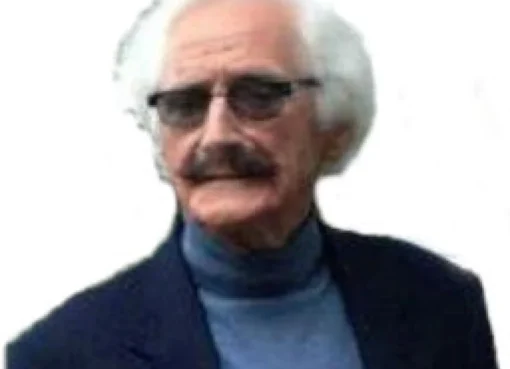
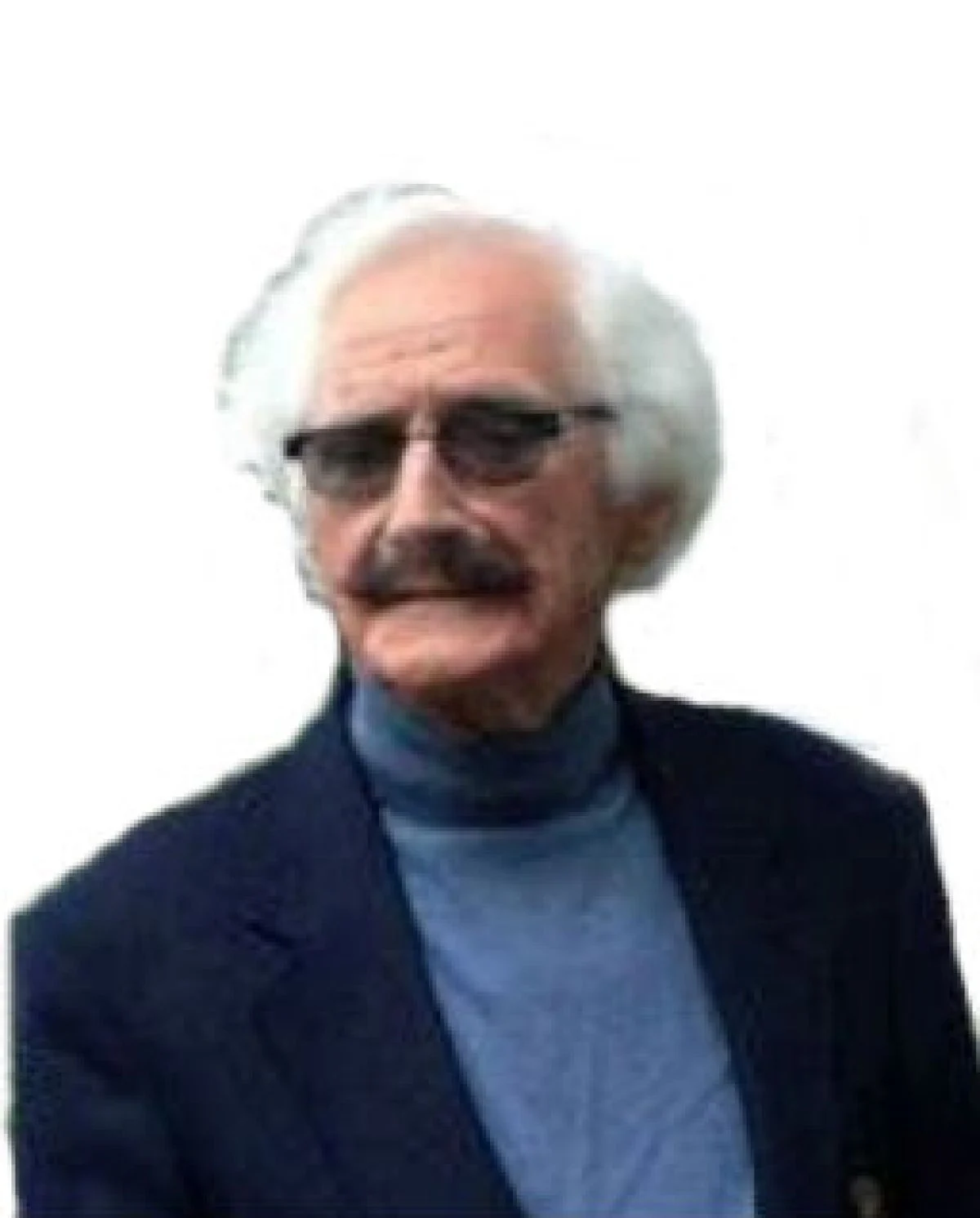
[City, State] – [Date] – In the quiet hum of a neighborhood coffee shop, a retired professor of philosophy and psychology found himself at the center of an unexpected philosophical inquiry. While awaiting his car’s service, the professor, who prefers to remain anonymous, struck up a conversation with two university students. The familiar trajectory of such encounters, he notes, often leads to questions about the meaning of life and the purpose of existence. This particular exchange, however, took a turn towards the esoteric, highlighting a surprising gap in the students’ understanding of fundamental concepts like purpose and the metaphysical.
The professor, drawing upon his decades of academic experience, attempted to articulate the complexities of purpose, acknowledging the historical prevalence of conflict and the ongoing struggles for benevolent and spiritually tolerant attitudes between individuals and nations. Yet, even amidst this sobering reality, he pointed to the powerful influence of altruism, exemplified by organizations like Doctors Without Borders, where dedicated professionals risk their lives out of pure compassion and a profound sense of duty. These individuals, he argued, are driven by something beyond the tangible – the intrinsic human spirit.
The conversation then pivoted to the word "metaphysical," a term that proved to be a linguistic and conceptual hurdle for the students. The professor explained that "metaphysical" refers to a level of consciousness that transcends the purely sensory and empirical, delving into the realm of abstract thought, imagination, and the deeper questions of existence. This exploration of the metaphysical, he suggested, is intrinsically linked to the human spirit and the innate drive to understand the "how" and "why" of our psychological complexities.
The Echoes of Aristotle: Coining the Metaphysical
The professor traced the origins of the term "metaphysical" back to the ancient Greek philosopher and scientist, Aristotle. It was Aristotle who, in his work, designated concepts that existed "after" or "beyond" the physical as "metaphysical." This included the realm of abstract thought, ideas, feelings, intuition, and the very essence of what we perceive as the mind. The professor emphasized that these abstract elements, often described as inspirational and serving the forces of spirit, are instigation points for the soul, representing a fundamental duality in human consciousness.
He posited that human awareness operates on two interconnected levels: the outwardly directed, rational, and sensory brain that processes the physical world, and the inwardly directed, intuitive, and spiritual brain that explores the abstract and existential. Together, these two facets form the partnership we understand as the "mind." However, when he posed a simple question to the students about whether they ever contemplated the unique nature of their own personalities – a question rooted in self-awareness and introspection – he was met with "blank looks." This anecdotal observation underscored the professor’s concern about a potential disconnect between academic pursuits and the cultivation of inner philosophical exploration.
The Silent Dialogue of Consciousness
The concept of metaphysical awareness, the professor elaborated, is akin to a perpetual, silent dialogue within the human consciousness. It is a constant questioning, fueled by our innate imagination, that probes the depths of our psychological makeup. This internal exploration is driven by what has historically been termed "spirit" – a potent, often intangible force that guides our understanding of ourselves and our place in the universe.
The professor highlighted the inherent human drive for understanding, a quest that often leads us to ponder the intangible aspects of existence. This drive, he suggested, is a testament to the enduring power of the human spirit, a force that can transcend the immediate and the observable. The altruistic actions of individuals working in challenging environments, such as those with Doctors Without Borders, are a powerful manifestation of this spirit, demonstrating a profound commitment to humanity that goes beyond personal gain or comfort.
Bridging the Gap: Neuroscience and the Metaphysical
In an effort to provide a concrete, albeit abstract, anchor for his discussion, the professor referenced the work of the late Wilder Penfield, a renowned Canadian neuroscientist and brain surgeon. Penfield, while grappling with the elusive nature of consciousness, famously described the "mind" as a "non-temporal, non-spatial entity." This definition, the professor argued, perfectly encapsulates the metaphysical – a dimension of existence that cannot be measured or confined by the physical constraints of time and space.
Penfield’s description suggests that the mind, and by extension consciousness, operates on a plane that is not bound by the laws of physics as we understand them. This resonates deeply with philosophical and spiritual traditions that have long explored the existence of a realm beyond the material. The professor’s intention was to demonstrate that even within the rigorous scientific discipline of neuroscience, there are acknowledgments of phenomena that defy purely empirical explanation, hinting at the profound mysteries that lie at the heart of human existence.
The Unanswered Questions: Implications for Education and Society
The professor’s encounter, though brief, serves as a poignant reminder of the ongoing challenge in fostering a holistic understanding of human existence. While universities equip students with specialized knowledge and critical thinking skills, there appears to be a lingering gap in cultivating an appreciation for the philosophical and metaphysical dimensions of life. The "blank looks" from the students, while perhaps a reflection of individual curiosity levels, also point to a broader societal tendency to prioritize the tangible and measurable over the abstract and introspective.
The implications of this disconnect are far-reaching. Without a deeper engagement with questions of purpose, meaning, and the nature of consciousness, individuals may struggle to navigate existential challenges, develop robust ethical frameworks, and cultivate a profound sense of connection to themselves and the world around them. The professor’s observation suggests that while scientific and rational inquiry is vital, it should not overshadow the importance of cultivating the imaginative, intuitive, and spiritual aspects of human experience.
In a world increasingly driven by technological advancement and material pursuits, the rediscovery and integration of metaphysical thought could offer a crucial counterpoint. It could encourage a more balanced approach to life, fostering empathy, compassion, and a deeper appreciation for the intangible forces that shape our lives. The seemingly simple act of enjoying a cappuccino can, as this professor’s experience illustrates, open doors to profound philosophical explorations, reminding us that the most significant journeys often begin with a simple question and an open mind. The challenge for educators, parents, and society at large is to create an environment where such questions are not only welcomed but actively encouraged, ensuring that future generations are equipped not just with knowledge, but with wisdom and a deep understanding of the human spirit.