Cultivating Creativity: Authors Embrace Seasonal Rhythms for Sustainable Writing Success
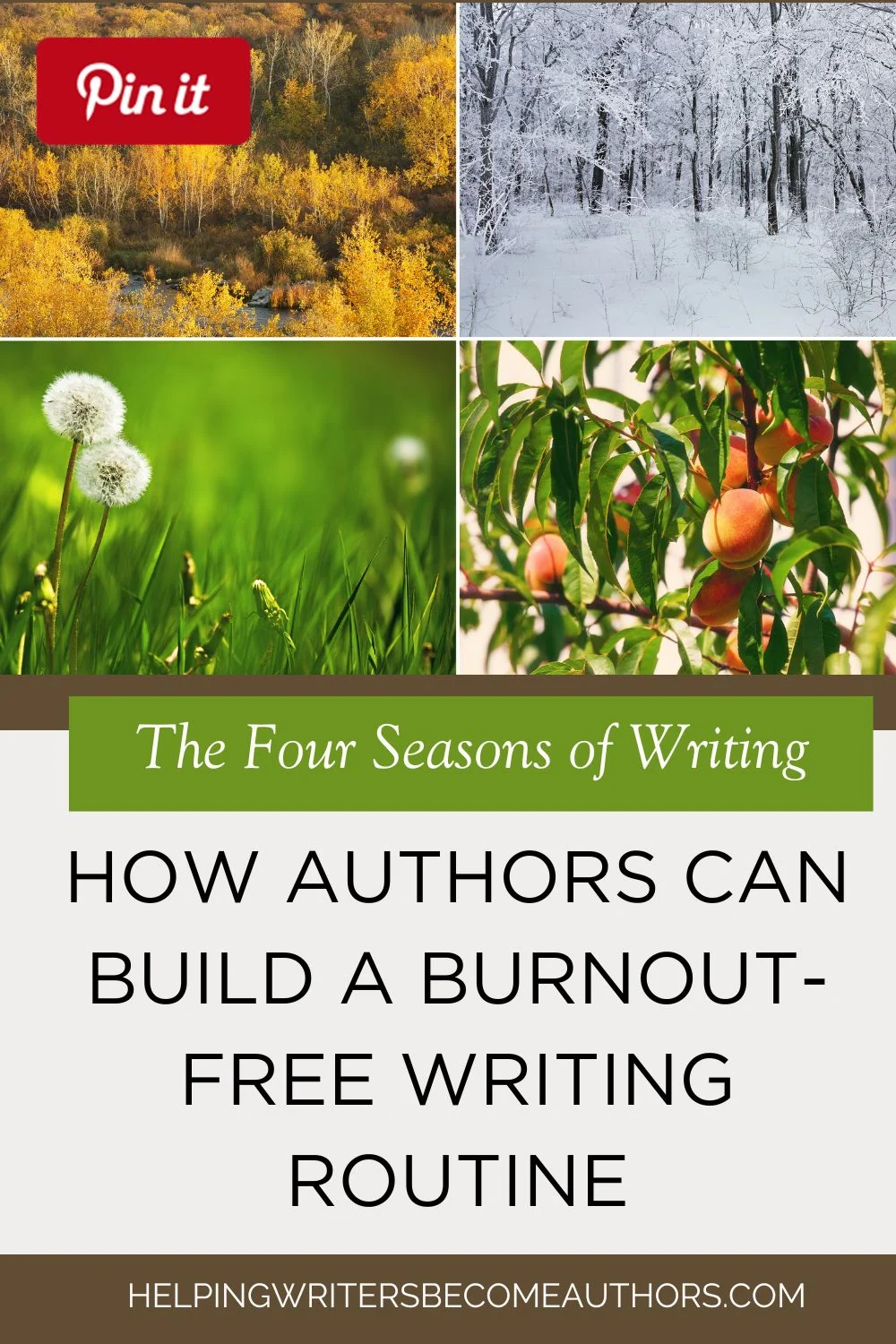
A paradigm shift is underway in the author community, moving away from the relentless pursuit of "hustle culture" towards a more mindful and sustainable approach to writing. This evolution is championed by a new philosophy, "Writing the Seasons," which draws inspiration from the natural world to foster a healthier and more productive creative life.
For years, the prevailing wisdom within the writing world, particularly among independent authors who came of age during the early indie boom, dictated a mantra of constant effort: "Push harder. Write faster. Do more." This relentless drive, while initially yielding results, has increasingly led to widespread burnout. The conversation around writer exhaustion has become a persistent undercurrent in the literary landscape, with many acknowledging its personal toll. This has spurred a critical re-evaluation of what constitutes a truly sustainable writing routine—one that not only facilitates the completion of projects but also nurtures a creative spirit over the long haul.
As KMW, a prominent voice in the writing community, notes, "The older I get, the more I find myself paying attention to natural cycles rather than trying to override them. There are seasons for effort and seasons for rest, seasons for producing and seasons for replenishing. Honoring those rhythms allows discipline to work in partnership with something deeper." This sentiment underscores a fundamental realization: creativity possesses its own inherent rhythms, and attempting to force output against these natural ebbs and flows is ultimately counterproductive.
Brian Hicks, an author and speaker, has been a leading advocate for this more holistic approach. He posits that the struggle to find writing motivation is intrinsically linked to the creation of a "writing life" that is sustainable over time. His framework, "Writing the Seasons," uses the metaphor of a farmer’s relationship with the land to conceptualize the entire creative process. This includes drafting, revision, publishing, and crucial periods of rest, each viewed as distinct yet interconnected phases within a larger creative cycle. This methodology offers a compelling alternative for authors grappling with project completion challenges, feeling drained by constant production pressures, or simply seeking a more balanced and enduring writing practice.
The Myth of the Manic Writer: Identifying the Flaw in Traditional Approaches
Hicks observes a common misconception among authors, particularly independents, who often perceive writers as falling into one of two extreme categories: the "hard-driving, rapid-release, all-gas, no-brakes writer" destined for success, or the "slow-grinding, perpetually drafting, angst-ridden, soon-to-be former writer" who is doomed to perpetual struggle. The implication is that only the former can achieve success.
However, Hicks argues that neither of these archetypes is truly sustainable. The rapid-release author is a prime candidate for burnout, while the perpetually drafting author never truly gains momentum. Both paths, though seemingly disparate, ultimately lead to a similar outcome: a cessation of creative output.
"Both types are missing a reliable, consistent writing rhythm," Hicks asserts. "There’s a third, saner, author type, one that doesn’t require you to write at such a manic pace or beat yourself up when you don’t." This third way, he explains, is built upon the foundation of a predictable and consistent writing rhythm. His "Writing the Seasons" methodology aims to restore sanity and confidence by providing this essential structure.
The Four Seasons of Writing: A Framework for Sustainable Creation
The challenges faced by authors in maintaining a consistent writing practice are often exacerbated by the demands of modern life. Juggling day jobs, family responsibilities, community commitments, and social engagements leaves little room for dedicated creative work. This often results in a "snatch-and-patch" approach, where writing occurs in fragmented moments—late at night, early in the morning, between meetings, or while supervising children’s activities. The cumulative effect is a decade spent wondering why projects remain unfinished, a sentiment many authors can relate to.
The fundamental issue, according to Hicks, is the absence of a consistent and reliable rhythm. When writing is approached haphazardly, the results are predictably inconsistent. Conversely, establishing a regular and dependable rhythm leads to consistent and reliable outcomes. The most potent analogy for this reliable consistency lies in the natural world.
The four seasons—Spring, Summer, Autumn, and Winter—provide an irrefutable model of order and cyclical progression. Every year, without fail, these seasons follow a specific sequence, each playing a vital role in the larger agricultural cycle. This unwavering predictability is a testament to the power of natural laws. Just as a farmer relies on these immutable cycles, authors can harness the principles of seasonal progression to structure their creative endeavors, ensuring focused productivity without succumbing to burnout.
Spring: The Urgent Season of Drafting
Spring on a farm is synonymous with the crucial act of planting. It is a period of intense activity, where the window of opportunity is limited. Farmers understand that delaying planting in spring can have dire consequences for the entire harvest. Missed opportunities in this vital season can foreshadow a lean and unproductive autumn.
This sense of urgency is directly transferable to the author’s drafting process. "Nothing happens until words go on the page," Hicks emphasizes. "And if we don’t create a spring for ourselves, we’ll keep finding excuses—and another year will pass without a novel." Spring, in this context, is the author’s busy season of focused creation. It demands an unwavering commitment, temporarily setting aside non-essential distractions and informing loved ones about the need for uninterrupted creative time.
During this period, authors dedicate themselves to outlining, developing backstories, and establishing a rigorous weekly writing schedule. The ultimate goal of the spring season is to produce a completed first draft.
The duration of "spring" is not a rigid, three-month prescription. It is a personal commitment dictated by individual circumstances. A writer with fewer external obligations might complete their first draft in a month, while someone juggling multiple jobs and family responsibilities may require a more extended spring. The critical element is to establish a definitive end date for this drafting phase, acknowledging that "summer" is approaching and planning accordingly.
Summer: The Season of Cultivation and Revision
Summer on a farm, while still demanding, shifts its focus to nurturing what has been planted. It’s a time of diligent weeding, watering, and pest control—tasks analogous to the often challenging process of revising a manuscript. This is where many authors falter, tempted to abandon a struggling draft in favor of a fresh start.
However, the "Writing the Seasons" philosophy encourages commitment. "We planted soybeans in the spring. We’re getting soybeans in the fall," Hicks states, drawing a parallel to seeing a project through to completion. While acknowledging the flexibility inherent in creative work, he stresses the importance of committing to the initial vision and seeing it through.
Summer can be a "hot and dry" season, characterized by challenging feedback from beta readers and the difficult decision to "kill your darlings"—those cherished but ultimately detrimental elements within a manuscript. Yet, by diligently tending to the seeds sown in spring, authors can trust that the combined efforts of their dedication and the inherent potential of the story will yield a polished and compelling work.

The length of summer is particularly personal, as revision can be a less exhilarating phase than drafting. Authors may find themselves grappling with their manuscript, tempted by extended breaks that can transform a WIP into a perpetually unfinished project. The key to navigating this season successfully is to set a firm end date before commencing and to honor that deadline, regardless of the perceived difficulty.
Autumn: The Harvest of Publishing and Sharing
Autumn represents the culmination of an author’s hard work, the reward for sustained commitment throughout the year. It is the season for querying agents or self-publishing a completed novel. While these processes may not always feel like immediate rewards, they are the logical outcome of the creative journey.
First and foremost, authors are encouraged to celebrate this significant achievement. Framing a book cover or enjoying a celebratory meal can serve as important markers of accomplishment. However, Hicks also points to a fundamental law of progress: "The reward for hard work is more work."
Just as a farmer harvests their crop, authors must bring their finished work to market. The words written are not meant for obscurity. Autumn is the time to share the fruits of labor, to query agents, and to engage in the crucial process of publishing and marketing.
The duration of autumn is less defined by hard deadlines than spring and summer. Querying and marketing continue until tangible results are achieved. Importantly, this "autumn" of publishing and promotion can overlap with the commencement of the next creative cycle, as the author begins to prepare for the subsequent spring.
Winter: The Essential Season of Rest and Preparation
Winter is a vital period of rest and rejuvenation. It is a time to reflect on the past season’s harvest, to catch up on professional development through podcasts, courses, and literature on craft. Authors can also use this time to deepen their understanding of marketing and reader engagement.
While active writing may be paused, authors are often still engaged in ongoing marketing campaigns or continuing to query. Crucially, this is also a time for conceptualizing the next novel. By allowing the creative mind to rest and recharge, authors can approach the next spring with renewed enthusiasm and energy.
Like all seasons, winter has an end date. The anticipation of the coming spring, and the need to plant the next crop, ensures that this period of rest is finite and purposeful.
Crafting a Personalized Seasonal Writing Routine
The success of the "Writing the Seasons" approach hinges on its adaptability. The key is to create a seasonal calendar that aligns with an author’s real-life schedule. The process begins with defining the "spring" drafting period, with subsequent seasons flowing logically from that anchor point.
When determining the start of a writing spring, authors should identify a time when their other commitments naturally lessen. This might involve considering periods when children are in school, personal projects are less demanding, or work schedules offer more flexibility. For instance, if a teacher’s calendar typically slows down during the winter months, their writing spring might logically fall between January and March.
The timing of one’s "spring" should also consider external factors. For a teacher’s spouse, for example, attempting a highly productive drafting period during the actual summer months might be ill-advised due to shifts in household energy and routine. The goal is to initiate focused productivity during a period that naturally supports it.
The duration of each season is a deeply personal decision. Some authors may find they can complete two full cycles of seasons within a year, while others require more time for drafting and revision, opting for longer spring and summer periods, mirroring the natural seasons. The crucial element is to establish realistic timelines and, most importantly, to set and adhere to deadlines.
The Sustainable Cycle: Why This Approach Fosters Completion
The ultimate aim of adopting a seasonal writing routine is to foster consistency and reliability, mirroring the practices of successful farmers. By embracing this cyclical approach, authors can move beyond the cycle of starting and abandoning projects.
The recommendation is for authors to actively create their next seasonal writing calendar. This involves utilizing digital tools to schedule recurring appointments for each season, specifying start and end dates with the same diligence one would schedule any other important commitment.
The comparison to farmers is profound. Their consistent and reliable output stems from a sustainable process. By adopting a similar mindset, authors can transition from quitting to finishing, transforming their creative aspirations into tangible realities.
In conclusion, the "Writing the Seasons" methodology offers a compelling antidote to the pervasive issue of writer burnout. By embracing natural rhythms, setting clear intentions, and committing to a structured yet flexible cycle, authors can cultivate a more sustainable, fulfilling, and ultimately, more productive writing life. This shift from relentless hustle to mindful cultivation promises a future where creativity thrives, project completion becomes the norm, and authors can build enduring careers sustained by a harmonious relationship with their craft.