The Shifting Sands of Late Summer: Reflection Amidst Evolving Realities and Enduring Art
As July draws to a close and August looms, a pervasive sense of accelerated time and profound change settles across the landscape. The iconic image of the moon still visible in the pre-dawn sky, contending with the nascent light of the rising sun, encapsulates a period of transition that feels uniquely pronounced this year. For many, the summer of 2024 has been marked by challenging environmental realities, including widespread wildfire smoke, a stark reminder of escalating climate concerns. Beyond the immediate environmental shifts, a palpable anticipation for significant political events, such as the upcoming midterm elections, adds another layer of complexity to the seasonal transition. While every season inherently brings change, the current confluence of factors lends this particular shift a distinct, perhaps even unsettling, character.
Yet, amidst these evolving realities, the human spirit continues to find solace and provocation in art and unexpected moments of beauty. From the sudden bloom of long-dormant flora to the enduring wisdom found in literary characters, and the curious intersection of viral phenomena with cinematic aspirations, creativity and serendipity persist. This article delves into these diverse facets, exploring how cultural touchstones and natural occurrences offer both reflection and a call to engagement in a rapidly changing world.
Environmental Echoes and Unexpected Blooms: The Accidental Rewilding of Fountains Abbey
Main Facts:
A striking example of nature’s resilience and the unforeseen positive consequences of human intervention, even in the context of commercial film production, recently emerged at Fountains Abbey in Yorkshire, England. For the filming of 28 Years Later, a sequel in the acclaimed zombie horror franchise, the National Trust site allowed its extensive lawns to grow wild to achieve a desired "overgrown" aesthetic. This seemingly minor decision, driven purely by cinematic requirements, led to a remarkable ecological discovery: hundreds of rare orchids bloomed on the abbey grounds.
Chronology:
The history of these particular orchids adds a layer of astonishing depth to the narrative. According to reports from the BBC, there had been no documented record of these specific flowers on the Fountains Abbey site since the 1850s. This means that for approximately 170 years, these orchids had not been observed in living memory, their presence seemingly erased from the local ecosystem. The film shoot, which necessitated a temporary halt to regular lawn maintenance, inadvertently created the ideal conditions for these dormant seeds or root systems to germinate, bringing forth a vibrant, unexpected display of biodiversity.
Supporting Data:
The phenomenon observed at Fountains Abbey underscores broader ecological principles, particularly regarding seed banks and the impact of land management practices. Many plant species, especially wildflowers and delicate orchids, rely on specific soil conditions, light exposure, and the absence of competition from dominant grasses to thrive. Regular mowing, a common practice in landscaped areas like historic estates, often suppresses these species. The temporary cessation of mowing allowed the natural ecological processes to resume, leading to the resurgence of the orchids. While the exact species of orchid was not specified in initial reports, the event highlights the potential for "rewilding" – even accidental rewilding – to restore lost biodiversity. Conservationists often advocate for reduced mowing, particularly in designated areas, to encourage native flora and support insect populations, which in turn supports a healthier ecosystem.
Official Responses:
Representatives from the National Trust, who manage Fountains Abbey, expressed considerable surprise and delight at the discovery. They acknowledged the unexpected environmental benefit stemming from the film production’s request. While no formal long-term policy changes directly linked to this single event have been announced, the incident serves as a powerful case study for the potential ecological advantages of re-evaluating traditional land management, particularly concerning the extent and frequency of mowing in heritage sites. The positive public and media reception to the orchid bloom has likely spurred internal discussions about sustainable practices and opportunities for biodiversity enhancement across their properties.
Implications:
The Fountains Abbey orchid bloom offers a compelling narrative that transcends mere anecdote. It serves as a potent metaphor for hope and resilience, suggesting that even in the face of widespread environmental challenges and global anxieties (symbolized, perhaps, by the zombie film itself), nature possesses an extraordinary capacity for recovery. Furthermore, it subtly champions the principles of conservation and sustainable land management, demonstrating that sometimes, the most impactful intervention is simply to step back and allow natural processes to unfold. This event may encourage other landowners and heritage sites to experiment with reduced mowing or targeted rewilding efforts, recognizing that "overgrown" can, in fact, be a flourishing and historically rich state. The irony of a zombie apocalypse film facilitating such a vibrant resurgence of life is not lost on observers, underscoring the often unpredictable and complex relationship between human activity and the natural world.
Thirty Years of Westeros: A Game of Thrones as a Millennial Cultural Icon
Main Facts:
August marks a significant milestone in contemporary fantasy literature: the 30th anniversary of A Game of Thrones, the inaugural volume in George R.R. Martin’s epic "A Song of Ice and Fire" series. Published in 1996, the novel officially positions itself as a millennial, having been released just under the wire of the generation’s generally accepted birth years. This anniversary prompts reflection on the book’s profound impact and its unique trajectory in popular culture.
Chronology:
When A Game of Thrones first appeared three decades ago, it entered a fantasy landscape dominated by more traditional, often clear-cut narratives of good versus evil. Martin’s work, however, quickly distinguished itself with its morally ambiguous characters, intricate political machinations, brutal realism, and willingness to subvert classic fantasy tropes. Over the subsequent years, the series garnered a dedicated readership, slowly building momentum through subsequent volumes like A Clash of Kings and A Storm of Swords. The adaptation of the series into the HBO television phenomenon Game of Thrones, which premiered in 2011, propelled the books and their world into an unprecedented level of global consciousness, transforming it into a cultural juggernaut. This small-screen adaptation, however, also complicated the narrative, eventually outpacing Martin’s writing and concluding its story before the final books were published.
Supporting Data:
The commercial success and critical acclaim of A Game of Thrones and its sequels are undeniable. The books have sold tens of millions of copies worldwide and have been translated into numerous languages, profoundly influencing a generation of fantasy writers and readers. Its impact is evident in the proliferation of "grimdark" fantasy, a subgenre characterized by its darker tone and moral complexity. The television series, for its part, broke viewership records and garnered countless awards, embedding Westeros, its characters, and its catchphrases deeply into the global lexicon. Despite the immense popularity, there’s a notable absence of recent, in-depth literary essays that reconsider the first book on its own merits, thirty years later, beyond celebratory date markers or discussions of rare editions. This might be attributed to "literary-essay burnout," the vastness of existing commentary, or the ongoing anticipation (and occasional frustration) regarding the unreleased final volumes. The focus often shifts to the saga’s incomplete nature or the TV show’s ending, overshadowing the foundational text itself.
Official Responses:
George R.R. Martin himself has often spoken about the challenges of completing such an expansive series under intense public scrutiny and the shadow of a highly successful television adaptation. Publishers continue to market the series aggressively, often releasing special editions – such as the sold-out, expensive Folio Society edition – to cater to its dedicated fanbase. While there isn’t a singular "official response" to the 30th anniversary beyond standard marketing, the enduring commercial activity around the series confirms its ongoing relevance and the persistent demand for its conclusion.
Implications:
The 30th anniversary of A Game of Thrones is more than just a chronological marker; it’s an opportunity to evaluate its enduring legacy and the unique challenges it presents. The book revolutionized the fantasy genre, pushing it towards greater realism and complexity, and arguably paved the way for more mature, adult-oriented speculative fiction to gain mainstream acceptance. However, its incomplete status highlights the difficulties inherent in multi-volume epic narratives, particularly when intertwined with other media adaptations. The scarcity of contemporary critical re-evaluations of the first book points to a potential shift in how long-running series are consumed and discussed – often through the lens of their entire arc or adaptation, rather than as individual literary works. This raises questions about literary criticism in the age of serialized media and the challenge of separating the "text" from its broader cultural phenomenon and the anticipation for its ultimate resolution. Can readers truly revisit A Game of Thrones as it was in 1996, or is it inextricably linked to the three decades of discourse, adaptation, and waiting that have followed?
Finding Wisdom in the Unexpected: Archy the Cockroach’s Enduring Satire
Main Facts:
In an era of pronounced anxieties and societal disillusionment, a surprising source of profound, satirical wisdom can be found in the century-old works of Don Marquis, particularly through his ingenious characters, Archy the cockroach and Mehitabel the cat. Archy, a cockroach with a poet’s soul, types out observations on a newspaperman’s typewriter at night (being a bug, he can only depress keys without the shift function, hence no capital letters), offering a unique, ground-level perspective on the human condition.
Chronology:
Archy first appeared in Marquis’s newspaper columns in 1916, providing a witty and often poignant commentary on American society during a period of significant change, including World War I and evolving social mores. Marquis continued to publish Archy’s "archy and mehitabel" verses and tales throughout his career, with collections such as archy and mehitabel (1927) and archy’s life of mehitabel (1933) cementing their place in literary history. Posthumous collections, like Archyology: The Long Lost Tales of Archy and Mehitabel, continue to bring his work to new generations. These characters resonated with readers then, and their observations remain remarkably pertinent today, demonstrating a timeless quality in their critique of human foibles.
Supporting Data:
Don Marquis, a prominent American humorist, journalist, and poet, crafted Archy as a vehicle for social satire and philosophical reflection. The cockroach’s inability to use capital letters becomes a defining stylistic choice, subtly highlighting his perceived lowly status while simultaneously making his pronouncements all the more impactful. Mehitabel, a perpetually reincarnated alley cat who believes she was once Cleopatra, serves as Archy’s foil, embodying a carefree, bohemian spirit with her famous refrain: "i have had my ups and downs / but wotthehell wotthehell." Together, they form a dynamic duo that explores themes of art, morality, societal hypocrisy, and the search for meaning. Archy’s observations, delivered with dry wit and understated profundity, often challenge the "powers that be" and their perceived failings. For instance, his lament, "boss what are you going to do / with these spirits / who are miserable / and do not know it / who are iniquitous and proud of it / who are pitiable / and boast of their condition / who are defeated / and believe themselves victorious / who are corrupt / and contented / who are undeserving…," remains chillingly relevant in an era grappling with misinformation, social stratification, and political polarization.
Official Responses:
While not subject to "official responses" in the governmental sense, Archy and Mehitabel have been consistently lauded by literary critics and fellow writers for their originality and lasting appeal. They are considered classics of American humor and satire, often cited as influential in their blending of wit with social commentary. Libraries and academic institutions continue to include Marquis’s works in their collections, ensuring the accessibility and study of these unique literary figures. The continued publication of new editions and collections attests to an enduring appreciation for their sharp insights.
Implications:
Archy’s enduring relevance underscores the power of satire as a tool for social commentary and emotional catharsis. In a period characterized by rapid change, complex global challenges, and a sense of collective unease, Archy’s detached yet deeply insightful perspective offers a refreshing clarity. His observations on human arrogance, ignorance, and self-deception provide a mirror, sometimes uncomfortable, but often comforting in its familiarity. The simplicity of a cockroach typing out existential queries or critiques of society highlights how profound truths can emerge from the most unexpected sources. His character reminds readers that even when "the powers that be are letting everyone down," art, even in its most unassuming forms, can provide solace, provoke thought, and offer a shared understanding of the human condition, making the overwhelming feel a little less isolating.
Navigating the Modern Cinematic Landscape: The Quest for Authentic Storytelling
Main Facts:
The contemporary cinematic landscape presents a paradoxical experience for many lifelong film enthusiasts: while blockbuster productions dominate the box office, a growing segment of the audience expresses a struggle to connect with these highly commercialized offerings, often finding greater satisfaction in independent, critically acclaimed, or even older films. This sentiment reflects a broader critique of the industry’s focus on established franchises and spectacle over nuanced storytelling.
Chronology:
The past decade has seen an undeniable shift in Hollywood’s strategy, increasingly prioritizing established intellectual properties (IPs), superhero sagas, and CGI-heavy spectacles. This trend intensified with the rise of streaming services, which initially offered a diverse array of content but have also become platforms for big-budget, franchise-driven projects. The COVID-19 pandemic further disrupted traditional cinema, accelerating the move towards home viewing and blurring the lines between theatrical releases and streaming debuts. Consequently, many filmgoers report feeling anxious about new "big movies," questioning their artistic merit and authenticity, and wondering if they are primarily "toy commercials" rather than compelling narratives.
Supporting Data:
Anecdotal evidence and critical discourse suggest a widening gap between audience expectations for cinematic art and the output of major studios. Films like Amadeus, First Cow, and Showing Up, praised for their character development, artistic vision, and thematic depth, stand in contrast to the perceived formulaic nature of many blockbusters. The success of independent films and critically lauded foreign productions, often celebrated at festivals, indicates a sustained demand for diverse cinematic experiences. The concern about "my girl [redacted] dirty" in a new installment highlights the anxiety fans feel about beloved characters being mishandled or narratives being compromised for commercial gain. The critical success of Boots Riley’s Sorry to Bother You (2018), known for its surrealist satire and sharp critique of capitalism, exemplifies the kind of bold, original filmmaking that resonates deeply with audiences seeking more than escapism. Its unique narrative and uncompromising vision earned it widespread acclaim and a devoted following.
Official Responses:
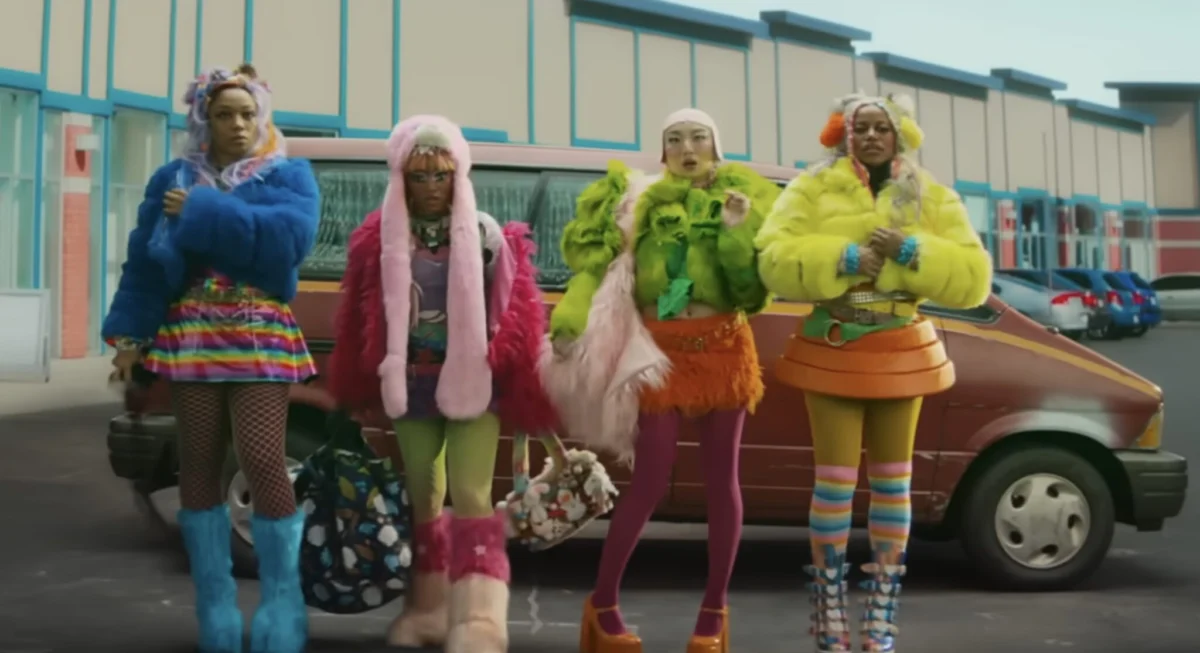
Major studios typically respond to market trends, investing heavily in franchises that have proven commercial viability. Their "official response" is often reflected in their production slates, which continue to be heavily weighted towards sequels, reboots, and cinematic universes. However, the success of certain independent or auteur-driven films at the box office, or on streaming platforms through critical buzz, does occasionally influence the industry to greenlight more diverse projects. Filmmakers like Boots Riley represent a counter-narrative, using their platforms to create work that challenges the status quo and offers distinct artistic perspectives, often outside the traditional studio system. The distribution model for films like I Love Boosters—available for rent rather than included with a subscription—also reflects evolving strategies for independent cinema to monetize its work directly with audiences who seek out specific artistic voices.
Implications:
The current state of cinema reflects broader cultural anxieties about authenticity, consumerism, and the nature of storytelling in a hyper-commercialized world. The struggle to connect with mainstream movies suggests a craving for films that offer genuine artistic expression, provoke thought, and explore complex human experiences, rather than simply delivering predictable entertainment or extending existing brands. The anticipation for Boots Riley’s I Love Boosters, with its premise of shoplifters and commentary on capitalism, represents a longing for cinema that is both absurdly intelligent and deeply critical—a film that can, perhaps, "fix" the perceived malaise by offering a refreshing and incisive perspective. This ongoing tension between commercial viability and artistic integrity will likely continue to shape the future of filmmaking, prompting both studios and independent creators to innovate and redefine what constitutes a meaningful cinematic experience. The call for films that are truly "movies," not just "toy commercials," is a call for a return to storytelling with purpose and depth, acknowledging that art can be both entertaining and profoundly impactful.
The Interplay of Nature, Culture, and the Unpredictable: A Concluding Reflection
As the late summer days transition into August, the observations presented—from the accidental ecological triumph at Fountains Abbey to the enduring literary critiques of Archy the cockroach, the three-decade legacy of A Game of Thrones, and the contemporary search for cinematic authenticity—collectively paint a picture of a world in flux. The omnipresent sense of rapid change, underscored by environmental challenges and political anticipation, is met by persistent human creativity and the unexpected resilience of nature.
The viral phenomenon of a "centaur robot with a chainsaw," while perhaps not traditionally categorized as "art," undeniably reflects the contemporary blurring of lines between technology, entertainment, and cultural commentary. It speaks to a shared fascination with the bizarre and the innovative, and perhaps even a subconscious grappling with the increasing presence of artificial intelligence and advanced robotics in our collective imagination. Is it art? The very question highlights the evolving definitions of creative expression in the digital age.
Ultimately, this period of transition invites a dual approach: a conscious engagement with the pressing realities of our time—whether through civic action like calling elected representatives, prioritizing public health with masks, or embracing sustainable practices like allowing lawns to rewild—and a deliberate immersion in the rich tapestry of art. Art, in its myriad forms, offers not only escape but also perspective, solace, and a means to process the "different shape" of change that defines this particular season. It reminds us that even when the world feels overwhelming, there is still beauty to be found, wisdom to be gleaned, and narratives to be shared that connect us to something larger than ourselves.