The Resurrection of a Hardware Legacy: How Incase is Reviving Microsoft’s Iconic Peripherals
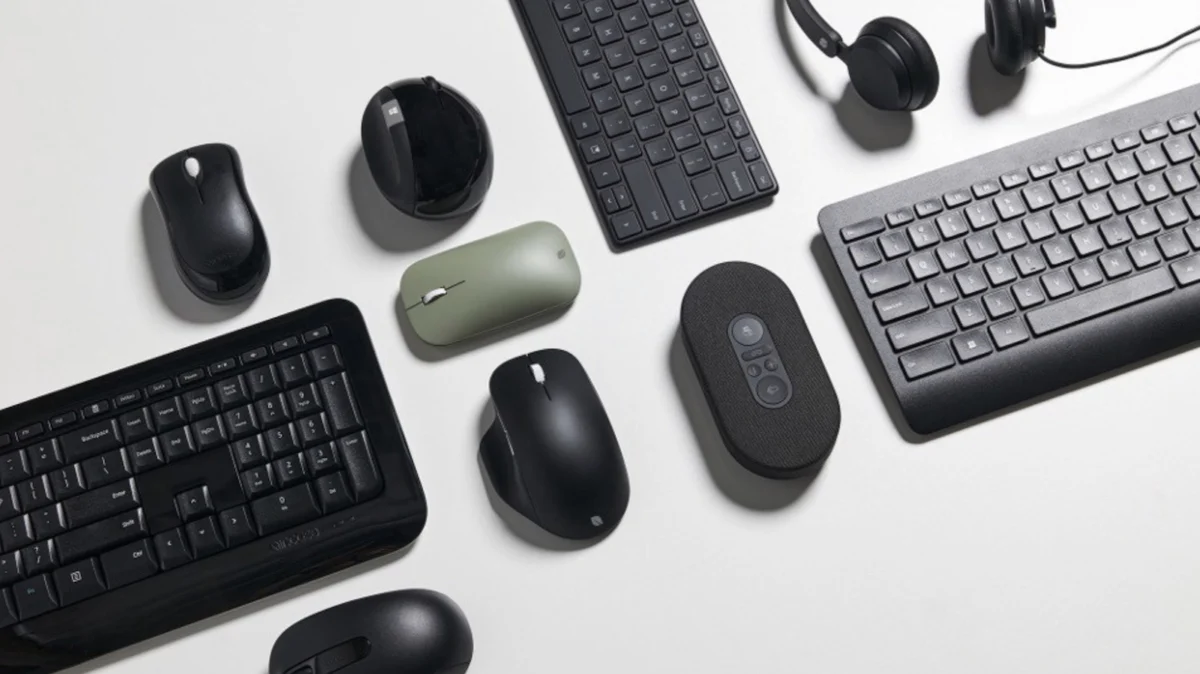
In the fast-paced world of Silicon Valley, where hardware cycles are measured in months and software is updated in seconds, few things are as enduring as a comfortable keyboard. For decades, Microsoft’s hardware division was the gold standard for office ergonomics, providing the tactile interface for the digital revolution. However, when the tech giant announced in 2023 that it would cease production of its own branded mice and keyboards, many feared an era had ended.
That end proved to be a transformation rather than a termination. Through a strategic licensing agreement with the California-based firm Incase, the "Designed by Microsoft" portfolio is returning to shelves. This revival marks a significant shift in how legacy tech brands manage their heritage products while pivoting toward new strategic frontiers.
Main Facts: The Return of the "Designed by Microsoft" Portfolio
The core of this development lies in a comprehensive licensing deal between Microsoft and Onward Brands, the parent company of Incase. Under this agreement, Incase has taken over the manufacturing, distribution, and marketing of Microsoft’s most beloved peripheral designs.
The relaunch, which began rolling out in late 2024, includes a wide spectrum of productivity tools. Consumers can once again purchase the Sculpt Ergonomic Keyboard, a product that defined office comfort for a generation, alongside the Modern Mobile Mouse and the Wireless Desktop 850 combo. While these products now carry Incase branding, they feature a prominent "Designed by Microsoft" seal of approval on both the packaging and the digital storefronts.
The product range is strategically priced to cover both entry-level and premium segments:
- Keyboards: Ranging from $29.99 for basic models to $179.99 for high-end ergonomic setups.
- Mice: Priced between $24.99 and $79.99.
- Headsets: Available from $49.99 to $119.99.
- Webcams: The lineup includes high-definition options starting at $79.99.
This partnership ensures that the intellectual property and specialized tooling developed by Microsoft over four decades do not go to waste, while allowing Microsoft to distance itself from the low-margin logistics of mass-market peripheral manufacturing.
Chronology: From the "Green Eyed Mouse" to the Incase Era
To understand the weight of this revival, one must look at the forty-year trajectory of Microsoft’s hardware journey.
1983–1993: The Formative Years
Microsoft entered the hardware market in 1983 with the release of its first PC mouse. Known colloquially as the "Green Eyed Mouse" due to its distinctively colored buttons, it was a companion to the early versions of Microsoft Word. Throughout the late 80s, Microsoft refined these designs, becoming a dominant force in the nascent peripheral market.
1994: The Ergonomic Revolution
The most significant milestone occurred in 1994 with the launch of the Microsoft Natural Keyboard. As home computing boomed, so did reports of Repetitive Strain Injury (RSI). Microsoft’s solution was a radical "split" and "wavy" design that allowed hands to rest at a more natural angle. It was an instant sensation, selling over 600,000 units per month at its peak and cementing Microsoft’s reputation as a leader in ergonomic research.
2013–2022: The Modern Era and the Sculpt Series
In 2013, Microsoft released the Sculpt Ergonomic Desktop. This set featured a "manta ray" inspired keyboard with a detached number pad and a high-arch mouse designed to reduce pressure on the median nerve. For nearly a decade, this remained the "holy grail" for office workers and writers.
2023: The Discontinuation
In the spring of 2023, Microsoft confirmed it would stop manufacturing Microsoft-branded mice, keyboards, and webcams. The company stated its intention to focus exclusively on its Surface line of premium accessories. This left a void in the market, as the Surface accessories—while high-quality—often came with a higher price tag and a different aesthetic than the classic "Natural" and "Sculpt" lines.
2024: The Incase Partnership
In January 2024, the tech industry was surprised by the announcement of the Onward Brands deal. By late 2024, the transition was complete, and the first "Incase Designed by Microsoft" products hit the market, preserving the legacy designs that had been in limbo for over a year.
Supporting Data: Ergonomics and the Market Need
The decision to revive these products was driven by a clear market demand for ergonomic solutions. According to occupational health data, musculoskeletal disorders account for a significant portion of lost workdays in the corporate sector. Microsoft’s "Natural" design philosophy was backed by years of biomechanical research, making the designs difficult to replicate by generic manufacturers.
The Sculpt Ergonomic Keyboard, for instance, utilizes a domed shape and a reverse-tilt palm rest. Unlike traditional flat keyboards, which force the wrists to bend upward (extension) and outward (ulnar deviation), the Microsoft design encourages a "neutral" wrist position.
Furthermore, the data on Incase’s corporate health shows why they were a fitting partner. Founded in 1997 by Tony Held and Bobby Chang, Incase built its reputation on Apple-centric protective gear. Their expansion into the Microsoft ecosystem represents a massive scaling of their portfolio. Headquartered in Tustin, California, Incase has moved from a "sleeve and bag" company to a full-scale tech peripheral manufacturer, leveraging Microsoft’s existing blueprints to bypass the expensive R&D phase usually required for such complex hardware.
Official Responses and Corporate Strategy
The transition of the Microsoft peripheral line is a classic example of "brand licensing" as a corporate survival strategy.
Microsoft’s official stance has been one of consolidation. By offloading the "Microsoft-branded" line to Incase, the company can focus its internal engineering resources on the Surface ecosystem. This allows Microsoft to compete more directly with Apple’s "walled garden" approach, where the hardware and accessories are unified under a single, premium brand identity.
Onward Brands (Incase’s parent company) has expressed a different vision. Their leadership noted that the goal was not just to "keep the lights on" for old products, but to innovate within the established framework. Incase has communicated that while they are starting with the "favorites," they intend to develop new accessories under the "Designed by Microsoft" label. This suggests that the partnership is not a temporary liquidation of old stock, but a long-term brand stewardship.
A spokesperson for Incase highlighted the synergy: "Microsoft has a 40-year history of excellence in peripherals. By combining their world-class designs with Incase’s expertise in lifestyle tech and sustainable manufacturing, we are ensuring these essential tools remain available to the millions of people who rely on them every day."
Implications: Sustainability and the Future of Peripherals
The revival of these products carries significant implications for both consumers and the environment.
1. The Environmental Factor
Incase has made sustainability a core pillar of its brand identity. The company creates products with a "circular economy" mindset, focusing on the end-of-life cycle. This is particularly relevant in the electronics industry, which contributes millions of tons of e-waste annually. Incase’s commitment to using recycled materials and providing guidance on responsible disposal helps mitigate the environmental impact of producing millions of plastic-heavy peripherals.
2. Brand Loyalty and "Zombie Brands"
This deal highlights a growing trend in the tech industry: the "Zombie Brand" phenomenon. When a large corporation abandons a product line that still has a cult following, smaller, more agile companies step in to license the name or design. However, unlike many "zombie" deals where quality drops significantly, the "Designed by Microsoft" tag serves as a promise of continuity. For users who have spent 20 years developing muscle memory on a specific split-keyboard layout, this deal is a vital lifeline.
3. The Shift in the Competitive Landscape
With Microsoft stepping back to focus on Surface, the mid-range peripheral market is now a battleground between Incase (using Microsoft’s legacy), Logitech, and Razer. Logitech has long been Microsoft’s primary rival in the ergonomic space. With Incase now steering the Microsoft designs, we may see a renewed era of competition that drives down prices and increases innovation in ergonomic research.
Conclusion: A Second Life for Silicon Valley Staples
The partnership between Microsoft and Incase serves as a blueprint for how legacy tech can find a second life. By recognizing that their "old" designs still held immense value to a loyal user base, Microsoft avoided the PR pitfall of abandoning a beloved product line. Simultaneously, Incase has transitioned from an accessory maker to a hardware powerhouse.
For the office worker struggling with wrist fatigue or the nostalgic user who remembers the click of the 1994 Natural Keyboard, the message is clear: the pointer hasn’t stopped moving. Through this unique licensing deal, the "Designed by Microsoft" legacy continues to shape how we interact with the digital world, one keystroke at a time. As Incase prepares to launch fresh designs under this banner, the future of the ergonomic desktop looks more stable than it has in years.