The Glittering Demise of the Hippie Era: How Glam Rock Ushered in a New Age of Audacity
August 7th, 2026 – The echoes of the Summer of Love, with its flower-adorned ideals and gentle melodies, seem a distant memory, even to those who lived through it. While the cultural landscape of the late 1960s, epitomized by Scott McKenzie’s "San Francisco (Be Sure to Wear Flowers in Your Hair)," might feel remarkably close to our present day, a mere five years later, a seismic shift occurred. By 1972, the counterculture’s optimistic embrace of peace and love was rapidly giving way to a more flamboyant, introspective, and ultimately, more commercially potent force: glam rock. This vibrant, and often controversial, musical movement didn’t just offer a new sound; it provided a radical visual and ideological departure, effectively marking the twilight of the hippie era and heralding an era defined by artifice, ambition, and a potent dose of self-creation.
The Shifting Sands of Pop Culture: From Serenity to Spectacle
The late 1960s and early 1970s represented a pivotal moment in popular music and youth culture. The market for long-playing records was thriving, yet the single, once a dominant force for capturing the zeitgeist, had begun to wane as a primary vehicle for youth-oriented pop culture. This created a vacuum, an opportunity for something new, something that could grab attention in a saturated market and speak to a generation grappling with evolving societal norms and a burgeoning sense of individuality.
The seeds of this transformation were sown by bands like T. Rex. Originally an avant-garde folk duo, they underwent a remarkable metamorphosis, re-emerging as a straight-ahead rock band with a singular mission: to revitalize rock and roll with a raw energy reminiscent of the pre-Beatles era. Their success wasn’t just in their bluesy sound; it was intrinsically linked to the audacious, androgynous, and fabulously fabricated image of their frontman, Marc Bolan. Overnight, the emphasis in popular music shifted from earnest self-expression, a hallmark of the hippie movement, to an extravagant and theatrical form of self-creation. This was the genesis of glam rock, a term coined by the British press to describe this burgeoning phenomenon.
The Rise of the Androgynous Icons and the Birth of "Ziggy Stardust"
The influence of T. Rex quickly rippled through the music scene. Other acts, eager to capitalize on this new wave, not only emulated their sonic palette but also embraced the bold, gender-bending aesthetics that Marc Bolan so effortlessly embodied. Bands like Slade, The Sweet, and Mott the Hoople soon followed suit, each contributing their unique flair to the glam rock tapestry.
Mott the Hoople’s breakthrough hit, "All the Young Dudes," poignantly captured the generational shift. Its lyrics, "My brother’s back at home with his Beatles and his Stones / We never got it off on that revolution stuff," served as a direct repudiation of the overtly political and idealistic underpinnings of the hippie movement. The song itself was penned by arguably the most defining figure of glam rock: David Bowie.
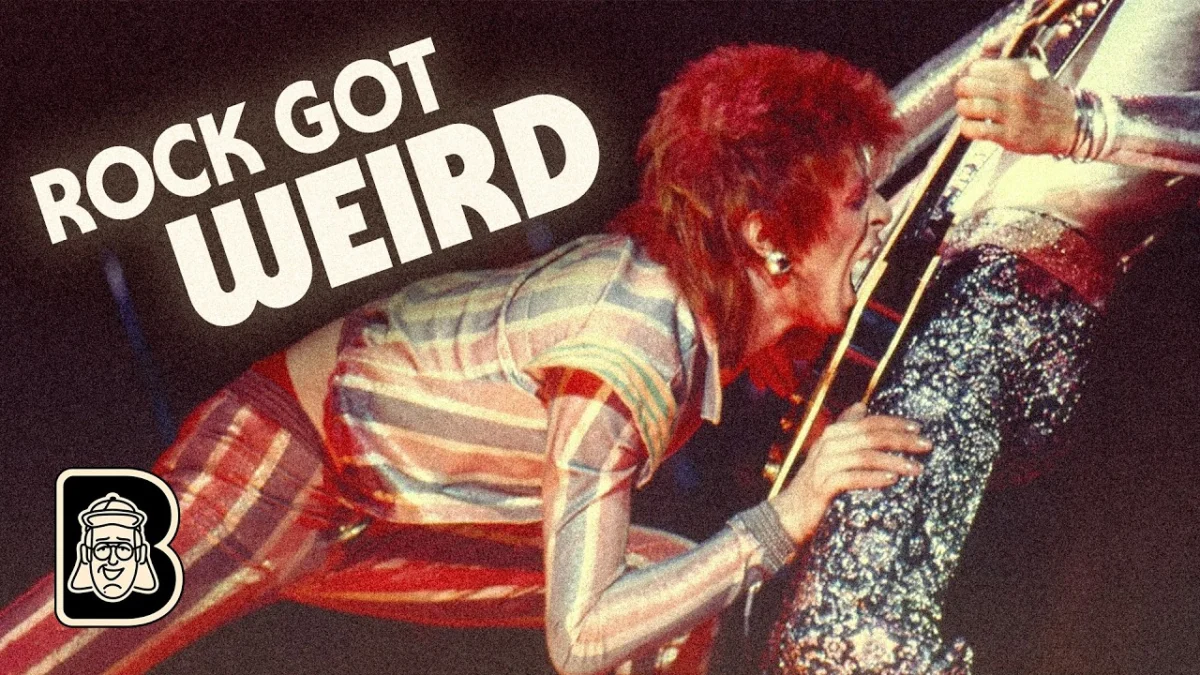
Bowie, with his chameleonic artistry, became the embodiment of this new era. His ascent to prominence was inextricably linked to his creation of Ziggy Stardust, a bisexual, synthetics-clad rock alien who swaggered with an almost cosmic sense of destiny. Ziggy Stardust was more than a persona; he was a cultural phenomenon. He represented a deliberate departure from the naturalistic and often earthy aesthetics of the hippie movement. His otherworldly glamour, theatricality, and unapologetic embrace of artifice resonated with a generation increasingly interested in exploring identity and pushing boundaries. Ziggy Stardust was a visual and ideological manifesto, a stark contrast to the peace-and-love ethos that had dominated the previous years.
The Cultural Impact: Beyond the Music
The impact of glam rock extended far beyond the confines of the music charts. It infiltrated fashion, art, and even social discourse. The genre’s embrace of androgyny challenged traditional gender roles and offered a more fluid and expressive vision of masculinity and femininity. This was particularly revolutionary in a time when societal expectations were still largely rigid.
The visual extravagance of glam rock was a direct rebellion against the perceived drabness and earnestness of the hippie movement. Glitter, platform boots, vibrant makeup, and outlandish costumes became the uniform of this new generation of musicians and their fans. This was a deliberate embrace of the artificial, a celebration of the power of transformation and self-invention. It was a rejection of the idea that authenticity lay solely in naturalism and a bold assertion that creativity and identity could be actively constructed and performed.
Furthermore, glam rock’s characteristic lack of overt sociopolitical ideals, its fascination with fame, and its casual relationship with reality marked a significant departure from the overtly activist and idealistic spirit of the 1960s. While the hippies sought to change the world through peace and love, glam rockers seemed more interested in creating their own worlds, both on and off stage. This shift towards introspection and individualistic expression, while alienating some, resonated deeply with others who felt the idealism of the hippie era had become outdated or even naive.
The Brief, Brilliant Burn: A Legacy of Audacity
The flame of glam rock burned brightly, but as David Bowie himself demonstrated, it was a relatively brief, albeit incandescent, phenomenon. Within a few years, Bowie would retire the Ziggy Stardust persona and move on to new artistic frontiers, signaling the genre’s eventual decline. However, the legacy of glam rock proved to be enduring.
The genre’s characteristic embrace of theatricality, its exploration of identity, and its willingness to push the boundaries of convention left an indelible mark on popular culture. It paved the way for future musical movements that similarly prioritized visual presentation and artistic reinvention, from punk and new wave to the more flamboyant aspects of modern pop music.
The obsession with fame, the celebration of artifice, and the daring exploration of self-creation that defined glam rock became enduring tenets of the entertainment industry. While the flower-power idealism of the hippie era faded, the audacious spirit of glam rock, with its glittering costumes and its unapologetic embrace of the extraordinary, proved to be a far more resilient force, shaping the landscape of popular culture for decades to come.
Supporting Data and Visual Evidence
The visual language of glam rock is perhaps its most enduring legacy. The iconic images of David Bowie as Ziggy Stardust, with his vibrant red mullet, striking makeup, and sequined jumpsuits, remain etched in the collective memory. Similarly, the flamboyant stage presence of Marc Bolan, with his wild hair and glitter-strewn face, captured the essence of the movement.
The music itself, characterized by its catchy melodies, driving rhythms, and often exaggerated vocal deliveries, provided the soundtrack to this visual revolution. Songs like T. Rex’s "Get It On," Slade’s "Cum On Feel the Noize," and David Bowie’s "Starman" exemplify the genre’s infectious energy and its embrace of a more accessible, yet still daring, sound.
The provided YouTube video from Explaining offers a concise yet comprehensive overview of this pivotal musical movement. It details the genre’s origins, its key figures, and its significant cultural impact, serving as a valuable resource for understanding the transition from the hippie era to the age of glam.
Official Responses and Critical Reception
Initially, glam rock often faced a mixed reception from critics. Its perceived superficiality and lack of overt political messages led some to dismiss it as frivolous. The press, accustomed to the earnestness of the hippie movement, often struggled to comprehend the deliberate artifice and theatricality of glam artists. In the United States, in particular, the genre was "criminally underplayed," failing to achieve the same widespread traction as it did in the UK.
However, as the genre gained momentum, its artistic merit and cultural significance became increasingly undeniable. Music historians and cultural commentators now recognize glam rock not just as a musical fad, but as a crucial turning point in the evolution of popular culture. It challenged prevailing notions of authenticity, masculinity, and artistic expression, leaving a lasting impact on subsequent generations of musicians and artists.
Implications for Contemporary Culture
The reverberations of glam rock are still felt today. The emphasis on visual presentation, the blurring of gender lines, and the embrace of theatricality in performance are all hallmarks of contemporary music and celebrity culture. Artists across various genres continue to draw inspiration from the bold aesthetic and unapologetic self-expression that glam rock pioneered.
The genre’s legacy also lies in its challenge to the notion of a single, authentic self. In an era where social media allows for constant self-curation and performance, the glam rock ethos of actively creating and embodying an identity feels remarkably prescient. It reminds us that identity is not always a fixed entity but can be a fluid, evolving, and ultimately, a creative endeavor. The audacity and flamboyance of glam rock continue to inspire artists to experiment, to challenge conventions, and to create music and personas that are as unforgettable as they are unique.