Beyond the Enchanted Forest: Brigid Kemmerer on "Defy the Night" and the Echoes of Reality in Fantasy
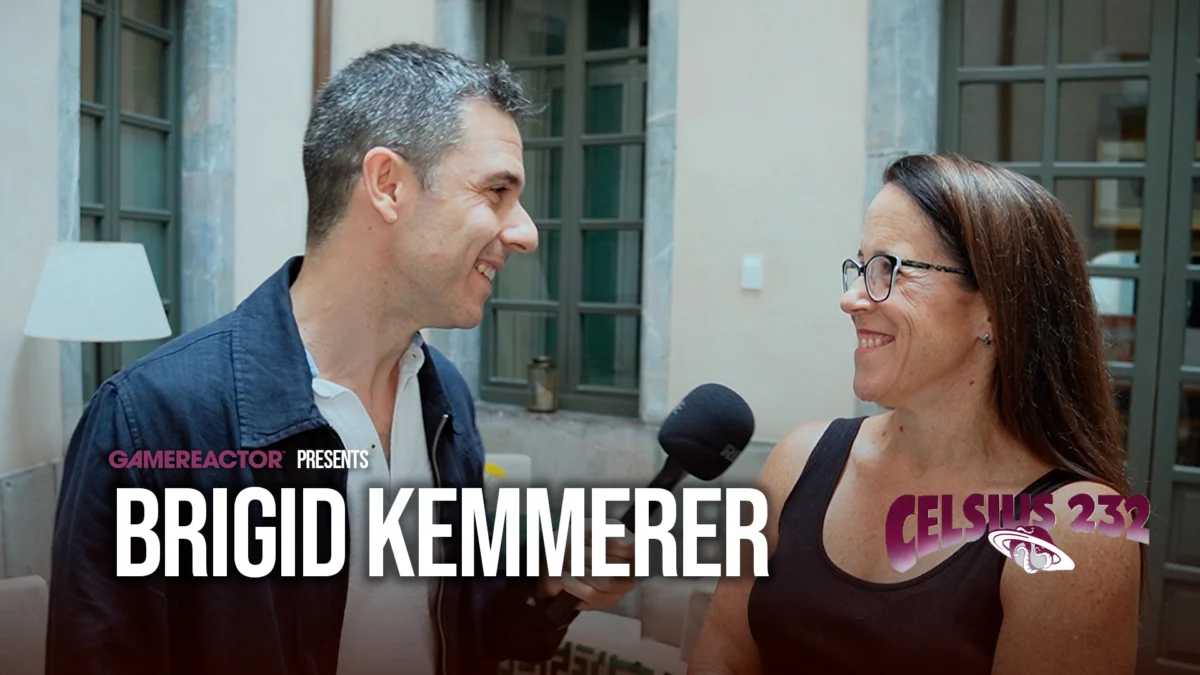
Gijón, Spain – Amidst the vibrant literary tapestry of the Celsius 232 festival in Asturias, Spain, a beacon of contemporary fantasy, Brigid Kemmerer, shared profound insights into her acclaimed work, particularly the captivating series that began with "Defy the Night." Far from being mere escapism, Kemmerer revealed that her meticulously crafted fantastical realms are deeply rooted in pressing real-world concerns, offering a compelling testament to the power of storytelling to illuminate and engage with complex societal issues.
In an exclusive interview, conducted with local subtitles for accessibility, Kemmerer elaborated on the genesis of "Defy the Night," a narrative that masterfully weaves together elements of classic fairy tales with startlingly relevant contemporary anxieties. The author’s inspiration, she disclosed, stems from a deeply personal and urgent contemplation of the healthcare crisis in the United States. This pivotal revelation underscores a deliberate artistic choice to imbue her fantasy with a potent social conscience, inviting readers to ponder fundamental questions about governance, collective responsibility, and the very fabric of societal support.
The Unseen Currents of Inspiration: "Defy the Night" and the Healthcare Crisis
Brigid Kemmerer’s journey into the creation of "Defy the Night" was not a whimsical flight of fancy, but rather a considered response to observable societal fractures. When questioned about the origins of her latest fantasy endeavor, Kemmerer articulated a thoughtful and significant connection to a pressing issue that resonates deeply within her home country.
"Part of my inspiration for Defy the Night was the healthcare crisis in the United States," Kemmerer stated, her voice steady and deliberate. "And I really spent a lot of time thinking about what are the obligations that rulers have to the people? What are the obligations that people have to each other? How can we help each other in different ways? And I really tried to explore that because it is a very complicated issue, especially in the United States right now."
This candid admission elevates "Defy the Night" beyond the typical tropes of fantasy fiction. It signals an author actively engaging with the complexities of modern life and seeking to explore them through the evocative lens of a fictional world. The "healthcare crisis" she refers to is a multifaceted issue encompassing access, affordability, and equity, issues that have profound implications for the well-being of individuals and the stability of society. By choosing this as a foundational element, Kemmerer positions her narrative as a space for critical reflection.
The questions Kemmerer poses – "what are the obligations that rulers have to the people? What are the obligations that people have to each other?" – are not merely rhetorical devices. They are the thematic anchors upon which the entire narrative of "Defy the Night" is built. In a world grappling with disparities in resources and access to essential services, these inquiries become urgent calls to consider the ethical frameworks that should govern societies.
The concept of "obligations" extends to both those in positions of power and the general populace. Kemmerer’s exploration suggests a reciprocal relationship, where leadership is not merely about decree but about responsibility, and where individual citizens have a role to play in the collective good. This is particularly relevant when considering how societal structures, or their failures, impact the most vulnerable. The "how can we help each other in different ways?" question opens up avenues for exploring themes of community, mutual aid, and the innovative solutions that can arise from necessity and empathy.
The author’s acknowledgment of the "complicated issue" in the United States is a testament to her awareness of the nuanced and often contentious debates surrounding healthcare. This complexity is precisely what makes it fertile ground for fictional exploration. Instead of offering simplistic answers, Kemmerer appears to be using her narrative to delve into the moral and ethical dimensions of these challenges, inviting readers to consider the human cost of systemic failures and the potential for a more just and compassionate future.
The Enduring Allure of Fairy Tales: Crafting Worlds with Familiar Echoes
Kemmerer’s deep-seated affection for fairy tales is a well-known facet of her literary persona, and she articulated this enduring passion with a warmth that suggested a lifelong kinship. When asked about her consistent return to fantastical worlds inspired by these classic narratives, she explained the universal appeal that draws both her and her readers into these timeless stories.
"Sometimes," Kemmerer began, a slight smile playing on her lips. "You know, I’ve always loved fairy tales. I think there is something about fairy tales that speaks to all of us, whether it’s the internal lesson or just the familiarity of the story. So I think there will always be a little element of something fairy tale-like in all of my stories. But I do love creating my own worlds and my own characters."
This dual appreciation – for the inherent power of established archetypes and the creative freedom of forging new ones – is a hallmark of skilled fantasy world-building. Fairy tales, in their distilled form, often encapsulate fundamental human truths, moral dilemmas, and societal observations that have resonated across generations. They offer a shared cultural language, a foundation of understanding that can be leveraged to explore new territories.
The "internal lesson" Kemmerer refers to is a crucial aspect of fairy tales. These stories, whether overtly didactic or subtly suggestive, often impart wisdom about courage, kindness, perseverance, and the consequences of choices. By weaving these elements into her own narratives, Kemmerer imbues her fantasy with a depth that transcends mere entertainment, offering readers not just an escape, but also a space for introspection and personal growth.
Furthermore, the "familiarity of the story" provides a comforting and accessible entry point for readers. The archetypal characters, the recognizable plot structures, and the often magical resolutions create a sense of narrative resonance. This familiarity can then serve as a powerful contrast or complement to the original themes Kemmerer explores, making her unique contributions all the more impactful.
However, Kemmerer is not content to merely retell existing tales. Her assertion that "I do love creating my own worlds and my own characters" is paramount. This indicates a desire to innovate, to push the boundaries of established narratives, and to explore fresh perspectives. The fairy tale elements become building blocks, providing a framework upon which she constructs intricate and original universes populated by distinct individuals with their own motivations, struggles, and destinies.
This approach allows for a sophisticated layering of meaning. The familiar echoes of fairy tales can subtly underscore or even subvert the contemporary issues Kemmerer is exploring. For instance, a character embodying the innocence of a fairy tale protagonist might find themselves navigating the harsh realities of a broken healthcare system, highlighting the vulnerability of those often protected in traditional stories. The tension between the familiar and the new, the magical and the mundane, is where much of the richness of her work lies.
The Silver Screen Dream: A Glimpse into Potential Adaptations
As the conversation drew to a close, a perennial question for any successful author arose: the prospect of their work gracing the screens of film or television. Kemmerer’s response was direct and insightful, revealing which of her beloved creations she envisioned making the leap to a visual medium, and offering a tantalizing hint about the possibilities.
"Probably Defy the Night," Kemmerer stated without hesitation. "I hear about that one a lot."
The author’s immediate inclination towards "Defy the Night" is telling. It suggests that the narrative’s inherent dramatic potential, its blend of compelling characters, high stakes, and a world ripe for visual interpretation, make it a prime candidate for adaptation. The series’ exploration of societal issues, coupled with its fantastical elements, offers a rich tapestry for filmmakers and television producers to draw from.
When pressed further about the likelihood of such an adaptation, Kemmerer offered a cautious but hopeful response: "maybe. I hope so." This enigmatic answer leaves the door open, fueling speculation and anticipation among her fanbase. The journey from page to screen is often a long and complex one, involving numerous stages of development, from securing rights to scriptwriting, casting, and production. Kemmerer’s expressed hope suggests an awareness of these challenges, but also a genuine desire to see her story reach a wider audience through a different medium.
The appeal of "Defy the Night" for adaptation lies in its inherent visualizability. The series, with its intricate world-building, its unique magical systems (or lack thereof, depending on the specific narrative threads), and its compelling character dynamics, is well-suited for the immersive experience that film and television can offer. The author’s inspiration from real-world crises, when translated into a visual narrative, could have a powerful impact, forcing viewers to confront these issues in a new and engaging way.
Furthermore, the possibility of "Defy the Night" being adapted speaks to the broader trend of fantasy literature finding significant success in the television and film industries. Audiences have demonstrated a strong appetite for well-crafted fantastical stories, and successful adaptations often bring new readers to the source material. Should "Defy the Night" make this transition, it would undoubtedly further elevate Kemmerer’s profile and introduce her intricate storytelling to a global audience.
A Trilogy Unveiled: The Continuing Saga of "Defy the Night"
For those who have been captivated by the initial offering, Kemmerer provided a clear roadmap for continuing the journey. "Defy the Night" is not a standalone novel but the foundational piece of a larger narrative arc.
"If you haven’t read Defy the Night," Kemmerer informed, "it is the first part of a wider trilogy that also includes Defend the Dawn and Destroy the Day, with all three books available to purchase as of today."
This announcement offers a complete and satisfying experience for readers eager to immerse themselves in Kemmerer’s world. The trilogy structure allows for the development of complex plotlines, the exploration of multifaceted characters, and the gradual unfolding of the thematic concerns that underpin the series. The titles themselves – "Defy the Night," "Defend the Dawn," and "Destroy the Day" – suggest a progression of conflict, resilience, and perhaps the ultimate confrontation with the challenges presented.
The availability of all three books signifies a commitment to providing readers with a cohesive and immersive reading experience. This allows for binge-reading, where readers can seamlessly transition from one installment to the next, maintaining the momentum of the narrative and the emotional investment in the characters. It also signifies a completed creative vision, offering readers the assurance that the story they begin will have a full and satisfying conclusion.
The power of a trilogy lies in its ability to build upon itself. "Defy the Night" likely sets the stage, introducing the world, the core conflicts, and the primary characters. "Defend the Dawn" would then build upon these foundations, escalating the stakes, deepening the character arcs, and perhaps introducing new challenges or expanding the scope of the narrative. Finally, "Destroy the Day" would serve as the climactic conclusion, bringing the central conflicts to a head and resolving the overarching storylines.
Kemmerer’s decision to ground her fantasy in real-world issues, particularly the healthcare crisis, within a trilogy format, suggests a deliberate attempt to explore these themes with nuance and depth. A single novel might offer a glimpse, but a trilogy allows for a more comprehensive examination of the systemic complexities, the human impact, and the potential pathways towards resolution or at least understanding. This makes the entire trilogy a compelling proposition for readers seeking both imaginative storytelling and thought-provoking social commentary.
The author’s presence at Celsius 232, a festival renowned for celebrating genre fiction and fostering direct engagement between authors and their readers, underscores the vibrant community surrounding contemporary fantasy. Brigid Kemmerer’s insights from this esteemed event illuminate not only her creative process but also the profound ways in which speculative fiction can serve as a powerful mirror to our own world, prompting reflection and sparking dialogue long after the final page is turned.