The Internal Frontline: Shinya Ohira and the Making of the Star Wars: Visions Masterpiece "BLACK"
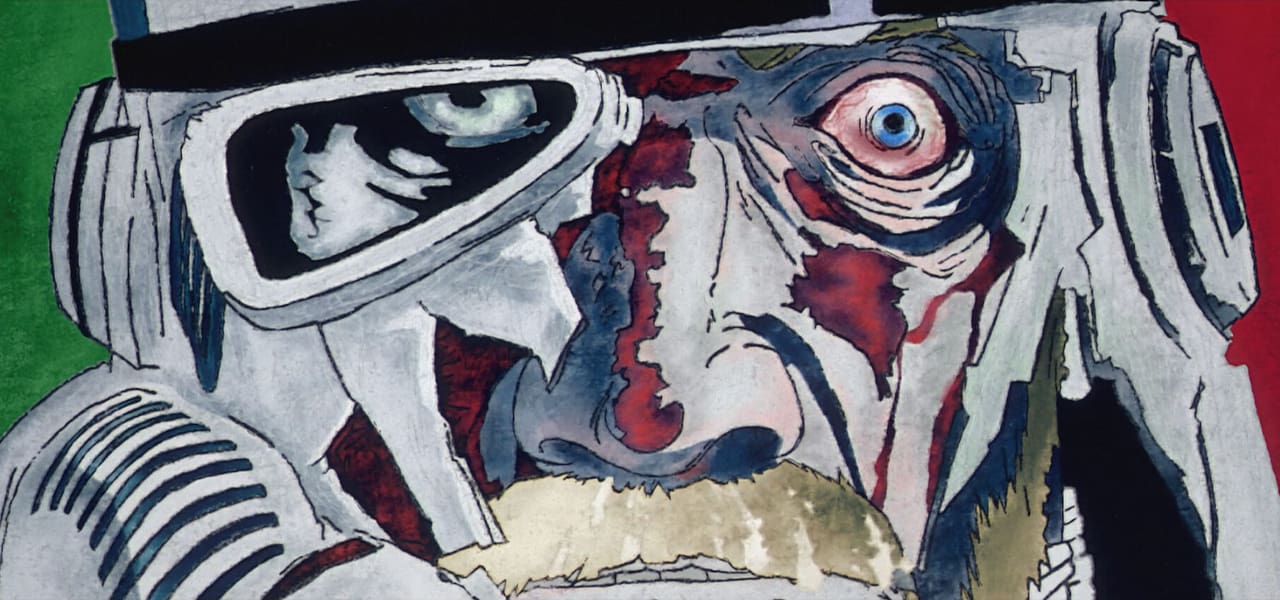
The Star Wars franchise has long been defined by its grand scale—galactic civil wars, the clash of light and dark, and the fate of entire star systems. However, with the release of Star Wars: Visions Volume 3, the series has moved into its most experimental and introspective territory yet. At the heart of this creative shift is "BLACK," a dialogue-free, impressionistic short film that eschews traditional heroics to explore the fractured psyche of an Imperial stormtrooper.
Directed by the legendary Shinya Ohira—whose credits include foundational works like Akira, Spirited Away, and the "Origin of O-Ren" sequence in Kill Bill: Vol. 1—and produced by David Production, "BLACK" has garnered significant critical acclaim. Not only did it receive an Emmy nomination, but it was also selected for the main shorts competition at the prestigious Annecy International Animation Film Festival. By turning the lens inward, Ohira has transformed the iconic destruction of the Death Star from a cinematic spectacle into a harrowing, subjective nightmare.
Main Facts: A Subversion of the Star Wars Mythos
Most Star Wars battles are presented with a degree of clarity designed to inform the viewer of the tactical stakes. Whether it is a propaganda-style reel for the Empire or a heroic underdog narrative for the Rebellion, the focus remains on the physical world. "BLACK" does the exact opposite. It traps the audience inside the deteriorating consciousness of a stormtrooper as his world literally disintegrates.
The film is characterized by its "full animation" style, a labor-intensive process where every frame is redrawn to accommodate a constantly shifting point of view. Unlike traditional 2D animation, which often relies on static backgrounds and compositing tricks to simulate depth, "BLACK" uses the protagonist as a literal camera. As the trooper moves through the three-dimensional space of a crumbling space station, the perspective of every character and object changes in real-time, requiring a frame-by-frame reimagining of the environment.
.png)
Key technical and narrative facts include:
- Director: Shinya Ohira, a veteran known for his loose, expressive "liquid" animation style.
- Production Studio: David Production, known for JoJo’s Bizarre Adventure and Fire Force.
- Narrative Structure: A dialogue-free stream of consciousness blending memory, guilt, and combat.
- Musical Score: A dissonant, upbeat jazz soundtrack composed by Sakura Fujiwara.
- Global Collaboration: A team of animators recruited globally via social media, including industry veterans and students.
Chronology: From Concept Art to Global Execution
The development of "BLACK" followed an unconventional path that mirrored its experimental nature. Unlike many animated projects where the score is composed after the animation is finalized, the music for "BLACK" was an integral part of the creative process from the earliest stages.
Phase 1: The Spiritual Core
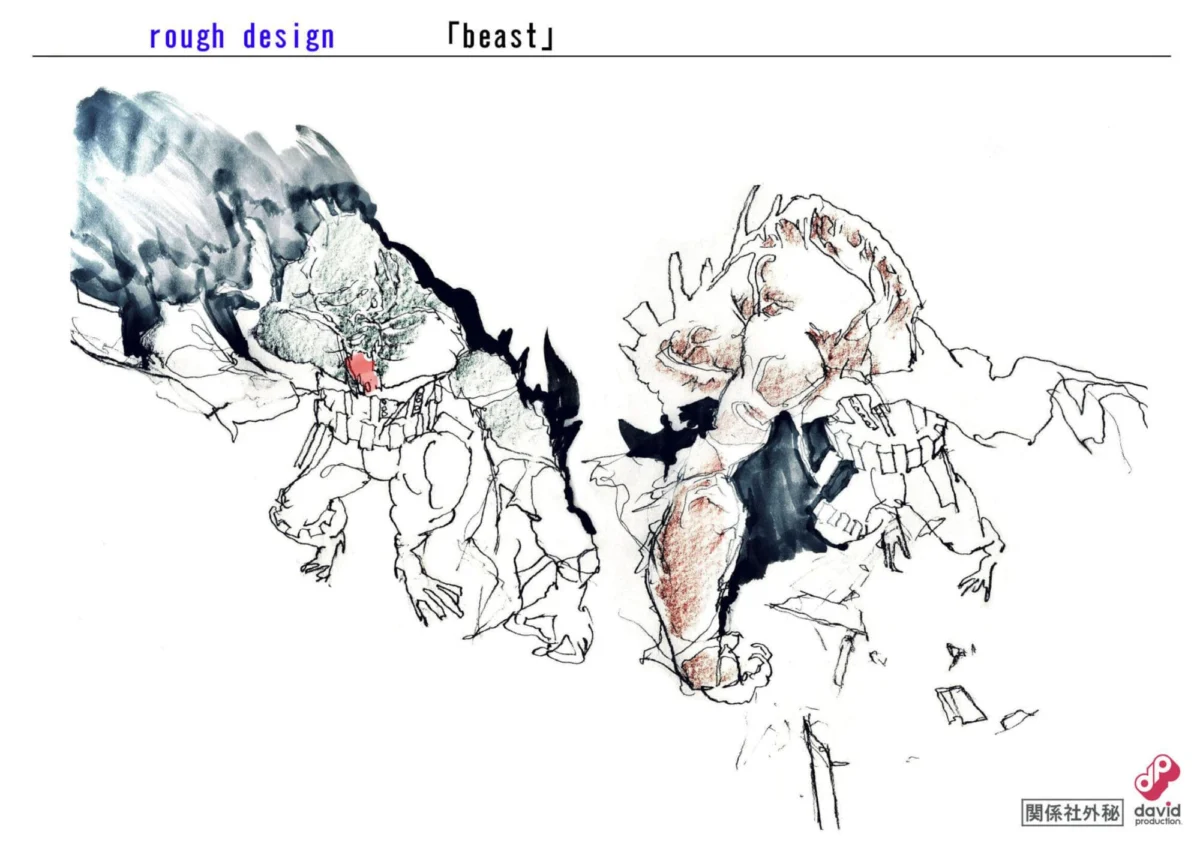
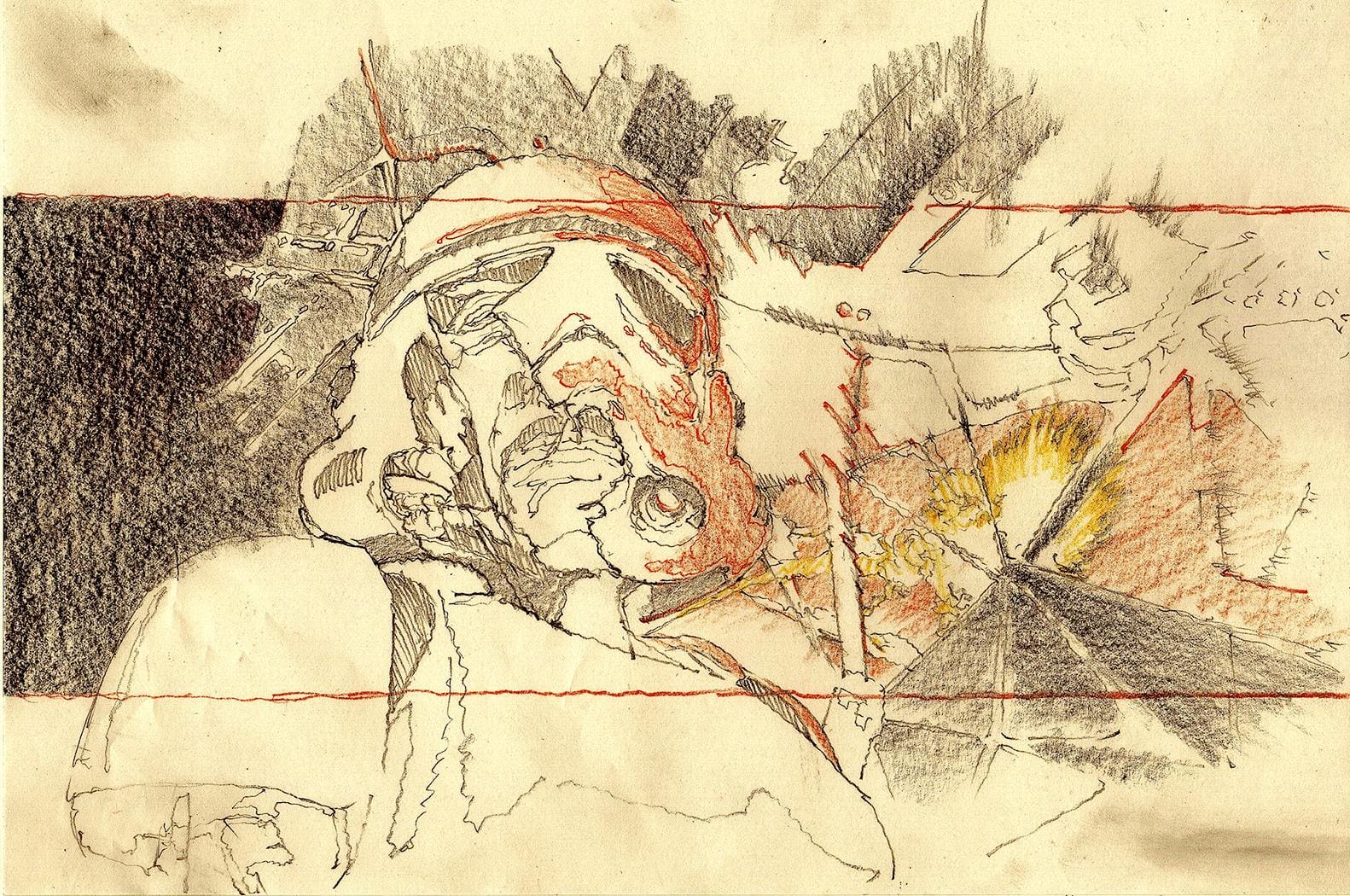
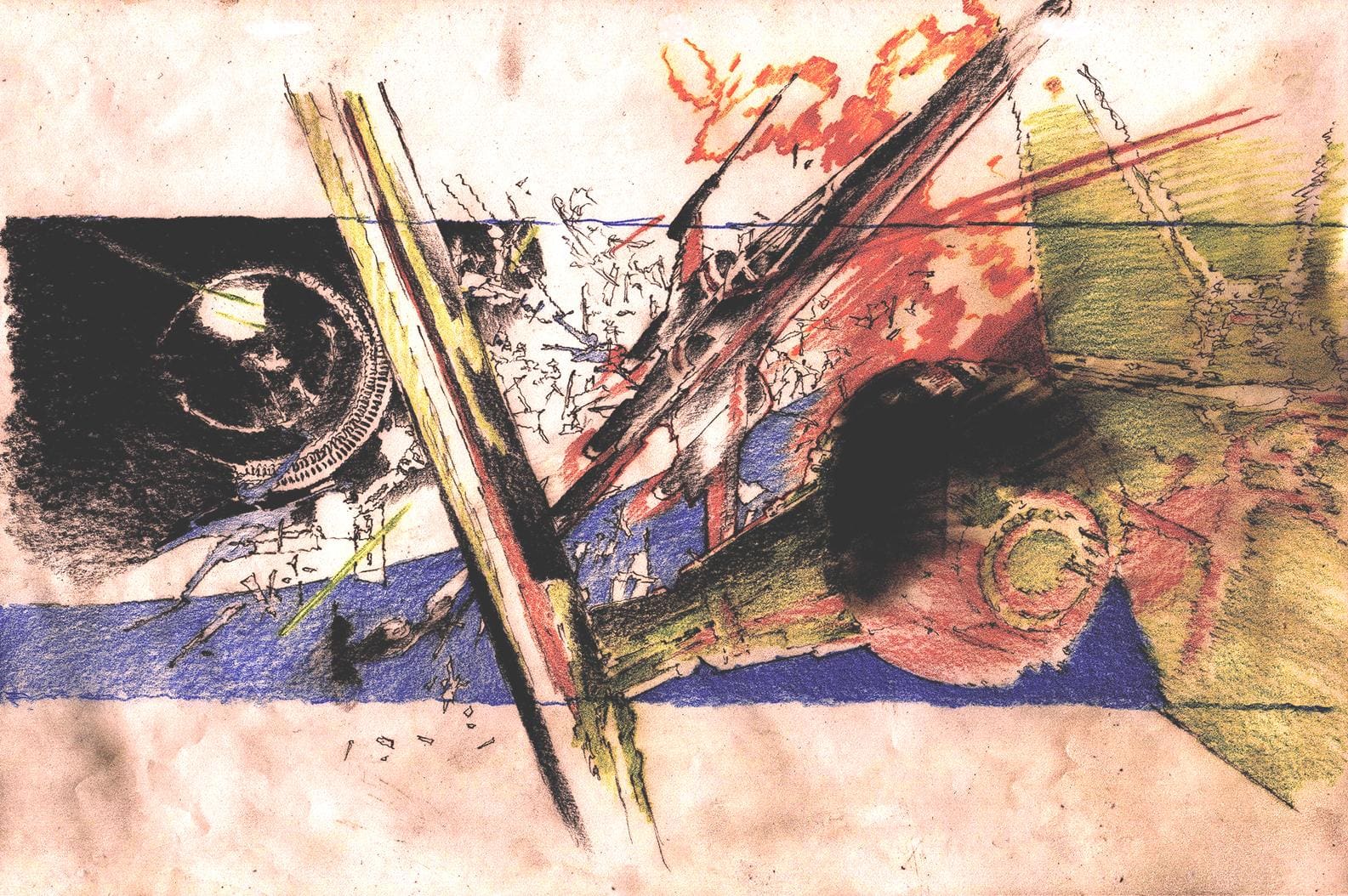
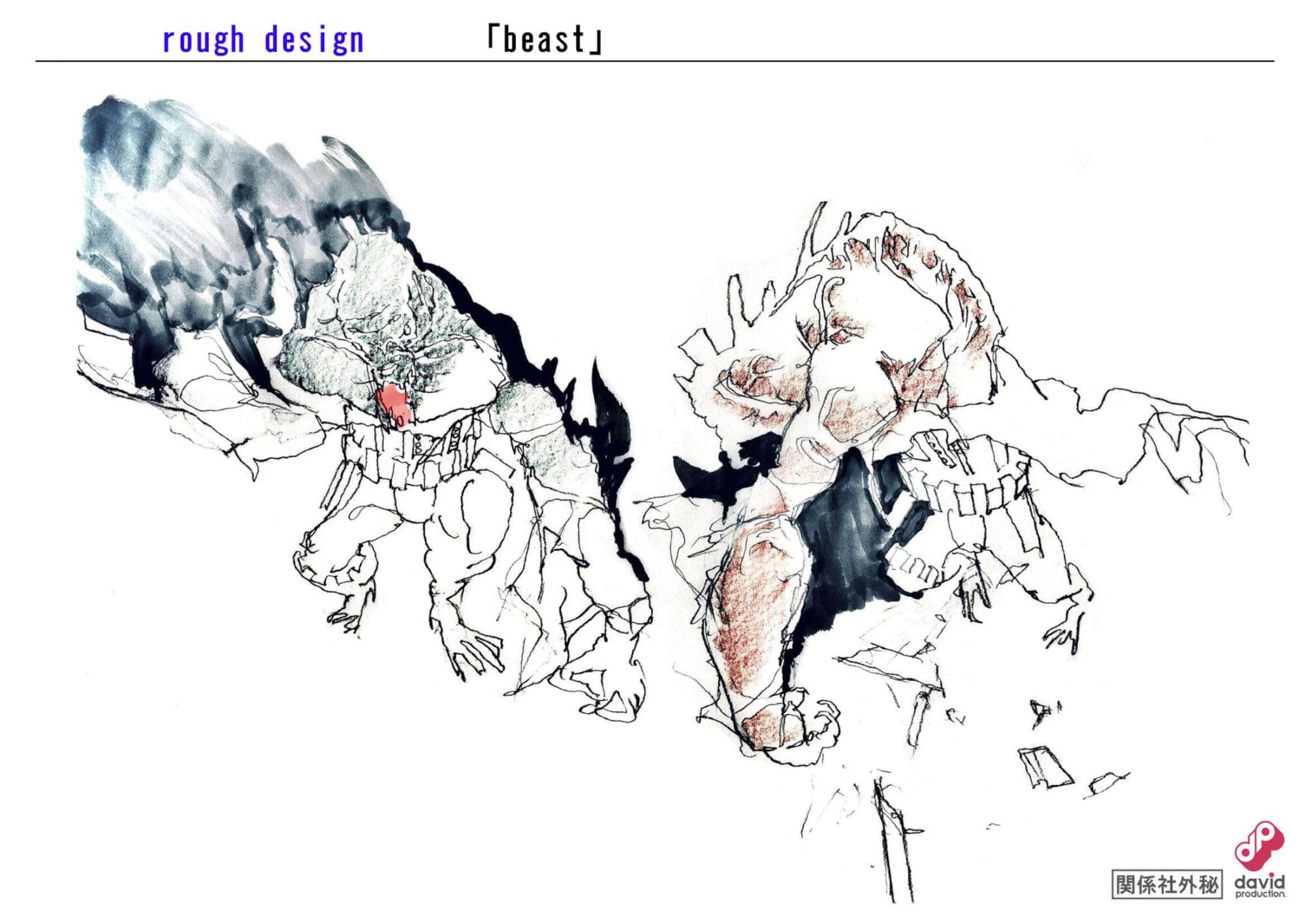
Shinya Ohira began the project by focusing on what he considered the film’s "spiritual realm." He started with Scene 2, which depicts a metaphysical battle between the protagonist and an alter ego. This sequence, characterized by intertwining red and green hues, served as the visual and emotional anchor for the entire short. Ohira’s goal was to depict a man in his 50s—an exhausted veteran without Force powers—struggling with the weight of his own history.
Phase 2: Musical Integration
Almost immediately after the initial concept art was drafted, the team enlisted singer-songwriter Sakura Fujiwara. The director shared his vision for the psychological tension of the film, and Fujiwara responded with a series of instrumental performances, humming, and live vocals. The music transitions from a simple, repetitive rhythm into a frenzied, uptempo swing jazz track. This score was adjusted to match the animatic (the rough storyboard sequence), allowing the animation and the rhythm to evolve in tandem.

Phase 3: The Global Talent Search
The production of "BLACK" was a testament to the modern, decentralized nature of the animation industry. Producer Jacob Ayres and Ohira turned to X (formerly Twitter) to find animators whose styles resonated with Ohira’s vision. This organic recruitment process bypassed traditional agency channels, bringing together a diverse group of artists from China, the United Kingdom, France, Germany, Austria, Australia, Poland, and the Philippines. Remarkably, the crew included several students who had not yet made their professional debuts, some of whom were entrusted with entire scenes.
Supporting Data: The Technical Challenge of "Full Animation"
The visual density of "BLACK" is the result of a specific technical choice: the rejection of standard compositing shortcuts. In typical 2D animation, a "compositing camera" moves across a static background. To suggest depth, elements are slid or rotated. However, because "BLACK" is largely told through a first-person point of view (POV), these techniques were insufficient.
The POV Constraint
In "BLACK," the stormtrooper’s head is the camera. When he turns, the entire three-dimensional world must shift in perspective. To achieve this without the use of heavy CGI, the team employed "full animation." This means that rather than panning a drawing, the animators redrew the background and the foreground elements for every single frame. This approach created a seamless, "one-shot" feel that reflects the phenomenon of one’s life flashing before their eyes during a moment of trauma.
Dissonance as a Narrative Tool
The use of Sakura Fujiwara’s jazz score provides a striking contrast to the onscreen violence. While the visuals depict the loss of a limb and the shattering of a mask, the music remains buoyant. This dissonance serves to highlight the protagonist’s mental break—the jazz represents a "reassuring" past or a mental escape from the horrific reality of the present.
Official Responses: Insights from Shinya Ohira
In an exclusive interview, Shinya Ohira expanded on the creative philosophy that drove the production of "BLACK." He emphasized that the film was designed to be felt rather than explained.
On the Representation of Violence:
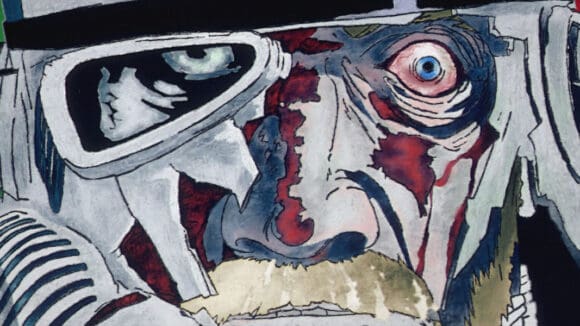
Ohira noted that while the Star Wars universe has constraints regarding gore, he wanted the combat to feel "visceral and modern." He stated, "We conveyed realism by emphasizing the physical toll on the protagonist, including the damage to his mask during combat and the loss of his dominant arm." The goal was to make the violence recognizable through its impact on the individual rather than through "mangled flesh."
On the Subjective Experience:
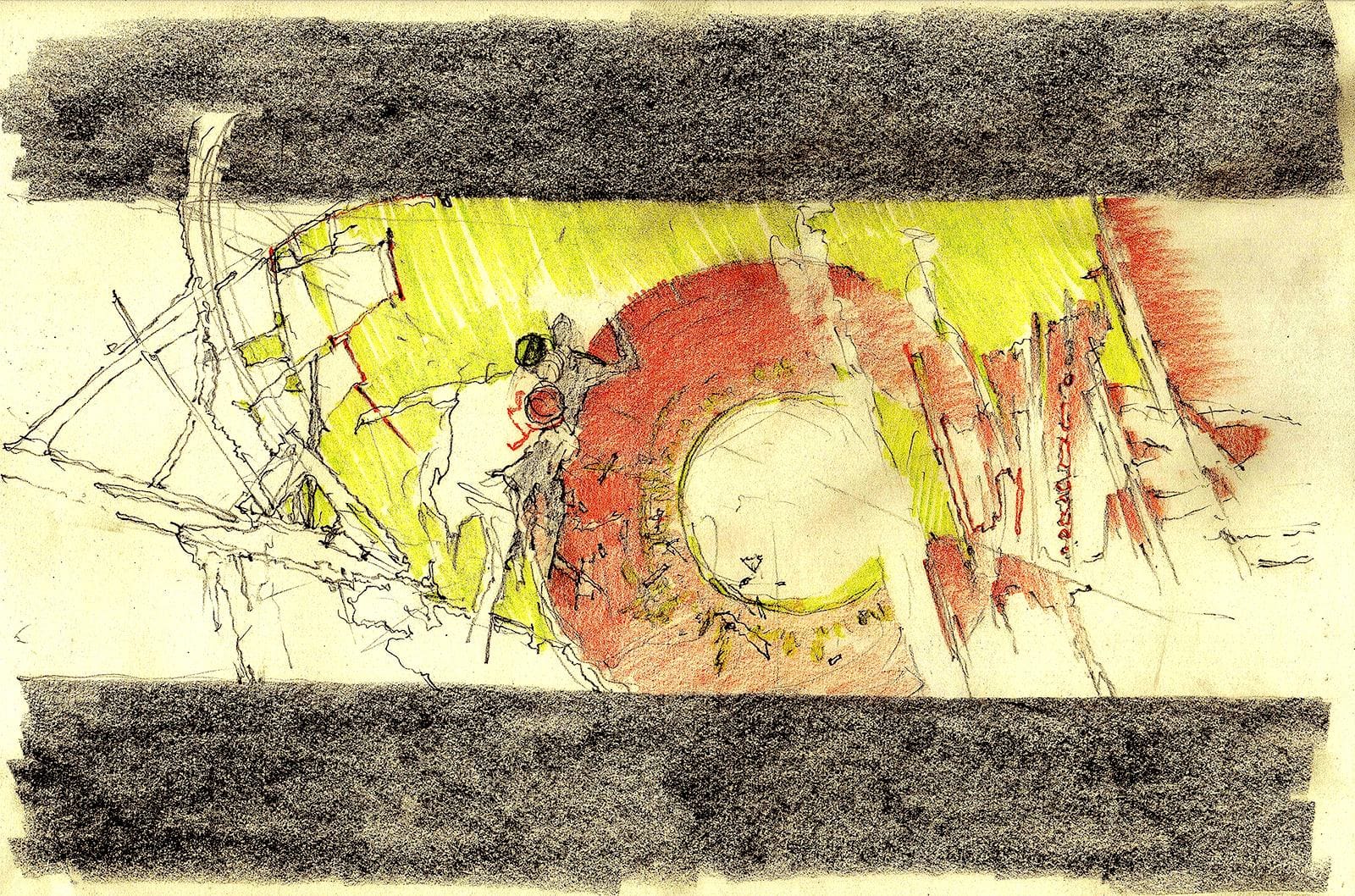
"By adopting a subjective point of view for almost the entire film, we undertook the task of full animation," Ohira explained. "Transitions between scenes and locations unfold seamlessly, without a single cut… reflecting the protagonist’s actual vision or mental imagery." He believes this technique allows the audience to experience the "spiritual realm" where the character’s past and present collide.
On the Collaborative Process:
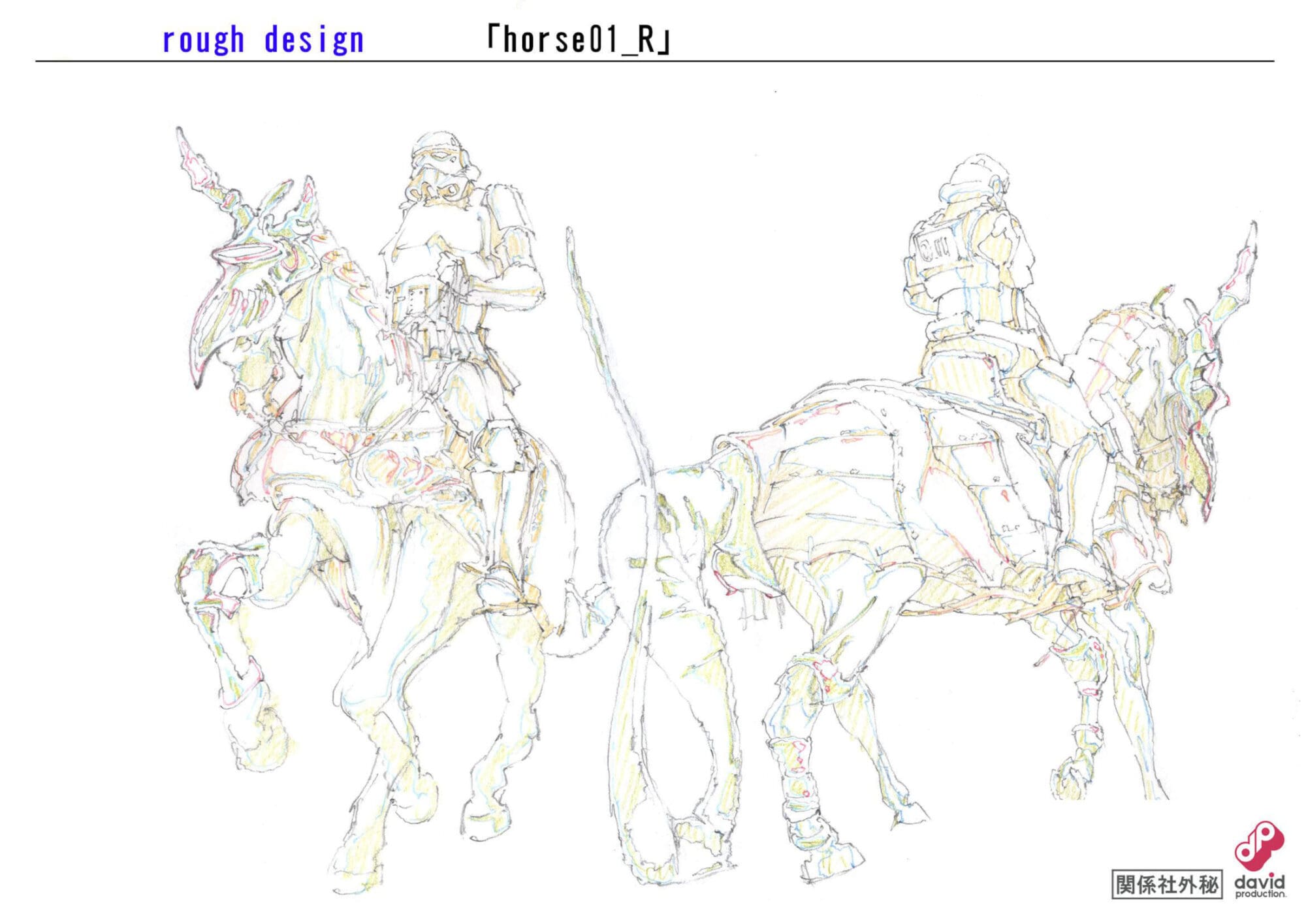
Ohira expressed deep gratitude for the young animators who joined the project. "I was amazed to see the final visuals surpass anything I had imagined," he said. The director highlighted that the "subjective point of view" was a collective effort, with each animator providing their own interpretation of his signature loose, expressive style.
Implications: A New Direction for Star Wars and Animation
The success of "BLACK" has several implications for the future of the Star Wars franchise and the broader animation industry.
1. Humanizing the "Pawn"
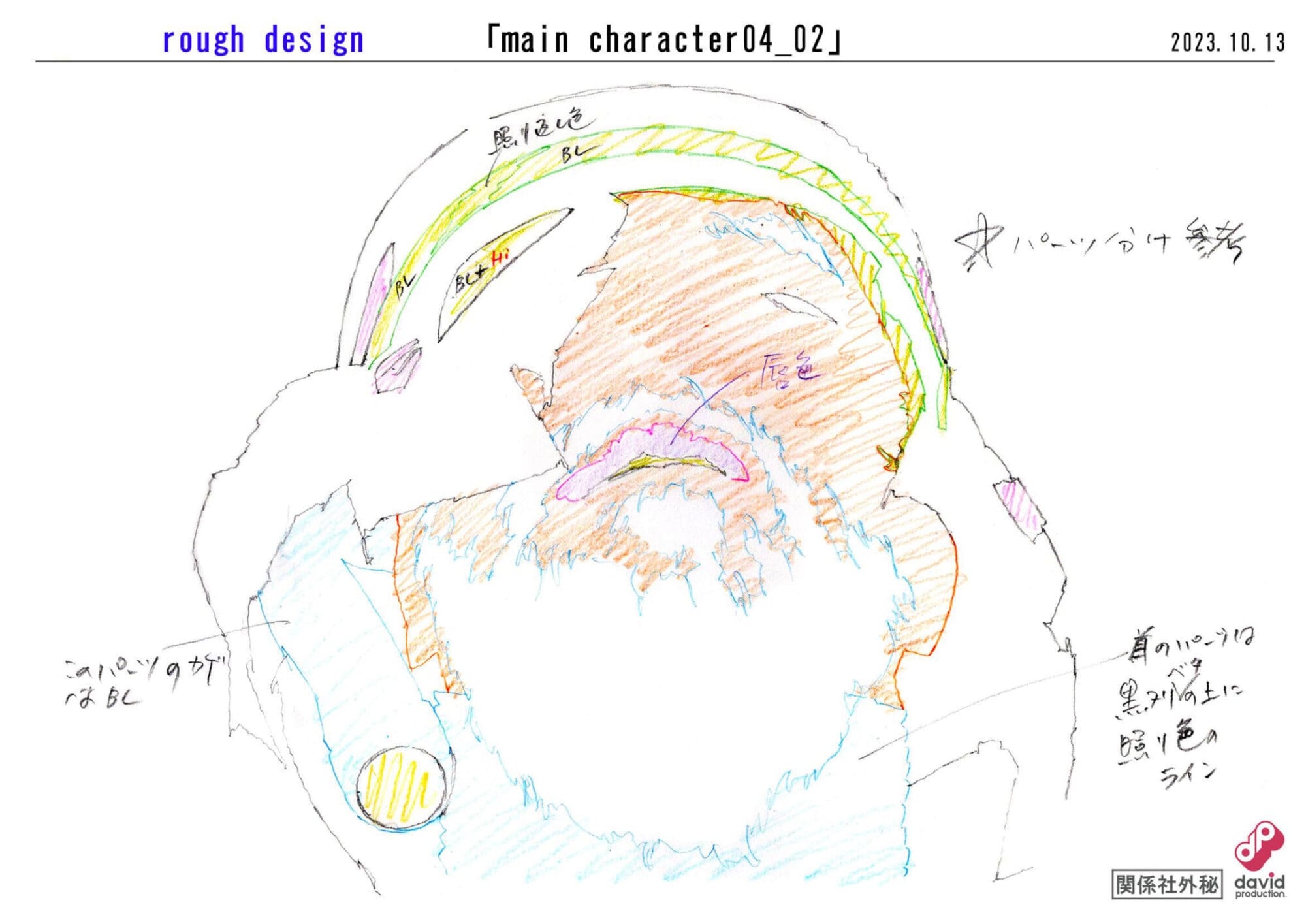
For decades, stormtroopers have been treated as faceless, expendable targets. "BLACK" challenges this trope by forcing the viewer to inhabit the helmet of a soldier. By focusing on a character who is "around 50 years old and lacking any Force-like powers," the film grounds the Star Wars mythos in human tragedy. It suggests that even within a galaxy of Jedi and Sith, the most compelling stories may belong to the "pawns" of the Empire.
2. The Democratization of Talent
The production model used by David Production—recruiting talent via social media and giving students significant creative control—highlights a shift in how high-profile projects are staffed. By looking beyond the established industry hubs in Tokyo or Los Angeles, the producers were able to find fresh, idiosyncratic voices that contributed to the film’s unique aesthetic.
3. The Power of Non-Verbal Storytelling
"BLACK" proves that a complex, emotional narrative can be told without a single line of dialogue. Through the use of rhythm, color, and perspective, the film communicates the weight of war and the fragility of the human mind. This "visual-first" approach aligns with the original intent of Star Wars: Visions—to allow creators to reinterpret the galaxy through their own cultural and artistic lenses.
As Star Wars: Visions continues to evolve, "BLACK" stands as a benchmark for what is possible when a legendary director is given the freedom to experiment. It is a film that demands multiple viewings, not just to catch the technical details of its "full animation," but to fully grasp the emotional depth of a character who, until now, was just another white-armored figure in the background of a galactic war.