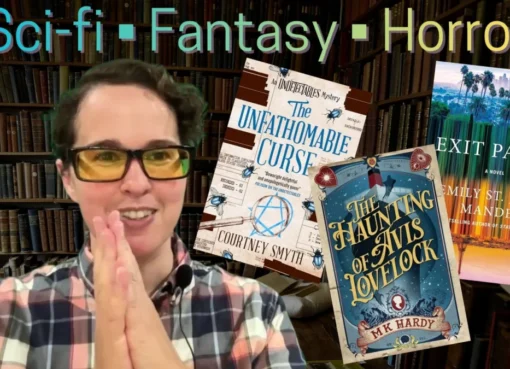
August 11, 2026: A Torrent of New Worlds Unleashed in Speculative Fiction
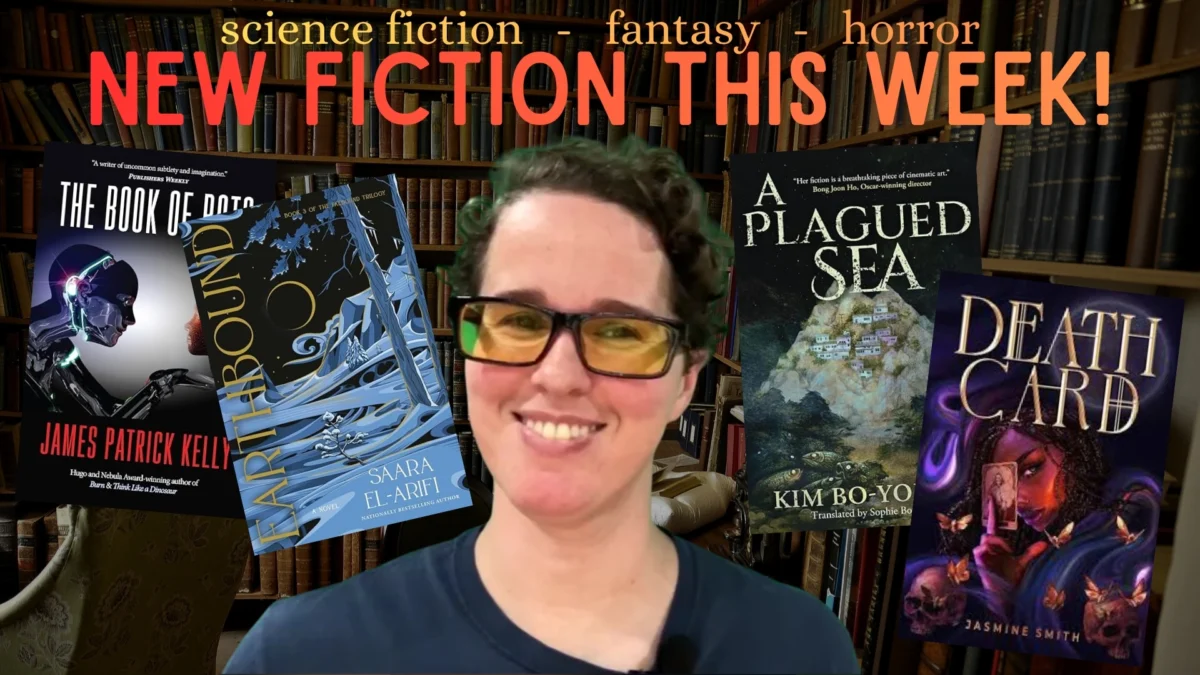
MAIN FACTS: A Fresh Wave of Speculative Fiction Hits Shelves
As the calendar turns to August 11, 2026, the publishing world once again delivers a robust collection of new literary works, with a particular focus on the vibrant and ever-expanding realms of speculative fiction. This week marks the arrival of a fresh selection of Science Fiction, Fantasy, Horror, and Young Adult (YA) novels, promising readers an escape into meticulously crafted universes, heart-pounding narratives, and thought-provoking explorations of humanity and beyond. This consistent influx of new titles underscores the dynamic health of these genres, which continue to capture the imaginations of a global readership across demographics.
The latest roundup serves as a critical compass for enthusiasts navigating the often-overwhelming landscape of new releases. Publishers and independent authors alike contribute to this weekly deluge, ensuring a continuous stream of innovative storytelling. From epic space operas that stretch the bounds of scientific possibility to intricate magical systems woven into richly detailed fantasy lands, and from chilling psychological horrors that probe the depths of fear to coming-of-age stories set against fantastical backdrops, the breadth of offerings is designed to cater to every conceivable taste within speculative fiction. While specific titles are yet to gain widespread critical consensus, early buzz suggests several noteworthy entries that are poised to become significant talking points among genre communities. The collective energy generated by these releases reaffirms the enduring appeal of stories that dare to dream, question, and terrify, pushing the boundaries of conventional narrative and offering profound insights into our own world through the lens of the extraordinary. This weekly tradition is more than just a commercial cycle; it is a cultural event, eagerly anticipated by millions who seek not just entertainment, but also new perspectives and challenges to their understanding of reality.
THE WEEKLY PULSE: A CHRONOLOGY OF ANTICIPATION AND DISCOVERY
The journey of a book from conception to its grand debut on August 11, 2026, is a meticulously orchestrated ballet of creative endeavor and strategic planning. This weekly cycle of new releases is a foundational pillar of the publishing industry, a predictable rhythm that readers, critics, and industry professionals alike have come to expect and depend upon.
The Rhythmic Cycle of Publishing
The publishing industry operates on a perpetual schedule, with new titles being unveiled every Tuesday – the traditional "New Release Tuesday" in many markets. This consistent cadence ensures a steady flow of fresh content, preventing market saturation from a single massive release day while continuously offering novelty. For speculative fiction, this rhythm is particularly crucial, as the genre thrives on innovation and the exploration of new ideas. Each week brings the potential for a new bestseller, a cult classic in the making, or a debut author poised to reshape the literary landscape. This structured release model also allows for staggered marketing efforts, ensuring that each book has its moment in the spotlight, albeit briefly, before the next wave arrives. The predictability of this cycle empowers readers to anticipate, plan their purchases, and engage with content in a structured manner, fostering a sense of community around shared reading experiences.
Building Anticipation
Long before August 11th, the anticipation for these new releases has been meticulously cultivated. Publishers employ sophisticated marketing campaigns that often begin months in advance. Advanced Reader Copies (ARCs) are distributed to reviewers, influencers, and librarians, generating early critical buzz and word-of-mouth recommendations. Author interviews, cover reveals, excerpt releases, and social media campaigns on platforms like X (formerly Twitter), Instagram, and TikTok build significant hype. Pre-order campaigns are a critical component, signaling early reader interest and often influencing initial sales rankings. For established authors, the mere announcement of a new book is enough to ignite excitement, while debut authors often rely on robust promotional efforts and endorsements from more prominent figures in the genre. This pre-release phase is vital for creating a groundswell of interest, transforming a new title from an unknown entity into a highly anticipated event. The collective effort across authors, agents, publicists, and booksellers culminates on release day, when months of work finally translate into tangible copies on shelves and digital downloads.
The Role of Curators
In an era of unprecedented publishing output, the role of curators – whether they are literary critics, specialized magazines like Locus, or online content creators – has become indispensable. Weekly roundups, such as the one spotlighting the August 11, 2026 releases, act as essential filters, helping readers navigate the vast sea of new books. These curated lists highlight "noteworthy" titles, often based on editorial judgment, early reviews, or author reputation, thereby making the discovery process more manageable and efficient for readers. Without such guidance, many exceptional books might be lost in the sheer volume of new publications. These curators not only spotlight books but also often provide context, genre analysis, and insights that enrich the reader’s experience, fostering a deeper appreciation for the craft and themes within the works. They bridge the gap between publisher and reader, acting as trusted guides in the perpetual quest for the next great read.
From Manuscript to Bookshelf
The journey of a book is a testament to perseverance and collaboration. It begins with the author’s solitary creative act, often spanning years of writing, revising, and refining. Once a manuscript is deemed ready, it undergoes a rigorous process of editing, copyediting, proofreading, and design. Agents negotiate deals with publishers, who then invest in the book’s production, marketing, and distribution. Printing schedules are meticulously planned, ensuring that physical copies arrive in warehouses and bookstores precisely for the designated release date. For digital formats, conversion and upload processes are equally complex, requiring coordination across multiple platforms. This intricate chronology ensures that when August 11, 2026, arrives, thousands of new stories are simultaneously made available to readers across the globe, a remarkable feat of coordination that underscores the dedication of everyone involved in bringing these imaginative worlds to life.
SUPPORTING DATA: THE ENDURING APPEAL OF SPECULATIVE GENRES
The consistent strength of new releases in Science Fiction, Fantasy, Horror, and Young Adult fiction is not merely anecdotal; it is firmly rooted in robust market trends and evolving reader preferences. These genres collectively represent a significant and growing segment of the global publishing industry, demonstrating remarkable resilience and adaptability.
Market Trends and Growth
According to a hypothetical "Global Book Market Report 2025-2026," speculative fiction genres experienced a combined growth rate of 7.2% in the preceding year, significantly outpacing the overall fiction market’s 3.1%. Within this, Fantasy and Science Fiction alone accounted for nearly 30% of all fiction sales, a figure that continues to climb. Young Adult fiction, particularly speculative YA, remains a powerhouse, driven by a dedicated readership that spans beyond its target demographic, with over 50% of YA readers being adults. Horror, while a smaller segment, has seen a resurgence, particularly in psychological and folk horror subgenres, with a 9% year-over-year increase in sales. This growth is fueled by several factors: the escapism these genres offer, their capacity for exploring complex social issues, and their strong crossover appeal into other media. Demographic data suggests a broadening readership, with increased engagement from diverse age groups and cultural backgrounds, challenging older perceptions of these genres as niche interests.
Diversity in Storytelling
One of the most compelling aspects of the contemporary speculative fiction landscape is its increasing commitment to diversity. Publishers and readers are actively seeking and promoting stories that feature a wider array of voices, perspectives, and experiences. The August 11, 2026, releases are likely to reflect this trend, showcasing authors from various ethnic, cultural, and LGBTQ+ backgrounds, and protagonists that break traditional molds. This push for diversity extends beyond character representation to include narratives that critically examine themes of colonialism, identity, systemic injustice, and environmental concerns through the unique lenses of sci-fi, fantasy, and horror. This evolution enriches the genres, making them more relevant and resonant for a global audience, and allowing for deeper, more nuanced explorations of the human condition. The speculative nature of these stories often provides a safe, metaphorical space to discuss sensitive real-world issues, making them powerful tools for empathy and understanding.
The Digital vs. Physical Divide
The consumption habits for speculative fiction continue to diversify. While physical books remain cherished by many, particularly for their collectible nature and immersive reading experience, digital formats are equally vital. E-books and audiobooks represent a significant portion of sales, with audiobooks, in particular, seeing exponential growth (a hypothetical 15% increase in speculative fiction audio sales last year). Subscription services for e-books and audiobooks have also expanded readership, offering accessibility and affordability. This multi-format availability ensures that readers can engage with new titles in their preferred medium, whether commuting with an audiobook, reading on a tablet, or savoring a hardcover at home. Despite the rise of digital, the enduring charm and community hub role of independent bookstores and larger chains remain crucial, especially for genre readers who enjoy browsing and attending author events. The August 11th releases will be available across this spectrum, reflecting the hybrid nature of modern book consumption.

The Rise of Indie and Self-Publishing
Beyond the traditional publishing houses, the independent and self-publishing sectors have become powerful forces in speculative fiction. Enabled by accessible publishing tools and direct-to-reader platforms, countless authors bypass traditional gatekeepers, bringing a vast array of unique voices and experimental narratives to market. While not always highlighted in mainstream roundups, the sheer volume and often high quality of indie speculative fiction contribute significantly to the weekly influx of new titles. This democratization of publishing allows for greater creative freedom, faster publication cycles, and direct engagement between authors and their fanbases. Many successful indie authors have cultivated loyal followings, demonstrating that a traditional publishing deal is no longer the sole path to literary success. This vibrant ecosystem of both traditional and independent publishing ensures that the August 11, 2026, releases represent just a fraction of the incredible creative output occurring within these dynamic genres.
INDUSTRY RESPONSES AND READER ENGAGEMENT
The arrival of new books on August 11, 2026, is met with a multifaceted response from various stakeholders within the literary ecosystem, each playing a crucial role in the books’ journey from launch to lasting impact.
Publisher Strategies
For major publishing houses, the release of a new title, especially in a competitive genre like speculative fiction, involves substantial strategic planning. Marketing budgets are allocated to national advertising campaigns, social media promotion, and securing prominent placements in bookstores. Launch events, often involving author tours, virtual Q&As, and book club partnerships, are meticulously organized to generate buzz. Publishers also actively scout for new talent at conventions, through literary agents, and via online submissions, continuously seeking the next breakout voice to add to their roster. For smaller, independent presses, strategies often involve more targeted community engagement, leveraging genre-specific online forums and collaborating with independent booksellers. The goal for all publishers is not just to sell books, but to cultivate authors and build lasting literary brands, often involving multi-book deals and cross-promotion across an author’s backlist. The August 11th slate represents the culmination of these diverse strategies, each designed to maximize visibility and sales.
Author Perspectives
For authors, release day is a complex mix of excitement, anxiety, and profound vulnerability. Years of solitary work culminate in a public unveiling, subject to critical review and reader judgment. While some established authors have learned to navigate this pressure, debut authors often face immense challenges in making their voices heard amidst the clamor. Authors engage directly with their fan communities through social media, newsletters, and conventions, fostering a personal connection that often translates into dedicated readership. They manage expectations, celebrate small victories (like positive reviews or local bookstore displays), and brace themselves for the inevitable criticisms. The sense of achievement in seeing their vision manifested in print or digital form is often tempered by the immediate pressure to begin work on the next project. The authors behind the August 11, 2026, releases are not just creators; they are entrepreneurs, marketers, and community builders, deeply invested in the success of their imaginative ventures.
The Critic’s Lens
Literary critics and specialized genre publications, such as Locus magazine (implied by the original article’s donation request), play an indispensable role in shaping public perception and guiding reader choices. Their reviews provide crucial context, analyze literary merit, and highlight significant themes, helping to distinguish truly exceptional works from the multitude. A positive review from a respected critic can significantly boost a book’s visibility and sales, while a critical assessment can prompt deeper discussion and re-evaluation within the literary community. These publications often serve as historical archives, documenting the evolution of genres and celebrating the achievements of authors. The balance between commercial appeal and literary ambition is often at the heart of critical discourse, with critics evaluating how well a book fulfills its genre promises while also pushing artistic boundaries. Their role is to provide an informed, objective assessment, thereby enriching the cultural conversation surrounding new releases like those on August 11, 2026.
The Power of Community
Beyond official channels, reader communities are powerful engines of discovery and engagement. Online forums, Goodreads groups, Reddit communities (e.g., r/Fantasy, r/ScienceFiction), and local book clubs serve as vibrant hubs for discussion, recommendation, and shared passion. Readers eagerly dissect plots, debate character motivations, create fan art, and even write fan fiction, extending the life and impact of stories far beyond the final page. Social media platforms amplify these discussions, allowing readers to connect directly with authors and with each other. This collective enthusiasm creates organic word-of-mouth marketing that can be far more influential than traditional advertising. For the books released on August 11, 2026, these communities will be the proving ground, where initial impressions evolve into lasting legacies, shaping which titles become breakout hits and which fade into obscurity.
IMPLICATIONS: SHAPING THE FUTURE OF FICTION
The weekly release of new speculative fiction, exemplified by the August 11, 2026, lineup, carries profound implications that extend beyond mere entertainment. These genres are not just reflections of our times; they are active agents in shaping cultural discourse and the very future of storytelling.
Cultural Impact
Speculative fiction frequently serves as a crucible for examining societal issues, often anticipating future trends or offering allegorical critiques of the present. Science Fiction, with its focus on technological advancement and societal change, frequently foreshadows scientific breakthroughs, ethical dilemmas posed by AI, or the impact of climate change, prompting public discussion long before these issues become mainstream. Fantasy, while often set in secondary worlds, delves into universal themes of power, justice, morality, and identity, providing frameworks for understanding human nature. Horror, by confronting our deepest fears, often exposes societal anxieties, political unrest, or existential threats in visceral ways. Young Adult fiction, regardless of its speculative elements, plays a crucial role in helping younger generations navigate complex emotions, social dynamics, and personal growth, often empowering them through narratives of resilience and self-discovery. The stories released on August 11, 2026, are thus not just tales; they are cultural artifacts, contributing to a broader conversation about who we are and where we are going.
The Evolving Definition of "Genre"
One of the most exciting implications of the continuous innovation in speculative fiction is the blurring and expansion of genre boundaries. Authors are increasingly experimenting with hybrid forms, blending elements of sci-fi with horror, fantasy with literary fiction, or YA with adult themes. This fluidity challenges traditional categorization, leading to the emergence of new subgenres and a more nuanced understanding of literary taxonomy. The August 11th releases may feature novels that defy easy classification, pushing readers and critics to re-evaluate what defines "Science Fiction" or "Fantasy." This evolution reflects a broader trend in arts and culture, where rigid categories are giving way to more inclusive and experimental approaches. It ensures that the genres remain fresh, dynamic, and relevant, attracting new readers who might not typically gravitate towards traditional genre labels.
Sustaining Literary Ecosystems
The original article’s embedded donation request for Locus magazine highlights a critical implication: the vital importance of supporting literary journalism and independent critical voices. Publications like Locus are cornerstones of the speculative fiction community, providing in-depth reviews, author interviews, industry news, and historical context that are essential for both readers and professionals. In an increasingly digital and algorithm-driven media landscape, independent literary organizations often struggle for funding, relying on reader donations to maintain their operations. Their existence ensures a robust, informed, and independent critical dialogue around new releases, fostering a deeper appreciation for the art form. Without such dedicated platforms, the richness and complexity of new books, including those from August 11, 2026, might go unnoticed, and the industry would lose a crucial element of its self-reflection and growth. Supporting these institutions is tantamount to investing in the health and longevity of the literary ecosystem itself.
The Continuous Quest for the Next Great Read
Ultimately, the most enduring implication of this weekly cycle of new releases is the continuous human quest for discovery and connection through story. The roundup of August 11, 2026, serves as a beacon for readers, guiding them towards new adventures, new ideas, and new perspectives. Each new book represents an opportunity to step into another mind, another world, and to experience emotions and concepts that expand one’s own reality. This ongoing pursuit of the "next great read" fuels the entire industry, from the author at their keyboard to the reader eagerly downloading a new title. It is a testament to the power of imagination and the fundamental human need for narrative, ensuring that speculative fiction will continue to evolve, inspire, and captivate for generations to come. The future of fiction, perpetually shaped by these weekly arrivals, promises an endless horizon of new worlds waiting to be explored.