The Enduring Power of the Hero: Why We Still Need Stories of Courage and Virtue
In an era often characterized by moral ambiguity and the complexities of the human condition, the call for stories that champion heroism might seem like a quaint echo from a simpler time. Yet, for many, the conviction that we need heroic narratives is a foundational belief, a hill they are prepared to die on. This isn’t about a simple preference for protagonists; it’s about a deeper human yearning for tales that illuminate courage, virtue, and the transformative power of standing firm against adversity.
While the term "protagonist" has become almost interchangeable with "hero" in casual conversation, their meanings diverge significantly. A protagonist is, fundamentally, the engine of a story’s plot, the character around whom the narrative revolves. Their journey, their choices, and their obstacles drive the momentum of the tale. However, there is no inherent moral imperative attached to the role of a protagonist. They can be flawed, selfish, or even villainous, and their actions do not necessarily reflect virtue or courage. Indeed, the contemporary literary and cinematic landscape is replete with antiheroes and morally complex characters, reflecting a societal fascination with the "gray areas" of human nature.
This embrace of moral complexity is not without its merits. Stories that delve into the shadows of the human psyche, that explore our vulnerabilities and confusions, are vital. They offer catharsis for our suffering and provide a mirror to the multifaceted reality of life. Tragedies, in particular, can serve a profound purpose, allowing us to process difficult emotions and existential questions. However, in our sophisticated pursuit of nuanced narratives, there’s a risk of inadvertently devaluing the potent impact of truly heroic stories.

Genre fiction, such as action-adventure and romance, often culminating in a "happily ever after," is sometimes dismissed as less artistically significant than more ambiguous or critically acclaimed works. Yet, a closer examination reveals that the underlying symbolic structure of many story arcs is inherently heroic. These narratives often depict a journey of transformation: shedding the false, enduring trials, and emerging reborn. They guide us through darkness towards the dawn, offering a profound gift by illustrating what is possible when hope and courage prevail. While disillusionment has its place in storytelling, the enduring need for tales that ignite the archetype of heroism within our imaginations remains paramount.
A Personal Journey into the Heart of Heroism
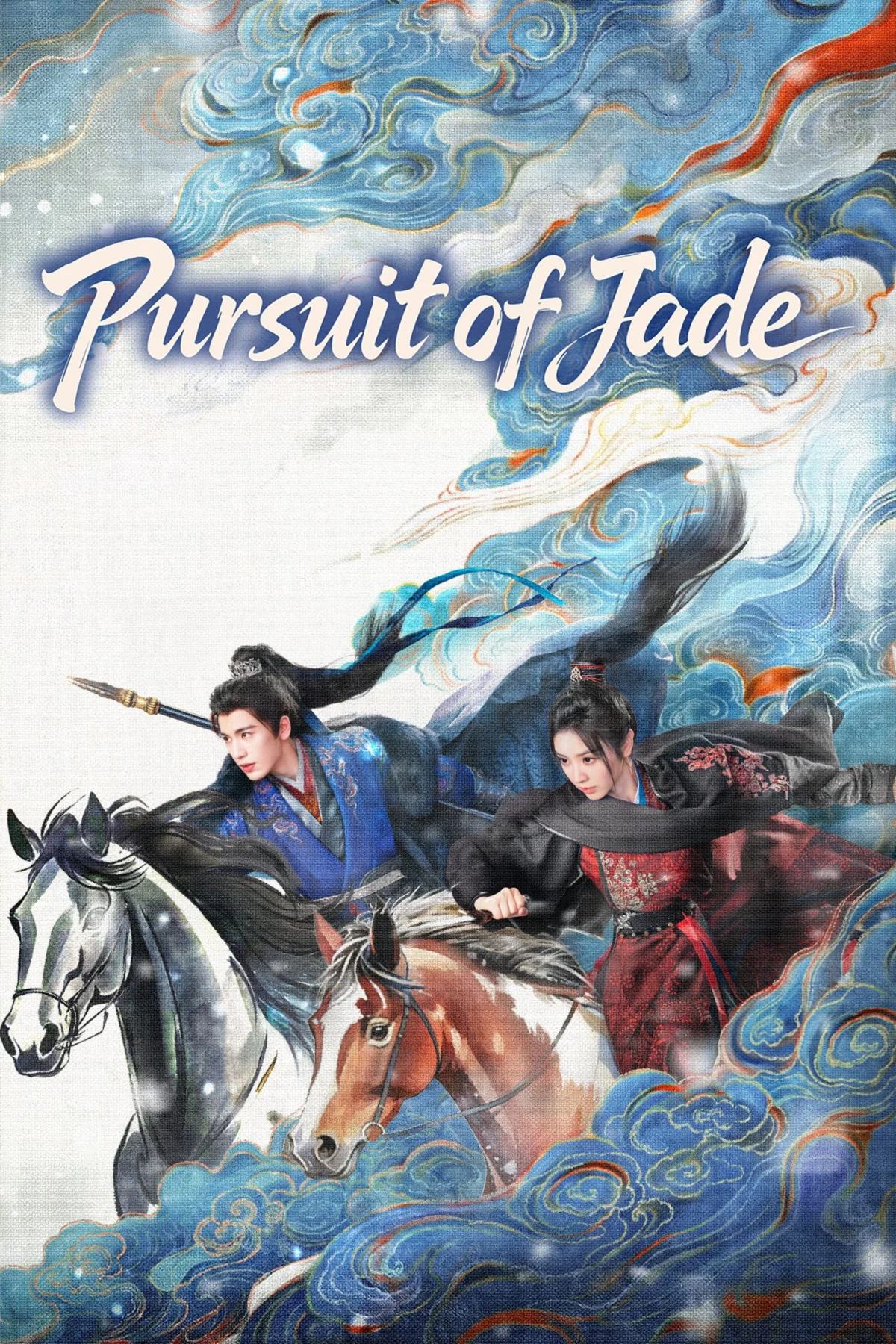
This conviction was recently reinforced for the author by an unexpected encounter with the world of Asian dramas, specifically the Chinese historical epic, Pursuit of Jade. What began as a casual viewing experience quickly evolved into a profound appreciation for its narrative power and, more importantly, its potent evocation of heroic ideals.
The series, set in a richly imagined medieval China, introduces us to Fan Changyu, a young woman from humble beginnings. Burdened by the recent murder of her parents and the responsibility of caring for her younger sister, she toils in the family’s pig butchering business – a trade considered ignoble for a woman of her station. Her life takes an unexpected turn when she discovers a grievously wounded man, Xie Zheng, hidden in the snow. Driven by an innate sincerity and goodness, Changyu risks her own safety to bring him home and nurse him back to health.

Unbeknownst to her, the man she saved is Xie Zheng, a powerful general and nobleman. To repay her kindness and circumvent legalities that would allow her home to be seized by a dissolute uncle, Zheng agrees to a nominal marriage into her family. This arrangement, born of necessity, blossoms into genuine love as their lives become intertwined. Their burgeoning romance, however, is soon overshadowed by war and a conspiracy that led to her parents’ deaths. Changyu embarks on an epic quest, transforming into a formidable warrior and hero in her own right, ultimately reuniting with Zheng. Together, they must confront the forces that threatened their families and safeguard the empire.
Pursuit of Jade delivers a captivating blend of stunning visuals, an evocative soundtrack, heartwarming humor, and a compelling slow-burn romance. The narrative sweeps the viewer through grand wartime spectacles and intimate character moments, eliciting laughter, tears, and exhilaration. Despite minor structural and pacing issues in its later half, the series achieved something remarkable: it provided a "story high" that the author hadn’t experienced in years, serving as a potent reminder of why such narratives are more than mere entertainment.
The Night the Flames Flickered: A Real-World Test of Courage
The impact of Pursuit of Jade was amplified by a terrifying personal experience shortly after finishing the series. In the early hours of the morning, a phone call from her father jolted the author awake with a stark warning: "You’ve got fires around you." Living on the edge of a high-risk wildfire area in Nebraska, a region grappling with an extreme drought exacerbated by a dry winter, the news was particularly alarming. The state had already witnessed devastating fires, including the Morrill Fire, the worst in its history, and the South Fork Fire, consuming nearly a million acres.

The fire in question was situated in the hills just two miles from the author’s home, with flames reportedly towering over nearby structures. Compounding the danger was a Red Flag Day, with strong winds blowing directly towards her neighborhood. Yet, in a twist of fate, the wind unexpectedly subsided for a crucial hour at dusk, providing neighbors and firefighters with the window they needed to contain the blaze before it reached her doorstep.
While the story ultimately has an anticlimactic resolution, the experience of receiving that phone call and calmly initiating her emergency "go plan" was indelibly linked to the heroic narrative she had just absorbed. The images, emotions, and archetypes from Pursuit of Jade became a conduit to her own courage and resolve. In the days that followed, as the adrenaline subsided and the visceral reality of the near-disaster settled in, the author recognized the profound power of heroic stories. They don’t just entertain; they equip us, imprinting the promise that we can indeed walk through hardship, even when faced with seemingly insurmountable odds.
How Stories Forge Courage Before It’s Needed
The experience cemented the author’s belief in the power of "mythic storytelling"—narratives that transcend the rational mind and tap directly into the imaginal unconscious. These are stories that speak to a deeper, pre-linguistic, archetypal layer of human experience. Their power lies not in technical mastery or intricate symbolism, but in their direct communication with a primal part of ourselves.

As Carl Jung observed, symbols are spontaneous products that arise from a deeper wellspring than conscious thought. They hint at what is not yet known, resonating with a hidden aspect of our being. In that tense moment of potential crisis, it wasn’t a rational understanding of Pursuit of Jade that provided solace, but an archetypal recognition of the capacity for heroism within herself, mirrored by the story’s imagery. The narrative acted like a tuning fork, striking a chord that resonated with her own latent courage.
Ultimately, stories evoke and activate archetypes. They are a powerful, often subliminal technology. While the heroic throughline is fundamental to story structure, individual narratives can evoke a spectrum of human responses – from cowardice and cynicism to heroism and courageous hope. This capacity to inspire, to encourage, and to connect us with something larger than ourselves is story’s greatest gift, especially in the weariness of daily life and during those rare, terrifying moments when danger looms.
Crafting Tales of Inspiration: Six Principles for Writing Heroic Stories
Recognizing the profound impact of heroic narratives, writers can consciously cultivate this power in their work. Here are six guiding principles for crafting stories that inspire readers:

1. Channel Heroism Before You Write Heroic Characters
The ability to create resonant heroic stories begins with the author’s own capacity to connect with these archetypal forces. This often happens organically during the creative process—through daydreaming, outlining, drafting, and editing. The primal power of archetypes is contacted not through conscious intent, but when the writer acts as an "empty vessel," receptive to inspiration.
2. Write Heroic Archetypes, Not Just Heroic Actions
True heroic storytelling goes beyond simply depicting characters performing courageous deeds. While actions can be impactful, it is the embodiment of a Hero archetype—or another significant archetype—that elevates a story to a different caliber. Pursuit of Jade, for example, resonated deeply not just because of its heroic plot points, but because it felt like it embodied these elements with sincerity and honesty, returning them to their deeper archetypal significance.
3. Remember Heroic Characters Come in Many Archetypal Forms
The concept of heroism extends beyond the traditional "Hero" archetype. The Archetypal Life Cycle system, for instance, outlines six central transformation archetypes—Maiden, Hero, Queen, King, Crone, and Mage—each requiring immense courage. Steadfast archetypes like the Child, Lover, Parent, Ruler, Elder, and Mentor also embody forms of heroism. Even archetypes that might seem negative, such as the Tyrant or the Tempter, can ignite valuable responses when integral to the story arc.

4. Focus on the Feeling Readers Carry Away
Heroic stories need not always end happily or provide definitive answers. Their truth lies in the enduring feeling they leave with the reader. Aristotle’s concept of catharsis in tragedy highlights this: stories can purge audiences through powerful emotional experiences. While some stories merely entertain, others fundamentally change us, descending into our symbolic depths like a "flashbomb." Whether it’s the epic triumph of Lord of the Rings or the poignant hope in the face of despair in Children of Men, the lasting emotional impact is paramount.
5. Take Readers Through Death to Reach New Life
Storytelling is intrinsically linked to the cycle of life, death, and rebirth. Heroic narratives, at any scale, must confront death to truly offer life. Heroism arises from the darkness of despair in the face of mortality. The greater the darkness, the more profound the heroism. While not every heroic story needs to plumb the deepest pits, the starker the archetype, the more impactful the journey through adversity.
6. Let Goodness Be Genuinely Good
In an age that often prioritizes complexity, there are times when simplicity shines. This is not to advocate for one-dimensional characters, but to acknowledge the power of seeing a genuinely good person make the right choices amidst difficult consequences. Archetypes, by their nature, can be simple yet profound. There is immense power in rooting for someone whose core is goodness, sincerity, and devotion, especially when that goodness is tested by harsh realities and still prevails.

The experience with Pursuit of Jade and the subsequent wildfire scare transformed a simple viewing pleasure into a deeply meaningful event. It served as a powerful reminder that stories, in their most potent form, are not just entertainment; they are a fundamental language. They allow us to speak to and encourage one another, and crucially, to speak beyond our limited individual capacities. Through the exchange of stories, archetypal imaginations connect, fostering transformative gifts that can ripple outward in ways unforeseen.
For those seeking to deepen their understanding and craft of such resonant narratives, exploring concepts like "Ego-Driven vs. Soul-Driven Character Arcs" can provide a practical framework. These explorations delve into how characters consciously choose growth and engage with a deeper truth, offering a path to writing the kinds of heroic journeys that profoundly impact readers, mirroring the author’s own transformative experience.