Cultivating the Creative Harvest: Embracing Seasonal Rhythms for a Sustainable Writing Life
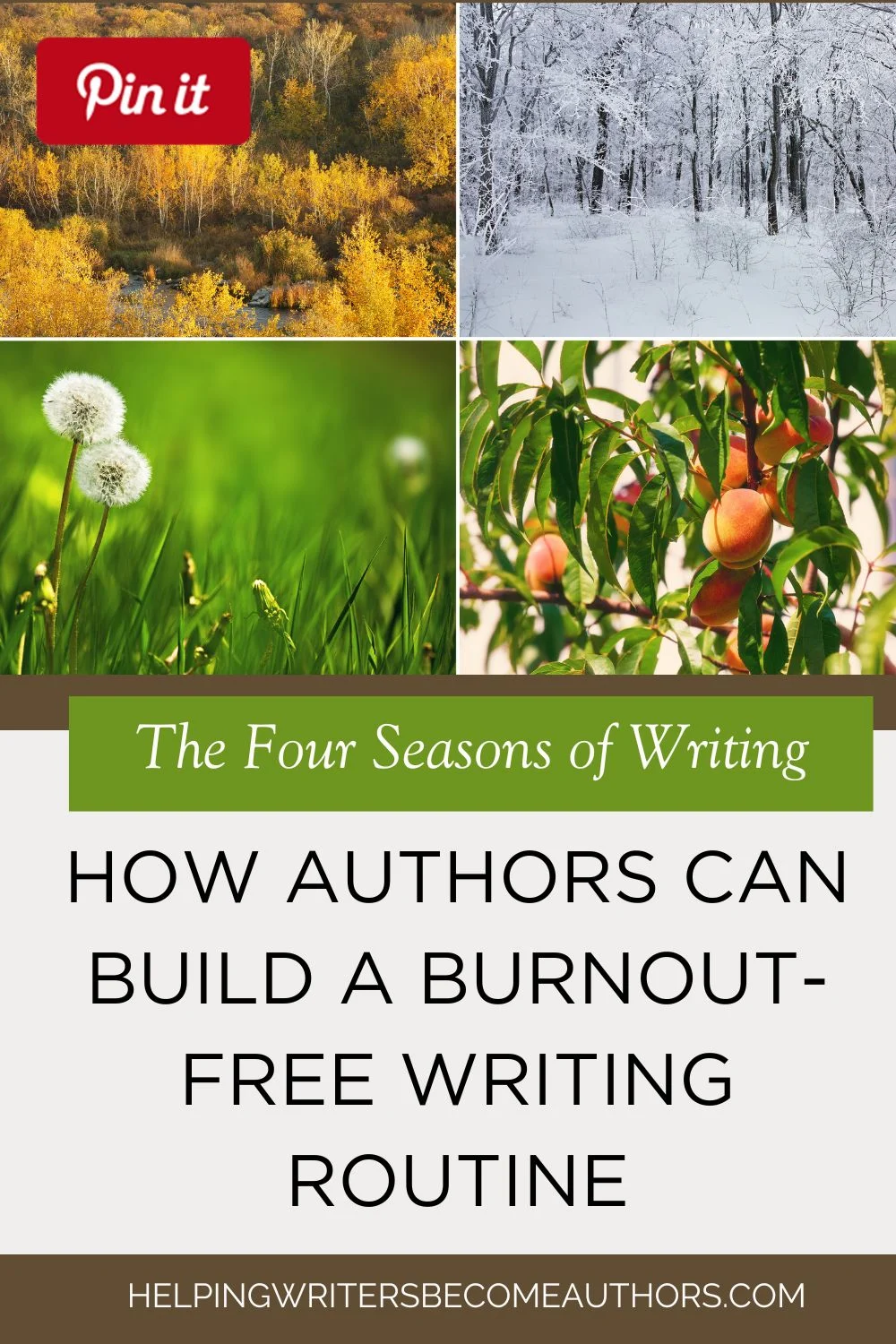
The relentless pressure to produce can be a formidable foe for writers, particularly in the digital age. While the allure of constant hustle and rapid output once defined success, many are now discovering the unsustainable cost of this approach: burnout. This article explores a more harmonious path, drawing inspiration from the natural world to build a writing routine that fosters creativity and longevity.
For years, the prevailing narrative in the writing community, especially among those who emerged during the indie publishing boom, championed a philosophy of ceaseless effort. The mantra was simple: push harder, write faster, do more. This relentless pursuit of productivity, while seemingly effective in the short term, has increasingly led to widespread exhaustion and creative depletion. Burnout has become a ubiquitous conversation, a stark reality that many writers, including industry veterans, have experienced firsthand. This has spurred a critical re-evaluation of what truly constitutes a sustainable writing practice – one that not only facilitates the completion of projects but also nurtures a vibrant and enduring creative life.
The wisdom gleaned from years of experience points to a profound truth: creativity operates according to its own inherent rhythms. As authors mature, a shift often occurs, moving from an attempt to impose external discipline to an embrace of natural cycles. This perspective recognizes distinct seasons for focused effort and essential rest, periods for creation and times for replenishment. By honoring these intrinsic rhythms, discipline transforms from a forceful imposition into a supportive partner, working in concert with a deeper, more intuitive creative wellspring.
This sentiment is at the heart of a compelling new framework, "Writing the Seasons," developed by author Brian Hicks. In collaboration with KMW, Hicks introduces a revolutionary approach that reframes the writing process not as a linear sprint, but as a cyclical journey akin to a farmer’s relationship with the land. This methodology offers a structured yet flexible system for navigating the distinct phases of drafting, revision, publishing, and rest, fostering a sustainable and fulfilling writing career.
The Illusion of Two Writers: Beyond the Hustle and the Hesitation
Hicks observes a common misconception among authors, particularly independent writers, who tend to categorize themselves into one of two extreme archetypes: the "hard-driving, rapid-release, all-gas, no-brakes writer" or the "slow-grinding, perpetually drafting, angst-ridden, soon-to-be former writer." The underlying assumption is that the former is destined for success, while the latter is perpetually doomed to failure.
However, Hicks argues that neither of these models is truly conducive to long-term success. The rapid-release author, while initially prolific, invariably succumbs to burnout. Conversely, the perpetually drafting author, caught in a cycle of analysis paralysis and self-doubt, never gains sufficient momentum to bring their work to fruition. Both ultimately arrive at the same destination: an unfulfilled creative potential.
The critical element missing from both these extremes, Hicks contends, is a reliable, consistent writing rhythm. This void can lead to inconsistent output and a lack of confidence. To address this, Hicks proposes "Writing the Seasons," a framework designed to restore sanity and bolster confidence by establishing a more balanced and sustainable approach.
The Four Seasons of Writing: A Framework for Sustainable Creation
The inherent inconsistency in many authors’ output often stems from the struggle to integrate writing into already overbooked lives. Juggling day jobs, family commitments, social obligations, and a myriad of other responsibilities leaves little room for dedicated creative work. This often results in a "snatch-and-patch" approach, where writing occurs in fragmented moments stolen from the margins of a packed schedule. The consequence? Years can pass with projects remaining unfinished, leaving authors wondering why their goals seem perpetually out of reach.
The solution, Hicks suggests, lies in aligning with the reliable and consistent patterns found in nature. Just as the four seasons follow a predictable order, a structured writing calendar can provide the necessary rhythm for consistent and reliable results. This framework is not about rigidly adhering to external schedules but about internalizing the value of order and flow that the seasons so elegantly demonstrate.
Spring: The Urgent Season of Drafting
In the natural world, spring is the season of germination, of planting seeds that will ultimately yield the harvest. It is a period of intense activity, where timing is paramount. Farmers cannot afford to delay planting; missing the window can have dire consequences for the entire agricultural cycle. Similarly, for writers, spring represents the crucial phase of drafting.
"Nothing happens until words go on the page," Hicks emphasizes. Creating a dedicated "spring" for oneself is essential to overcome the pervasive tendency to find excuses and postpone the act of writing. This season demands an unwavering commitment, a period of focused immersion where distractions are actively minimized. Non-essential commitments are temporarily set aside, and family and friends are informed that this is a period of concentrated effort, with engagement resuming only when "summer" arrives.
During this intensive period, authors engage in outlining, developing backstories, and establishing a rigorous weekly writing schedule. The ultimate goal of spring is the completion of a first draft. The duration of this season is not fixed; it is a deeply personal decision. For some, with fewer external demands, a first draft might be completed in as little as a month. For others, juggling multiple jobs and extensive family responsibilities, spring may need to extend for a longer period. Regardless of the timeframe, the critical element is setting a definitive end date. The knowledge that "summer is coming" provides the necessary impetus to plan and execute accordingly.
Summer: The Rigorous Season of Revision and Refinement
Summer on a farm, while also demanding, shifts its focus from planting to nurturing. The seeds have been sown, and now the real work of tending the crop begins. This involves weeding, watering, and protecting the nascent growth from pests and diseases. In the writing process, summer mirrors this phase of intensive cultivation: revision.
This is where many writers falter. Faced with the challenges of refining a manuscript – encountering plot holes, character inconsistencies, or less-than-stellar prose – the temptation to abandon the current project and start anew can be overwhelming. This is akin to a farmer deciding to plant a new field rather than tending to the existing one. However, the principle of commitment remains paramount. Just as a farmer who planted soybeans in the spring expects to harvest soybeans in the fall, a writer who began a novel must see it through to completion.
While "pantsers" (writers who prefer to discover their story as they write) might resist the idea of being "locked into" a particular narrative, Hicks stresses that at some point, a commitment to the initial story is necessary. Summer will undoubtedly be a period of intense heat and potential drought, both metaphorically and literally. Beta reader feedback may be challenging, and beloved passages – the "darlings" of the prose – may need to be sacrificed for the greater good of the story. The key is to trust in the process, believing that dedicated tending of the drafted material will ultimately yield a polished and compelling work.
The duration of summer is also a personal decision, but one that requires careful consideration. Revision can often feel like a less exhilarating phase than drafting, leading to a temptation for extended breaks that can transform a WIP (Work In Progress) into a perpetual project. Setting a firm end date for summer, and adhering to it religiously, is crucial to prevent this stagnation.

Autumn: The Season of Publication and Sharing
Autumn represents the culmination of hard work and the reward for sustained commitment. It is the season when the farmer harvests the fruits of their labor, and for writers, this translates to querying agents or self-publishing their work. While these steps may not always feel immediately rewarding, they are the essential outcome of the entire creative cycle.
The initial act of celebrating the completed work is vital. Framing a book cover, enjoying a celebratory meal, or marking the achievement in some meaningful way acknowledges the significant effort invested. However, authors must also embrace a fundamental law of life and creative endeavor: "The reward for hard work is more work."
Just as a farmer doesn’t simply harvest and then leave the crop to rot, writers don’t create stories to keep them hidden away. The moment of publication or querying is the act of taking the "crop to market." Autumn is the period of actively sharing the work, of seeking readers and recognition. While autumn may not have the same hard end dates as spring and summer, the process of querying and marketing continues until results are seen. Importantly, this season can overlap with the subsequent spring, as authors continue to promote their work while simultaneously preparing for their next creative undertaking.
Winter: The Essential Season of Rest and Rejuvenation
Winter is the season of rest, reflection, and preparation. It is a time to recharge creative batteries, to absorb new knowledge, and to contemplate future projects. During this period, authors can catch up on industry podcasts, engage with writing craft books, and delve deeper into marketing strategies and reader engagement.
While actively writing the next novel might be paused, the mind is still engaged. Authors may continue ongoing marketing campaigns or query new projects, but the primary focus shifts to mental recuperation. This period of rest is not idleness; it is a strategic pause that allows for renewed enthusiasm and clarity when the next "spring" arrives.
The duration of winter, like the other seasons, is a personal choice. However, it is crucial to recognize that winter, too, has an end date. The cyclical nature of creativity ensures that spring will eventually return, demanding the planting of a new crop.
Crafting Your Personalized Seasonal Writing Routine
The success of the "Writing the Seasons" framework hinges on its adaptability to individual lives. The key is to create a seasonal calendar that aligns with personal schedules and commitments. The process begins with identifying the ideal "spring" period, a time when other external demands are naturally less intense.
Consider personal calendars: when do children’s activities typically slow down? When does the workload at a day job tend to decrease? For instance, if a teacher’s schedule naturally ebbs during the summer months, attempting a period of intense drafting during that time might be counterproductive. Conversely, a period of reduced activity in winter might present an ideal opportunity for a writing spring from January to March.
Once the "spring" is established, the subsequent seasons flow logically. The duration of each season is a deeply personal decision, informed by individual writing pace and life circumstances. Some authors may be capable of completing two full cycles of seasons per year, while others require more time for drafting and revision, mirroring the natural three-month durations. The critical element is not to resist what feels natural but to create a calendar that imposes deadlines and structure on these periods.
The Harvest of Sustainability: Finishing More Books
The ultimate goal of implementing a seasonal writing routine is to foster consistency and reliability, leading to the completion of more books. By proactively scheduling these seasonal phases, authors can transform abstract aspirations into concrete action plans. Utilizing digital calendars with recurring appointments, setting alarms, and being specific about start and end dates are all practical steps to embed this framework into daily life.
Farmers are inherently consistent and reliable producers because they operate within a sustainable, predictable process. By adopting a similar mindset, writers can move away from the cycle of quitting and begin to consistently finish their projects. The "Writing the Seasons" approach offers a powerful antidote to burnout, providing a roadmap for a more balanced, fulfilling, and ultimately, more productive writing career.
Brian Hicks offers a special free gift for "Wordplayers" – the audio version of this post, complete with bonus content that delves deeper into the "Writing the Seasons" methodology. Claim your free audio at [link to free audio].
Want More? Mastering the Art of Outlining
A significant hurdle for writers seeking to maintain a sustainable routine is the absence of a clear roadmap at the outset of their projects. When the direction of a story is uncertain, momentum can easily wane, revision loops can become perpetual, and projects can be abandoned altogether.
To support authors during the crucial "spring" of their writing journey, the Outlining Your Novel Workbook provides a practical, hands-on approach to developing stories before drafting. This resource empowers writers to move into the writing process with enhanced clarity, confidence, and purpose. Whether you are a meticulous planner or a discovery writer seeking greater direction, the workbook offers guided exercises designed to build a compelling narrative that can sustain you from initial concept to finished manuscript. The Outlining Your Novel Workbook is available in paperback, e-book, and as a desktop application.
Wordplayers, share your insights! What strategies have proven effective in cultivating a burnout-free writing routine and maintaining consistency with your writing goals? Let us know in the comments below.