The Suburban Prehistoric Shift: Decoding David Robert Mitchell’s ‘The End of Oak Street’ and the Cloverfield Enigma
The landscape of contemporary science fiction cinema has long been dominated by established franchises and "legacy sequels." However, the release of David Robert Mitchell’s The End of Oak Street on August 14, 2026, marked a rare moment where an original high-concept narrative captured the public imagination through a blend of domestic drama and primeval terror. While the film has been lauded for its performances and atmospheric tension, much of the discourse surrounding its production has centered on a singular question: Is this a secret entry in the Cloverfield universe?
In a series of recent interviews following the film’s successful opening weekend, writer-director David Robert Mitchell and producer J.J. Abrams have finally addressed the speculative fervor that preceded the film’s debut, revealing the internal anxieties and creative coincidences that fueled one of the decade’s most persistent fan theories.
Main Facts: A Suburban Nightmare of Prehistoric Proportions
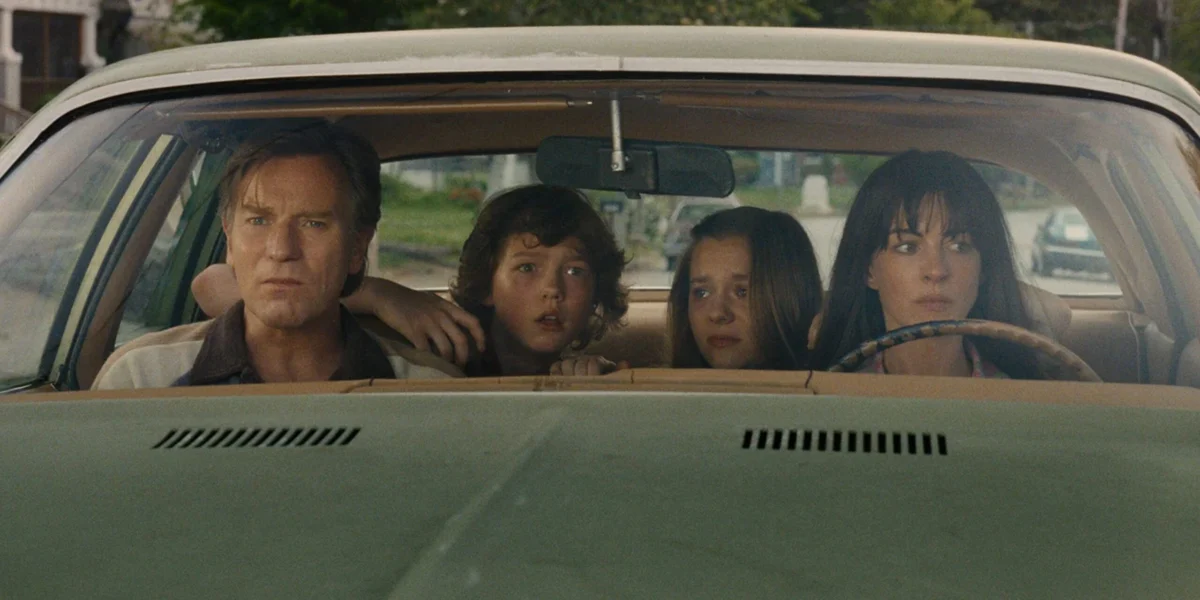
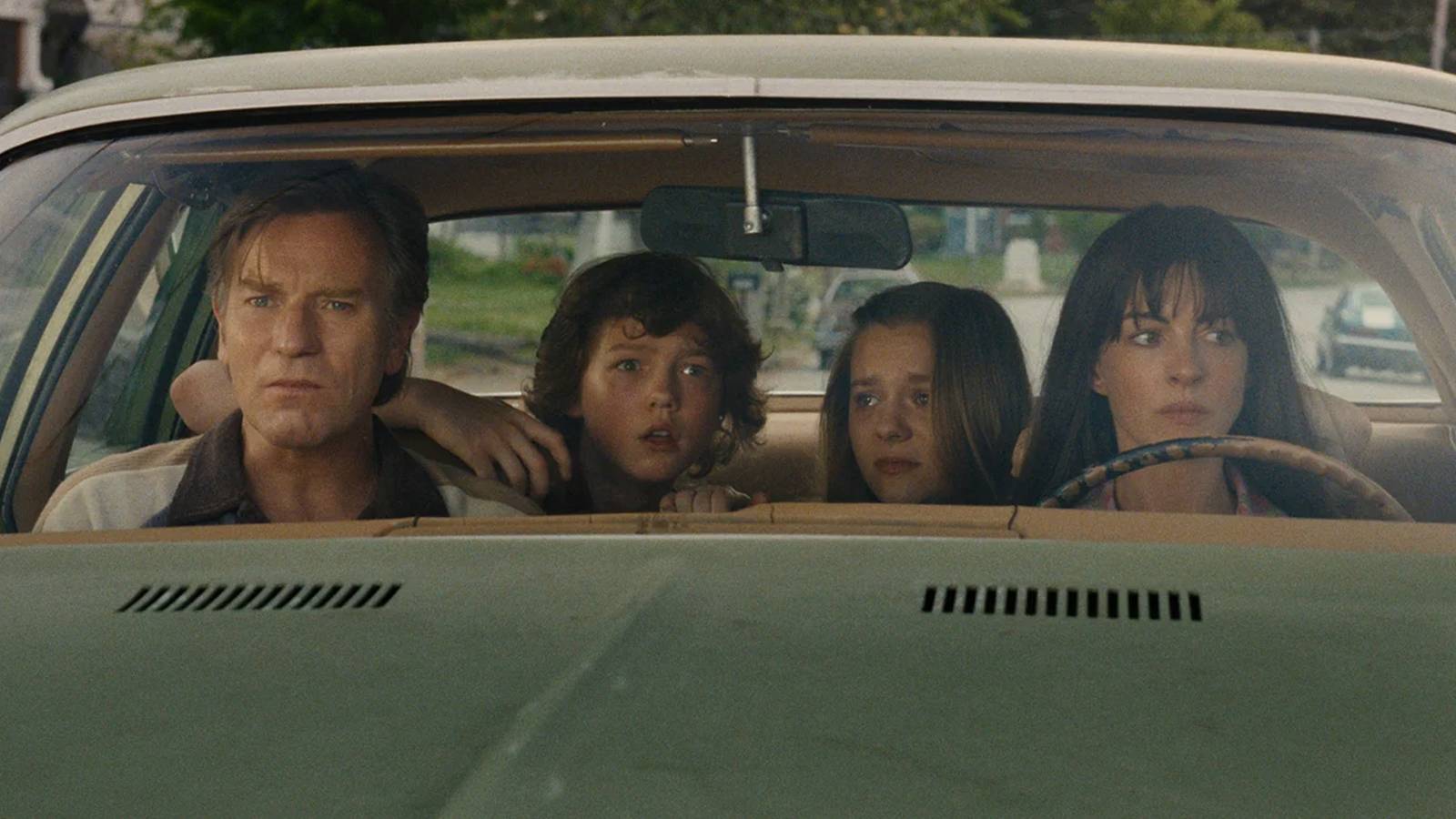
The End of Oak Street stars Academy Award winner Anne Hathaway and Ewan McGregor as Denise and Greg Platt, a couple whose mundane suburban existence is shattered when their entire neighborhood is inexplicably displaced from the modern era into a hostile, prehistoric wilderness. The film, produced under J.J. Abrams’ Bad Robot banner and distributed by Warner Bros. Pictures, represents a significant stylistic shift for Mitchell, who previously gained cult acclaim for the horror hit It Follows and the neo-noir Under the Silver Lake.
The film’s central conceit—a "neighborhood out of time"—serves as a crucible for the Platt family, including children Audrey (Maisy Stella) and Brian (Christian Convery). As they navigate a landscape populated by hyper-realistic, carnivorous dinosaurs, the narrative balances the visceral thrills of a survival thriller with the psychological dissolution of a family under pressure.
Upon its release, the film garnered a "Certified Fresh" rating of 85% on Rotten Tomatoes, with critics praising Mitchell’s ability to maintain a sense of dread without relying solely on jump scares. Despite its $80 million-plus budget and large-scale visual effects, the film maintains the idiosyncratic, "vibe-heavy" DNA that has defined Mitchell’s earlier work.
Chronology: From ‘Flowervale Street’ to the End of the Road
The journey of The End of Oak Street began long before the first cameras rolled, characterized by a level of secrecy typical of a Bad Robot production.
- The Conceptual Phase (Pre-2024): David Robert Mitchell began drafting the script under the working title Flowervale Street. During this period, Mitchell reportedly kept a post-it note on his desk with the title, questioning whether the concept was "too much like Cloverfield." At this stage, J.J. Abrams was not yet attached to the project.
- The Bad Robot Acquisition (2024): After the script began circulating in Hollywood, J.J. Abrams’ production company, Bad Robot, secured the rights. The involvement of Abrams, the architect of the Cloverfield "Mystery Box" marketing strategy, immediately sent the internet into a frenzy of speculation.
- Production and Title Change (2025): Filming took place under tight security. During post-production, the title was officially changed to The End of Oak Street. This move was interpreted by some fans as an attempt to distance the film from the Cloverfield brand—or conversely, as a way to hide a "twist" connection.
- The Marketing Campaign (Summer 2026): Trailers focused on the domestic horror of the situation, showing brief, terrifying glimpses of dinosaurs but offering no explanation for the phenomenon. The lack of exposition served to heighten comparisons to the 2008 film Cloverfield and its 2016 spiritual successor, 10 Cloverfield Lane.
- The Premiere (August 14, 2026): The film opened to strong box office numbers, fueled in part by the "is it or isn’t it" mystery, eventually settling into its identity as a standalone survival epic.
Supporting Data: Critical Reception and Audience Metrics
The success of The End of Oak Street is reflected in both its critical standing and its resonance with general audiences. As of mid-August 2026, the film’s performance metrics indicate a robust "word-of-mouth" hit.
- Rotten Tomatoes: An 85% critical score based on 256 reviews, paired with a 78% "Popcornmeter" audience score from over 1,000 verified ratings.
- Critical Consensus: Reviewers have frequently cited Anne Hathaway’s performance as a career-high. Rachel Leishman, writing for CBR, noted that the film "teeters between the action of a blockbuster, the terrifying nature of a dinosaur movie, and something uniquely Mitchell."
- Demographics: The film has performed particularly well with the 18–35 demographic, a group that traditionally rewards original sci-fi concepts that offer a darker, more mature tone than standard PG-13 fare.
- The "Mitchell Factor": Analytical data suggests that Mitchell’s reputation for "slow-burn" tension contributed to the film’s high retention rate in theaters, as audiences stayed through the credits to parse the film’s ambiguous ending and narrative "twists."
Official Responses: Addressing the Cloverfield Shadow
The most significant development in the film’s post-release life has been the direct address of the Cloverfield rumors by the creative team. Speaking to CBR’s Grae Drake, David Robert Mitchell admitted that he was cognizant of the similarities from the very beginning.
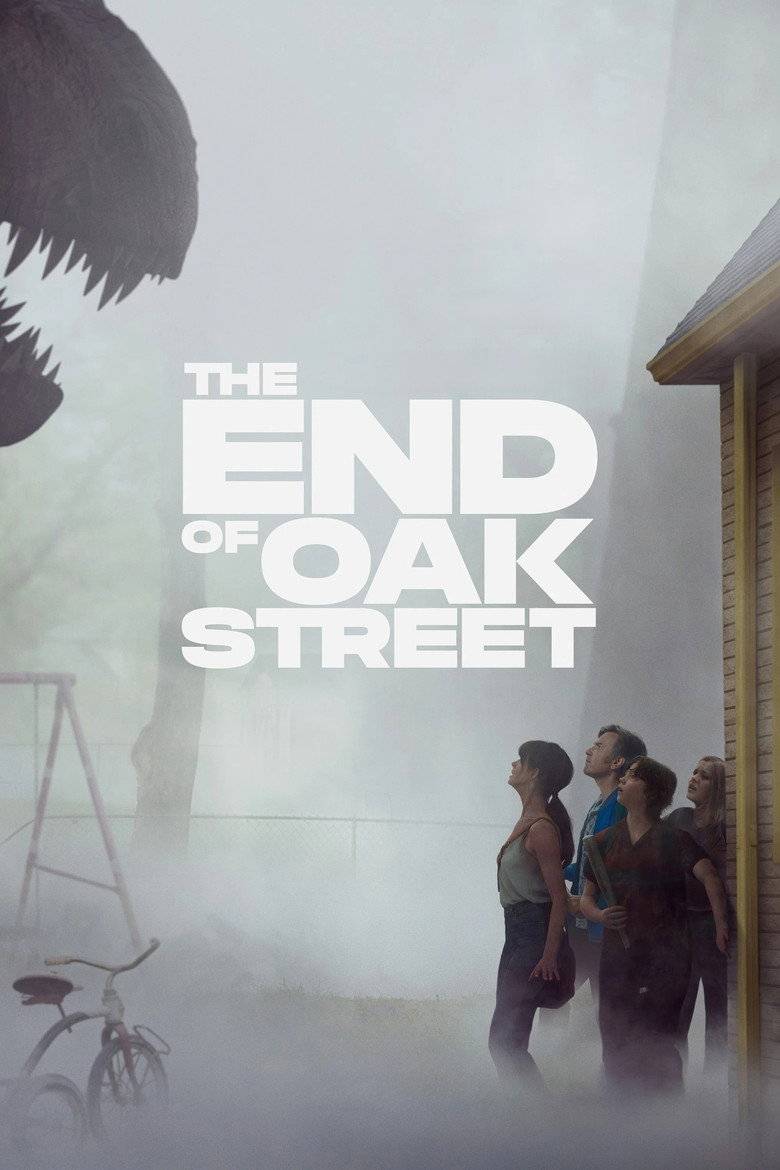
"The original title of Flowervale, when I wrote that, I had a post-it note… this is before I met J.J.," Mitchell explained. "I was writing it, and I had a post-it that I wrote, like ‘Flowervale‘ question mark. I was like, ‘Is it too much like Cloverfield?’ So yeah, I can understand the speculation." This admission reveals that the "Cloverfield-esque" nature of the story—ordinary people caught in an extraordinary, unexplained catastrophe—was an inherent part of the script’s DNA rather than a studio-mandated marketing gimmick.
Producer J.J. Abrams has been more definitive in his denial of a shared universe. In early August, Abrams sought to debunk the theories by pointing out the coincidence of the cast. "The only connection to our Cloverfield movies is that [Ewan McGregor’s] partner is Mary Elizabeth Winstead, who was the star of 10 Cloverfield Lane," Abrams stated. He emphasized that Winstead’s real-life relationship with McGregor was the extent of the overlap, adding, "Other than that, people are just making connections that they happen to see."
Despite these denials, the film’s structure—dropping audiences into a crisis without a prologue and focusing on a micro-perspective of a macro-event—aligns perfectly with the "Cloverfield Anthology" ethos, making the public’s confusion understandable.
Implications: Original Sci-Fi and the Future of the Mystery Box
The release and reception of The End of Oak Street carry several implications for the film industry and the future of genre storytelling.

1. The Power and Peril of "Mystery Box" Marketing
The Cloverfield speculation undoubtedly helped the film’s initial visibility. In an era where original IPs struggle to compete with established comic book franchises, the "mystery" surrounding a project can act as a powerful marketing tool. However, this also creates a risk: if audiences go in expecting a specific franchise connection and don’t get it, there can be a backlash. The End of Oak Street seems to have avoided this by delivering a high-quality experience that stands on its own merits, but it highlights the double-edged sword of the Bad Robot brand.
2. David Robert Mitchell’s Ascent
With The End of Oak Street, Mitchell has proven he can handle a significant budget and A-list talent without losing his unique directorial voice. He has successfully transitioned from the indie-horror darling of It Follows to a director capable of helmning a major summer blockbuster. This puts him in a rare category of filmmakers—like Christopher Nolan or Denis Villeneuve—who are trusted to execute high-concept, original visions on a grand scale.
3. The Resurgence of the "Survival" Subgenre
The film’s focus on a family unit navigating a terrifying new reality suggests a growing audience appetite for survival stories that prioritize character dynamics over world-building lore. By leaving the "why" of the neighborhood’s disappearance largely unexplained, Mitchell forces the audience to focus on the "how" of the family’s survival, a narrative choice that resonates in an increasingly uncertain real world.
4. The Future of Cloverfield
While The End of Oak Street is not a Cloverfield film, the intensity of the speculation proves that the Cloverfield brand remains incredibly potent. Fans are clearly hungry for more entries in that universe, and the fact that an original movie can be mistaken for a Cloverfield sequel suggests that the "vibe" of the franchise has become a genre unto itself.
In conclusion, The End of Oak Street stands as a testament to the enduring appeal of the unknown. Whether it is the mystery of a prehistoric neighborhood or the mystery of a film’s production, David Robert Mitchell has tapped into a fundamental human fascination with the "what if." As the film continues its theatrical run, it serves as a reminder that sometimes, the most compelling stories are the ones that leave us with more questions than answers.