Roadblock for Robotaxis: California DMV Suspends Waymo’s Freeway Operations Amid Growing Safety Concerns
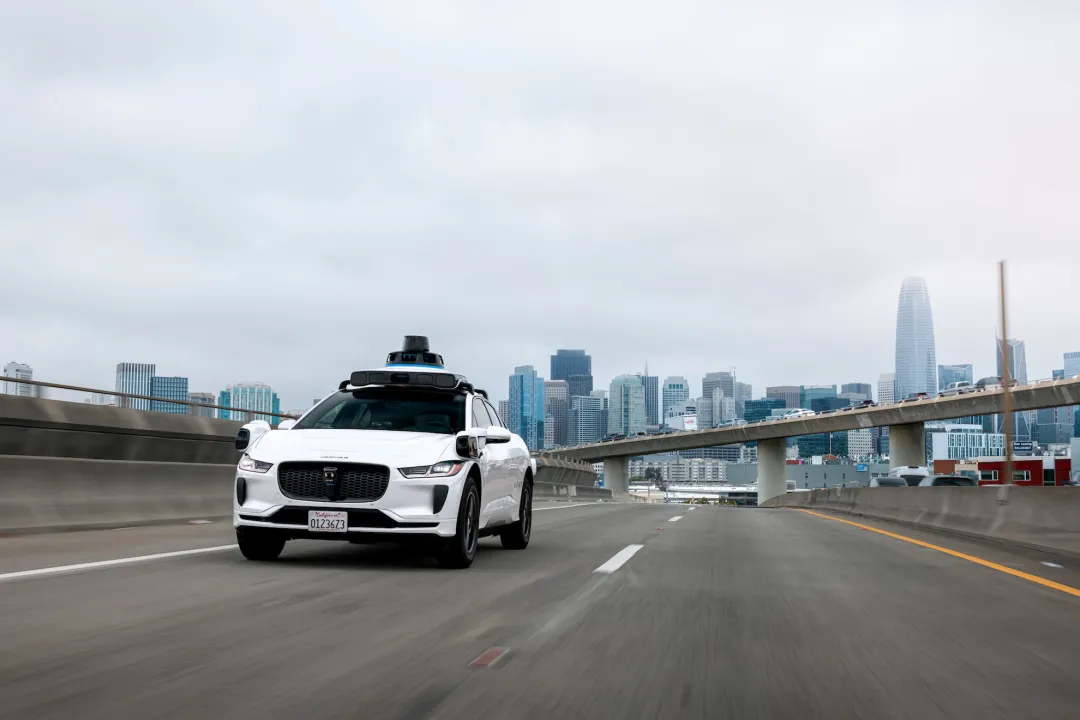
In a significant blow to the commercial ambitions of the world’s leading autonomous vehicle developer, the California Department of Motor Vehicles (DMV) has officially stripped Waymo of its authority to operate driverless robotaxis on the state’s freeways. The decision, which follows a series of high-profile safety incursions involving active construction zones and law enforcement vehicles, represents a major setback for the Alphabet-owned company as it seeks to scale its ride-hailing service into a viable competitor to traditional transportation networks.
The restriction, issued on November 11, 2026, but only brought to public light on November 17, marks the most stringent regulatory intervention against Waymo to date. It highlights the persistent "edge case" challenges that continue to plague self-driving technology—specifically the ability of artificial intelligence to navigate the dynamic, unpredictable environments of high-speed highway construction.
Main Facts: The Scope of the Restriction
The California DMV, the primary regulatory body overseeing the testing and deployment of autonomous vehicles (AVs) in the state, determined that Waymo’s freeway operations posed an "imminent hazard to public safety." This determination was not based on a single catastrophic failure, but rather a pattern of "recurring incursions" where Waymo vehicles entered restricted areas intended for construction crews and emergency responders.
Key Incidents Leading to the Ban
According to official statements confirmed by the DMV, the suspension was triggered by two primary clusters of incidents:
- U.S. Route 101 (Burlingame): Three separate Waymo autonomous vehicles reportedly breached an active construction closure. These zones are typically marked by cones, flares, and heavy machinery, and are populated by human workers.
- Highway 280 (San Francisco): A separate incident involved a conflict with California Highway Patrol (CHP) vehicles. While specific details of the interaction remain under investigation, such incidents often involve the AV’s failure to yield to emergency lights or follow the hand signals of officers directing traffic.
A Nationwide Ripple Effect
While the legal mandate only applies to California, Waymo has taken the preemptive step of pausing freeway operations across its entire U.S. footprint. Currently operating in 15 cities—including Phoenix, Austin, and Los Angeles—Waymo has moved to restrict its fleet to surface streets nationwide while it conducts an internal safety audit. This voluntary expansion of the ban suggests that the software flaws identified by the California DMV may be systemic rather than localized to specific geographic mapping data.
Chronology: A Turbulent Year for Waymo’s High-Speed Ambitions
To understand the gravity of the current suspension, one must look at the timeline of Waymo’s attempts to master the American freeway system—a task far more complex than navigating the grid-based surface streets of suburban Phoenix or downtown San Francisco.
- Late 2025: The Freeway Milestone. Waymo began offering commercial freeway rides to the general public. This was hailed as a "commercial milestone," as it allowed the company to significantly reduce travel times and offer airport transfers—a high-margin segment of the ride-hailing market.
- May 18, 2026: The First Warning Sign. Waymo abruptly halted its freeway operations following reports of robotaxis struggling with construction zones. Social media footage at the time showed vehicles confused by traffic cones, often stopping dead in active lanes or attempting to drive through restricted barriers.
- July 2026: The "Fix" and Resumption. After two months of internal software updates, Waymo announced it had improved its perception systems to better identify and react to highway construction. The DMV allowed operations to resume, contingent on the efficacy of these corrective actions.
- November 11, 2026: The DMV Intervenes. Following the new incursions on Route 101 and Highway 280, the DMV determined that the previous corrective actions were insufficient. The department issued a formal operational restriction, effectively banning the vehicles from all California highways until further notice.
- November 17, 2026: The news of the restriction becomes public via reporting from the San Francisco Business Times, prompting a formal acknowledgment from both the DMV and Waymo.
Supporting Data: The Technical and Safety Gap
The challenge of freeway driving for autonomous systems lies in the stakes and the speed. While surface street navigation involves complex interactions with pedestrians and cyclists, freeway driving requires the system to make split-second decisions at 65+ mph.
The Construction Zone Problem
Construction zones are considered "dynamic environments." Unlike static maps that show permanent lanes and exits, construction zones change daily—sometimes hourly. Cones are moved, lanes are shifted, and human flaggers use non-verbal cues to direct traffic. Data suggests that while Waymo’s LiDAR (Light Detection and Ranging) and radar systems are excellent at identifying solid obstacles, the "logic layer" of the AI can still struggle with the social and situational context of a construction site.
Trip Efficiency and Economic Impact
Before the ban, freeway access was the cornerstone of Waymo’s expansion in the San Francisco Bay Area.
- Travel Time Comparison: A trip from San Francisco’s Embarcadero to Palo Alto via surface streets can take upwards of 75 to 90 minutes during peak hours. Via the U.S. 101 freeway, that same trip is reduced to 40–45 minutes.
- Scale of Operations: Waymo currently serves over 500,000 trips per week. By losing freeway access, the company loses its competitive edge against Uber and Lyft for long-distance commuters and airport travelers, potentially impacting its path to profitability.
Official Responses: Safety vs. Innovation
The rhetoric from both the regulator and the regulated reflects a widening gap in the "move fast and break things" philosophy of Silicon Valley.
The California DMV’s Stance
In an emailed statement, the DMV emphasized that its primary duty is the protection of human life. "The Department determined that Waymo’s driverless freeway operations pose an imminent hazard to public safety due to recurring incursions by its vehicles into active construction zones where construction workers, vehicles and equipment are present," the statement read. The DMV further noted that the restrictions would remain in place indefinitely until Waymo can demonstrate "effective corrective actions."
Waymo’s Defense
Dana Gallagher, a spokesperson for Waymo, maintained a tone of cautious cooperation. "Safety is at the foundation of everything we do," Gallagher stated. She characterized the incidents on U.S. 101 as "encounters" that "did not involve any injuries or collisions."
Gallagher framed the nationwide pause as a proactive measure: "In alignment with our safety-first principles, we have also temporarily restricted freeway operations across our other operating markets to evaluate our performance. Our ride-hailing service continues to operate safely on surface streets… We are working with the California DMV and other state officials diligently and responsibly to resume freeway operations."
Implications: What This Means for the Future of AVs
The DMV’s decision to pull Waymo’s freeway privileges has far-reaching implications for the autonomous vehicle industry, urban planning, and the legal landscape of AI.
1. A Higher Bar for "Corrective Action"
This is the second time in six months that Waymo has been forced to address construction zone failures. The DMV’s refusal to accept Waymo’s previous "software updates" as a solution suggests that regulators are moving away from trusting company-provided data and moving toward a "show, don’t tell" model of verification. Waymo may now be required to undergo rigorous, third-party testing in simulated and closed-course construction environments before being allowed back on the 101.
2. The "Peninsula Problem" and Urban Density
For the Bay Area, the ban creates a geographic bottleneck. Waymo’s service area effectively splits into two disconnected zones: the urban core of San Francisco and the tech hubs of Silicon Valley. Without the freeway "bridge," the utility of a robotaxi for the region’s thousands of daily commuters evaporates. This could lead to a temporary surge in traffic on local roads as robotaxis are forced to take longer, circuitous routes through residential neighborhoods to move between service zones.
3. Investor Scrutiny on Alphabet
Alphabet (Google’s parent company) has poured billions into Waymo, and investors have been looking for signs that the service can scale beyond niche urban centers. Freeway capability was the "unlock" for national scalability. This regulatory setback may lead to renewed questions about the timeline for Waymo’s return on investment, especially as competitors like Tesla continue to push their "Full Self-Driving" (Supervised) systems, which operate under a different regulatory framework because they require a human in the driver’s seat.
4. Precedent for Other Operators
The industry is still reeling from the 2023 suspension of GM’s Cruise, which had its permits revoked after a vehicle dragged a pedestrian. By targeting Waymo—long considered the "gold standard" of safety in the industry—the California DMV is sending a clear message: no company is too big or too advanced to be grounded. This sets a stringent precedent for other players like Amazon’s Zoox or various trucking startups that rely almost exclusively on freeway operation.
Conclusion
The suspension of Waymo’s freeway operations is a sobering reminder that the transition to a driverless future is not a linear progression. While Waymo continues to serve half a million trips a week on city streets, the freeway remains a formidable frontier. For now, the "driver of the future" has been ordered back to the slow lane, as regulators and engineers grapple with the life-and-death complexities of the American highway. Until Waymo can prove its AI can respect the orange cones and flashing lights of a construction zone, its vision of a seamless, high-speed autonomous network remains on hold.