Adapting to a Shifting Reality: Knights of Fiona Embraces Free-to-Start Model Amidst VR Industry Volatility
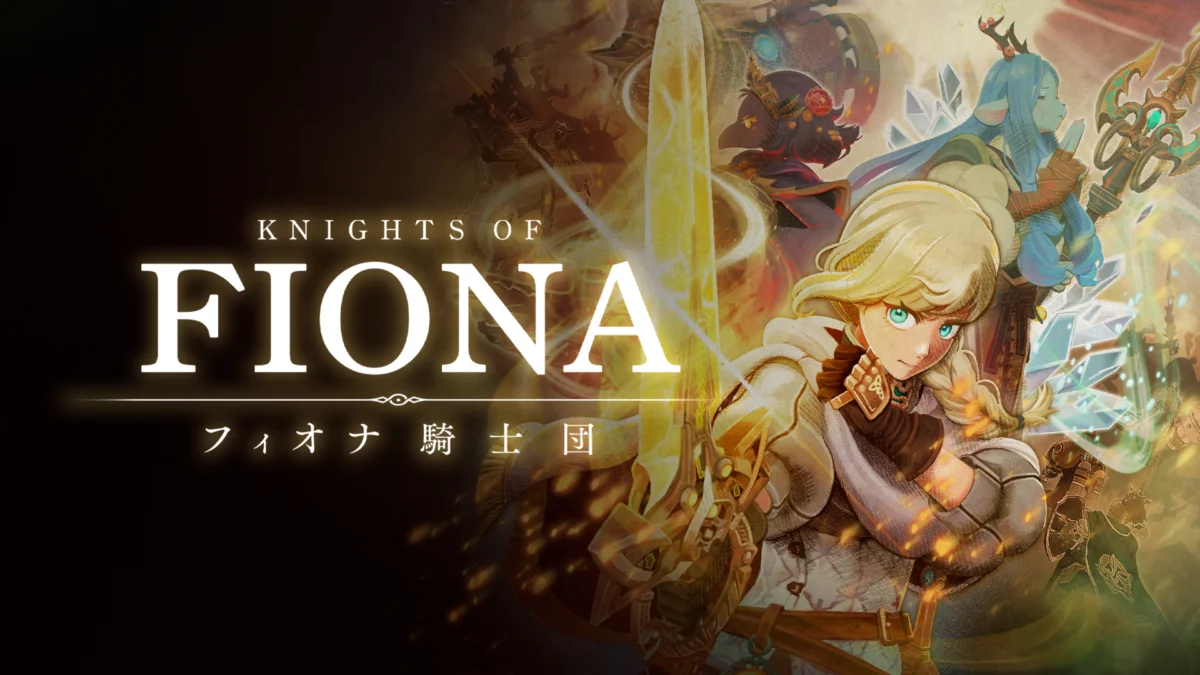
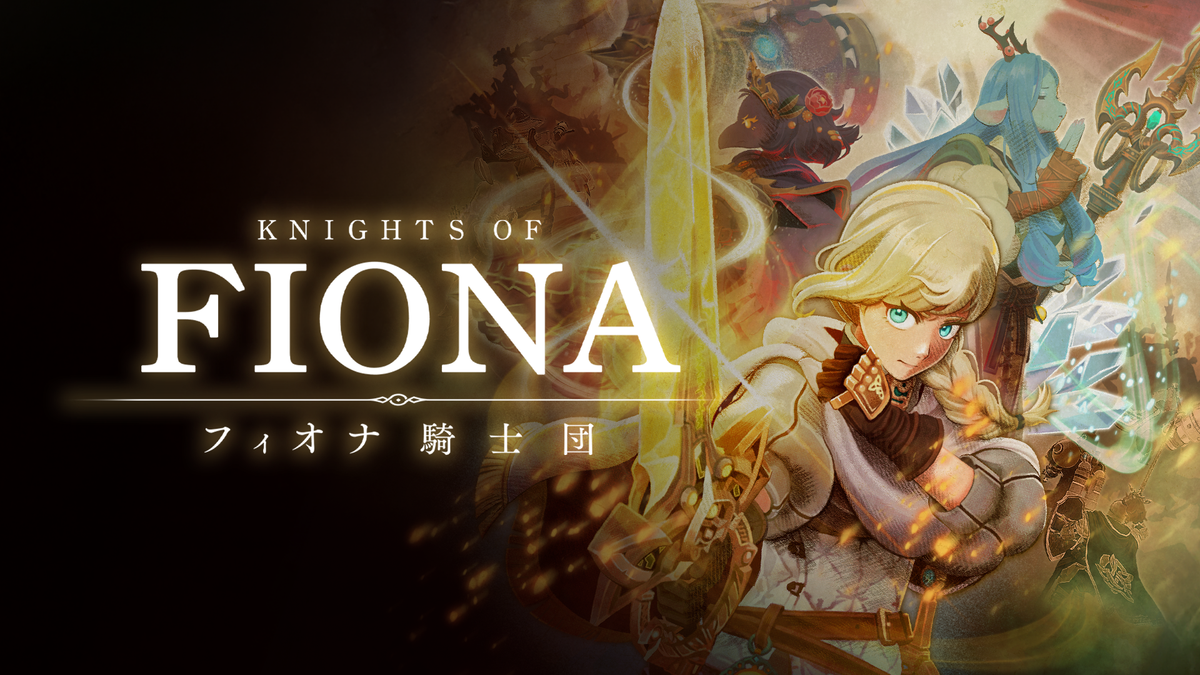
The landscape of virtual reality (VR) gaming is undergoing a period of profound transformation, marked by both creative innovation and economic restructuring. In the latest sign of this evolution, developer Character Bank has announced a significant shift in the distribution strategy for its upcoming co-op JRPG, Knights of Fiona. During the recent VR Games Showcase, the studio confirmed that the title will transition to a "free-to-start" model, a decision that highlights the increasing pressure on developers to secure sustainable player bases in a niche and often unpredictable market.
While the core game will be accessible at no initial cost, the full experience—including the narrative campaign and various high-level features—will be gated behind a premium "Story Pass" priced at $18.99. This move, coupled with the announcement of a full English voice cast, signals a dual strategy: lowering the barrier to entry to attract a wider audience while maintaining a traditional revenue stream from dedicated fans and RPG enthusiasts.
Main Facts: The Hybrid Monetization of Knights of Fiona
At the heart of the announcement is the "Story Pass" add-on. For the base price of zero dollars, players can download Knights of Fiona and experience the game’s introduction. This free tier serves as an expanded demo, allowing users to test the core mechanics and the game’s unique VR-based JRPG systems without financial commitment. However, to progress beyond the initial stages, the $18.99 Story Pass becomes mandatory.
The Story Pass unlocks:
- The Full Narrative: Six storied chapters that comprise the game’s primary campaign.
- Dual Language Audio: Access to full voiceovers in both Japanese and English.
- Advanced Missions: Dedicated battle missions associated with the later chapters of the story.
- Feature Access: Full utilization of the game’s "trading tables" and other social/co-op mechanics.
This pricing structure is a calculated middle ground. At nearly $19, the Story Pass is priced similarly to many premium indie VR titles, but by labeling it as an add-on to a free base, Character Bank is betting on the "try-before-you-buy" psychology to mitigate the risks associated with the relatively small VR install base.
Chronology: From Kickstarter Vision to Market Reality
The journey of Knights of Fiona began as a traditional crowdfunding project. On Kickstarter, the game was pitched as a premium co-op JRPG experience, with backers pledging funds to secure their copies of the game ahead of its official release. For many of these early supporters, the news of a free-to-start model was unexpected.
In the week surrounding the VR Games Showcase, Character Bank released a developer post that finally clarified the path forward. This post served two purposes: it introduced the English voice cast—a major milestone for a JRPG seeking global appeal—and it addressed the pivot in the business model.
The studio was quick to reassure its original backers. According to the developer, those who supported the Kickstarter will receive full, unrestricted access to the Story Pass content at no additional charge. This includes the six chapters, the dual-language audio, and the battle missions. Furthermore, backers will receive exclusive rewards, such as a unique in-game title and a choice between a storage upgrade or a "one-day ticket" to invite a friend into the game’s premium areas.
This proactive communication suggests that while the business model changed during the development cycle, the commitment to the core community remained a priority. The move to a September launch window further narrows the timeline for when players will see if this gamble pays off.
Supporting Data: The "State of the VR Industry"
The most telling aspect of Character Bank’s announcement was the explicit citation of the "current state of the VR industry" as the primary driver for the change. To understand why a developer would pivot to a free-to-start model so close to launch, one must look at the broader economic pressures currently squeezing the VR sector.
Over the past 18 months, the VR industry has been rocked by a series of layoffs and studio closures. Major players, including Meta and Sony, have restructured their internal teams, and several high-profile indie studios have had to scale back or shut down entirely. The initial "gold rush" of VR, fueled by the success of the Quest 2, has cooled into a more difficult "sustainment" phase where hardware growth is steady but the software market remains fragmented.
The Shift Toward Hybrid and Flatscreen Support
Character Bank is not alone in reassessing its strategy. Many developers are moving away from VR exclusivity to ensure their projects remain viable.
- Demeo x DnD: Battlemarked: Originally a VR-first franchise, Resolution Games has ensured that its latest offerings support "flatscreen" play on PC and consoles like the PlayStation 5.
- Walkabout Dungeon Golfer: The creators of the hit Walkabout Mini Golf, Mighty Coconut, have announced that their next project will be a hybrid release, targeting both VR and traditional screens.
- The Trend of Abandoning VR: Studios like Mixed Realms (Hellsweeper), Wanadev (Ragnarock), and Funktronic Labs (The Light Brigade) have either released or announced flatscreen-only versions of their games to tap into the much larger traditional gaming market.
By choosing a free-to-start model, Character Bank is attempting to solve the same problem—market reach—without necessarily porting the game to non-VR platforms immediately. They are leveraging the "free" price tag to climb the charts on the Meta Quest Store and SteamVR, hoping that the quality of the "introductory experience" will convert free users into paying Story Pass holders.
Official Responses: Addressing the Backer Community
In their official statement, Character Bank explained the rationale behind the "Free to Start" nomenclature:
“Free to Start is exactly what it sounds like—general players will be able to play through the introduction of Knights of Fiona for free and have limited access to some of the core game mechanics. After looking at how limited demo experiences can be, and the current state of the VR industry, we felt this was the best path forward to bring as many players into Knights of Fiona while providing a robust online experience for everyone.”
The developer’s focus on a "robust online experience" is a key technical justification. Co-op JRPGs rely on a healthy population of players to ensure that matchmaking is fast and social hubs feel alive. If a game is locked behind a $20–$30 paywall, the initial player count might be too low to sustain the "multiplayer" feel that is central to the game’s identity. By making the game free to enter, they ensure that the "trading tables" and co-op missions are populated from day one.
For backers who felt they had already paid for a product that is now "free," the developer offered a clear olive branch:
“As early backers of Knights of Fiona, you will have the full unrestricted access to all of the story content… In addition to the story access, we are also giving backers an option to receive an additional reward. Backers can choose either between an in-game storage upgrade or a 1-day ticket to send to a friend.”
Implications: A New Precedent for VR Sustainability?
The success or failure of Knights of Fiona will be closely watched by other VR developers. The industry has seen mixed results with transitions to free-to-play or free-to-start models.
Case Study: Zenith: Nexus
The most prominent example of this pivot was Zenith: The Last City. The ambitious VR MMO initially launched as a premium title. However, after running the game at a loss for an extended period, the developers at Ramen VR pivoted to Zenith: Nexus, making the core experience free and moving the original content into a paid DLC. Unfortunately, the move was not enough to save the project; the developer eventually had to cease active development, citing unsustainable costs.
Case Study: BlackGate
On the other hand, Fun Train’s BlackGate, a 4v1 sci-fi horror game, utilizes a similar "asymmetrical" monetization model. Players can play as the human engineers for free, but must pay to play as the monster. This ensures that there are always enough "human" players for the paying "monsters" to hunt, creating a functional ecosystem.
The Risks of the Story Pass
The risk for Knights of Fiona lies in the conversion rate. If players download the free portion and find it lacking, or if the "limited access to mechanics" feels too restrictive, they may never purchase the Story Pass. Conversely, if the free portion is too generous, there may be little incentive to pay the $18.99.
Furthermore, the "Story Pass" model is often associated with mobile gaming, a connotation that can sometimes trigger a negative reaction from "hardcore" VR gamers who prefer the "buy once, own forever" model. However, in an industry where the cost of development often exceeds the potential revenue from a small user base, these experimental models are becoming a necessity rather than a choice.
Conclusion: The Path Forward for Character Bank
Knights of Fiona is attempting to navigate a difficult middle ground. By combining the high-quality production values of a voiced JRPG with the accessibility of a free-to-start title, Character Bank is attempting to future-proof its project against the volatility of the VR market.
The inclusion of a full English voice cast shows an ambition to compete on a global stage, while the Story Pass model reflects a pragmatic approach to the reality of indie VR development in 2024. As the game prepares for its September launch, the industry will see whether this "Free to Start" approach provides the "robust online experience" the developers hope for, or if it serves as a cautionary tale of the difficulties in monetizing niche VR content.
For now, the message to the VR community is clear: the days of the straightforward premium VR release may be waning, replaced by a more flexible, and perhaps more volatile, era of monetization. Whether players embrace this change will determine the future of ambitious, high-budget VR projects like Knights of Fiona.