The Evolution of Immersive Noir: New Canvas and Pico Unveil ‘Coltrane’
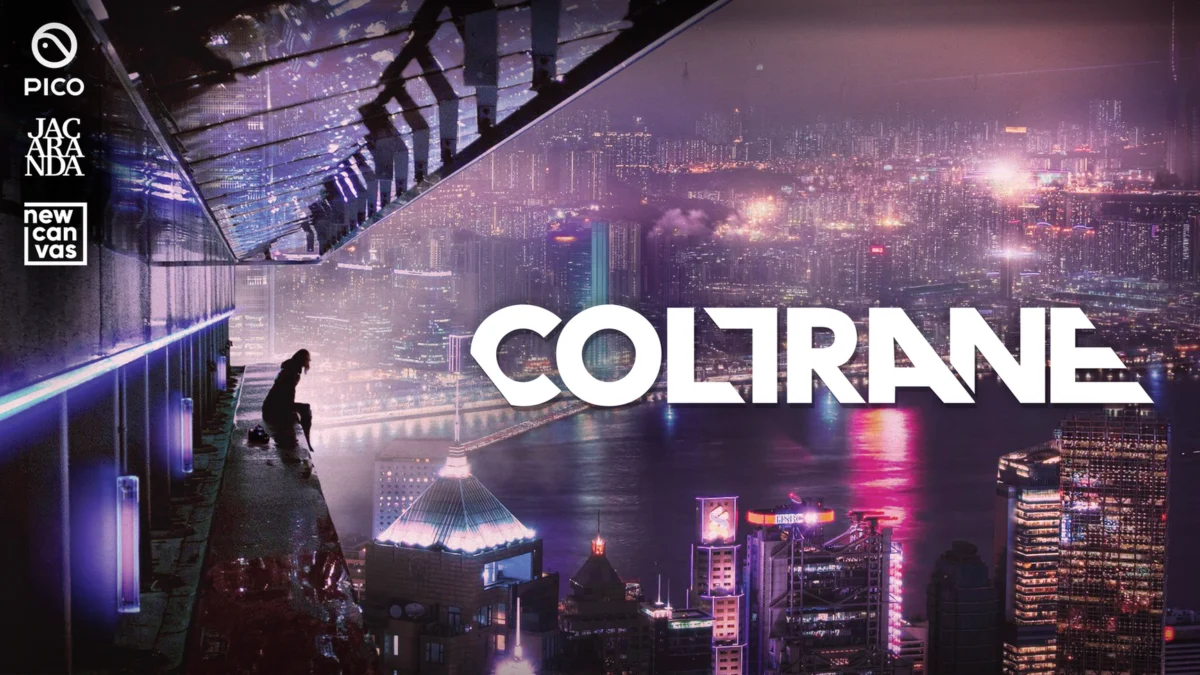
The landscape of virtual reality (VR) entertainment is undergoing a significant shift, moving beyond the boundaries of traditional gaming and into the realm of high-fidelity, interactive cinema. At the forefront of this movement is the newly announced series Coltrane, a five-episode VR narrative experience that promises to redefine the "VR Noir" subgenre. Produced through a high-profile collaboration between New Canvas, Jacaranda Productions, and the hardware giant Pico, Coltrane serves as both a spiritual and narrative successor to the 2016 groundbreaking title VR Noir: A Day Before the Night.
The release of the official teaser trailer marks a pivotal moment for immersive storytelling, signaling a return to the gritty, investigative roots that first captivated VR early adopters nearly a decade ago. By blending live-action performances with real-time rendered environments, Coltrane aims to bridge the gap between the passive consumption of television and the active engagement of virtual reality.
Main Facts: A New Chapter in Virtual Investigative Drama
Coltrane is structured as a serialized narrative, a format that remains relatively rare in the VR ecosystem. The series consists of five episodes, each approximately 15 minutes in length, providing a total runtime that mirrors a feature-length film but is optimized for the physiological comfort of VR users.
Narrative and Setting
Set against the neon-drenched, atmospheric backdrop of modern Hong Kong, the story follows Veronica Coltrane. Once a rising star in the San Francisco Police Department (SFPD), Coltrane’s fall from grace has led her to the life of a private investigator in the Far East. The plot centers on a seemingly routine surveillance assignment that spirals into a sprawling dark conspiracy. This "detective noir" framework is designed to leverage the inherent strengths of VR—investigation, environmental storytelling, and the feeling of being an "unseen observer."
Technical Innovation
What distinguishes Coltrane from standard 360-degree videos is its hybrid production methodology. The series utilizes a combination of:
- Live-Action Performances: High-caliber acting that captures the nuance of human emotion, essential for the noir genre’s character-driven depth.
- Real-Time Immersive Environments: Utilizing modern game engines, the project allows for a level of depth and interactivity that static video cannot provide. This allows the viewer to feel a sense of "presence"—the psychological state of feeling truly present in a virtual space.
Strategic Partnerships
The involvement of Pico, a subsidiary of ByteDance, is particularly noteworthy. As a major competitor to Meta’s Quest lineup, Pico has been aggressively investing in exclusive content to bolster its library. By co-producing Coltrane, Pico is positioning itself as a destination for "prestige VR," targeting an older, more cinematically-inclined demographic.
Chronology: From ‘A Day Before the Night’ to the Future
To understand the significance of Coltrane, one must look back at the trajectory of its predecessor and the evolution of the hardware that supports it.
2016: The Genesis of VR Noir
In 2016, the VR industry was in its "Cardboard" era. Most users experienced VR through smartphones slotted into plastic or cardboard shells. It was during this time that VR Noir: A Day Before the Night was released. Developed by Start VR (the predecessor to New Canvas) in collaboration with the Australian Film, Television and Radio School (AFTRS), it was an experimental piece that asked: Can we tell a compelling detective story where the viewer is the protagonist?
Despite the technical limitations of the Samsung Gear VR and Google Cardboard, the title became a cult hit, eventually surpassing 500,000 downloads. It was lauded for its "viewer agency"—the ability of the user to make choices that influenced the narrative flow.
2017–2022: The "Winter" and the Pivot
Following the initial hype of 2016, the VR industry faced a period of stabilization. Many narrative VR studios shuttered as the market skewed heavily toward rhythm games and first-person shooters. However, the creators behind VR Noir continued to refine their craft, transitioning into New Canvas. During this period, the technology for "volumetric capture" (filming actors in 3D) and real-time lighting improved significantly.
2023–Present: The Resurgence of Immersive Cinema
The last 18 months have seen a revitalized interest in immersive video, driven by the release of high-resolution headsets like the Pico 4 and the Apple Vision Pro. Recent projects such as Starclash and Finding Frida demonstrated that there is a growing appetite for non-gaming content that utilizes the 3D space. Coltrane represents the culmination of this decade-long evolution, applying 2024 production standards to a proven narrative concept.
Supporting Data: The Market for Immersive Narratives
The decision to produce Coltrane is backed by shifting consumer data within the VR sector. While gaming remains the primary driver of revenue, "Media & Entertainment" is the fastest-growing secondary category for VR headset usage.
Performance of the Predecessor
VR Noir: A Day Before the Night achieved over half a million downloads at a time when the total addressable market for VR was a fraction of what it is today. Internal data from platforms like the Meta Quest Store and Pico Store indicate that "Interactive Stories" have a higher retention rate among users aged 30 and over compared to high-intensity action games.
The Episodic Advantage
The 15-minute episode format is a data-driven choice. User analytics across the VR industry suggest that "sim-sickness" and physical fatigue often set in after 20 to 30 minutes for the average user. By breaking the story into 15-minute segments, the producers are optimizing for the "sweet spot" of VR consumption, encouraging "binge-watching" without the physical strain associated with longer sessions.
Hardware Penetration
With Pico’s expanding footprint in Europe and Asia, and the entry of Apple into the spatial computing market, the potential reach for Coltrane is significantly higher than its predecessor. The series is expected to leverage the 4K+ resolutions of modern headsets, which finally allow for the "film-like" clarity that noir cinematography demands.
Official Responses and Creative Vision
While a specific release date has not been set, the creative leads at New Canvas and Jacaranda Productions have articulated a clear vision for the project. The production team emphasizes that Coltrane is not merely a "360-movie" but a new medium entirely.
In previous discussions regarding the project’s philosophy, the creators have noted that the goal is to make the viewer feel like a "ghost on the set." Unlike traditional film, where the director dictates exactly where you look through framing, Coltrane uses spatial audio and environmental cues to guide the viewer’s attention, allowing for a more personal discovery of the story’s clues.
The partnership with Jacaranda Productions, a firm with deep roots in traditional high-end television production, suggests that Coltrane will feature production values (costume design, lighting, and acting) that are often missing from indie VR projects. This "Hollywood-meets-Silicon-Valley" approach is central to the project’s identity.
Implications: The Future of "VR Television"
The launch of Coltrane carries several major implications for the future of the entertainment industry and the VR ecosystem.
1. The Normalization of VR Series
If Coltrane succeeds, it could provide a blueprint for "VR Television." Just as Netflix revolutionized the serialized drama, VR platforms are looking for "sticky" content that keeps users coming back week after week. An episodic mystery is the perfect vehicle for this, as it encourages community discussion and theory-crafting between releases.
2. A Shift in "Agency"
The project explores the boundary between being a "player" and a "viewer." In Coltrane, the interactivity is designed to be seamless. You aren’t "playing" a game so much as you are "inhabiting" a story. This shift could attract a massive demographic of film lovers who find traditional gaming controls too complex but find standard movies too passive.
3. The Geopolitical Influence on Content
By setting the series in Hong Kong and partnering with Pico (a company with strong ties to the Asian tech market), the production highlights the globalized nature of VR development. We are seeing a move away from Western-centric narratives toward settings that appeal to the rapidly growing VR markets in the East.
4. Technical Benchmarking
Coltrane will serve as a technical litmus test for the integration of live-action video into real-time 3D spaces. Achieving a "uncanny valley"-free experience where real human actors look natural inside a computer-generated Hong Kong is a massive technical hurdle. Success here would pave the way for more "Metaverse" style cinematic experiences.
Conclusion
Coltrane is more than just a sequel; it is a statement of intent for the next decade of virtual reality. By revisiting the world of Veronica Coltrane with modern tools and a sophisticated episodic structure, New Canvas, Jacaranda, and Pico are betting that the future of the small screen is actually no screen at all. As the series prepares to launch on VR platforms, the industry will be watching closely to see if this dark conspiracy in Hong Kong can finally turn the "VR Noir" dream into a mainstream reality.