The Architecture of Modern Television: Inside the Craft of Emmy-Nominated Storytelling and the Creative Philosophy of Vince Gilligan
In the contemporary landscape of peak television, the line between technical execution and artistic vision has become increasingly blurred. As the industry enters the height of the Emmy season, the focus often shifts from the actors in front of the camera to the artisans behind it. IndieWire’s latest "Top of the Line" roundup serves as a comprehensive look at this intersection, highlighting the meticulous craft required to sustain the high-water mark of modern prestige TV. From the rugged landscapes of Albuquerque to the high-stakes kitchens of reality competitions, the technical precision of today’s creators is redefining the medium.
At the center of this dialogue is Vince Gilligan, the mastermind behind Breaking Bad and Better Call Saul, whose latest venture into science fiction with Apple TV+’s Pluribus offers a unique lens through which to view the evolution of the industry. Through a series of deep dives into cinematography, production design, and creative philosophy, a picture emerges of a television industry that is both more flexible than ever and under more pressure to deliver "the new."
Main Facts: A Survey of Television’s Technical Vanguard
The current television season has been defined by a commitment to visual and structural audacity. IndieWire’s recent coverage, spearheaded by its craft experts, has cataloged the various ways in which technical decisions dictate the emotional resonance of a series.
Key highlights from the recent "Top of the Line" roundup include:
- Cinematographic Diversity: A survey of 18 Emmy-nominated cinematographers revealed a complex ecosystem of hardware, including the ARRI Alexa, Sony Venice, and RED camera systems. These tools are not merely chosen for their resolution, but for their ability to "re-create" specific historical looks or "iterate" on existing visual languages.
- Production Design and Atmosphere: The work on Widow’s Bay—specifically the "Hotel" episode—demonstrates how production design serves as a silent character, establishing the psychological stakes of a narrative through environment.
- The Technical "Oner": Director Jake Schreier’s work on Beef Season 2 has pushed the boundaries of the "oner" (a continuous long take). Far from being a gimmick, these shots are constructed to immerse the viewer in the frantic, escalating tension of the characters’ lives.
- Reality TV Precision: Top Chef continues to set the standard for technical reality programming. The casting process is described as a rigorous search for contestants who can handle the "technically challenging" nature of the series, which demands both culinary excellence and the ability to perform under the scrutiny of a massive production apparatus.
- The Albuquerque Legacy: Vince Gilligan and the Pluribus team have continued their 20-year relationship with Albuquerque, New Mexico. The visual richness of the high desert has become synonymous with Gilligan’s work, proving that a specific geographic location can sustain a creative vision across three different series and two decades.
Chronology of the Craft: From the X-Files to Pluribus
The evolution of the "writers’ room" and the production cycle offers a chronological map of how television has moved from episodic network structures to the fluid, character-driven narratives of the streaming era. Vince Gilligan’s career provides a perfect case study for this transition.

The Network Era: The Corkboard and the Parking Lot
During the 1990s, Gilligan’s work on The X-Files represented the "best of both worlds." The show was primarily episodic, allowing writers to work in isolation in their own offices. However, the camaraderie of the gathering—where writers would literally carry three-by-five-foot corkboards covered in index cards across a parking lot to Chris Carter’s office—established a foundation for collaborative storytelling. This era was defined by the physical risk of the wind blowing thumbtacks away and the rigid constraints of a 22-episode network schedule.
The Serialized Revolution: Breaking Bad
With the advent of Breaking Bad, the process shifted. The "full-on writers’ room" became a place where creators would stay for months on end, meticulously breaking down a serialized narrative. This required a different kind of "magic"—a reliance on the right chemistry between writers to ensure that every plot point felt earned and every character arc was mathematically sound.
The Streaming Age: Pluribus and Apple TV+
Today, Gilligan is working on Season 2 of Pluribus. The schedule is more extended, and the medium is "much more forgiving." Unlike the network days, where the clock was the primary antagonist, streaming allows for a pace that is dictated by the story itself rather than a broadcast slot.
Supporting Data: The Tools and Environments of Modern TV
To understand the current state of the craft, one must look at the data provided by the creators themselves. In the recent IndieWire camera survey, the choice of equipment was shown to be a direct reflection of a show’s soul.
| Show/Project | Key Craft Focus | Technical/Creative Insight |
|---|---|---|
| Emmy Survey | Cinematography | 18 DPs utilized ARRI, Sony, and RED to create "iterative" looks. |
| Widow’s Bay | Production Design | Focus on "Lodging" as a psychological space. |
| Beef S2 | Direction (Jake Schreier) | The construction of "oners" to heighten emotional stakes. |
| Top Chef | Casting/Production | Finding "fresh meat" capable of meeting technical culinary demands. |
| Lion Cinematography | Wildlife/Doc | Sophie Darlington’s work influenced by Roger Deakins’ preferences. |
| Pluribus | Location | 20 years of filming in Albuquerque; leveraging the city’s visual palette. |
Furthermore, the interview with Desi Lydic of The Daily Show highlights a different kind of technical evolution: the pivot of late-night comedy in an era where "absolutely everyone online is a member of the media." The "Foxplains" segment is a prime example of how traditional media must now "generate Content™" that competes with the decentralized nature of social media.

Official Responses: Vince Gilligan on the "Defense of Streaming"
In a recent appearance on the Toolkit podcast, Vince Gilligan offered a rare and insightful defense of the streaming model, emphasizing how it benefits the creator’s ability to "listen" to a show.
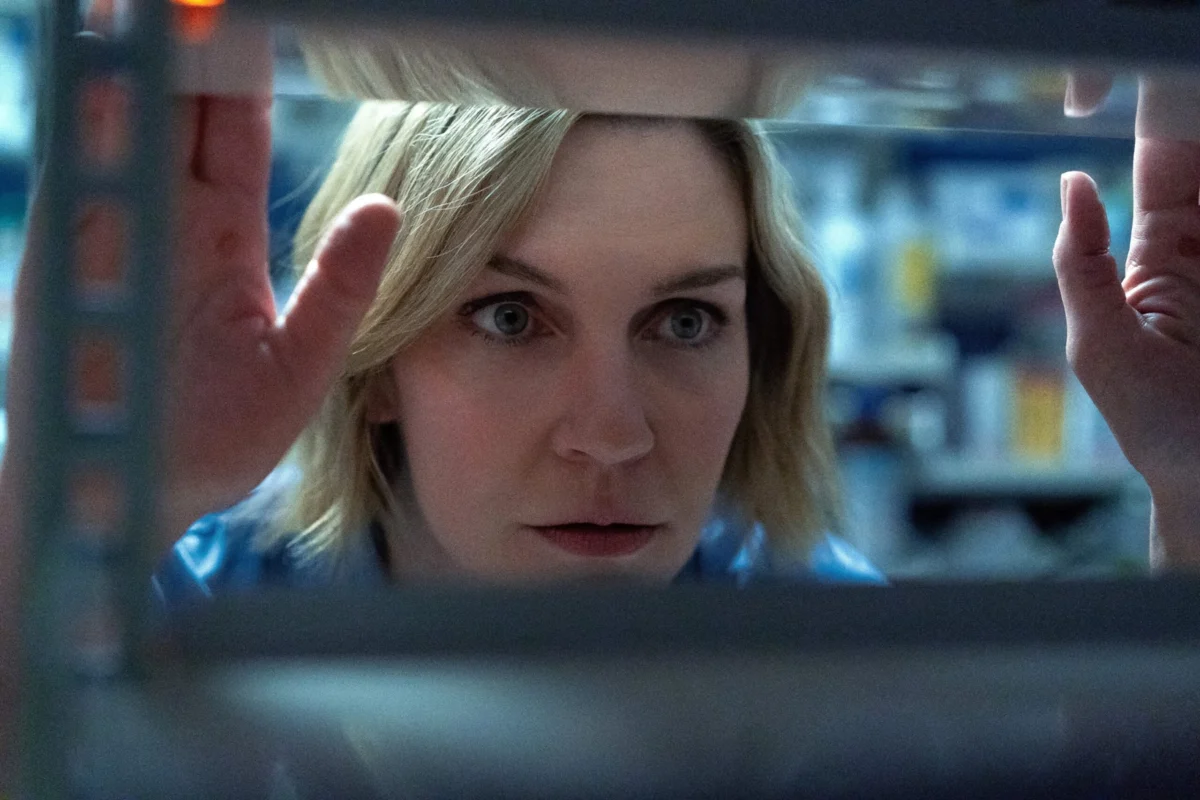
Gilligan addressed the intense pressure surrounding Pluribus Season 2, particularly the cliffhanger involving Carol Sturka (played by Rhea Seehorn). While he joked about doing a "mulligan" on the Season 1 finale—humorously suggesting they might simply ignore the "A-Bomb" plot point—his serious commentary focused on the luxury of time.
"We are beneficiaries of a much more forgiving medium now," Gilligan stated. He argued that the flexibility of streaming allows writers to adjust the story to what it "wants to be." This perspective challenges the common criticism that streaming leads to "bloated" narratives. For Gilligan, it is about finding the "right pace." If a story is a character study about wistfulness or lost youth, it should go slower. If it is a spy thriller, it should "bop along."
Gilligan’s philosophy is rooted in the "William Goldman truism" that "nobody knows anything." He cautioned against writing for trends—such as the perennial "vampire movie" advice from agents—and instead urged creators to focus on what "keeps them awake at night."
Implications: The Future of Originality in a "Content" Economy
The insights from IndieWire and Gilligan suggest several long-term implications for the television industry:

1. The End of the "Consumer-Driven" Model
Gilligan’s reference to Steve Jobs—that it is not the consumer’s job to know what they want—suggests a return to auteur-driven television. As the market becomes saturated with reboots and established IP, the shows that succeed will likely be the ones that offer something "new" that the audience didn’t know they needed.
2. The Professionalization of "Content"
With the rise of citizen journalism and social media creators, professional productions like The Daily Show and Top Chef are doubling down on technical complexity. By leaning into high-level production design and sophisticated cinematography, professional TV is creating a "quality moat" that separates it from the "Content™" generated by the general public.
3. The Value of Geographic Continuity
The success of the "Albuquerque model" (20 years across three shows) suggests that there is immense value in a production team mastering a specific environment. This continuity allows for a visual richness that cannot be replicated by jumping from one tax-incentive-friendly location to another.
4. The "Forgiving" Narrative
As streaming services continue to evolve, the "forgiving process" Gilligan describes may become the standard. This allows for a more organic development of seasons, where creators can react to the strengths of their actors (like Seehorn) and the "hunger" of the audience without being tethered to a rigid broadcast calendar.
In conclusion, the "Top of the Line" roundup is more than a list of Emmy contenders; it is a testament to the fact that great television is a marriage of high-level technical craft and a stubborn refusal to follow trends. As Vince Gilligan notes, if a story is exciting enough to keep a creator awake at night, the odds are that it will eventually find an audience—provided the industry continues to offer the space and the tools for that story to find its natural pace.