Navigating the Labyrinth of the Mind: An In-Depth Look at the Psychological Adventure ‘HeartWeaver’
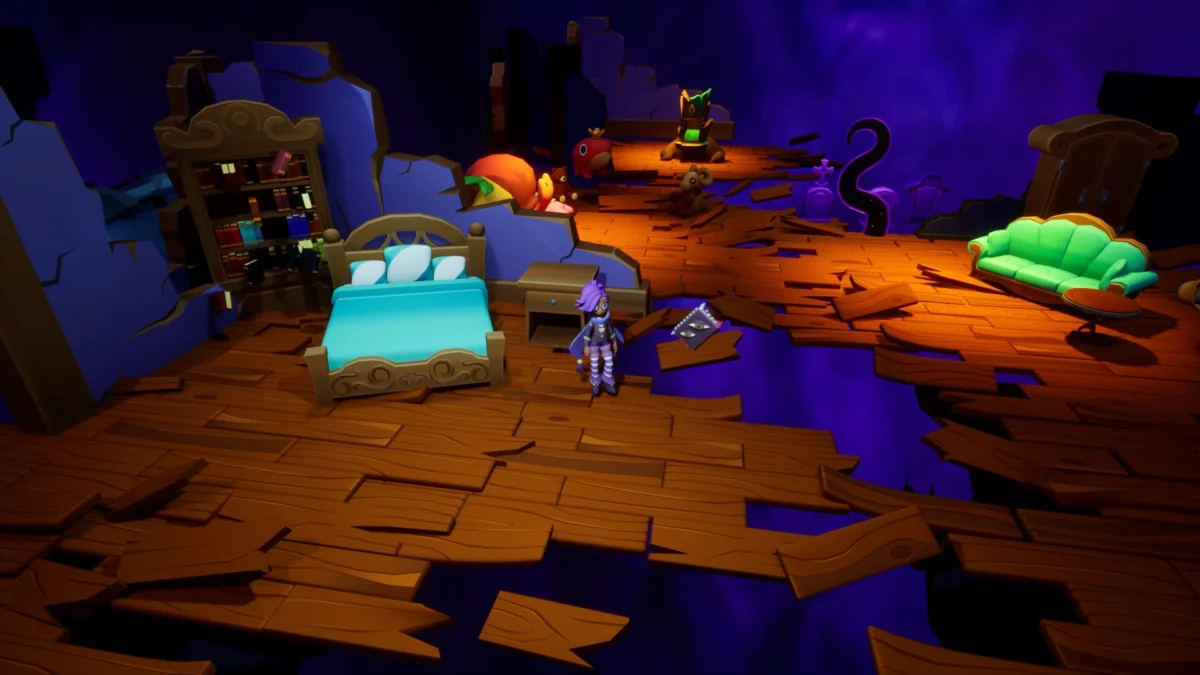
The landscape of independent video games has increasingly turned its lens inward, moving away from external conquests toward the complex, often fractured architecture of the human psyche. Among the most promising entries in this "empathy-driven" genre is HeartWeaver, a 3D puzzle-adventure title that challenges players to navigate the subconscious of a protagonist named Ace. Recently showcased at the prestigious Pocket Gamer Connects event, HeartWeaver offers a poignant exploration of memory, repression, and the arduous journey toward emotional recovery.
Main Facts: The Architecture of a Fractured Mind
At its core, HeartWeaver is a narrative-driven puzzle game that places players in the role of Ace, an individual who has become a prisoner within the confines of their own consciousness. The game’s primary objective is not merely to escape, but to facilitate a process of internal healing. This is achieved by traversing various "Mind Worlds"—surreal environments that serve as physical manifestations of Ace’s past experiences and current emotional state.
The Protagonist and the Setting
Ace is a character defined by what they have forgotten. The game’s world is a sprawling, fragmented collection of floating islands and surreal structures, many of which are choked by thick, thorny vines. These vines represent the act of repression—the mind’s defensive mechanism to hide painful memories. As players progress, they must find ways to clear these obstructions to reveal the "truth" of Ace’s history.
The Antagonist-Companion: Mark
One of the most distinctive features of HeartWeaver is the presence of Mark, a giant, sentient book monster. Unlike traditional companions who offer encouragement, Mark serves as a personification of Ace’s internal critic. He is described as harsh, cynical, and frequently right in his criticisms, creating a friction-filled relationship with the player. Interacting with Mark is mandatory for progression, forcing players to confront the uncomfortable "inner voice" that often hinders self-actualization.
The Gameplay Loop
The gameplay revolves around environmental puzzles that require the manipulation of the world using Ace’s emotional states. Unlike typical adventure games where "power-ups" are found as external items, Ace’s abilities are intrinsic to their feelings. By tapping into specific emotions—Sadness, Fear, and Anger—players can alter the physical laws of the mindscape to overcome obstacles.
Chronology: From Conception to the Spotlight
The development of HeartWeaver reflects a growing trend in the indie scene: the "serious game" that prioritizes emotional resonance over high-octane action.
- Early Development and Conceptualization: The project began as an exploration of how 3D platforming and puzzle-solving could be used as metaphors for therapy and mental health. The developers sought to create a visual language for complex psychological concepts, such as the way a memory can feel "overgrown" or "fragmented."
- The Rise of the Demo: Following a period of iterative design, a playable demo was released on Steam. This allowed the community to experience the core mechanics and the unique atmosphere of Ace’s mind, generating significant "wishlist" momentum.
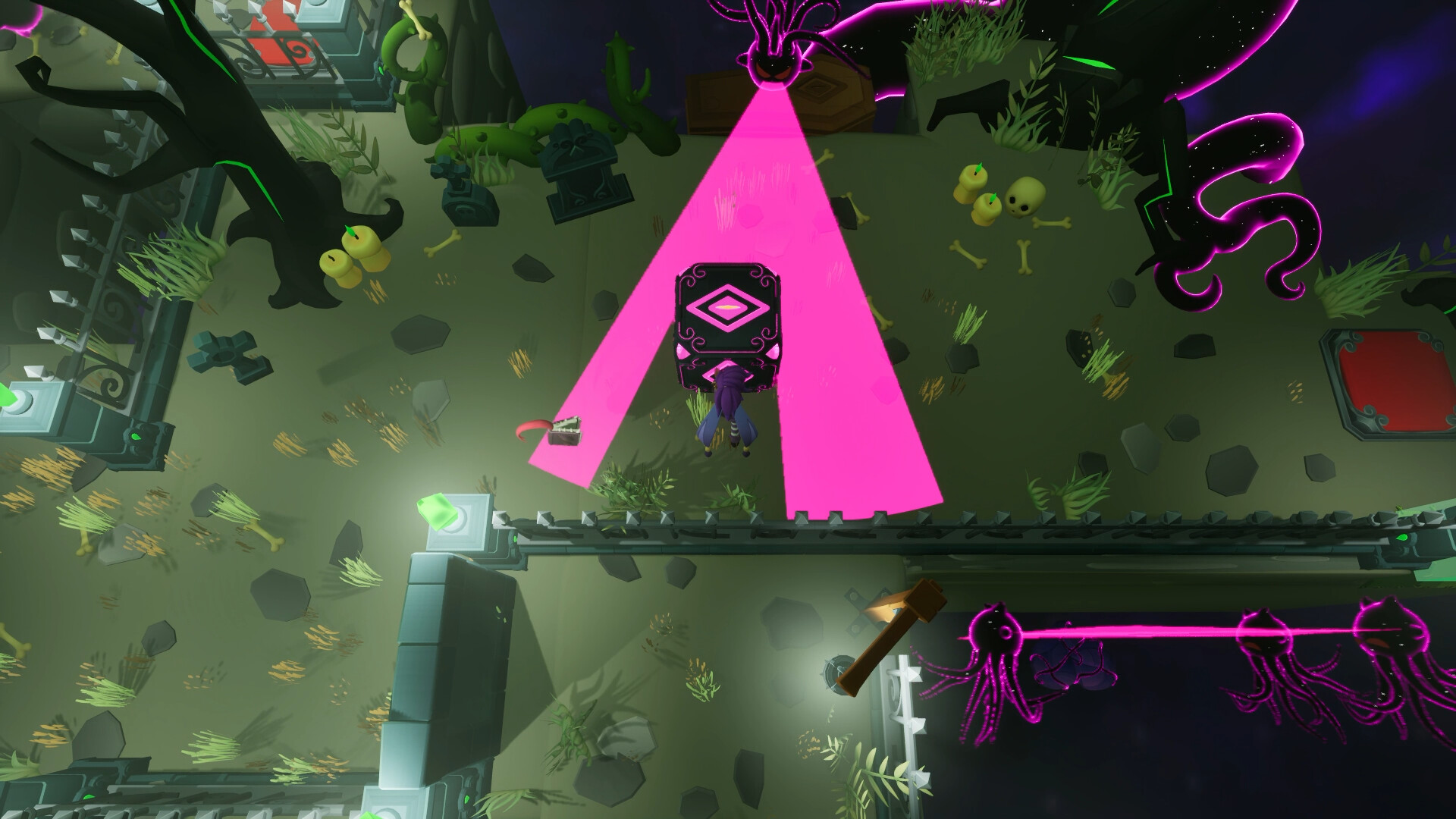
- Pocket Gamer Connects (PGC) Showcase: The game received a major boost in visibility during its presentation at Pocket Gamer Connects. This industry event served as a platform for the developers to demonstrate the game’s unique emotional mechanics to critics and fellow creators. It was here that the nuanced role of Mark, the book monster, and the game’s "octopus monster" puzzles were first highlighted in a professional capacity.
- Current Status: As of late 2024, HeartWeaver remains in active development, with a growing community on Steam. The developers are using feedback from the PGC showcase and the Steam demo to refine the puzzle difficulty and ensure the narrative’s emotional beats land with the intended impact.
Supporting Data: The Mechanics of Emotion
HeartWeaver distinguishes itself through its "Emotional Ability System." Rather than using these emotions as status ailments (as seen in traditional RPGs), the game utilizes them as tools for problem-solving. This design choice suggests that every emotion, even the "negative" ones, has a functional purpose in the process of healing.
The Emotional Palette
- Sadness (Time Dilation): When Ace leans into Sadness, the world slows down. This mechanic allows players to navigate fast-moving hazards or time-sensitive puzzles. It serves as a metaphor for the way depression or grief can make time feel sluggish and heavy.
- Fear (Astral Projection): Fear allows Ace to leave their physical form, exploring areas that would otherwise be too dangerous or inaccessible. This represents the "dissociative" quality of fear—the feeling of being detached from one’s own body when faced with trauma.
- Anger (Kinetic Force): Anger provides the power to push objects away with significant force. In the context of the game’s puzzles, this is used to clear debris or reposition large environmental elements. It characterizes anger as a defensive, outward-facing energy.
Environmental Symbolism
The world-building in HeartWeaver is heavily reliant on visual metaphors. The "Octopus Monsters" encountered throughout the game represent complex, multi-faceted problems that cannot be "destroyed" through simple force. Instead, players must find ways to solve the puzzles they inhabit without resorting to violence, mirroring the way complex psychological issues must be managed rather than simply "deleted."
Furthermore, the "Vines of Repression" serve as the primary gatekeeping mechanic. By clearing these vines, players aren’t just unlocking a new area; they are symbolically allowing Ace to remember a part of themselves that they had previously deemed too painful to acknowledge.
Official Responses and Developer Philosophy
While specific quotes from the individual developers at the PGC event focused on the technical challenges of 3D puzzle design, the overarching philosophy of the studio is clear: HeartWeaver is intended to be a "healing simulator."
During the PGC presentations, the developers emphasized that the game is not intended to be a substitute for professional therapy, but rather a way to foster empathy and self-reflection. One of the key talking points was the character of Mark. The developers noted that Mark’s inclusion was essential because "the process of healing isn’t always filled with kindness; sometimes, the hardest part is listening to the parts of yourself you dislike and finding a way to move forward anyway."
The feedback from the PGC demo was overwhelmingly focused on the game’s art style—a blend of whimsical surrealism and haunting isolation—and its ability to make the player feel "uncomfortably seen" through Mark’s dialogue. The developers have stated that they are committed to maintaining this "bittersweet" tone, ensuring that the game feels authentic to the experience of mental health recovery, which is rarely a linear or purely positive journey.
Implications: The Future of Empathetic Gaming
The emergence of HeartWeaver signals a broader shift in the interactive entertainment industry. As the demographic of gamers matures, there is an increasing demand for titles that tackle "adult" themes like trauma, memory, and emotional intelligence through sophisticated gameplay.
1. Games as Empathy Machines
HeartWeaver follows in the footsteps of titles like Psychonauts 2 and Gris, but it carves its own niche by focusing on the "unlikable" aspects of the self (personified by Mark). By forcing the player to cooperate with a character they may actively dislike, the game simulates the internal conflict inherent in self-improvement.
2. Narrative-Mechanical Integration
The game is a prime example of "ludonarrative resonance," where the mechanics (slowing time through sadness, pushing through anger) perfectly match the story being told. This integration is becoming a benchmark for high-quality indie development, moving away from "puzzles for the sake of puzzles" and toward "puzzles as storytelling."
3. Accessibility and Mental Health Awareness
By providing a demo on Steam and engaging with the community at events like Pocket Gamer Connects, the developers are contributing to a more open dialogue regarding mental health. HeartWeaver provides a safe, metaphorical space for players to explore themes of repression and healing, potentially offering a low-barrier entry point for individuals to consider their own emotional landscapes.
Conclusion
HeartWeaver is more than a standard 3D platformer; it is a meticulously crafted psychological journey. Through its innovative use of emotional mechanics, its challenging character dynamics, and its rich symbolic world-building, it promises to be a significant addition to the "wholesome" yet "heavy" subgenre of indie games.
As Ace moves closer to the center of their own mind, players are reminded that healing is not about destroying the "monsters" of the past, but about understanding them, weaving them into a coherent narrative, and eventually finding the strength to move past the vines of repression. With its release on the horizon and a demo currently available for the public, HeartWeaver is a title that demands the attention of anyone interested in the intersection of gaming and the human condition.
Wishlist and Play: The HeartWeaver demo is currently available on Steam for players looking to experience Ace’s inner world firsthand. As the game nears its full release, it stands as a testament to the power of indie games to tell deeply personal, universally resonant stories.