Evolution in Immersion: Margot Robbie and Google Unveil ‘Galápagos: The Last Eden’ at Venice Immersive
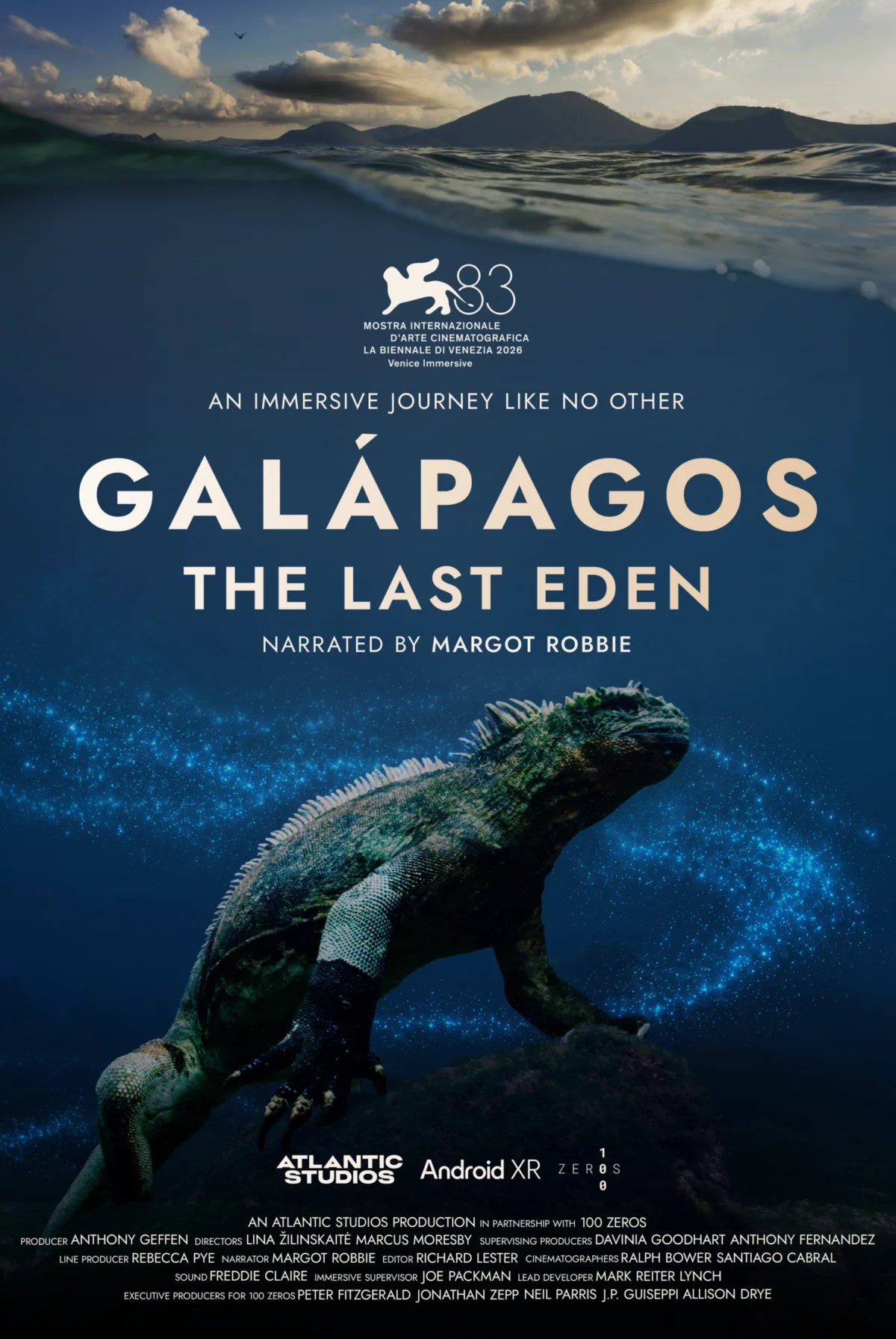
The convergence of high-end cinematic storytelling, spatial computing, and generative artificial intelligence has reached a new milestone at the 83rd Venice International Film Festival. This week, "Galápagos: The Last Eden," a groundbreaking 60-minute interactive experience, made its debut at Venice Immersive. Produced in collaboration with Google and narrated by Academy Award-nominated actress Margot Robbie, the project represents a significant leap forward for the Android XR ecosystem and the future of immersive documentaries.
Directed by Lina Zilinskaite and Marcus Moresby, and produced by the legendary documentary filmmaker Anthony Geffen, the experience offers a multi-sensory journey through one of the most biodiverse and historically significant locations on Earth. By blending stereoscopic 180-degree cinematography with interactive AI elements, the project aims to redefine how audiences connect with the natural world.
Main Facts: A New Frontier for Spatial Storytelling
"Galápagos: The Last Eden" is not merely a 360-degree film; it is a sophisticated XR (Extended Reality) experience designed to leverage the capabilities of the newly emerging Android XR platform. The project is currently competing at Venice Immersive, the prestigious XR-focused section of the Venice International Film Festival, which runs from September 2 to September 12.
Key Project Pillars:
- Narrative Leadership: The experience is narrated by Margot Robbie, who brings a personal connection to the project, having visited the archipelago in her youth.
- Technological Foundation: Built using Google’s Android XR framework and showcased on Xreal Aura hardware, the project highlights the potential for high-fidelity spatial computing on portable devices.
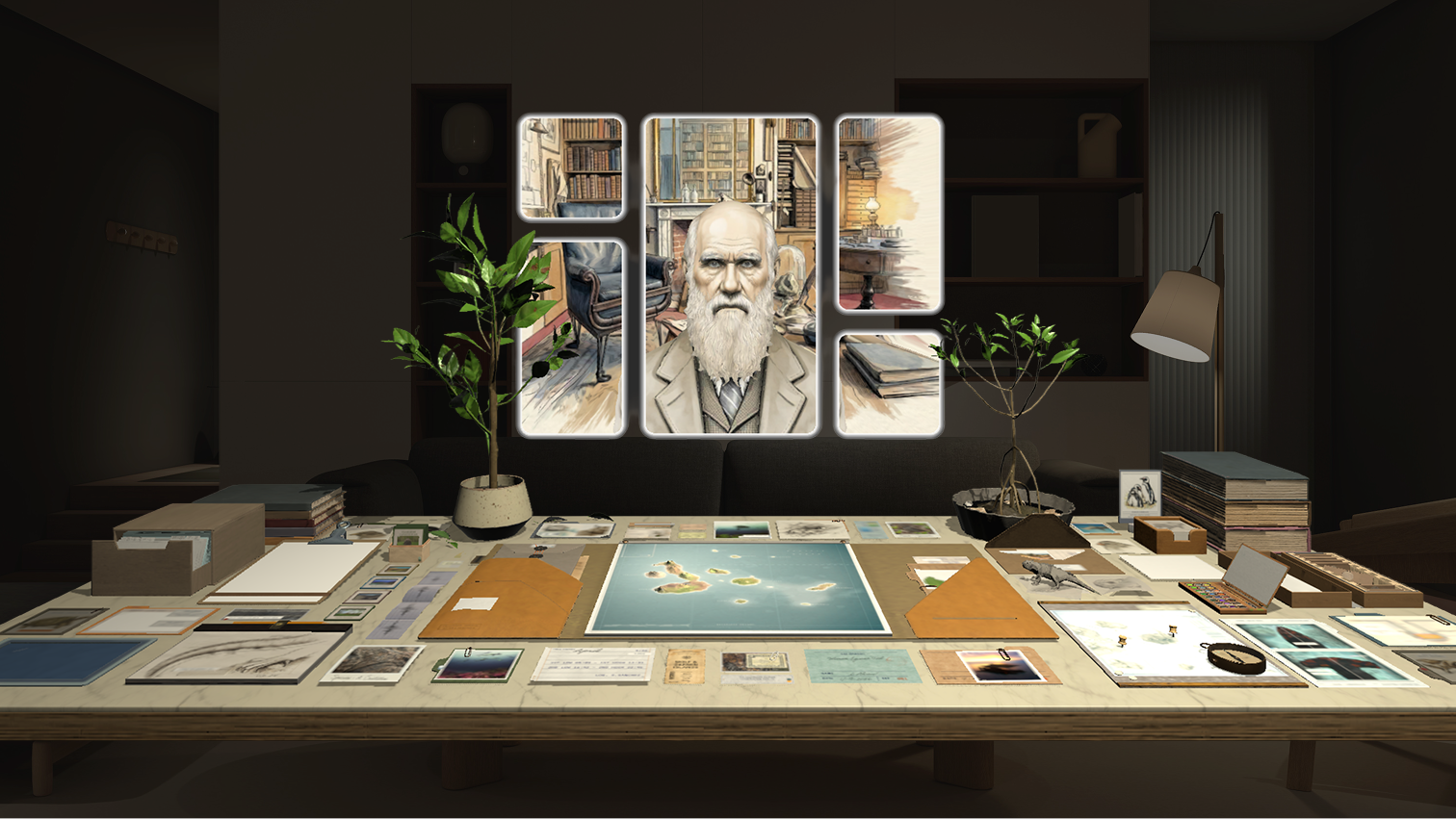
- Interactive AI: Utilizing Google’s Gemini Live API, the experience features a "living" digital twin of Charles Darwin, allowing users to engage in real-time, research-grounded conversations.
- Production Pedigree: Spearheaded by Anthony Geffen and Atlantic Studios, the team behind iconic immersive works with Sir David Attenborough and the high-resolution digital mapping of the Titanic.
The experience is structured as a 60-minute exploration that covers three primary domains: the volcanic origins of the islands, the teeming life of the surrounding oceans, and the unique evolutionary behaviors of the terrestrial wildlife. Unlike traditional documentaries, "The Last Eden" allows visitors to manipulate their environment and dictate the pace of their discovery, bridging the gap between education and interactive entertainment.
Chronology: From the Voyage of the Beagle to the Android XR Era
The development and presentation of "Galápagos: The Last Eden" follow a timeline that reflects the rapid evolution of both filmmaking technology and spatial hardware.
Phase 1: Conceptualization and Location Scouting
The project was conceived by Anthony Geffen, whose career has been defined by a desire to bring the natural world to audiences through the most advanced tools available. Following the success of his previous VR ventures, Geffen sought to utilize the Galápagos Islands—a "living laboratory" of evolution—as the ultimate subject for a new generation of XR devices.
Phase 2: Technical Innovation and Capture (2023–2024)
To capture the islands with unprecedented clarity, the production team deployed a suite of specialized camera systems. This included the use of Blackmagic’s URSA Cine Immersive system, marking one of the first major documentary applications of dual 8K sensor technology for 180-degree stereoscopic capture. Throughout 2023 and early 2024, the team conducted rigorous field shoots, involving underwater VR rigs and custom-adapted drones to ensure that every angle of the archipelago—from the deep sea to the volcanic peaks—was rendered in high fidelity.
Phase 3: The Integration of Generative AI
As Google’s Gemini AI evolved, the production team saw an opportunity to move beyond passive narration. By integrating the Gemini Live API, the team spent months grounding an AI model in the specific research and journals of Charles Darwin. This allowed for the creation of an interactive historical figure capable of responding to user queries within the Unity-based environment.
Phase 4: Venice Premiere and Future Deployment (September 2024)
The project’s debut at Venice Immersive serves as its global coming-out party. A representative for the project confirmed that while the Venice presentation utilizes Xreal Aura hardware, a wider consumer release is planned for the Google Play Store, targeting the broader ecosystem of Android XR devices.
Supporting Data: The Technology Behind the Immersion
The technical complexity of "Galápagos: The Last Eden" is what separates it from standard VR content. The production required a marriage of hardware and software that pushed the limits of current mobile processing.
Advanced Cinematography
To achieve the "window into another world" effect, the team utilized:
- Blackmagic URSA Cine Immersive: This camera system utilizes dual 8K sensors to capture a 180-degree field of view with massive dynamic range. This ensures that the lighting of the Galápagos—from the harsh equatorial sun to the shadowed crevices of volcanic rock—is preserved.
- RED Underwater VR Rigs: Capturing the marine iguanas and hammerhead sharks required specialized housings for RED cameras, fitted with dual-lens systems to maintain the stereoscopic effect beneath the waves.
- Stereoscopic Drone Capture: Custom-built heavy-lift drones were adapted to carry VR camera payloads, providing stabilized 180-degree aerial views that give users a "bird’s-eye" perspective of the islands’ unique topography.
The AI Framework
The "Charles Darwin" interaction is powered by:
- Google Gemini Live API: This provides the natural language processing (NLP) necessary for fluid conversation.
- System Prompting and Grounding: The AI is not a general-purpose chatbot; it is strictly "grounded" in the production’s research materials and historical records to ensure accuracy and period-appropriate personality.
- OpenXR Blendshapes in Unity: To make the interaction believable, Darwin’s facial expressions and lip-syncing are driven by OpenXR blendshapes, allowing his digital avatar to react dynamically to the tone and content of the user’s questions.
Hardware Portability
The choice of the Xreal Aura for the Venice presentation is significant. It signals a shift away from bulky, tethered PC-VR setups toward sleek, wearable XR glasses that can handle high-bitrate video and complex AI interactions via Android-based processing.
Official Responses: Voices from the Production
The project has garnered significant praise for its ambition and its ability to attract A-list talent to the XR medium.
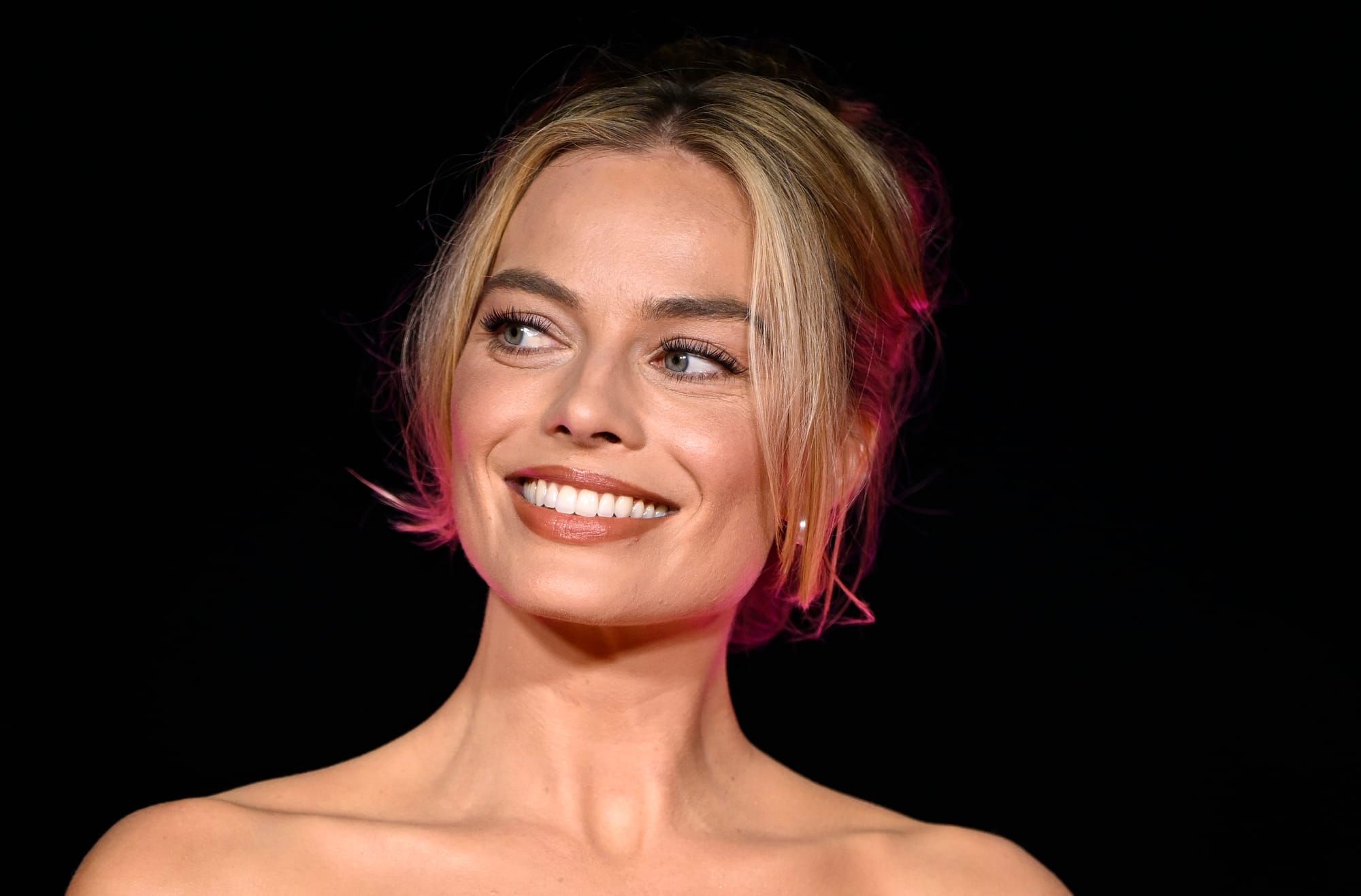
Margot Robbie, the project’s narrator, emphasized the emotional weight of the experience:
"I visited the Galápagos when I was 18 and was completely captivated by them. Immersive technology is a way for audiences to develop a more personal, visceral connection with the islands and their wildlife. It’s not just about watching; it’s about being there."
Anthony Geffen, CEO of Atlantic Studios, highlighted the shift in documentary filmmaking:
"We have always looked for the ‘next’ way to tell stories. From 3D to VR with David Attenborough, and now to Android XR. This project isn’t just a film; it’s an environment where history and nature come alive through AI and 8K cinematography. It allows the viewer to be an explorer, not just a spectator."
Google Representatives have noted that "Galápagos: The Last Eden" serves as a lighthouse project for the Android XR platform. By hosting the experience on Google Play in the future, the tech giant aims to demonstrate that spatial computing can be a medium for high-brow educational and cultural content, rather than just gaming.
Implications: The Future of XR, Education, and Conservation
The debut of "Galápagos: The Last Eden" carries profound implications for several industries, ranging from big tech to environmental activism.
1. The "Spatialization" of Big Tech
Google’s deep involvement in this project suggests a renewed and aggressive push into the spatial computing market. By partnering with high-end filmmakers and A-list celebrities, Google is positioning Android XR as a direct competitor to Apple’s VisionOS. The success of "Galápagos" could determine the cadence of future XR content releases on the Google Play Store.
2. The Resurrection of Historical Figures
The use of Gemini AI to recreate Charles Darwin opens a "Pandora’s Box" for educational technology. While "The Last Eden" uses this for historical immersion, it sets a precedent for "interactive history" where students can interview digital twins of figures like Albert Einstein, Marie Curie, or Martin Luther King Jr. This raises questions about digital ethics, the accuracy of AI personas, and the potential for "hallucinations" in educational contexts.
3. Virtual Tourism as a Conservation Tool
The Galápagos Islands are a fragile ecosystem under constant threat from over-tourism and climate change. Immersive experiences like "The Last Eden" offer a potential solution: "Virtual Conservation." If audiences can feel a deep, personal connection to the islands through a headset, it may reduce the physical footprint of tourism while simultaneously raising global awareness and funding for preservation efforts.
4. A New Standard for Immersive Media
For the film industry, this project marks a transition. The 60-minute runtime is significant; it moves XR away from "tech demos" and toward feature-length storytelling. As hardware becomes more comfortable and visual fidelity increases, "The Last Eden" may be remembered as the moment the "documentary" evolved into the "immersive experience."
As Venice Immersive continues, "Galápagos: The Last Eden" stands as a testament to the power of collaborative technology. It is a reminder that while the tools of storytelling are changing—from the printed word of Darwin’s journals to the 8K sensors of the modern era—the human desire to explore and understand the "Last Edens" of our world remains unchanged.