Apple’s iPhone 18 Pro: A Leap Forward in Mobile Photography with Variable Aperture and Enhanced Battery
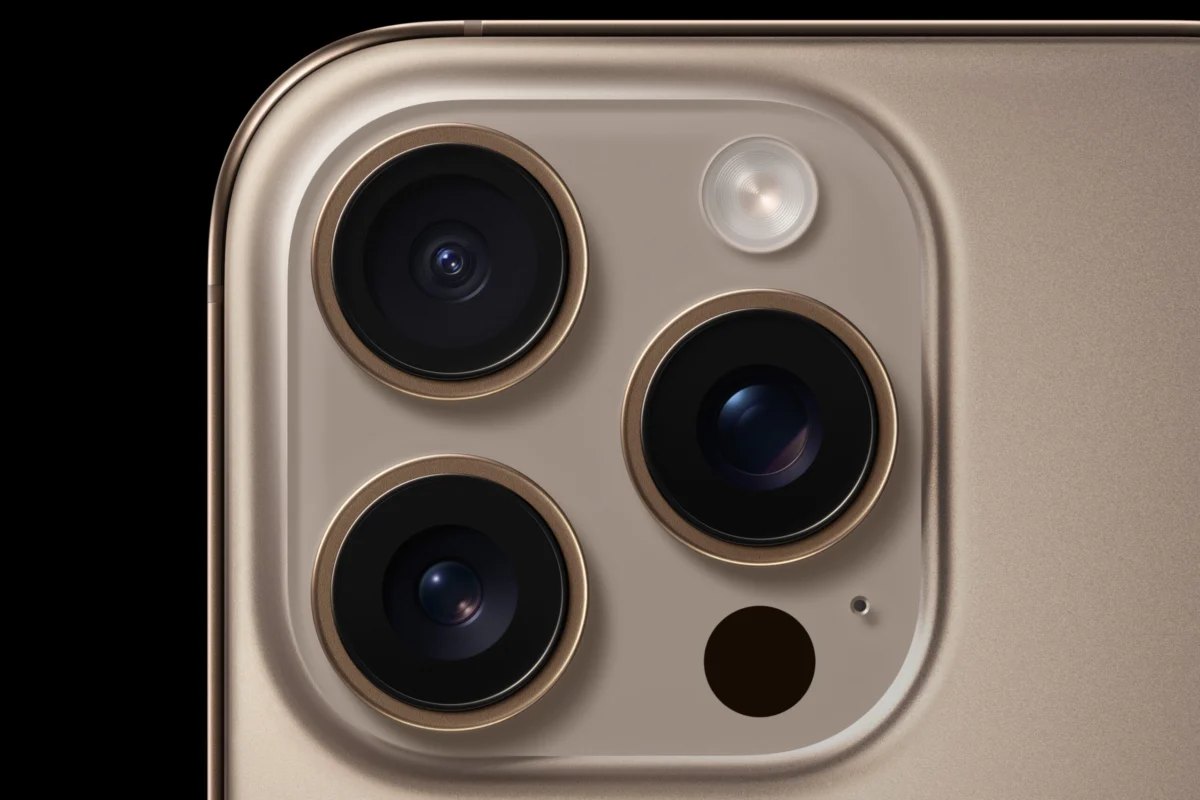
September marks a pivotal moment for Apple enthusiasts and tech aficionados alike, as the company gears up for its highly anticipated annual event. Under the new leadership of CEO John Ternus, this year’s showcase is poised to unveil groundbreaking advancements, with the long-speculated folding iPhone expected to make its grand entrance. However, beyond the foldable form factor, the iPhone 18 Pro is rumored to harbor a significant upgrade that could redefine mobile photography: the integration of a variable aperture lens. This development, coupled with a substantial battery enhancement, signals a strategic focus on empowering creators and power users, potentially elevating the iPhone’s capabilities closer to those of professional DSLR cameras.
The tech world has been abuzz with rumors surrounding Apple’s camera technology for years, with whispers of a variable aperture lens appearing in successive Pro model iterations. The iPhone 18 Pro, according to persistent leaks and industry analysis, is finally set to adopt this sophisticated feature. This isn’t merely an incremental upgrade; it represents a fundamental shift in how smartphone cameras can control light and depth of field, offering unprecedented creative flexibility for both amateur photographers and seasoned professionals.
The Genesis of a Camera Revolution: Variable Aperture Explained
At its core, a variable aperture lens allows the camera to physically adjust the size of the opening through which light enters the sensor. In traditional photography, this is controlled by an iris diaphragm, akin to the pupil of the human eye. A wider aperture (lower f-number) allows more light, resulting in a shallower depth of field – ideal for portraits where the subject is sharply in focus against a softly blurred background. Conversely, a narrower aperture (higher f-number) restricts light, increasing the depth of field, which is crucial for landscape photography where the entire scene needs to be in focus.
For years, iPhones have relied on digital manipulation and computational photography to simulate these effects. While remarkably effective, these methods cannot replicate the nuanced bokeh and precise control offered by a physical aperture. The introduction of a variable aperture on the iPhone 18 Pro would bridge this gap, allowing users to achieve natural-looking depth-of-field effects and better manage exposure in challenging lighting conditions.
This advancement is particularly significant for mobile photographers who rely on their iPhones as their primary or sole photographic tool. The ability to fine-tune aperture settings directly translates to greater creative expression, enabling users to capture images with a more professional aesthetic, characterized by pleasing background blur and sharper focus on the intended subject. This could significantly impact how users approach mobile photography, pushing the boundaries of what’s achievable with a pocket-sized device.
Beyond the Lens: A Battery Powerhouse for Demanding Users
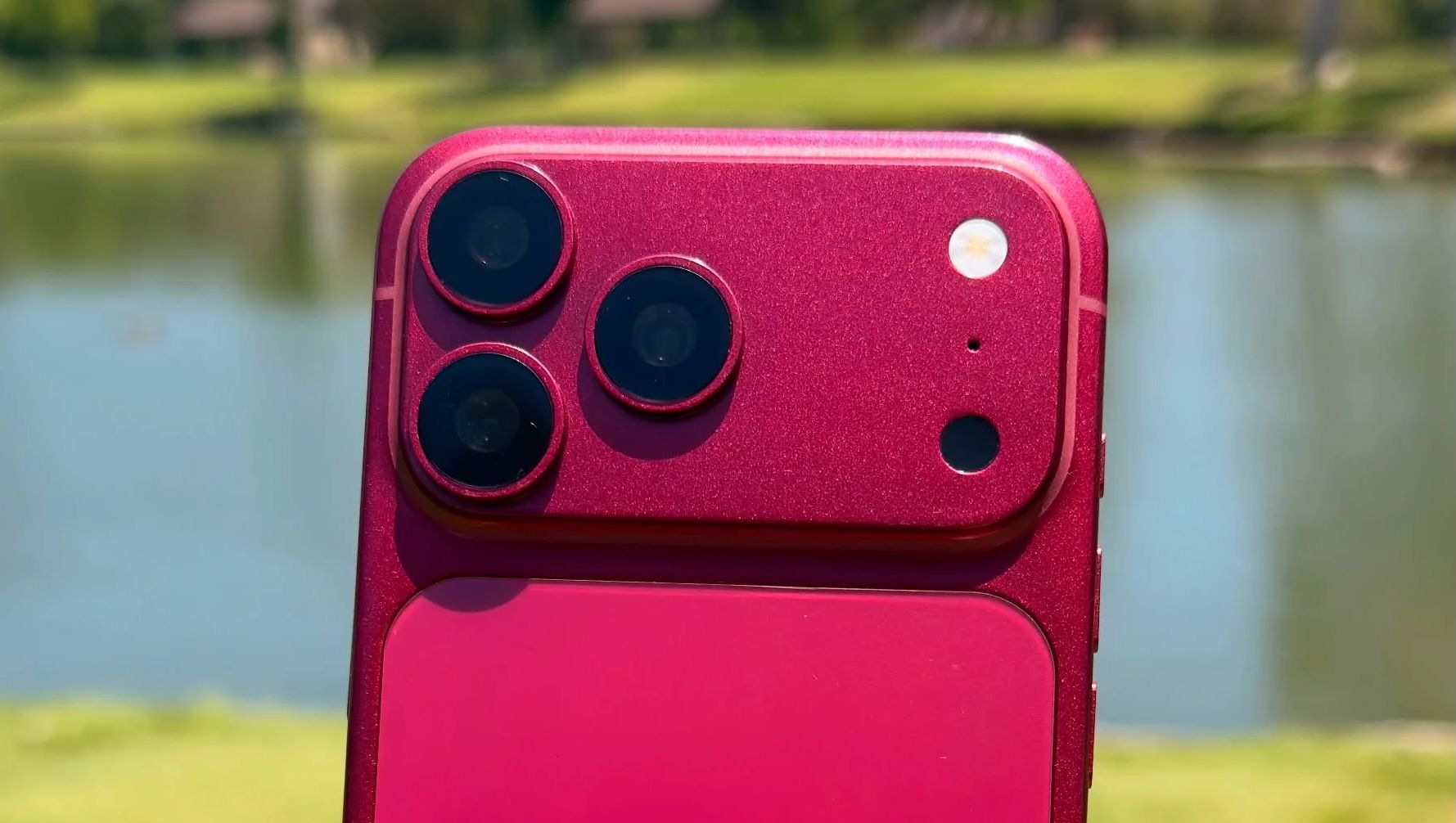
Complementing the photographic prowess, the iPhone 18 Pro series is also rumored to receive a substantial battery upgrade, particularly the Pro Max model. Reports suggest a significant leap to a 5,500 mAh battery capacity. This is a critical development, especially for users who push their devices to the limit, including those who utilize their iPhones extensively for photography and videography.
Extended battery life is a perennial concern for smartphone users, and for content creators, it’s an absolute necessity. The ability to shoot high-resolution photos and videos, edit them on the device, and share them online without constantly searching for a power outlet can be a game-changer. A larger battery would provide the necessary endurance to support these demanding workflows, making the iPhone 18 Pro Max an even more compelling tool for mobile content creation.
The synergy between an advanced camera system and a robust battery is evident. Capturing high-quality images, especially in RAW format or with advanced video settings, consumes significant power. A larger battery ensures that photographers and videographers can continue to create without interruption, maximizing their productivity and creative output. This dual focus on camera innovation and power management underscores Apple’s commitment to catering to the needs of its most demanding users.
The Folding Frontier: iPhone Ultra and its Implications
While the iPhone 18 Pro’s camera and battery upgrades are significant, the most headline-grabbing announcement is expected to be the debut of the "folding iPhone Ultra." This device represents Apple’s entry into the burgeoning foldable smartphone market, a segment that has seen rapid innovation from competitors. The folding form factor promises a larger, more immersive display when unfolded, offering a tablet-like experience in a pocketable device.
However, intriguingly, the iPhone Ultra is rumored not to feature a third camera lens, a staple on current Pro models. This detail, coupled with the variable aperture rumors for the Pro model, suggests a strategic differentiation within Apple’s lineup. It implies that while the Ultra model will focus on the novelty and utility of a foldable display, the iPhone 18 Pro will continue to be the flagship for photography enthusiasts.
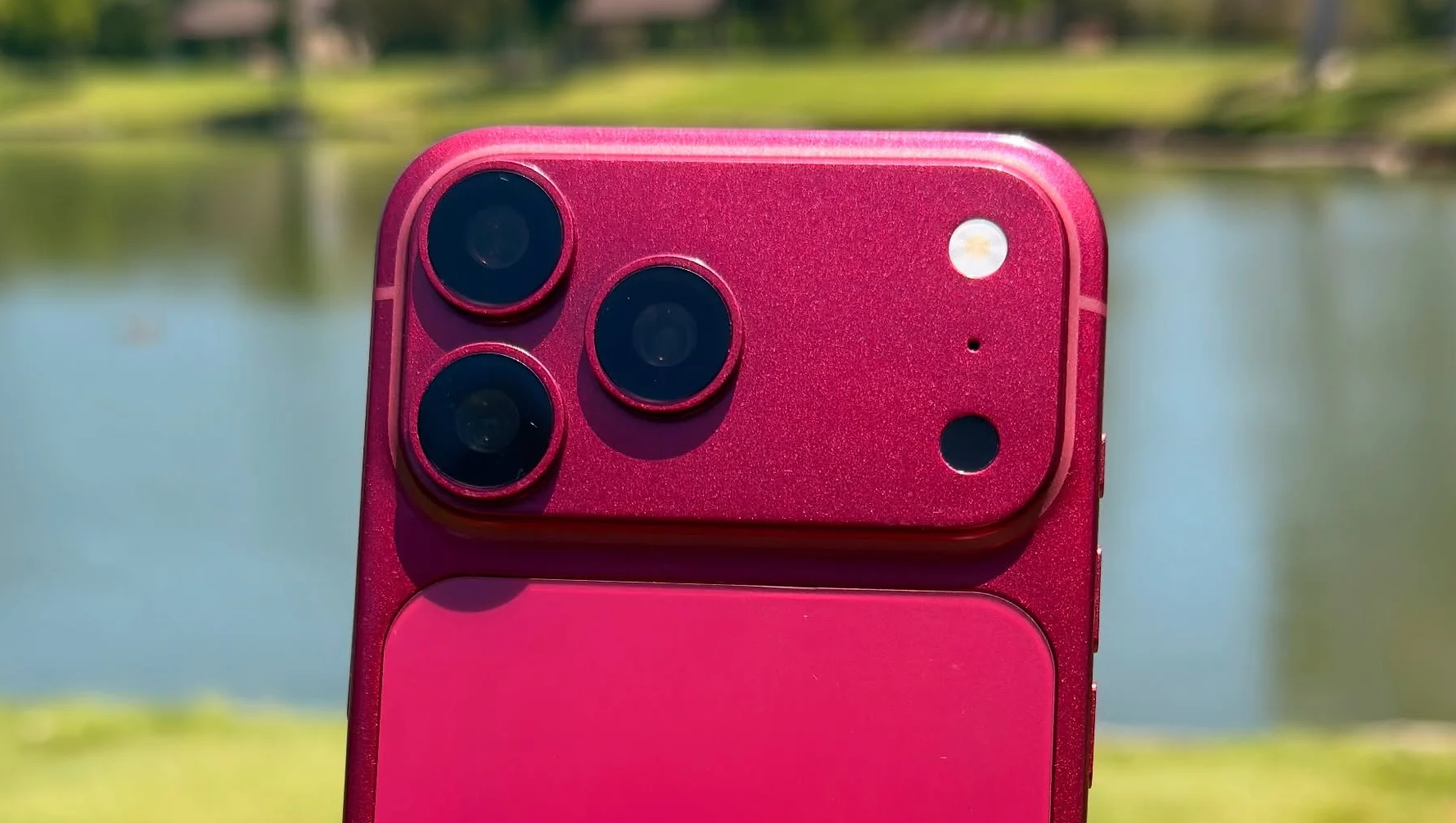
This divergence in features could create a clearer segmentation in Apple’s product offerings. For users prioritizing the absolute best in mobile photography and videography, the iPhone 18 Pro might emerge as the superior choice, even over the more technologically advanced folding Ultra. This strategy allows Apple to cater to different market segments with distinct priorities, ensuring that each device offers compelling reasons for purchase.
A Historical Perspective: The Evolution of iPhone Photography
Apple’s journey in mobile photography has been a testament to iterative innovation. From the early days of simple point-and-shoot capabilities, iPhones have progressively incorporated more advanced features, driven by both hardware advancements and sophisticated software algorithms.
- Early Generations (iPhone 1-3GS): Basic camera functionality, limited resolution, and simple software controls. Photography was primarily for casual snapshots.
- iPhone 4 & 4S: Introduction of higher resolution sensors, improved low-light performance, and the emergence of third-party camera apps, hinting at the potential for more creative control.
- iPhone 5-6S Series: Further refinements in sensor technology, introduction of features like slow-motion video and time-lapse, and the beginning of computational photography efforts with HDR.
- iPhone 7 & 8 Series: Dual-camera systems began to appear, enabling optical zoom and portrait mode with software-based depth effect. This marked a significant step towards mimicking DSLR-like bokeh.
- iPhone X & XS Series: Introduction of the notch, advanced computational photography with Deep Fusion and Night Mode, further enhancing image quality in various lighting conditions.
- iPhone 11-14 Pro Series: Continued refinement of camera hardware and software, including LiDAR scanners for improved autofocus and AR capabilities, ultrawide lenses, and cinematic video modes. The Pro models consistently pushed the boundaries of what was expected from a smartphone camera.
The rumored variable aperture on the iPhone 18 Pro represents the next logical evolution in this lineage. It moves beyond software simulation and into the realm of physical lens control, a feature that has long been a hallmark of professional camera equipment. This isn’t just about megapixels; it’s about giving users granular control over fundamental photographic principles.
Supporting Data and Industry Trends
The emphasis on camera capabilities in high-end smartphones is not an isolated trend. Industry data consistently shows that camera performance is a primary purchasing driver for consumers, especially in the premium segment. Reports from market research firms highlight that a significant percentage of smartphone users prioritize camera quality when making their purchasing decisions.
Furthermore, the growth of social media platforms and the increasing popularity of mobile content creation have amplified the demand for devices that can produce professional-quality visuals. Photographers, videographers, and social media influencers are constantly seeking tools that can help them stand out, and advanced camera features are crucial in this regard.
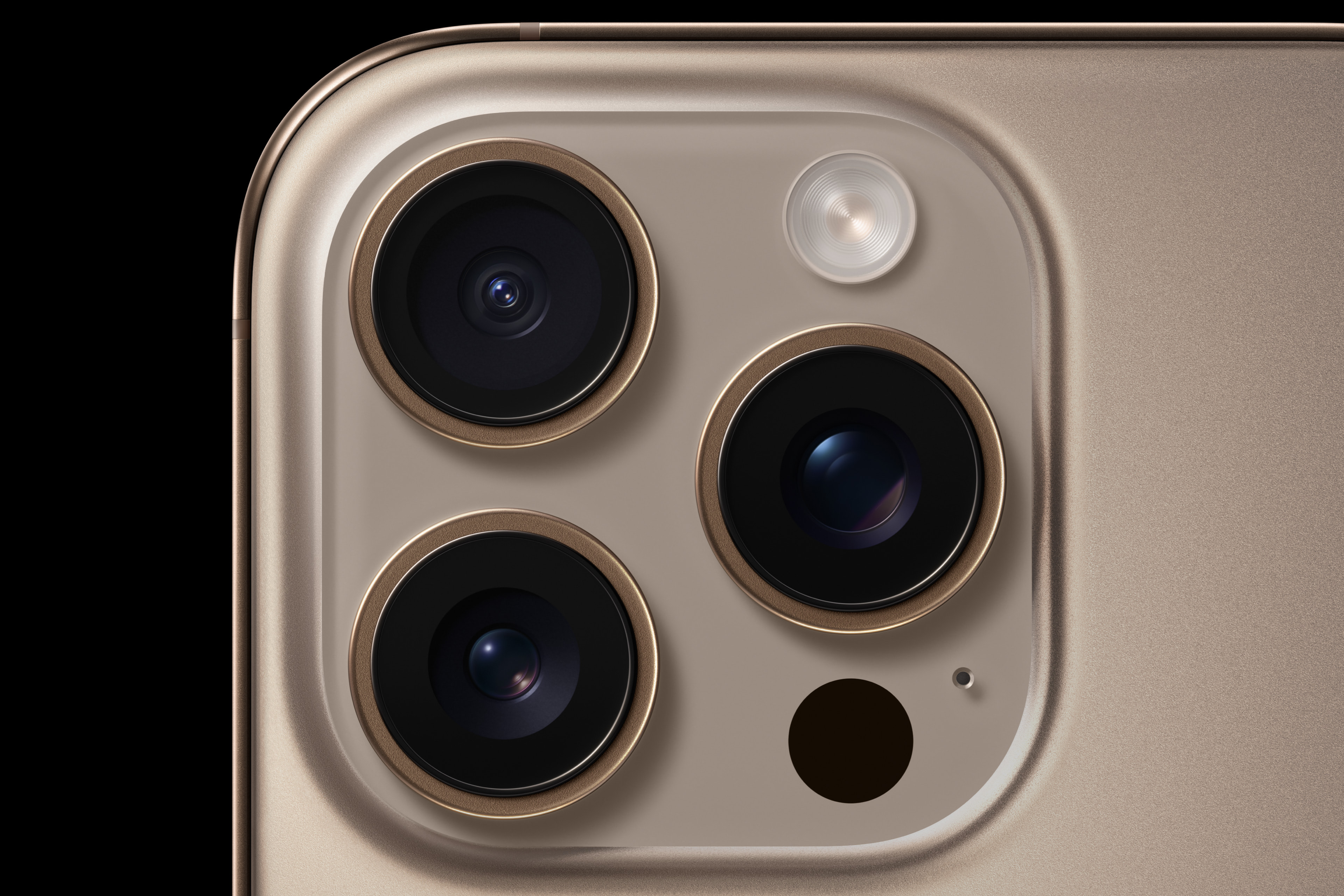
The adoption of variable aperture technology in smartphones, while still nascent, has been explored by some manufacturers. However, Apple’s meticulous approach to integrating new technologies, often refining them to a high degree of polish, suggests that their implementation could set a new benchmark for the industry. The potential for seamless integration with their existing camera software and AI-driven processing further enhances the appeal.
Official Responses and Apple’s Strategic Vision
Apple, as is its customary practice, remains tight-lipped about upcoming product releases. The company’s strategic vision for its Pro line has consistently involved pushing the envelope in terms of performance, display technology, and, crucially, camera capabilities. The consistent upgrades to the iPhone’s camera system over the years reflect a deep understanding of consumer desires and a commitment to providing users with powerful creative tools.
While official statements are absent, the consistent flow of credible leaks from supply chain sources and industry analysts paints a compelling picture. The focus on variable aperture and enhanced battery life for the iPhone 18 Pro, alongside the introduction of a folding model, suggests a multi-pronged strategy. This strategy aims to consolidate its leadership in photography while simultaneously exploring new form factors to capture emerging market segments.
The leadership of John Ternus, who took over as Senior Vice President of Hardware Engineering, is expected to bring a continued emphasis on hardware innovation and user experience. His tenure is likely to see a focus on refining core technologies and ensuring that new features are not just gimmicks but genuinely enhance the user’s interaction with their device.
Implications for the Future of Mobile Photography
The potential integration of a variable aperture lens on the iPhone 18 Pro carries significant implications:

- Democratization of Professional Photography: By bringing advanced lens control to a widely accessible device, Apple could further democratize professional-level photography. This empowers a broader audience to experiment with creative techniques previously only available to those with expensive DSLR or mirrorless cameras.
- Elevated Content Creation: The combination of improved low-light performance, enhanced depth-of-field control, and extended battery life will make the iPhone 18 Pro an even more formidable tool for content creators. This could lead to a surge in high-quality mobile-shot media across various platforms.
- Increased Competition: If Apple successfully implements a robust variable aperture system, it will undoubtedly put pressure on competitors to follow suit. This could accelerate innovation in smartphone camera technology across the entire industry.
- Redefining Smartphone Camera Expectations: The iPhone 18 Pro could shift consumer expectations regarding smartphone camera capabilities. Users may begin to prioritize lens control and optical qualities over mere megapixel counts, pushing manufacturers to invest more in optical engineering.
- Potential for New Creative Applications: Beyond still photography, variable aperture could unlock new possibilities in mobile videography, allowing for more dynamic depth-of-field transitions and cinematic effects.
As the tech world eagerly awaits Apple’s September event, the iPhone 18 Pro stands poised to be more than just an iterative update. The rumored variable aperture lens and substantial battery boost represent a significant leap forward, particularly for photography enthusiasts and content creators. While the folding iPhone Ultra may capture the initial headlines, the underlying advancements in the Pro model could quietly usher in a new era of mobile imaging, bringing the power of professional photography ever closer to the palm of every user.