The Enduring Quest: Navigating the Paradox of Aging and the Imperative of Continuous Growth
Introduction: The Dual Nature of Human Experience
Human existence is a tapestry woven with two fundamental threads: the journey of growth from infancy to maturity, and the inevitable process of aging. While both are profound aspects of human consciousness, they present distinct challenges and opportunities. The ability to perceive the world objectively, through our five senses, allows us to grasp the physical reality around us. Simultaneously, our subjective experience, shaped by our minds and brains, imbues these perceptions with meaning through emotions, thoughts, and evaluations. As we navigate the passage of time, the interplay between these two faculties becomes increasingly complex, particularly as the aging process takes hold.
The Perceptual Paradox: Maintaining Outer Awareness While Withdrawing Inward
Many older adults actively strive to maintain or even sharpen their sensory perception of the external world. This often manifests as a conscious effort to keep their senses alert and engaged with their surroundings. However, a curious phenomenon often accompanies this outward focus: a tendency to psychologically withdraw from the ever-evolving nature and values of contemporary life. This retreat is not necessarily a conscious choice, but rather a deeply ingrained pattern of behavior.
The allure of the past can be powerful. For many, revisiting familiar memories and established ways of thinking offers a sense of comfort and meaning that is easier to access than confronting the demands of adapting their mental frameworks to new perspectives. The prospect of modifying or changing deeply ingrained mental structures can feel daunting, even irritating. The effort required to re-think and re-feel long-held beliefs and mindsets, when faced with the influx of novel ideas and societal shifts, can be perceived as an unwelcome burden. This resistance to change, while understandable on a psychological level, can create a disconnect between the aging individual and the dynamic flow of modern existence.
The Unconscious Erosion of the Will to Live: The Peril of Stagnation
The consequences of this inward retreat, of diminishing the expanding range of consciousness that naturally accompanies life’s ongoing processes, are profound and often unconscious. By stepping away from new challenges and opportunities for mental engagement, aging individuals may inadvertently weaken their own intrinsic will to live. Nature, in its cyclical wisdom, presents aging not as a period of static decline, but as a phase that, if embraced with an active mind, can lead to a deeper, more nuanced understanding of life. However, when this phase is met with psychological disengagement, the vibrant spark of life can begin to flicker.
This concept is elegantly captured by the age-old adage: "Keep the Body in motion, and the Mind in action." This simple yet profound statement encapsulates the essence of continuous growth, suggesting that the secret to truly "growing up" rather than merely "growing old" lies in maintaining an active engagement with both our physical and mental faculties.
A Coffee House Encounter: The Echoes of Resignation
The writer’s personal reflections were recently brought into sharp relief during a conversation with an elderly gentleman at a local coffee house. At 75 years of age, he expressed a profound sense of resignation. "I have stopped thinking about my daily existence," he confessed, his voice tinged with a weary finality. "There’s no point in dwelling on the past. I’m an old man now. I have few opinions anymore. I’m just growing old, coasting to the end."
This sentiment, while perhaps not uncommon, struck a chord of disquiet. There are moments in life when engaging in debate or even prolonged discussion feels futile, when the chasm between perspectives is too vast to bridge. This was one such moment. The writer sensed that the gentleman would have little interest in a counter-narrative, one that championed the enduring power of consciousness to seek meaning and purpose, regardless of age.
The Persistent Questioner: A Life of Unyielding Curiosity
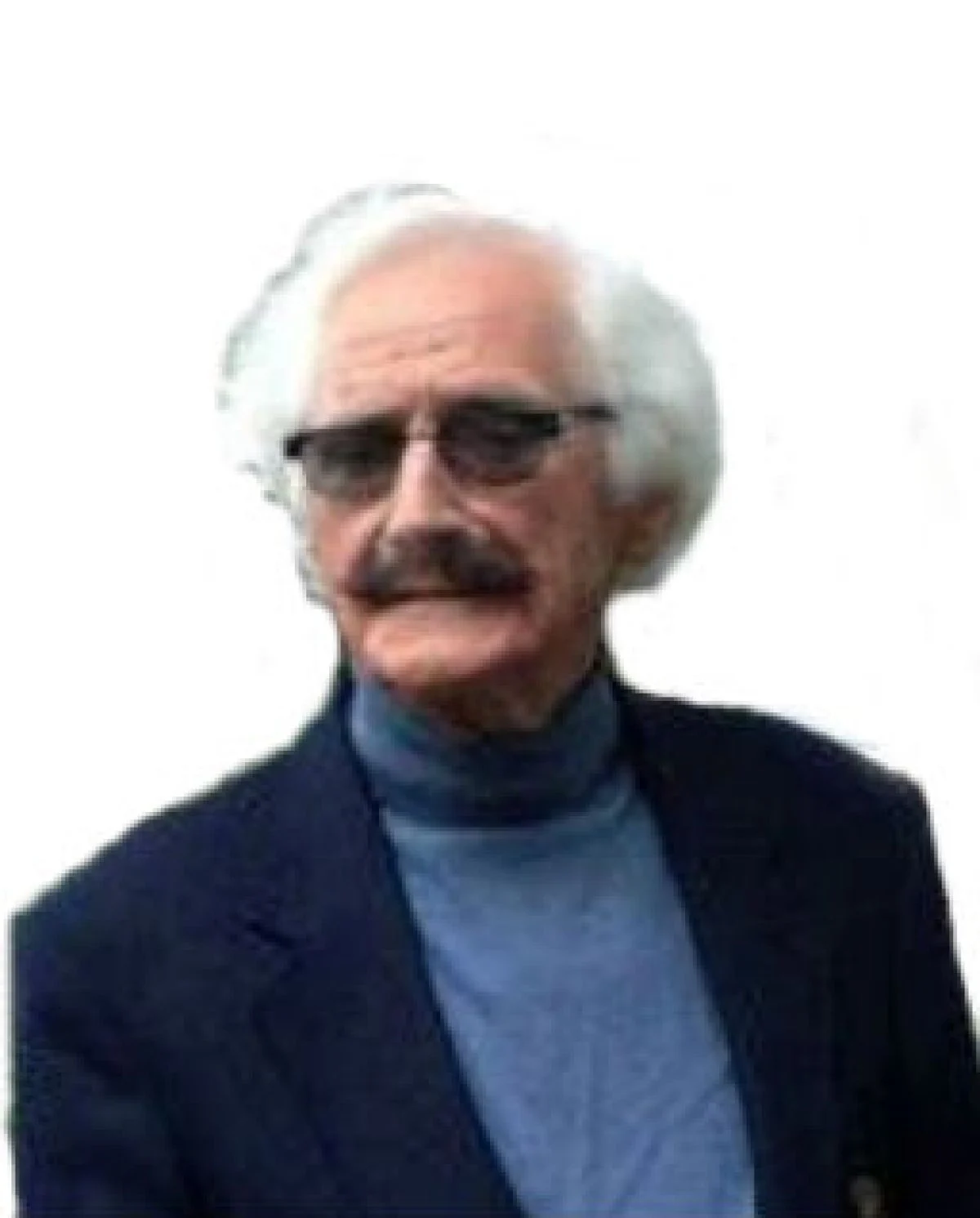
The writer’s own experience offers a stark contrast. Having recently celebrated their 94th birthday, they remain resolutely committed to an active and engaged life, actively avoiding the passive embrace of an armchair. This commitment stems from a deep-seated belief that consciousness, at any age, possesses an inherent drive to question, to explore the "why" and "wherefore" of existence, and to seek its ultimate purpose.
This continuous quest, this active engagement with life, has a tangible effect. The mind, spurred by the body’s persistent call to action, intensifies its search for understanding. The physical imperative to remain active fuels the psychological drive for growth. The result, as the writer attests, is a continuous process of "psychologically growing up," even as the physical body ages. The questions that propel this growth may become less frequent and less intense in the younger years, but their presence, and the drive to answer them, persists.
Echoes from Antiquity: Wisdom on the Nature of Age
The enduring nature of this debate on aging and growth is illuminated by timeless wisdom from disparate eras. Two profound quotations, separated by approximately 2,500 years, offer contrasting yet complementary perspectives on the human experience of aging.
Plato, the ancient Greek philosopher, offered a vision of old age characterized by tranquility and liberation: "Old age has a great sense of calm and freedom. When the passions have relaxed their hold, you have escaped not from one master, but from many." This perspective suggests that as the intensity of youthful desires and ambitions subsides, a profound sense of peace and autonomy can emerge, freeing individuals from the constant striving that often defines earlier life stages.
Centuries later, the wit and wisdom of Oscar Wilde presented a more provocative, and perhaps unsettling, observation: "The tragedy of old age is not that one is old, but that one is young." Wilde’s statement cuts to the heart of the paradox. He suggests that the true tragedy lies not in the physical manifestations of aging, but in the potential for the spirit to remain youthful – to be vibrant, curious, and alive – while the body is subject to the limitations of age. This can lead to a poignant disconnect, a yearning for engagement and experience that the aging body may struggle to fulfill, or a regret for the missed opportunities of youth.
Chronology: The Unfolding Stages of Human Development and Aging
The human journey is marked by distinct chronological phases, each with its unique set of developmental tasks and challenges.
- Infancy and Childhood (0-12 years): This foundational period is characterized by rapid physical, cognitive, and emotional development. Children learn to perceive the world, develop language, and form early attachments. The primary focus is on acquiring basic skills and understanding the immediate environment.
- Adolescence (13-19 years): A period of significant transition, adolescence involves physical maturation, identity formation, and increasing independence. Social relationships become paramount, and individuals begin to grapple with abstract thought and future aspirations. This is a crucial stage for developing a sense of self and place in the world.
- Young Adulthood (20-39 years): This stage is typically marked by establishing careers, forming intimate relationships, and potentially starting families. Individuals are often at their physical peak and are actively engaged in building their lives and contributing to society. The drive for achievement and personal fulfillment is strong.
- Middle Adulthood (40-64 years): This phase often involves career consolidation, raising families, and facing the first significant signs of physical aging. Many individuals begin to reflect on their life’s trajectory and consider their legacy. The focus may shift from personal achievement to contributing to the next generation.
- Late Adulthood (65+ years): As individuals enter their senior years, the challenges and opportunities of aging become more pronounced. Physical changes may impact daily life, and many confront issues of retirement, loss of loved ones, and declining health. This is a critical period for adapting to new realities and finding continued meaning.
The original article implicitly highlights a crucial point: the tendency for some individuals to remain psychologically rooted in earlier stages, particularly the familiar comforts of middle or even young adulthood, while their physical bodies move into late adulthood. This creates a dissonance, a "growing old" without a corresponding "growing up" in terms of mental and emotional adaptation.
Supporting Data: The Neuroscience and Psychology of Aging and Cognitive Reserve
The concept of maintaining cognitive vitality in later life is increasingly supported by scientific research. The notion of "cognitive reserve" is central to understanding how individuals can buffer against age-related cognitive decline.
- Cognitive Reserve: This refers to the brain’s ability to improvise and find alternative ways of getting a job done when one pathway is damaged. It is built over a lifetime through engaging in mentally stimulating activities, education, and rich social interactions. Individuals with higher cognitive reserve may show fewer symptoms of dementia even when their brains have significant underlying pathology.
- Neuroplasticity in Later Life: Contrary to earlier beliefs, the adult brain remains remarkably plastic, meaning it can reorganize itself by forming new neural connections throughout life. Engaging in novel and challenging activities stimulates this neuroplasticity, helping to maintain and even improve cognitive function. Learning a new language, playing a musical instrument, or taking up a complex hobby are all examples of activities that can foster brain health in older adults.
- The Role of Physical Activity: The link between physical and mental health is undeniable. Regular physical exercise has been shown to improve blood flow to the brain, promote the growth of new neurons, and reduce the risk of cognitive decline. The adage "Keep the Body in motion, and the Mind in action" is scientifically validated.
- Social Engagement and Mental Well-being: Social isolation is a significant risk factor for cognitive decline and depression in older adults. Maintaining strong social connections and participating in community activities provides mental stimulation, emotional support, and a sense of purpose, all of which contribute to a higher quality of life.
- Mindset and Self-Perception: The individual’s attitude towards aging plays a crucial role. A negative stereotype of aging can lead to a self-fulfilling prophecy, where individuals adopt behaviors and beliefs that align with these stereotypes, thus hindering their own potential for growth and well-being. Conversely, a positive and proactive mindset can empower individuals to embrace the challenges of aging and continue to thrive.
The elderly man in the coffee house, by stating he had "stopped thinking" and saw "no point in dwelling on events of the past," was likely exhibiting a diminished cognitive reserve and a passive approach to aging. His resignation, in this context, represents a missed opportunity to leverage the brain’s inherent capacity for adaptation and continued engagement.
Official Responses and Societal Perspectives: A Shifting Paradigm
The understanding and approach to aging are undergoing a significant transformation within official bodies and broader societal discourse.
- The Rise of "Active Aging" and "Healthy Aging": Global organizations like the World Health Organization (WHO) and national health bodies are increasingly promoting the concept of "active aging" and "healthy aging." These initiatives emphasize the importance of maintaining physical, mental, and social well-being throughout the lifespan. The focus is on empowering older adults to live fulfilling and independent lives, rather than viewing them as passive recipients of care.
- Government Policies and Programs: Many governments are implementing policies and programs aimed at supporting older adults. These include initiatives for lifelong learning, opportunities for volunteerism and civic engagement, accessible healthcare services, and measures to combat ageism. The goal is to create an age-friendly society where older individuals can continue to contribute and participate fully.
- The Gerontology Field: The academic discipline of gerontology, dedicated to the study of aging, is continuously generating new research and insights. This field is instrumental in informing public policy and shaping societal attitudes towards aging. It highlights the heterogeneity of the aging experience, emphasizing that there is no single way to grow old.
- Intergenerational Initiatives: Recognizing the value of connection between different age groups, there is a growing emphasis on intergenerational programs. These initiatives aim to foster understanding, reduce stereotypes, and create opportunities for shared learning and mutual support between younger and older generations.
- The Challenge of Ageism: Despite progress, ageism remains a pervasive societal issue. Negative stereotypes about older adults can lead to discrimination in employment, healthcare, and social interactions, hindering their ability to live full and engaged lives. Combating ageism is a critical component of promoting healthy and active aging.
The writer’s encounter with the resigned gentleman underscores the ongoing challenge of translating these societal shifts into individual lived experiences. While official narratives promote active aging, the psychological inertia that leads some to withdraw remains a formidable barrier.
Implications: The Imperative of Continuous Growth and Redefining the "End"
The profound implications of embracing continuous growth throughout the aging process extend far beyond individual well-being. They ripple outwards, shaping families, communities, and society as a whole.
- Redefining the "End": The most significant implication is the redefinition of what it means to "grow old." Instead of viewing aging as a passive decline towards an inevitable "end," it can be reimagined as a dynamic phase of continued development, wisdom acquisition, and meaningful contribution. The writer’s 94 years of active engagement offer a powerful testament to this possibility.
- Enriching Society: An aging population that remains mentally and physically engaged is a valuable asset to society. Older adults possess a wealth of experience, knowledge, and skills that can be shared through mentorship, volunteering, and continued participation in the workforce or community life. Their continued curiosity and engagement can inspire younger generations and foster a more dynamic and resilient society.
- Combating Loneliness and Isolation: The psychological withdrawal described in the article often leads to increased feelings of loneliness and isolation. By actively engaging with the world, maintaining social connections, and pursuing new interests, older adults can combat these negative experiences and foster a greater sense of belonging and purpose.
- Promoting Lifelong Learning: The inherent human capacity for learning does not cease with age. Embracing a mindset of lifelong learning, as advocated by the writer, allows individuals to adapt to changing circumstances, acquire new skills, and maintain cognitive vitality. This not only benefits the individual but also enriches their contributions to society.
- A Legacy of Engagement: The ultimate implication is the creation of a legacy of continuous growth and engagement. By choosing to remain active, curious, and connected, individuals not only enhance their own lives but also inspire others to do the same. This fosters a culture that values the entirety of the human experience, from the first steps of growth to the wisdom of advanced age, recognizing that the quest for meaning and understanding is a lifelong endeavor.
The contrasting perspectives of Plato and Oscar Wilde, when viewed through the lens of continuous growth, offer a nuanced understanding. Plato’s "calm and freedom" can be a profound reward of aging, but only if the passions have been channeled into meaningful pursuits rather than extinguished by resignation. Wilde’s "tragedy of being young" in old age can be averted by actively nurturing the youthful spirit of curiosity and engagement, allowing it to thrive in concert with the accumulated wisdom of years. The choice, as the writer so eloquently demonstrates, lies not in the inevitability of aging, but in the proactive embrace of a life that continues to grow, question, and evolve.