Beyond the Veil of Sleep: New Research Unravels the Continuous Nature of Consciousness
FOR IMMEDIATE RELEASE
[City, State] – [Date] – For centuries, sleep has been largely understood as a nightly hiatus from consciousness, a period of passive rest where the mind goes "offline." This long-held belief, reinforced by early scientific models, is now being fundamentally challenged by a growing body of research. A recent paper by J. M. Windt (2020) in Philosophy Compass highlights how findings from sleep and dream research are compelling scientists to rethink the very definitions of sleep, wakefulness, and the intricate, persistent nature of consciousness itself. Far from a simple on-off switch, our sleeping minds appear to navigate a complex continuum of awareness, a revelation with profound implications for how we understand brain function and human experience.
Unpacking the Core Argument: Sleep as a Continuum, Not a Void
The prevailing scientific paradigm has historically depicted sleep as a distinct state, diametrically opposed to wakefulness, characterized by a near-total cessation of conscious experience. This view often relegates dreams to mere epiphenomena, fleeting illusions occurring during specific sleep stages, rather than integral components of a persistent, albeit altered, consciousness.
However, Dr. Windt’s work, building on decades of dream research, argues for a more nuanced understanding. The central thesis posits that subjective experience, often synonymous with consciousness, does not simply vanish during sleep but rather undergoes continuous transformations. This perspective challenges the rigid boundaries traditionally drawn between sleeping and waking states, suggesting that consciousness operates more like a dimmer switch, fluctuating in intensity and quality across various sleep stages, rather than a binary "on" or "off" mechanism. This re-evaluation is crucial, not only for advancing our scientific understanding but also for reshaping how we approach sleep disorders, mental health, and even philosophical questions about the nature of self.
Chronology: From Binary Stages to a Spectrum of Awareness
The evolution of sleep science has been a journey from broad generalizations to increasingly granular insights, each discovery peeling back another layer of the complex relationship between the brain and consciousness.
The Dawn of Sleep Science: REM and NREM
The modern era of sleep research truly began in the 1950s and 60s with groundbreaking discoveries that revolutionized our understanding of nocturnal brain activity. Nathaniel Kleitman and his student Eugene Aserinsky, in 1953, first identified periods of rapid eye movements (REM) during sleep. This seminal observation, later expanded upon by researchers like William Dement, led to the classification of sleep into distinct stages, primarily differentiating between REM (Rapid Eye Movement) sleep and non-REM (NREM) sleep.
REM sleep was quickly linked to vivid dreaming, establishing a powerful, albeit somewhat oversimplified, paradigm: REM sleep was the stage of dreaming consciousness, while NREM sleep, particularly its deeper phases, was considered a state of "dreamless" or unconscious rest. This clear-cut distinction provided a much-needed framework for clinical and research purposes, allowing scientists to systematically study the architecture of sleep. Polysomnography (PSG), the gold standard for sleep measurement involving EEG (electroencephalography), EOG (electrooculography), and EMG (electromyography), became the primary tool for categorizing these stages, solidifying the idea of sleep as a series of discrete, globally uniform states. The initial success of this classification system, while groundbreaking, inadvertently reinforced the notion that consciousness was largely absent during much of sleep, save for the specific periods of REM activity.
Challenging the Paradigm: Non-REM Dreams Emerge
Despite the initial enthusiasm for the REM-dreaming hypothesis, evidence slowly began to accumulate that challenged this neat division. As early as the 1960s and 70s, studies involving awakenings from NREM sleep sometimes elicited dream reports, albeit often less vivid, more thought-like, or fragmentary than those from REM sleep. These findings, initially viewed as anomalies, gradually gained traction. Researchers observed that subjective experience, including forms of mentation and even perceptual awareness, could indeed persist across all stages of sleep, albeit with varying characteristics and intensities.
This growing body of evidence forced a re-evaluation of the binary model. It became clear that the assumption of NREM sleep as a purely unconscious state was too simplistic. Instead, the sleeping brain was found to be a dynamic arena where various levels of cognitive processing and subjective experience could unfold, even in the deepest stages previously thought to be devoid of awareness. This shift marked a crucial turning point, paving the way for a more integrated understanding of consciousness during the entire sleep cycle.
The "Consciousness Dimmer Switch"
It is against this backdrop of evolving understanding that Dr. Windt’s "dimmer switch" analogy emerges as a powerful conceptual framework. Rather than sleep being an "on-off switch" for consciousness, Windt proposes that conscious experience in sleep is more akin to a dimmer, with a continuous spectrum of intermediate states and fluctuations. This analogy aptly captures the idea that consciousness does not simply disappear but rather transforms, attenuates, and shifts in its qualities and content across the sleep cycle.
This perspective moves beyond merely acknowledging NREM dreaming; it suggests a fundamental reorientation of how we define consciousness itself. It implies that consciousness is not a monolithic entity but a multifaceted phenomenon that can manifest in myriad forms, from vivid, narrative dreams to subtle sensations, implicit processing, and fleeting thoughts, even when the body is in deep repose. This re-conceptualization lays the groundwork for a more holistic science of sleep, one that fully integrates subjective experience with objective physiological measures.
Supporting Data: Cracks in the Traditional Framework
The challenge to traditional sleep models is not merely theoretical; it is underpinned by robust empirical data revealing significant limitations in current sleep staging methods and a deeper complexity in brain activity during sleep.
The Flaws in Classification: A Broadened NREM Stage 3
One of the most significant practical limitations identified by Windt concerns the current classification system for NREM sleep. Historically, NREM sleep was divided into four distinct stages: NREM 1 (light sleep), NREM 2 (deeper sleep with sleep spindles and K-complexes), and NREM 3 and 4 (deepest sleep, characterized by slow-wave activity, or delta waves). However, approximately a decade ago, NREM stages 3 and 4 were combined into a single category: NREM stage 3.
This consolidation, while simplifying scoring, inadvertently created a much broader and more heterogeneous category. NREM stage 3 now encompasses periods where slow waves can constitute as little as 20% of a 30-second epoch (the standard measurement window) up to a full 100%. This wide variability within a single stage poses a significant problem for research aiming to correlate specific brain states with conscious experience. Researchers have, for instance, found that dreaming can occur in NREM stage 3, but its presence appears to be predicted by the quality and quantity of slow waves immediately preceding an awakening. This suggests that the original, more granular distinction between stages 3 and 4, which were differentiated by the density of slow waves, might have been more accurately aligned with the presence or absence of subjective dream experience. By collapsing these stages, critical nuances in brain activity linked to different levels of consciousness may have been obscured, hindering our ability to precisely map neural correlates of experience during deep sleep.
Beyond the 30-Second Epoch: Arbitrary Timelines
Another fundamental critique revolves around the arbitrary time scale used for defining sleep stages. The practice of analyzing sleep in 30-second "epochs" dates back to an era when polysomnographic (PSG) recordings were printed onto continuous rolls of paper. A 30-second segment conveniently fit onto a single sheet or a manageable section of paper, making visual scoring practical.
In the age of digital neuroscience, this rationale is entirely obsolete. Modern PSG recordings are viewed live on computer screens, allowing researchers to select and analyze data at virtually any timescale, from milliseconds to minutes. Yet, the 30-second epoch persists, enshrined in sleep scoring guidelines. This adherence to an outdated, technologically constrained convention can hinder the detection of more dynamic and transient brain events that may be crucial for understanding subtle shifts in consciousness. Rapid changes in neural activity, brief awakenings, or localized phenomena might be averaged out or missed entirely when forcing data into rigid 30-second bins, potentially masking the true complexity of the sleeping brain.
Local Sleep: Brain Regions on Different Cycles
Perhaps one of the most compelling pieces of evidence challenging the "global sleep" paradigm comes from the phenomenon of "local sleep." Traditional sleep scoring, relying on a limited number of electrodes (typically six placed on frontal, central, and posterior regions of the scalp), assumes that the entire brain enters and exits sleep stages uniformly. While these channels are adequate for revealing general patterns, the advent of high-density electrode systems capable of recording from 256 channels or more has revealed a startling truth: sleep can be a localized phenomenon.
Studies using these advanced techniques have demonstrated that specific regions of the brain can exhibit characteristics of deep sleep (e.g., slow waves) while other regions are simultaneously in a lighter stage of sleep, or even awake. This "local sleep" phenomenon means that parts of the brain can be functionally asleep while others remain active. For instance, specific cortical areas involved in recently learned tasks might show increased slow-wave activity during sleep, suggesting a localized need for restorative processing, even if the rest of the brain is not in deep sleep. This directly contradicts the notion of sleep as a monolithic, global brain state and strongly supports the idea of consciousness fluctuating across different brain networks, rather than simply turning off entirely.
The First-Night Effect: A Hemisphere on Guard
Further supporting the idea of localized and asymmetric brain activity during sleep is the well-documented "first-night effect." This phenomenon describes the common experience of disrupted sleep during a person’s initial night in a new or unfamiliar environment, such as a sleep laboratory. Participants often report feeling less rested, or even "half-awake," despite objective measures showing they did sleep.
Recent research using advanced neuroimaging has provided a fascinating explanation: during the first night in an unfamiliar setting, one hemisphere of the brain (often the left hemisphere) remains measurably more "awake" or vigilant than the other. This asymmetry, characterized by differences in slow-wave activity and responsiveness to external stimuli, is believed to be an evolutionary safeguard, akin to unihemispheric sleep observed in some animals like dolphins and birds, which allows them to remain partially alert to potential threats while resting. This "sentinel hemisphere" provides a striking example of how conscious awareness and vigilance can persist in a localized manner, even during periods typically classified as sleep, directly influencing subjective experience and challenging the traditional view of sleep as a uniform, global state of reduced awareness.
Official Responses: The Scientific Community’s Evolving Perspective
The insights presented by Windt and the accumulating evidence for a more complex view of consciousness during sleep are not being ignored by the broader scientific community. While there may not be immediate "official responses" in the form of direct endorsements of a single paper, the field of sleep medicine and neuroscience is undergoing a gradual but significant shift in perspective.
Re-evaluating Diagnostic Criteria and Research Paradigms
Established sleep scoring guidelines, such as those published by the American Academy of Sleep Medicine (AASM), are periodically updated to reflect new research. While the 30-second epoch and traditional electrode placement remain standard for clinical practice due to the need for consistency and widespread applicability, the limitations highlighted by Windt are actively discussed within research circles. There is a growing consensus that current classifications may be insufficient for capturing the full spectrum of sleep phenomena, particularly for research into the intricate relationship between brain activity and subjective experience.
The scientific community is increasingly exploring advanced computational methods for analyzing PSG data, moving beyond manual epoch-by-epoch scoring. Techniques like spectral analysis, connectivity analysis, and machine learning are being employed to identify more subtle and dynamic patterns in brain activity that may correlate with different levels of consciousness or specific cognitive processes during sleep. These efforts represent an ongoing, albeit slow, evolution in how sleep is defined and measured, driven by the very data that challenges the old paradigms.
The Interdisciplinary Dialogue
The questions raised by Windt’s paper also underscore the necessity of interdisciplinary dialogue. Researchers in neuroscience, psychology, philosophy, and even artificial intelligence are converging to tackle the enduring mystery of consciousness. Findings from sleep and dream research are proving invaluable in this broader quest, offering unique insights into how consciousness can manifest in altered states, how it can be modulated, and what its fundamental neural correlates might be. This collaborative approach is essential for moving beyond purely physiological descriptions of sleep towards a more comprehensive understanding that integrates subjective experience. The challenge now is to integrate these nuanced findings into a coherent framework that can inform both basic science and clinical applications, without disrupting established, effective diagnostic and therapeutic protocols unnecessarily.
Implications: Reshaping Our Understanding of the Mind
The implications of viewing sleep not as an absence of consciousness but as a continuum of varied subjective experiences are far-reaching, touching upon clinical practice, future research, and even profound philosophical questions.
Redefining Sleep and Consciousness
At its core, this research necessitates a fundamental redefinition of sleep itself. It shifts from a state of passive unconsciousness to an active, dynamic state of altered consciousness, rich with internal experience. This redefinition also impacts our understanding of consciousness, suggesting it is far more resilient and flexible than previously thought, capable of existing in myriad forms and intensities, even when we are seemingly "cut off" from the external world. The "dimmer switch" model offers a more accurate metaphor for the subtle fluctuations of awareness that characterize our nightly journeys, challenging the traditional view that sleep and wakefulness are sharply distinct global phenomena.
Clinical Applications and Future Research
For clinical sleep medicine, these findings open new avenues for diagnosis and treatment. A more nuanced understanding of consciousness during sleep could lead to:
- Improved Diagnosis: Identifying localized sleep deficits or specific patterns of altered consciousness could provide more precise diagnoses for disorders like insomnia, parasomnias (sleepwalking, night terrors), or disorders of consciousness. For example, understanding how "local sleep" affects specific brain regions might explain why some individuals feel unrefreshed despite seemingly adequate "global" sleep.
- Personalized Treatments: Tailoring interventions based on an individual’s specific patterns of consciousness and brain activity during sleep, rather than generic sleep stage classifications. This could involve targeted therapies that address specific brain regions or cognitive processes that are not achieving adequate rest.
- Enhanced Sleep Quality Assessment: Moving beyond purely objective metrics (like total sleep time or REM percentage) to incorporate subjective experience and more refined physiological markers that reflect the quality and content of consciousness during sleep. This might involve developing tools to better quantify the restorative depth of sleep in specific brain areas.
- Biomarkers for Disorders: The ability to detect subtle conscious processing in deep sleep might serve as an early biomarker for neurodegenerative diseases or other neurological conditions that impact consciousness.
Future research will undoubtedly focus on developing more sophisticated methodologies to integrate subjective reports with high-density EEG and fMRI data, aiming to pinpoint the precise neural correlates of different conscious states during sleep. The challenge will be to create robust, standardized methods that can capture the dynamic and individualized nature of sleep consciousness.
Broader Philosophical Questions
Beyond the scientific and clinical implications, Windt’s work and similar research provoke profound philosophical questions about the nature of the self and continuous identity. If consciousness persists in varying forms during sleep, does our "self" remain continuous, merely shifting its mode of operation? What does this mean for our understanding of awareness, agency, and the very fabric of subjective reality? The sleeping brain, far from being a blank slate, appears to be a vibrant, active arena of experience, suggesting that our waking consciousness is but one manifestation of a broader, more continuous stream of awareness.
The Unseen World of the Sleeping Mind
The journey into the depths of sleep continues to reveal a landscape far richer and more complex than ever imagined. The traditional veil separating wakefulness from sleep is thinning, revealing a continuous spectrum of conscious experience. The insights from researchers like Windt compel us to abandon simplistic dichotomies and embrace the profound complexity of the sleeping mind. As we move forward, integrating subjective experience with advanced physiological measurements will not only redefine sleep but also illuminate the very essence of consciousness, offering an unprecedented glimpse into the unseen, dynamic world that unfolds within us every night.
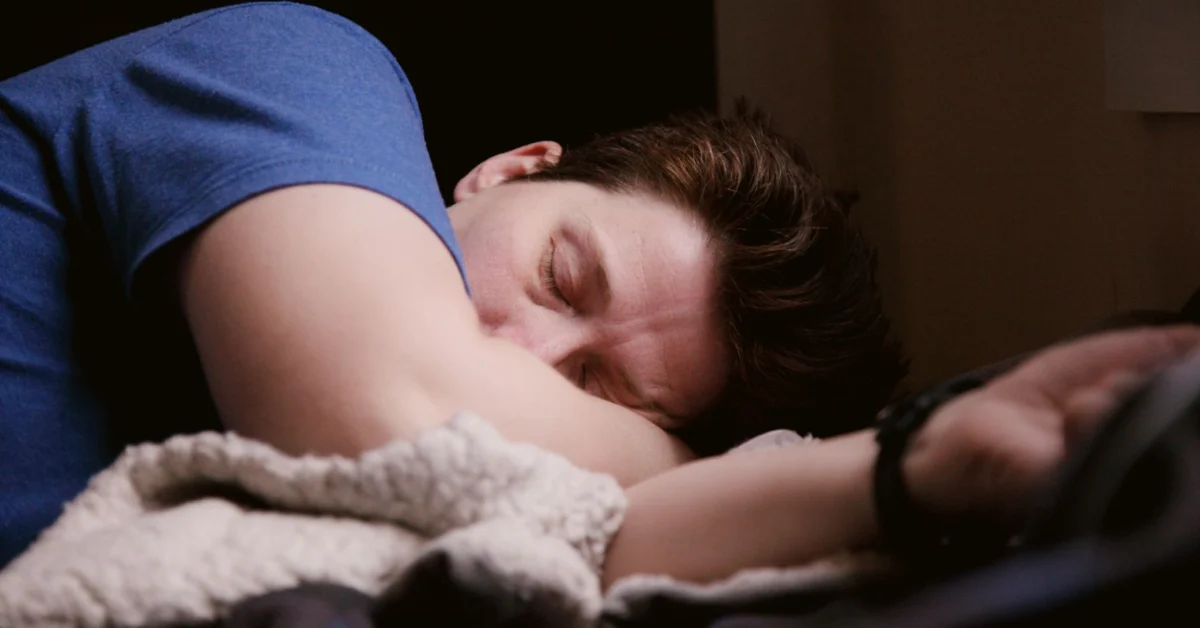
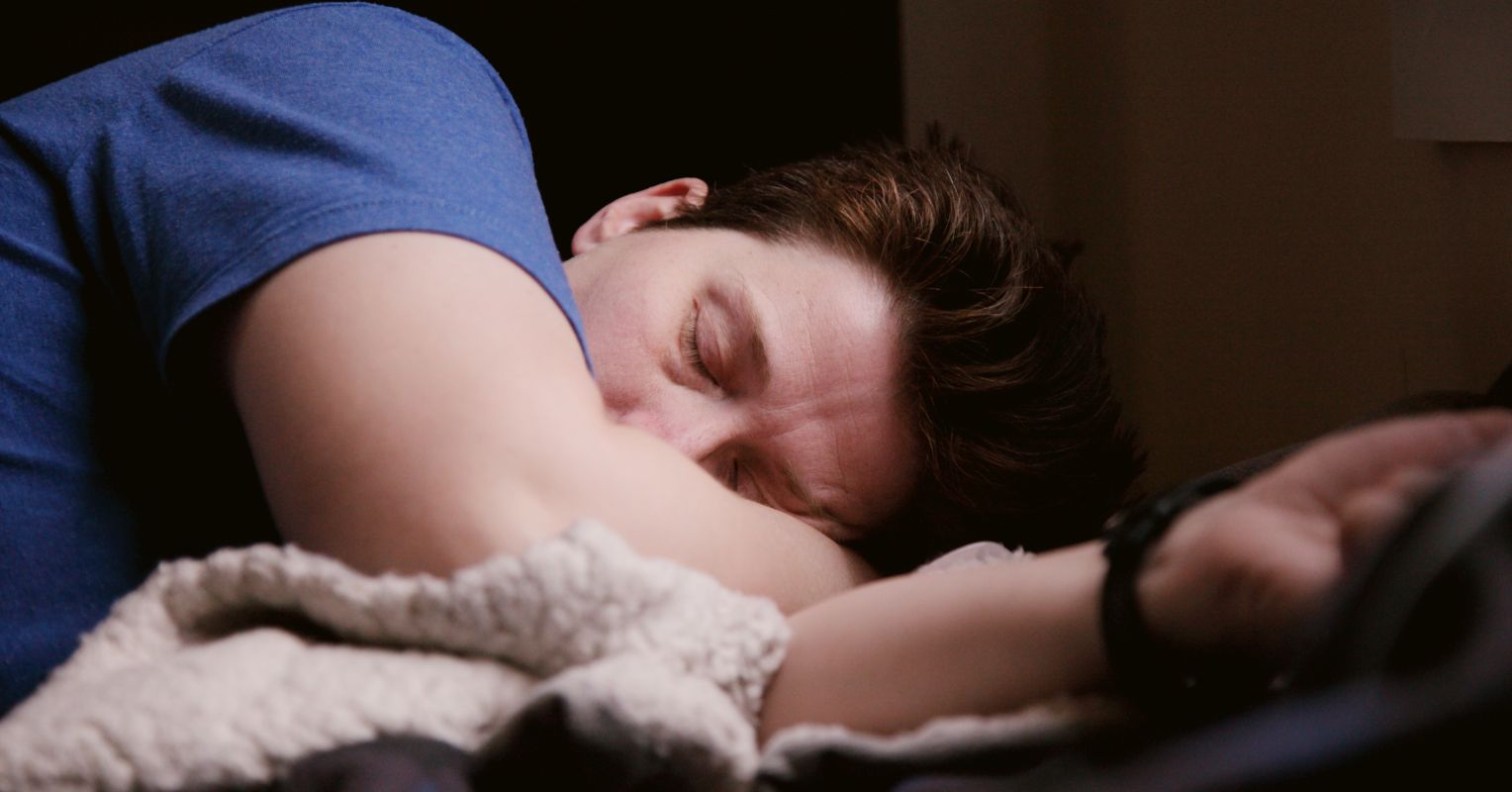
Source: Photo by Shane on Unsplash
Reference:
Windt, J. M. (2020). Consciousness in sleep: How findings from sleep and dream research challenge our understanding of sleep, waking, and consciousness. Philosophy Compass, e12661.