Lingering Shadows: The Washington Commanders, Trademark Law, and the Persistent Controversy of the "Redskins" Legacy
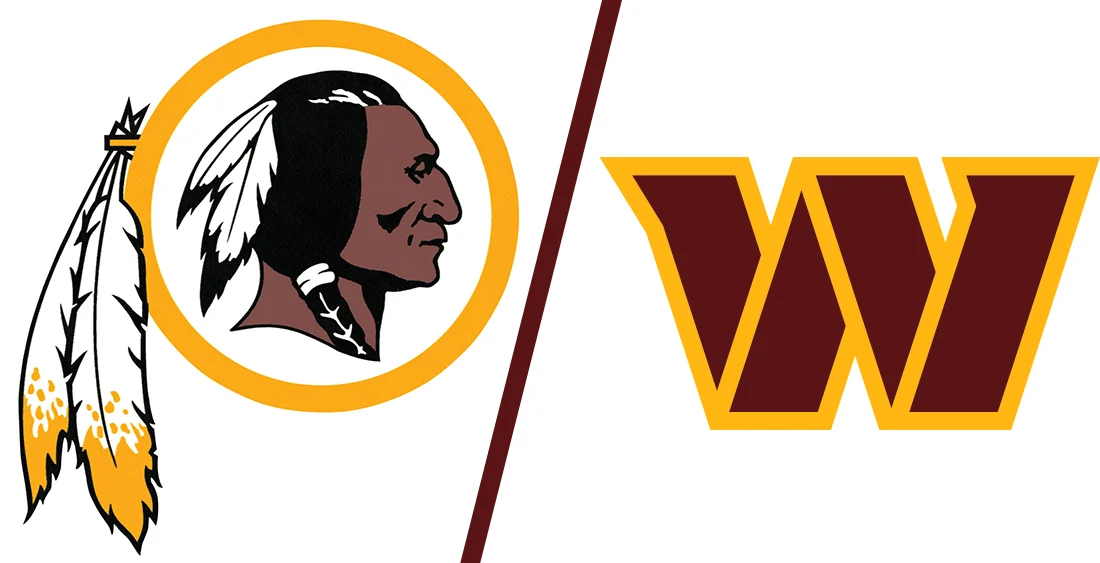
Six years after the Washington Commanders officially retired the deeply offensive "Redskins" name and logo, the echoes of this controversial branding continue to reverberate, sparking legal debate and raising uncomfortable questions about the intersection of sports, identity, and intellectual property. In a move that has baffled many and ignited fresh criticism, the team recently released a collection of merchandise featuring the very emblems they had pledged to abandon. The justification offered by the organization is as perplexing as it is problematic: a purported legal obligation to "maintain the marks in commercial usage" to prevent them from falling into the public domain. This paradoxical stance, where a team feels compelled to continue promoting a racist stereotype to protect its trademark, has led legal experts to call for a fundamental re-evaluation of existing trademark law.
The Uncomfortable Return: A Merchandise Mishap or a Calculated Risk?
The recent re-emergence of "Redskins" merchandise, seemingly timed to coincide with the new NFL season, has been met with a mixture of shock, disappointment, and anger. The limited-edition collection, which reportedly sold out within a mere 48 hours, suggests a persistent, albeit concerning, fan attachment to the former branding. This rapid depletion of stock has been interpreted by some, including the Association on American Indian Affairs, not as a mere commercial success, but as a potential test run for a future, backward step. They voiced apprehension that this release could be a prelude to the team exploring a return to, or at least a further endorsement of, its racially charged past.
The Washington Commanders, however, have vehemently denied any such intentions. In their official statement, the team asserted that the decision to release the merchandise was not driven by nostalgia or a desire to capitalize on the old brand’s appeal. Instead, they pointed to a perceived legal imperative. The argument, as articulated by the team, is that by ceasing all commercial use of the "Redskins" name and logo, they risk abandoning their trademarks. This could, in turn, allow other entities to claim ownership or use of these marks, effectively wresting control from the franchise. The team’s position implies that occasional, albeit controversial, commercial activity is a necessary evil to maintain legal ownership of the intellectual property.
This explanation draws a parallel, albeit a contentious one, to recent events involving social media platforms. The team’s argument echoes concerns raised when entities like Twitter have faced scrutiny over potential trademark abandonment, suggesting a precedent where active commercial use, even of contentious marks, is seen as crucial for legal preservation. However, the manner in which the "Redskins" merchandise was reintroduced has been widely criticized as anything but discreet. The inclusion of prominent imagery, such as an Art Monk T-shirt emblazoned with a large "Redskins" logo, has led many to question the sincerity of the team’s claims. Critics argue that trademark law does not mandate a strategy of maximizing sales or public displays of controversial branding to avoid abandonment.
A Legal Quandary: Protecting Trademarks vs. Erasing Harmful Legacies
The core of the controversy lies in the perceived rigidity of current trademark law, which, in its current form, may inadvertently compel organizations to perpetuate harmful imagery to retain legal ownership. This legal tightrope walk is exemplified by the Commanders’ predicament. While the team formally renounced the "Redskins" name and logo due to their undeniable racist connotations and the harm they inflicted upon Indigenous communities, the legal framework appears to be forcing them to keep these symbols alive in some commercial capacity.
Legal scholars are increasingly vocal about the need for reform. Chris Buccafusco and Jon J. Lee, writing for MS Now, have argued that the Commanders’ situation highlights a critical flaw in trademark legislation. They propose that the law could be amended to prevent claims of abandonment in cases where a former trademark is still strongly associated with the original owner by the public. This would allow organizations to divest themselves of offensive branding without the constant threat of losing control of those marks.
Furthermore, Buccafusco and Lee suggest the establishment of a registry for retired trademarks that possess significant historical relevance. This registry could encompass marks associated with substantial commercial success, pivotal political moments, or major social issues. By formalizing the status of such retired trademarks, the United States Patent and Trademark Office (USPTO) could be empowered to prevent their unauthorized use. This would not only ensure that offensive trademarks are permanently removed from the marketplace but also provide companies with a clearer path to severing ties with their problematic pasts, free from the anxiety that others might exploit these lingering symbols.
Historical Context: The Long Road to Renaming
The "Redskins" name and logo were a part of the Washington football franchise for over 80 years. Throughout this period, the team enjoyed immense success, including multiple Super Bowl championships. However, for decades, Indigenous advocacy groups and a growing segment of the public voiced strong opposition to the branding, arguing that it perpetuated harmful stereotypes and contributed to the dehumanization of Native Americans.
The movement to change the team’s name gained significant momentum in the mid-2010s. Numerous petitions were launched, protests were organized, and prominent figures, including then-President Barack Obama, publicly called for a name change. Despite initial resistance from team owner Daniel Snyder, who famously stated he would "never change the name," the pressure eventually became insurmountable.
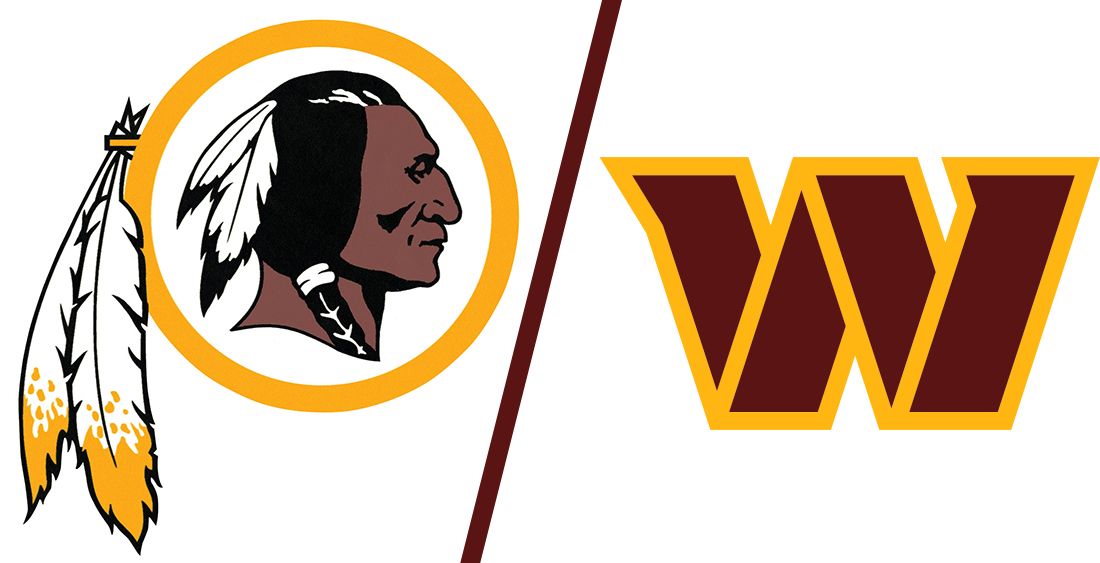
In July 2020, following a period of intense public outcry and a review by the team’s ownership, the franchise officially retired the "Redskins" name and logo. This decision was widely hailed as a victory for social justice and a landmark moment in sports history. The team subsequently adopted the interim name "Washington Football Team" before rebranding as the "Washington Commanders" in February 2022. The new branding aimed to signify a fresh start, embracing a more inclusive and forward-looking identity.
Supporting Data: Fan Attachment and the Business of Nostalgia
The swift sell-out of the "Redskins" merchandise collection is a complex phenomenon that warrants deeper examination. While the team attributes the release to legal obligations, the commercial success of the items cannot be ignored. It raises questions about the extent to which nostalgia and historical connection outweigh the recognition of the harm caused by the former branding for some segments of the fanbase.
The Association on American Indian Affairs’ concern about this release being a "trial to test public reaction" is a valid one. If the team perceives a significant market for "Redskins" merchandise, it could create an incentive to explore ways to reintroduce or maintain some connection to the old branding, regardless of its offensive nature. This highlights a recurring challenge in societal progress: the tension between acknowledging past harms and the enduring appeal of familiar, even if problematic, cultural artifacts.
The comparison to Quaker Oats’ use of the Aunt Jemima logo on Pearl Milling Co. packaging offers a contrasting approach to managing retired, problematic branding. In that instance, the use of the logo was relatively discreet, integrated into the new packaging rather than being the sole focus. This suggests that there are indeed less overt and potentially less inflammatory ways to manage trademark retention than the prominent re-release of "Redskins" branded apparel.
Official Responses and Legal Interpretations
The Washington Commanders’ official stance, as communicated by the team, is that they are legally obligated to maintain commercial usage of the "Redskins" marks to prevent abandonment. This interpretation of trademark law is central to their controversial decision. They emphasize that their position on returning to the old name has not changed, implying that this merchandise release is purely a legal maneuver.
However, legal experts like Buccafusco and Lee challenge this interpretation. They argue that trademark law does not necessitate a strategy of maximizing the visibility or sales of problematic branding to avoid abandonment. Their proposed solutions – legislative reform to account for public association and the creation of a registry for historically significant retired trademarks – aim to provide a more ethically sound framework for managing such situations.
The core of the legal debate lies in the definition of "use in commerce" and what constitutes genuine abandonment. Critics of the Commanders’ actions suggest that the team is exploiting a loophole or a narrow interpretation of the law to their advantage, potentially at the expense of historical accuracy and social progress. The fact that the merchandise was explicitly labeled as featuring the "retired Redskins name and logo" further complicates the narrative, suggesting an awareness of the controversy while proceeding with the release.
Implications: Towards a More Ethical Framework for Trademarks
The Washington Commanders’ "Redskins" merchandise controversy serves as a potent case study for the urgent need to re-examine and potentially reform trademark law. The current system, as it stands, appears to create a perverse incentive structure where organizations may feel compelled to perpetuate harmful legacies to maintain legal control over their intellectual property.
The implications of this situation extend far beyond the realm of professional sports. It raises fundamental questions about how societies grapple with historical injustices embedded in branding and intellectual property. The proposed solutions by legal scholars offer a potential pathway towards a more ethical and forward-thinking approach.
By allowing for the formal retirement of trademarks without the fear of abandonment, particularly when those marks are associated with offensive ideologies or historical harms, organizations can be empowered to truly move on from their problematic pasts. This would not only benefit those who have been historically marginalized but also allow for a more honest and transparent reckoning with cultural legacies.
Ultimately, the goal should be to foster an environment where companies can decisively and unequivocally disassociate themselves from harmful branding without the lingering threat of those same harmful symbols being reappropriated or maintained under the guise of legal necessity. The Washington Commanders’ current predicament underscores the critical need for legislative action to align trademark law with evolving societal values and the imperative to eradicate the commercial perpetuation of racist and offensive imagery. Until such reforms are enacted, the lingering shadows of controversial branding will continue to cast a long and uncomfortable pall over our cultural landscape.