Skyward Restoration: Exploring the Vibrant World and Mechanics of ‘Lou’s Lagoon’
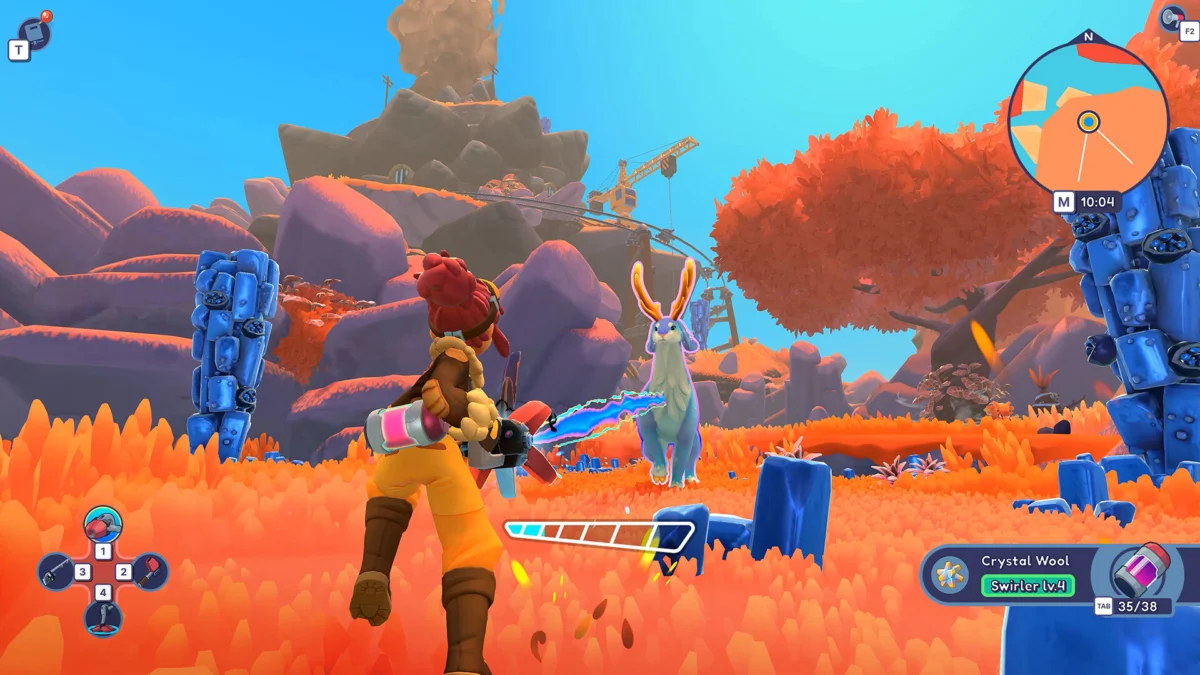
The independent gaming landscape has seen a significant shift toward "wholesome" or "cozy" experiences over the last several years. Moving away from the high-octane violence of traditional triple-A titles, developers are increasingly finding success in themes of restoration, community, and environmental stewardship. The latest entry to capture this spirit is Lou’s Lagoon, an open-world adventure that blends flight simulation, resource management, and narrative mystery into a sun-drenched tropical package. Developed by Tiny Roar and published by Assemble Entertainment, the title has officially transitioned from a highly-regarded demo at Gamescom to a full commercial release on Steam, offering players a digital escape that is as mechanically satisfying as it is visually soothing.
Main Facts: A Tropical Tapestry of Flight and Reconstruction
At its core, Lou’s Lagoon is an exploration-heavy crafting game set within the sprawling, fictional Limbo Archipelago. The player assumes the role of a young pilot who arrives at the islands to take over the family business, only to find the region in a state of disarray. A catastrophic storm has recently swept through the islands, leaving behind a trail of destruction, scattered debris, and displaced residents. Compounding this environmental crisis is a personal one: the protagonist’s Uncle Lou, the legendary local pilot and handyman, has mysteriously vanished.
The gameplay is bifurcated into two distinct but interconnected loops: aerial navigation and terrestrial restoration. Players pilot a customizable seaplane, which serves as the primary mode of transport between the archipelago’s various landmasses. Once on the ground, the perspective shifts to a third-person exploration mode where the player interacts with the environment and the local "Lagoonies."
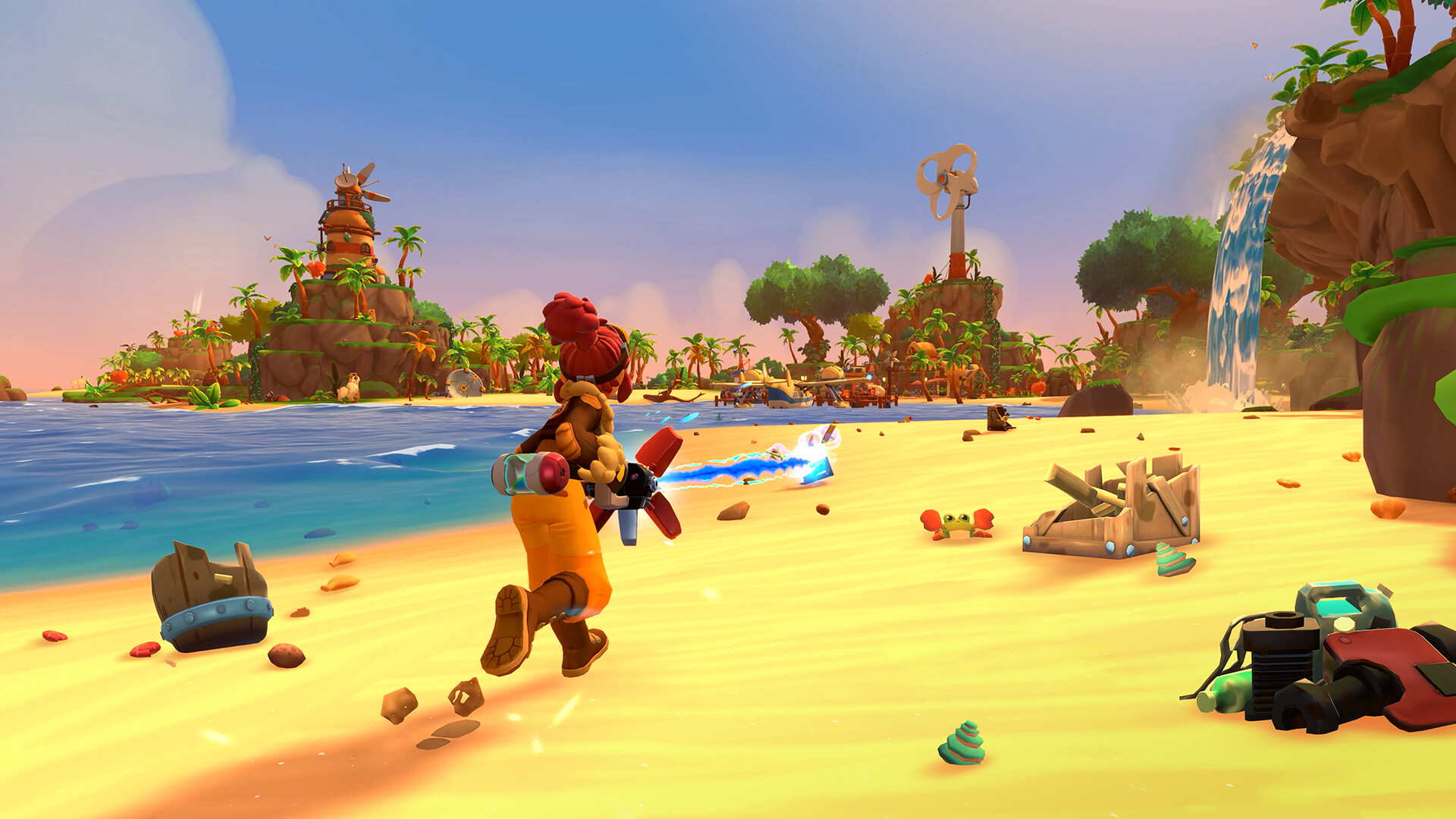
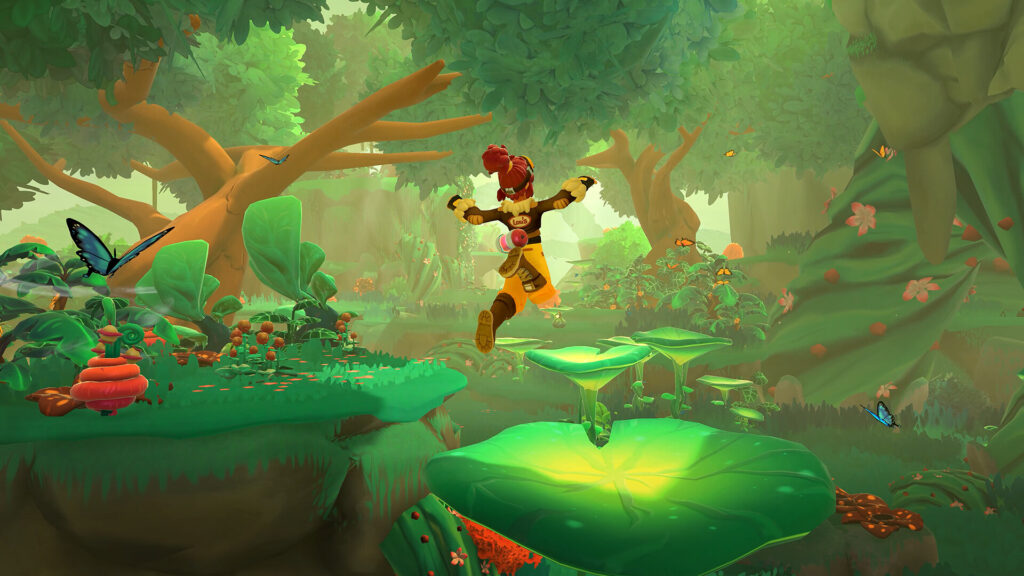
The visual identity of the game is one of its most striking features. Utilizing a vibrant, saturated color palette and a soft, stylized art direction, the game evokes a sense of perpetual summer. However, beneath the bright exterior lies a compelling "to-do" list. The islands are littered with trash and broken infrastructure. Using a specialized vacuum tool—a legacy of Uncle Lou—players must clean up the environment, recycle the gathered waste into building materials, and help the community rebuild their homes and livelihoods.
Chronology: From Concept to Full Release
The journey of Lou’s Lagoon follows a classic trajectory of modern indie development, marked by community engagement and high-profile industry showcases.
- The Conceptual Phase: Tiny Roar envisioned a game that captured the "blue sky" optimism of early 2000s adventure games while incorporating modern crafting mechanics seen in titles like Slime Rancher and Stardew Valley. The goal was to create a "non-violent" world where the primary conflict was environmental and the primary reward was social.
- Public Debut at Gamescom: The game gained significant traction during its presentation at Gamescom, one of the world’s largest gaming trade fairs. A playable demo allowed the public to experience the flight physics and the "Suck-o-matic" trash collection system for the first time. The feedback from this event was instrumental in refining the plane’s handling and the pacing of the narrative quests.
- Steam Next Fest and Beta Testing: Following the success at Gamescom, the developers utilized Steam’s platform to host limited-time demos and beta tests. This period focused on balancing the economy of the game—ensuring that resource collection felt rewarding rather than a chore.
- Official Launch: The game has now reached its full release version on Steam. This version includes the complete narrative arc concerning Uncle Lou’s disappearance, expanded island biomes, and deep customization options for the player’s home base and seaplane.
Supporting Data: Mechanics, Customization, and World-Building
To understand why Lou’s Lagoon stands out in a crowded market, one must look at the data-driven design of its core systems. The developers have balanced three specific pillars: Flight, Frictionless Collection, and Social Progression.
The Seaplane: More Than a Vehicle
The seaplane in Lou’s Lagoon is treated as a secondary protagonist. It is not merely a tool to get from Point A to Point B; it is a mobile home and a customizable platform.
- Upgrades: Players can upgrade the engine for faster travel, the hull for better landings in rough water, and the storage capacity to carry more resources between islands.
- Physics: While not a "hard" simulator, the flight model incorporates wind resistance and weight, making the act of flying over the turquoise waters a tactile and engaging experience.
The Restoration Loop
The primary "work" of the game involves environmental cleanup. The archipelago is plagued by "Storm Trash"—plastic, metal, and wood debris left behind by the recent hurricane.
- The Vacuum Mechanic: This tool allows for the rapid collection of debris. By "sucking up" trash, players aren’t just cleaning; they are harvesting.
- Recycling and Crafting: This waste is taken back to workshops where it is processed into "Clean Components." These components are the currency of reconstruction. Players use them to fix bridges, repair local shops, and eventually build their own elaborate beach hut.
Social and Narrative Systems
The archipelago is inhabited by a diverse cast of characters, each with their own schedules and needs.
- Quest Variety: Beyond simple fetch quests, players are tasked with finding lost children separated by the storm, organizing "mini-races" to boost local morale, and uncovering clues about Uncle Lou’s whereabouts.
- Progression: As players help specific islands, their "Reputation" grows, unlocking new regions of the map and more complex crafting recipes.
Official Responses: The Philosophy of "Cozy" Development
While specific quotes from the launch day are being processed by the community, the development team at Tiny Roar and the publishers at Assemble Entertainment have frequently articulated their vision for the game through developer logs and press releases.
The overarching philosophy of the team was to create a "Stress-Free Adventure." In an official statement regarding the game’s environmental themes, the developers noted: "We wanted to create a world where the player feels like a force for good. In Lou’s Lagoon, you aren’t conquering a land; you are healing it. The mechanics of cleaning up trash and rebuilding homes are designed to be meditative, providing a sense of tangible progress in a beautiful, safe space."
Assemble Entertainment has also highlighted the game’s accessibility. By removing combat and "game over" states, the title is positioned as an all-ages experience that prioritizes discovery over reflexes. This "Official Response" to the current state of the industry suggests a move toward games as a form of "digital therapy" or relaxation.
Implications: The Future of the Archipelago and the Genre
The release of Lou’s Lagoon carries several implications for the indie gaming sector and the "Wholesome Games" movement.
Market Positioning
Lou’s Lagoon successfully bridges the gap between the "Life Sim" (like Animal Crossing) and the "Adventure Sim" (like Pilotwings). By combining these genres, it expands the potential audience for cozy games. It appeals to players who want the relaxation of a farming sim but the exploration and sense of scale found in open-world adventure games.
Environmental Consciousness in Gaming
The game’s focus on recycling and disaster recovery reflects a growing trend of environmentalism in interactive media. By making "cleaning up" the central gameplay mechanic, Lou’s Lagoon subtly educates players on the impact of waste and the importance of community resilience in the face of natural disasters.
Post-Launch Longevity
As a Steam title, the implications for future content are significant. The modular nature of the islands allows the developers to easily add new "Lagoonies," new plane parts, and new biomes. If the game maintains its current trajectory of positive player reviews, it could become a staple of the "Long-Tail" indie market, receiving updates and expansions for years to come.
In conclusion, Lou’s Lagoon is more than a simple crafting game; it is a carefully constructed environment designed to provide solace and satisfaction. By centering the experience on the restoration of a broken world and the mystery of a missing family member, Tiny Roar has delivered a title that is as emotionally resonant as it is mechanically sound. For those looking to take to the skies and leave the stress of the real world behind, the Limbo Archipelago is now officially open for business.