The Grotesque Evolution of the Virtual Pet: Analyzing ‘In Full Bloom’
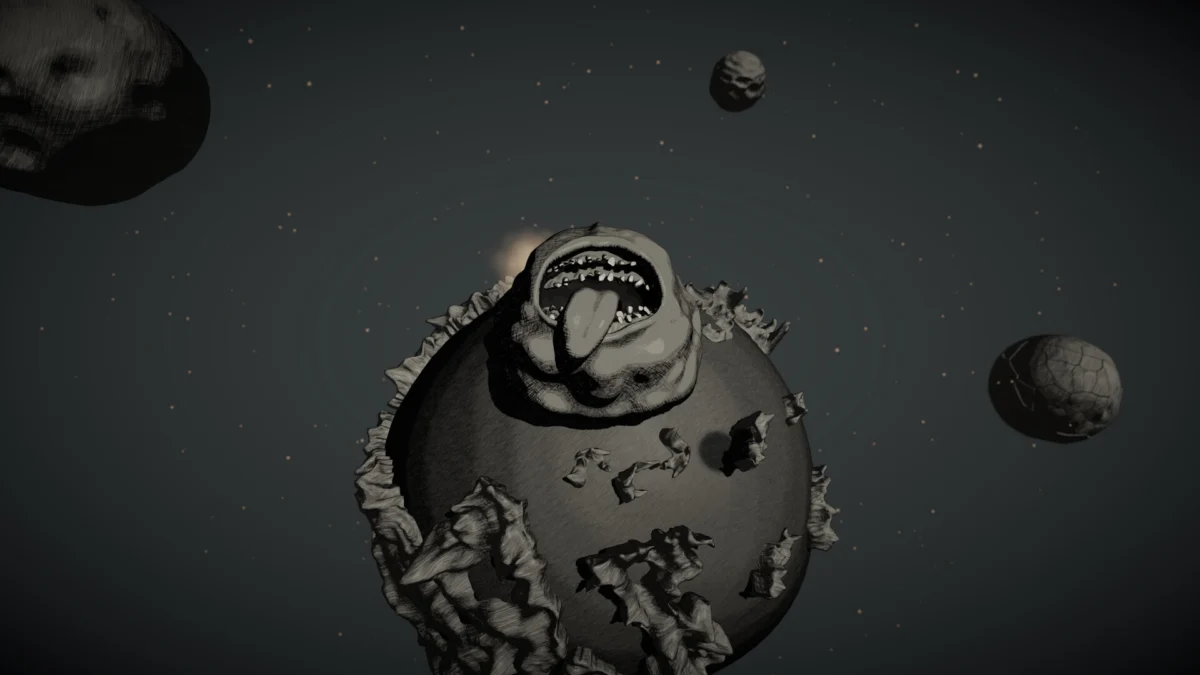
The landscape of independent gaming has long been a breeding ground for titles that subvert established genres, turning familiar mechanics into something altogether more unsettling. At Gamescom 2024 (and highlighted further in the Southeast Asian Games Showcase 2026), a new title emerged that challenges the "cozy" tropes of the virtual pet simulator. In Full Bloom is not a game about nurturing a digital companion in the traditional sense; rather, it is a visceral exploration of gluttony, growth, and the unsettling nature of an insatiable biological hunger.
Described as a "creepy-feeling Tamagotchi-style" experience, In Full Bloom centers on a creature that is as fascinating as it is repulsive. As players engage with its demo, currently available on Steam, they are introduced to a world where the only path to progress is through a relentless cycle of consumption.
Main Facts: A New Breed of Horror Simulation
In Full Bloom is a simulation and management game that strips away the saccharine aesthetics of the 1990s virtual pet craze and replaces them with a body-horror sensibility. Developed with a focus on environmental storytelling and tactile interaction, the game tasks players with a singular, harrowing goal: feed a mysterious, ever-growing entity until it reaches a critical mass capable of departing its current planet.
The core facts of the title include:
- Genre Subversion: It utilizes the "point-and-drag" mechanics of a pet sim but applies them to a creature that resembles a sentient, multi-toothed blob.
- Growth Mechanics: Unlike traditional sims where growth is a reward for careful care, growth in In Full Bloom feels like an inevitable, almost threatening consequence of the player’s actions.
- Platform and Availability: Following its showcase at Gamescom and the Southeast Asian Games Showcase, the game has launched a public demo on Steam, allowing players to experience the early stages of the creature’s lifecycle.
- Visual and Auditory Identity: The game is defined by its "wet" sound design and a visual style that oscillates between minimalist alien landscapes and the detailed, fleshy anatomy of the central creature.
Chronology: From Spore to Planetary Predator
The experience of In Full Bloom is defined by the passage of time and the physical expansion of the creature. The gameplay loop follows a strict chronological progression of biological stages, each more demanding than the last.
The Infancy Stage: The Toothbound Blob
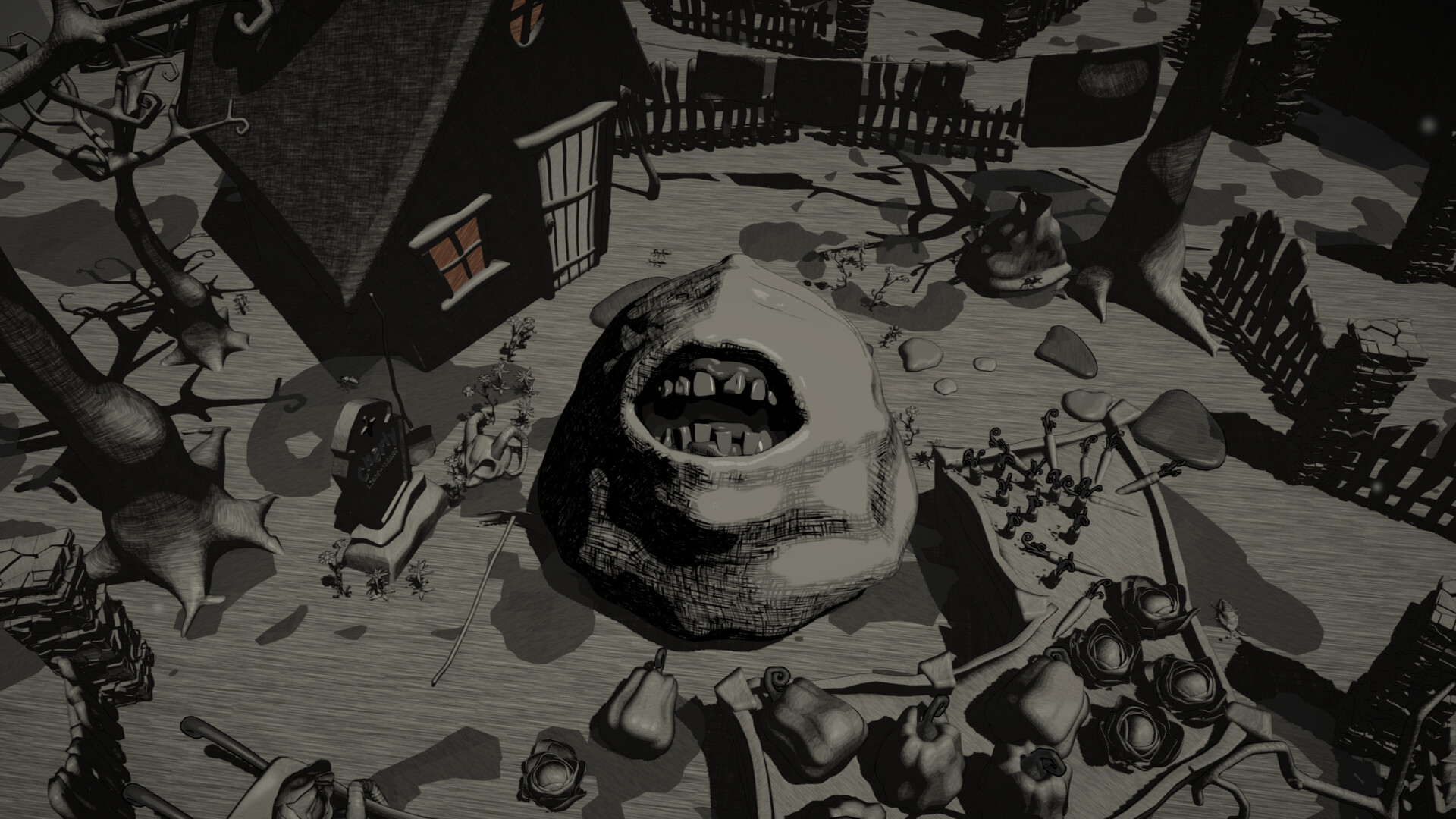
At the start of the game, the creature is deceptively small. It appears as a modest blob, characterized by a few sharp teeth and a prehensile, elongated tongue. In this initial phase, the player’s interaction is limited to the immediate vicinity. Small items, scraps, and minor environmental debris are dragged into the creature’s mouth. The scale is intimate, and the stakes feel low, though the creature’s refusal to be "satisfied" is established early on. No matter how much is consumed, the hunger meter remains a driving, unyielding force.
The Adolescent Stage: Environmental Integration
As the creature consumes enough mass, it undergoes a visual and mechanical shift. The number of teeth increases, the mouth widens, and the tongue becomes more capable of reaching distant objects. It is during this stage that the "creepy" factor identified by early players begins to manifest. The creature is no longer just a guest on the planet; it begins to reshape its environment. Objects that were once part of the background scenery become fodder. The systematic nature of the feeding—grabbing, dragging, and dropping—becomes a rhythmic, almost hypnotic task for the player.
The Maturity Stage: Surpassing the World
The final stages of the demo and the promised full game involve a shift in scale that borders on the cosmic. The creature eventually grows so large that it dwarfs the very landscape it inhabited. The "In Full Bloom" title serves as a dark irony here; the "blooming" refers to the creature’s expansion to a point where it is "too big for the planet." At this stage, the player is no longer feeding the creature small scraps but is instead facilitating the consumption of entire ecosystems and larger inhabitants of the strange world.
Supporting Data: Sensory Design and Psychological Impact
What sets In Full Bloom apart from other indie simulations is its commitment to a "visceral" experience. This is achieved through two primary vectors: sound design and physics-based interaction.
The Auditory Landscape
Journalists and players at Gamescom noted that the game’s audio is its most polarising and effective feature. The soundscape is dominated by "wet" noises—the squelch of the tongue, the rhythmic grinding of teeth, and the heavy, guttural sounds of swallowing. Occasionally, the creature will audibly struggle with its intake, producing sounds akin to regurgitation, which adds a layer of biological realism that is often absent in the genre. This use of ASMR-like (Autonomous Sensory Meridian Response) triggers, but in a repulsive context, creates a unique psychological tension.
The Physics of Consumption
The "drag-and-drop" mechanic is not merely a UI choice; it is a physics-based interaction that emphasizes the weight and resistance of the food. As the creature grows, the items it can consume become heavier, requiring more deliberate effort from the player. This mechanical evolution mirrors the creature’s growing power. Data from the Steam demo suggests that player engagement is driven by the curiosity of "what can it eat next?"—a psychological hook that has served games like Katamari Damacy well, albeit in a much more colorful and lighthearted context.
Official Responses and Developer Context
While the developers have remained somewhat enigmatic regarding the deep lore of the game, their presence at the Southeast Asian Games Showcase 2026 provided some context for the project’s origins. The region has seen a surge in "weird-sim" and "folk-horror" indie titles, and In Full Bloom fits into a broader movement of developers using the medium to explore themes of consumption and environmental decay.
In a brief statement provided during the Gamescom showcase, the development team noted:
"We wanted to create a pet sim that felt honest about the nature of growth. Growth is often viewed as a purely positive, ‘blooming’ process, but in nature, growth requires the consumption of something else. In Full Bloom is about that hunger—the kind that doesn’t stop until there is nothing left to take."
This perspective explains the game’s shift from a "cute" starting point to a "horror-like" conclusion. The developers are intentionally leaning into the discomfort of the player, making them an active participant in the creature’s destructive expansion.
Implications: The Rise of ‘Cozy Horror’ and Uncanny Sims
The emergence of In Full Bloom signals a growing trend in the gaming industry: the "Cozy Horror" or "Uncanny Sim" sub-genre. This movement takes the relaxing, repetitive loops of cozy games (farming, pet care, decorating) and infuses them with elements of dread, body horror, or existential crisis.
Redefining the Virtual Pet
For decades, the virtual pet was defined by the need to keep something alive through kindness. In Full Bloom suggests a darker alternative: keeping something alive through complicity in its gluttony. This shift reflects a more mature, or perhaps more cynical, take on the genre that appeals to an audience raised on Tamagotchis who are now looking for experiences that reflect the complexities and anxieties of the modern world.
The Southeast Asian Indie Surge
The game’s prominence in the Southeast Asian Games Showcase highlights the region’s growing influence on the global indie scene. By blending high-concept art with polished, unsettling mechanics, developers from this region are carving out a niche for "strange" games that stand out in a crowded market. In Full Bloom is a prime example of how regional developers are utilizing global platforms like Steam and Gamescom to bring unconventional narratives to a worldwide audience.
Environmental Allegory
On a deeper level, the game serves as a potent allegory for overconsumption. The creature’s journey—from a small inhabitant of a planet to a monster that outgrows and consumes its host—mirrors contemporary anxieties regarding resource depletion and the environmental impact of unchecked growth. While the game presents itself as a "creepy" distraction, the systematic nature of its gameplay forces players to confront the reality of what it means to be "fed enough."
Conclusion: A Hunger That Must Be Satisfied
In Full Bloom is more than just a "creepy Tamagotchi." It is a meticulously crafted exercise in atmospheric dread and biological simulation. By focusing on the visceral reality of eating and growing, it taps into a primal fascination with the grotesque.
As the game moves toward its full release, the interest generated by its Steam demo and its showcase appearances suggests that there is a significant appetite for games that aren’t afraid to make the player feel slightly nauseated. For those who found the traditional virtual pet too sanitized, In Full Bloom offers a much meatier—and toothier—alternative. Whether the creature eventually finds peace off-planet or simply continues its path of consumption remains to be seen, but one thing is certain: the journey there will be a loud, wet, and unforgettable experience.