From Zero to Infinity: Takashi Yamazaki’s ‘Godzilla Minus Zero’ and the Resurrection of the Kaiju Epic
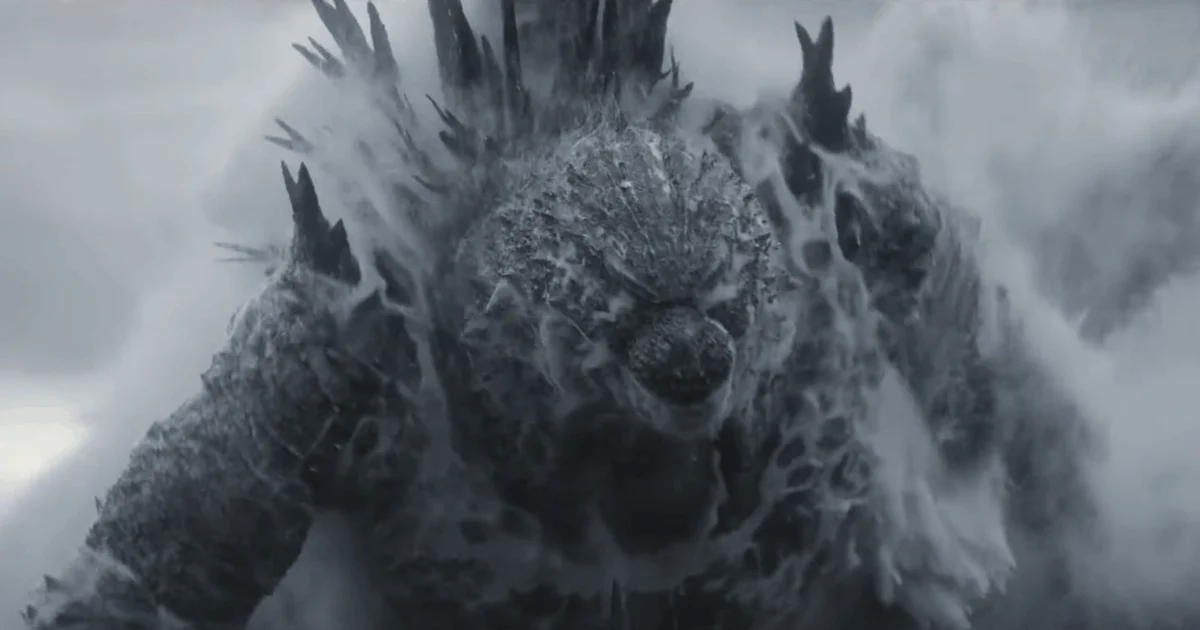
NEW YORK — When Takashi Yamazaki’s Godzilla Minus One stomped into global theaters in 2023, it did more than just revive a flagging franchise; it recalibrated the very definition of what a monster movie could achieve. By blending harrowing post-war melodrama with state-of-the-art visual effects, Yamazaki earned an Academy Award and the adoration of critics worldwide. Now, three years later, the director has returned to the ruins of mid-century Japan with a sequel that seeks to raise the stakes both emotionally and viscerally.
Premiering at the 2026 New York Film Festival ahead of its November 6 theatrical release via GKIDS, Godzilla Minus Zero is a thunderous, frequently spectacular continuation of a story that began at the lowest point of Japanese history. While its title may invite linguistic confusion, the film itself is a focused, "R-rated" exploration of survival, vengeance, and the enduring shadow of the nuclear age.
Main Facts: A New Chapter in the Post-War Mythos
Godzilla Minus Zero serves as a direct sequel to the 2023 hit, picking up the narrative threads of a Japan struggling to redefine itself after the twin traumas of World War II and the initial Godzilla attack. The film sees the return of key cast members, including Ryunosuke Kamiki as the haunted ex-kamikaze pilot Kōichi Shikishima and Minami Hamabe as Noriko, whose miraculous survival at the end of the previous film remains a central mystery of the sequel.
The production marks several "firsts" for the 72-year-old franchise. Most notably, it has secured an "R" rating, a departure from the series’ traditionally PG or PG-13 roots. This rating is earned through what critics are calling an "elegantly choreographed monster mash" that emphasizes the Darwinian brutality of kaiju combat. Furthermore, the film introduces King Ghidorah—the iconic three-headed dragon—into this grounded, historical timeline, positioning him as a "destroyer of worlds" who lacks the accidental nature of Godzilla, appearing instead as a malicious force of pure destruction.
Chronology: From the Ashes of 1947 to the Terror of 1949
The narrative structure of Yamazaki’s burgeoning trilogy relies heavily on the progression of Japanese recovery. To understand the weight of Godzilla Minus Zero, one must look at the timeline established by the director:

- 1945–1946 (The "Zero" Point): Following the surrender of Japan, the nation is at its absolute nadir. Infrastructure is non-existent, and the national psyche is fractured.
- 1947 (The "Minus One" Event): As people begin to "rise up from a postwar Japan that is at zero," Godzilla arrives. His presence pushes the country into the negative—hence the title Minus One. The creature is eventually defeated at the bottom of the sea, though at a great cost.
- 1949 (The "Minus Zero" Struggle): Two years have passed since the defeat of Godzilla. Japan is in the midst of a fragile equilibrium. The title Minus Zero reflects the struggle to maintain and build upon this new baseline while facing a threat that could reset the clock once again.
The sequel begins in Matsumoto in 1949, where King Ghidorah emerges from the Nagano hills. Unlike Godzilla, who was a byproduct of nuclear testing, Ghidorah arrives via a meteorite—a "scaly destroyer of worlds" that begins terrorizing a countryside that had only just begun to feel safe.
Supporting Data: Character Arcs and the Bureaucracy of Disaster
The strength of Yamazaki’s approach lies in his refusal to sideline the human element. Godzilla Minus Zero doubles down on the "mid-century melodrama," focusing on the domestic life of Shikishima. No longer the man seeking a place to die, he is now a man struggling with the responsibility of living.
The Shikishima Family Dynamic
Shikishima has settled into a life with Noriko and their adoptive daughter, Akiko (played by returning child actor Sae Nagatani). However, the peace is superficial. Noriko, now sporting an eyepatch, harbors secrets regarding her survival in Ginza, while Shikishima is paralyzed by the choice between self-preservation for the sake of his family and the self-sacrifice required to protect his nation.
The Large-Scale Disaster Response Bureau
With the Japanese government still largely incapacitated or invisible, the defense of the nation falls to the "Large-Scale Disaster Response Bureau." This civilian-led initiative is headed by:
- Naval Engineer Noda (Hidetaka Yoshioka): The "Einstein-haired" intellectual who returns with the wisdom of the first encounter.
- Makoto Aoyama (Masami Nagasawa): A new addition to the cast, Aoyama is a meteorologist whose ability to track Ghidorah’s atmospheric disturbances becomes the team’s primary early-warning system.
- Kanji Murakami (Min Tanaka): An embittered biologist and survivor of Hiroshima. His character serves as a grim mirror to the "lucky" survivors, viewing the recurring kaiju attacks as a cosmic injustice that demands a vengeful response.
Official Responses and Production Philosophy
While the film is a work of fiction, the "official" stance of the production team, led by Yamazaki, reflects a desire to move away from the "weightless CGI" that has occasionally plagued modern blockbuster cinema. Yamazaki has stated that the visual effects in Minus Zero were designed to provide "IMAX razzledazzle of the highest magnitude," with a specific focus on the physics of scale and the visceral impact of monster-on-human violence.

The inclusion of the United States military in this installment also marks a shift in the series’ political tone. In Minus One, the Americans were conspicuously absent, allowing the film to focus on Japanese self-reliance. In Minus Zero, the U.S. Army is depicted as a "unit of square-jawed, power-hungry jerks." This portrayal highlights the geopolitical friction of the occupation era, where the Americans view the kaiju as a scientific or military opportunity rather than the existential, spiritual threat felt by the local population.
Critics have noted that the film’s "R" rating allows for a more "Wagnerian" tone. The score by Naoki Satō is described as visceral, matching the intensity of the aerial combat sequences over Matsumoto, which are being hailed as some of the most gripping setpieces in the history of the genre.
Implications: The Atomic Shadow and the Future of the Franchise
Godzilla Minus Zero is more than a simple monster brawl; it is a "florid tear-jerker" about a traumatized country. By reframing the characters from victims to survivors, Yamazaki asks a series of difficult questions: How do you balance growth with grief? Is peace possible without vengeance?
The Rebirth of Godzilla
Though the film focuses heavily on Ghidorah for its first two acts, the inevitable return of Godzilla—described as a "recurring weather phenomenon"—shifts the movie into a different gear. His resurrection, fueled by "infinitely regenerative flesh," reinforces the idea that nuclear trauma is never truly gone; it merely recedes before returning with renewed force.
A Trilogy in the Making
The ending of Minus Zero leaves the future uncertain, positioning the film as the middle chapter of a planned trilogy. By the time the credits roll, the "numbers are starting to add up," suggesting that the final installment may finally see Japan move from "Minus" territory into a true, positive recovery—or face total extinction.

Cinematic Heritage
While the film may not yet reach the "towering" heights of Ishirō Honda’s 1954 original or the grim realism of Kurosawa’s Drunken Angel, it stands as a provocative and nuanced entry into the Japanese cinematic canon. It successfully bridges the gap between the "popcorn" thrills of Hollywood’s MonsterVerse and the somber, intellectual roots of the Toho originals.
Grade: B+
“Godzilla Minus Zero” is scheduled for a wide release in U.S. theaters on Friday, November 6, 2026. The film will be available in standard, IMAX, and 4DX formats.
Summary of Key Personnel
| Role | Name |
|---|---|
| Director/Writer/VFX | Takashi Yamazaki |
| Lead Actor (Shikishima) | Ryunosuke Kamiki |
| Lead Actress (Noriko) | Minami Hamabe |
| Supporting Actor (Noda) | Hidetaka Yoshioka |
| Supporting Actor (Murakami) | Min Tanaka |
| Composer | Naoki Satō |
| Distributor | GKIDS |