The Rebranding of Silicon Valley: OpenAI’s Post-Midterm Strategy to Reshape the AI Narrative
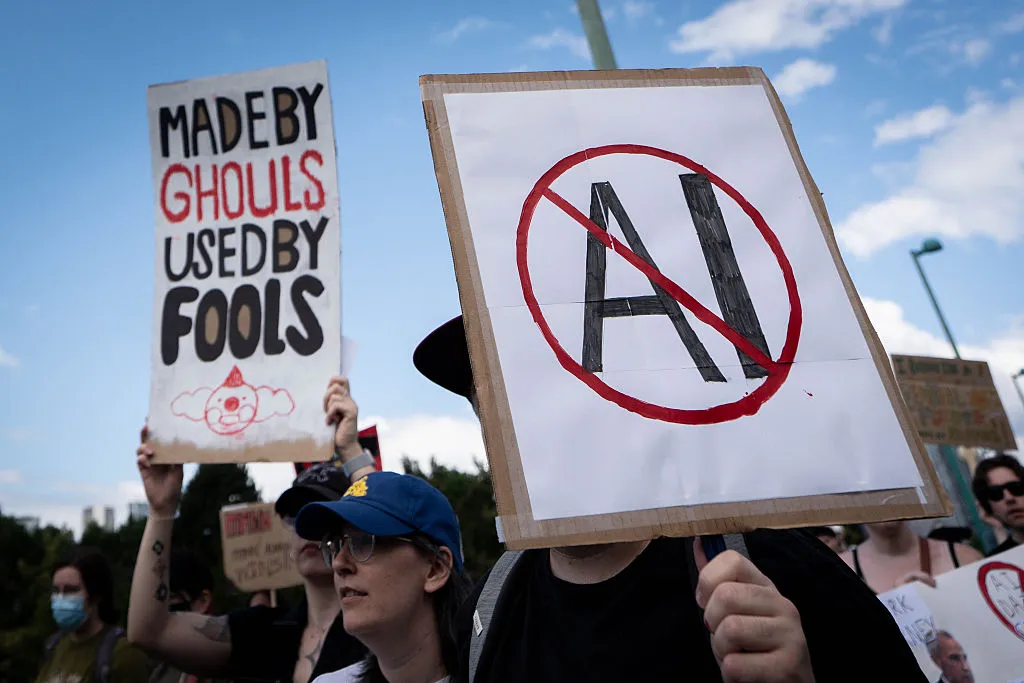
SAN FRANCISCO — As the dust settles on the 2026 midterm elections, the landscape of American technology policy is bracing for a seismic shift. With early returns suggesting a Democratic recapture of the House of Representatives and a tightening grip on the Senate, OpenAI is preparing to launch an aggressive, multi-front "PR blitz" designed to navigate an increasingly skeptical political and public environment.
At the heart of this strategy is a sophisticated effort to rebrand the physical infrastructure of the digital age. According to internal reports and public statements from OpenAI’s Chief Global Affairs Officer, Chris Lehane, the company is moving to retire the term "data center"—now a lightning rod for community protests—in favor of a more palatable alternative: the "AI compute campus."
This shift is more than mere semantics. It represents a pivot by the world’s leading AI firm to entrench itself in the national fabric before artificial intelligence becomes the defining wedge issue of the 2028 presidential election.
Main Facts: The "AI Compute Campus" and the New Policy Roadmap
OpenAI’s upcoming campaign is centered on four strategic pillars designed to mitigate regulatory pressure while accelerating infrastructure expansion.
1. The Rebranding of Infrastructure
The most immediate change is the linguistic overhaul of industrial sites. "Data centers" have become synonymous with massive energy consumption, noise pollution, and secretive land deals. By transitioning to "AI compute campuses," OpenAI aims to evoke the imagery of a university or a research hub—places of learning, collaboration, and community benefit rather than sterile, energy-hungry warehouses.
2. Implementation of "AI Speed Limits"
In a surprising nod to safety advocates and competitors like Anthropic, OpenAI is proposing the development of "AI speed limits." This involves creating regulatory frameworks that dictate the pace at which frontier models can be deployed, ensuring that safety evaluations keep pace with raw computational power.
3. Promoting "Personal Empowerment"
To combat the narrative that AI is a tool for corporate automation and job displacement, the PR blitz will focus on "empowerment." The goal is to showcase AI as a ubiquitous personal assistant that enhances human productivity, effectively rebranding the technology from a "replacement" to a "co-pilot."
4. Establishing Global Standards
OpenAI is calling for the United States to take a more assertive role in setting global AI standards. This "Sovereign Compute" initiative aims to ensure that American values are baked into the foundational protocols of international AI development, countering the rise of competing models from state actors like China.
Chronology: From Innovation Hype to Infrastructure Backlash
The road to this PR pivot has been paved by two years of escalating tension between the tech industry and the public.
- 2024–2025: The Infrastructure Surge. Following the explosion of generative AI, tech giants scrambled to build the hardware necessary to support Large Language Models (LLMs). This led to a massive spike in land acquisitions across North America.
- Early 2026: The Rise of Local Resistance. By the spring of 2026, the "Not In My Backyard" (NIMBY) sentiment reached a fever pitch. Protests erupted in Vancouver, British Columbia, and parts of Manitoba, with citizens decrying the environmental impact of server farms. The image of protesters holding signs against "AI Data Centers" became a common sight in local news.
- Summer 2026: The Transparency Shift. Under immense pressure, Amazon and Microsoft announced they would no longer use Non-Disclosure Agreements (NDAs) in negotiations with local governments. This was a direct response to accusations that tech companies were bullying small towns into lopsided utility deals.
- November 2026: The Midterm Catalyst. As the 2026 midterms approached, AI became a talking point for candidates on both sides of the aisle, focusing on job security and energy grid stability. OpenAI recognized that the political climate of 2027 would be far more regulated than that of 2023.
- Post-Midterm 2026: OpenAI prepares to launch its new narrative, viewing the current political shift as a "movie trailer" for the 2028 presidential cycle.
Supporting Data: The Cost of the AI Race
The necessity of OpenAI’s rebranding effort is underscored by the staggering resource requirements of modern AI.
Energy Consumption and Grid Strain:
Data from the International Energy Agency (IEA) and recent utility reports suggest that AI-related electricity demand is projected to double by 2028. In regions like Northern Virginia—the world’s current data center capital—server farms already consume nearly 20% of the total electricity supply. By calling these sites "campuses," OpenAI hopes to frame this energy usage as an investment in "national intelligence" rather than corporate overhead.
The Economic Paradox:
While data centers provide significant tax revenue for local municipalities, they are notoriously poor at job creation once construction is finished. A typical 500,000-square-foot facility might require only 30 to 50 full-time employees. The "campus" branding is intended to suggest a more vibrant economic ecosystem, potentially including research partnerships and educational facilities that could boost local employment figures beyond basic maintenance.

Public Sentiment Trends:
Recent polling indicates that while 65% of Americans use AI tools weekly, nearly 58% express "high concern" regarding the physical environmental impact of the technology. The disconnect between "using the app" and "living near the hardware" is the gap OpenAI’s PR blitz intends to bridge.
Official Responses: A "Good and Healthy" Debate?
Chris Lehane, OpenAI’s Chief Global Affairs Officer and a veteran of the Clinton administration, has framed the current friction as a necessary part of a technological revolution.
"The conversation around data centers is good and healthy," Lehane told Axios. "Communities should hold companies responsible and accountable so they really and truly get a transformative benefit from these projects."
Lehane’s rhetoric signals a departure from the "move fast and break things" era of Silicon Valley. By inviting accountability, OpenAI is attempting to position itself as the "adult in the room"—a responsible steward of a world-changing technology.
However, critics remain skeptical. Policy analysts suggest that "AI speed limits" might be a form of regulatory capture, where OpenAI helps write the rules that only well-funded incumbents can afford to follow. Meanwhile, local activists in the Pacific Northwest have dismissed the "campus" rebranding as "lipstick on a pig," arguing that a change in name does not change the TWh (terawatt-hours) of electricity required or the millions of gallons of water needed for cooling.
Implications: The 2028 "AI Election"
The most significant takeaway from OpenAI’s new strategy is the admission that AI has moved out of the realm of "tech news" and into the realm of "national identity."
The Weaponization of AI in Politics
Lehane’s prediction that AI will be the issue of the 2028 presidential election suggests that we are entering an era of "Algorithmic Populism." Candidates may run on platforms of "AI for All" or, conversely, "Human-First" protectionism. By establishing "AI compute campuses" now, OpenAI is attempting to create a "fait accompli"—physical infrastructure that is too integrated into the American economy to be dismantled by future administrations.
Geopolitical Sovereignty
The push for "Sovereign Compute" implies a future where AI capability is measured alongside oil reserves or nuclear warheads as a metric of national power. OpenAI’s strategy suggests that the U.S. government should not just regulate AI, but actively partner with the private sector to ensure American dominance. This could lead to massive federal subsidies for these "campuses," similar to the CHIPS Act for semiconductor manufacturing.
The Evolution of Corporate Transparency
If OpenAI follows through on its promise to empower communities, we may see a new model for corporate-civic relations. This could include "Community Benefit Agreements" where AI campuses provide free compute time to local schools or contribute directly to green energy projects to offset their carbon footprints.
Conclusion
OpenAI is no longer just a software company; it is a political actor. The transition from "data centers" to "AI compute campuses" is the first volley in a long-term campaign to win the hearts and minds of a public that is increasingly wary of the "black box" of artificial intelligence. As the 2028 election looms on the horizon, the success of this PR blitz may determine whether OpenAI remains the leader of the AI revolution or becomes a victim of its own success in a highly regulated future.
The "movie trailer" has ended; the main feature—the struggle for the soul and structure of the AI era—is about to begin.