Rebuilding the Frost: A Comprehensive Analysis of ‘Moonfrost’ and the Evolution of the Cozy Farming Genre
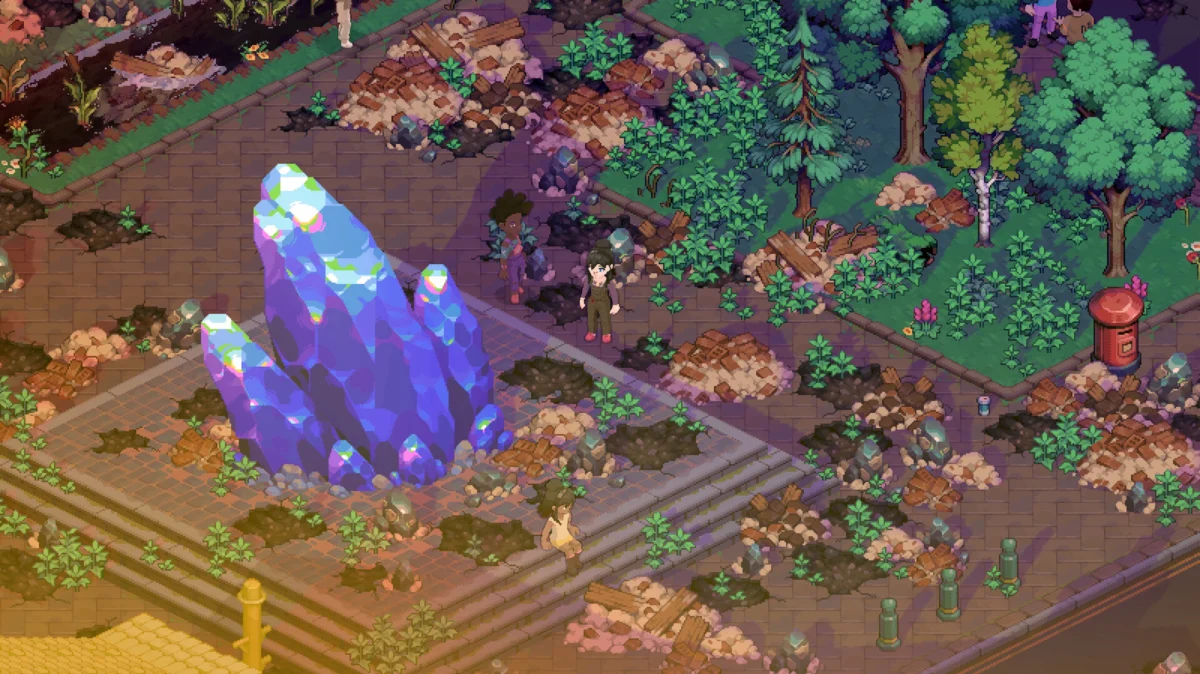
The landscape of independent gaming has undergone a seismic shift over the last decade, transitioning from niche experimentalism to a powerhouse of "cozy" experiences that prioritize relaxation, community, and creative expression. Standing at the forefront of this movement is Moonfrost, a life-simulation and farming RPG developed by Oxalis Games. By blending the established tropes of the genre with innovative building mechanics and a mysterious, frost-touched narrative, Moonfrost seeks to carve out its own identity in a crowded market currently dominated by titans like Stardew Valley and Animal Crossing.
As the title moves through its Early Access phase on Steam, following high-profile showcases at events such as Brilliant Indie Treasures, it presents a fascinating case study in modern game design—balancing the "hand-holding" requirements of a broad audience with the depth demanded by genre veterans.
Main Facts: The Core Architecture of Moonfrost
At its essence, Moonfrost is a "Frost Hunter" simulator. Players are cast into the role of a newcomer arriving in a dilapidated town plagued by a mysterious, magical frost. The narrative hook utilizes the classic trope of amnesia; the protagonist arrives with no memory of their life before the current day, providing a blank slate for the player to project their own identity while simultaneously creating a central mystery regarding the town’s history and the player’s origins.
The game’s primary loop revolves around three pillars:
- Resource Management and Foraging: Navigating the outskirts of the town to gather raw materials, discovering blueprints, and harvesting magical flora.
- The Frost Hunter Economy: Utilizing "Frost Hunter boards" to sell crops and completed contracts, which in turn fuels the town’s revitalization.
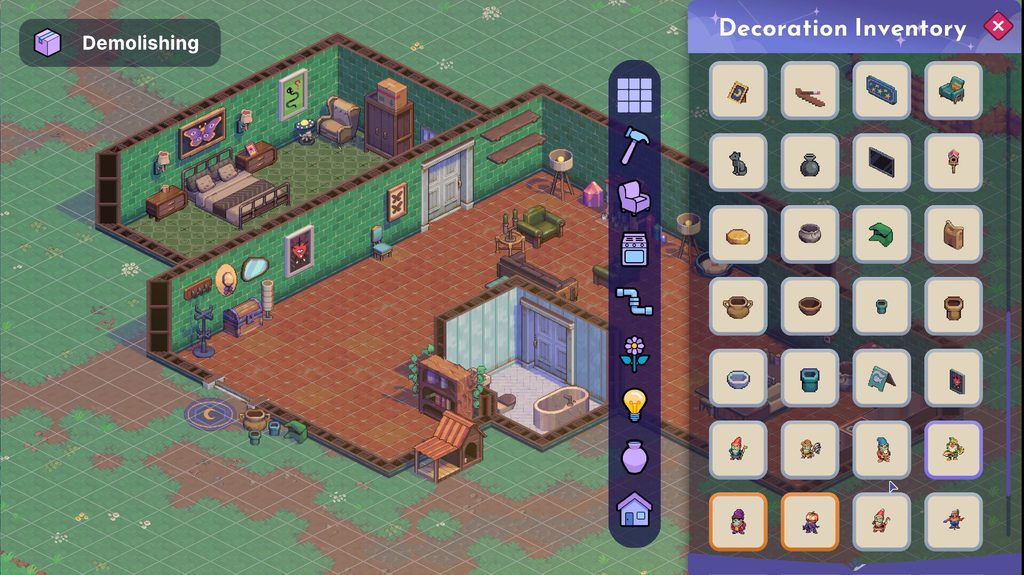
- Architectural Customization: Unlike many of its 2D contemporaries, Moonfrost features a sophisticated building engine that allows players to construct and customize their homes with a level of granularity usually reserved for titles like The Sims.
The game is currently available on the Steam platform, targeting a demographic that values aesthetic beauty (delivered via high-fidelity pixel art) and long-term progression systems.
Chronology: From Concept to the Global Stage
The journey of Moonfrost is emblematic of the modern indie development cycle, where community feedback and public showcases dictate the trajectory of the final product.
The Early Development Phase
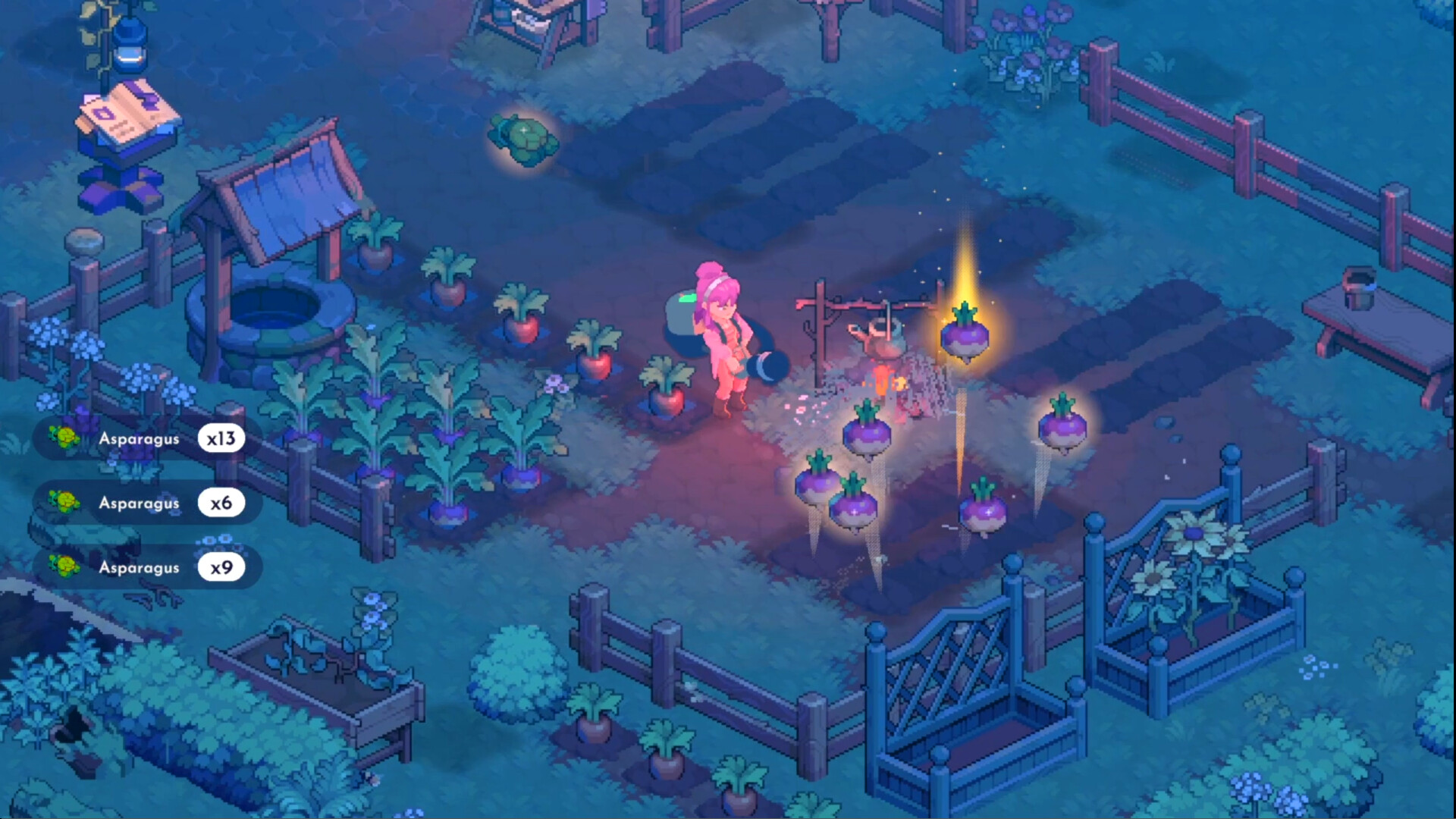
Oxalis Games set out with a vision to "reimagine" the farming sim. While early development was shrouded in mystery, the project gained significant traction by promising a "next-generation" pixel-art experience. The developers focused on creating a world that felt alive, where the environment reacted to the player’s efforts to clear the magical frost.
The Brilliant Indie Treasures Showcase
A pivotal moment in the game’s public lifecycle was its inclusion in the Brilliant Indie Treasures showcase. This event allowed critics and players to experience a vertical slice of the game, highlighting the fluid movement and the intricate "Sims-style" building mechanics. It was during this period that the game’s distinct personality—a mix of cozy aesthetics and a slightly more cynical, character-driven narrative—began to emerge.
Steam Early Access and Current Status
Following the success of indie showcases, Moonfrost transitioned to Steam, offering an Early Access build. This version introduced the "Frost Hunter" boards and the full tutorial sequence. The developers have used this phase to iterate on the game’s balance, specifically addressing the pacing of the introductory hours and the integration of the town-building mechanics with the overarching story of the magical realm.
Supporting Data: Mechanics and Technical Innovations
What distinguishes Moonfrost from the plethora of farming sims on the market is its technical ambition. By analyzing the core mechanics, we can see how the developers are attempting to solve common "friction points" in the genre.
The Sims-Style Building Engine
Most farming RPGs limit home customization to pre-set upgrades or placing furniture within a fixed box. Moonfrost disrupts this by implementing a grid-based wall-definition system. Players can:
- Define the footprint of their home.
- Manipulate individual wall segments.
- Integrate blueprints discovered through exploration into the structural design.
This level of agency fosters a deeper emotional connection between the player and their "home base," making the rebuilding of the town feel like a personal achievement rather than a scripted event.
The Economy of the Frost Hunter Boards
The game replaces the traditional "shipping bin" found in Harvest Moon or Stardew Valley with a more interactive contract system. The Frost Hunter boards provide a sense of purpose to the farming. Instead of simply growing crops for gold, players are often fulfilling specific needs for the town’s restoration. This "contract-based" progression ensures that the gameplay loop remains tied to the narrative goal of fixing the broken community.
The "Amnesia" Narrative Framework
While amnesia is a common trope, Moonfrost uses it as a mechanical justification for the "blueprint discovery" system. As the player "remembers" or discovers how the world works, they unlock more complex crafting recipes. This creates a synergistic relationship between the player’s narrative progression and their mechanical capabilities.
Official Responses: Addressing Tutorial Friction and Character Dynamics
Despite the praise for its visual fidelity and building mechanics, Moonfrost has faced constructive criticism regarding its introductory experience. Journalistic reviews and player feedback have highlighted two primary areas of concern: the tutorial’s pacing and the characterization of key NPCs.
The Tutorial "Hand-Holding"
The early hours of Moonfrost are characterized by a highly prescriptive tutorial. While designed to lower the barrier to entry for casual players, some critics have described it as "suffocatingly slow." The game requires players to perform simple tasks—such as crafting basic tools—under strict guidance that prevents the player from exploring at their own pace.
Official responses from the development community suggest that this is a deliberate choice to ensure players understand the unique "Frost Hunter" mechanics, which differ slightly from standard farming logic. However, there are ongoing discussions within the Early Access community about streamlining this process to allow veteran gamers to jump into the core loop more quickly.
The "Ash" Controversy
A notable point of contention is the character Ash. Tasked with guiding the player, Ash has been criticized for being unnecessarily rude, frequently belittling the player’s efforts. In a genre defined by "coziness" and "positivity," this abrasive personality has been a polarizing design choice.
Proponents of the design argue that it adds a layer of realism and "edge" to the town, moving away from the "everyone-loves-you" trope of typical life sims. Critics, however, argue that it creates a jarring emotional disconnect when the player is working hard to save a town only to be met with constant negativity from its inhabitants.
Implications: The Future of the Cozy RPG Genre
The emergence of Moonfrost signals a broader shift in the indie gaming industry. We are moving past the era of the "Stardew Clone" and into an era of "Cozy-Plus" titles—games that take the comfort of farming and add complex, high-production-value systems.
Raising the Bar for Customization
The success of the Moonfrost building system will likely force other developers to rethink how they handle player housing. As players become accustomed to the freedom of a Sims-style editor, the traditional "fixed-room" upgrades may begin to feel dated and restrictive.
Narrative Maturity in Life Sims
By introducing characters like Ash and a world touched by a potentially dark magical frost, Moonfrost is testing the limits of how much "friction" a cozy game can have. If the game succeeds, it could pave the way for more narratively complex life sims that explore themes beyond simple pastoral bliss, including loss, community resentment, and the struggle of rebuilding in a post-collapse environment.
The Role of Showcases in Indie Success
The visibility afforded to Moonfrost by platforms like Brilliant Indie Treasures underscores the importance of curated showcases in an oversaturated market. For an indie title to succeed today, it needs more than just solid mechanics; it needs a platform that can highlight its unique aesthetic and technical innovations to a global audience.
In conclusion, Moonfrost is more than just a farming game; it is a bold attempt to modernize a beloved genre. While it grapples with the growing pains of tutorial balancing and character likability, its core innovations in building and its mysterious world-building make it a significant title to watch. As it continues to evolve in Early Access, Moonfrost may very well define the next standard for what a "cozy" game can—and should—be.