Apple’s New MacBook Pro Redefines Creative Workflows with Touchscreen and Spatial Computing Integration
Introduction: A New Era for Digital Artistry
Apple has once again pushed the boundaries of what’s possible in personal computing with the unveiling of its latest MacBook Pro, featuring a groundbreaking PROLED XDR display and, for the first time, integrated touch input. This strategic evolution, particularly the introduction of tactile interaction on a platform long revered for its precision and power, is poised to revolutionize how creative professionals engage with their digital tools. The immediate response from industry leaders like Maxon, renowned for its industry-standard 3D software, signals a significant shift, with announcements of enhanced support for Cinema 4D and ZBrush that directly leverage these new hardware capabilities. This development is not merely an incremental upgrade; it represents a fundamental rethinking of user interaction, bridging the gap between the tactile nature of physical art creation and the sophisticated digital environments that define modern creative industries.
The Allure of the PROLED XDR Display and Touch Integration
At the heart of this transformative update lies the MacBook Pro’s PROLED XDR display. Design Editor for Creative Bloq has lauded it as "the best display our design editor has seen on a laptop," a testament to its exceptional visual fidelity. This state-of-the-art panel boasts unparalleled brightness, contrast ratios, and color accuracy, essential attributes for designers, photographers, and visual effects artists who rely on true-to-life representations of their work. The vibrant and precise visuals provided by the PROLED XDR are crucial for tasks ranging from intricate photo retouching to the meticulous rendering of complex 3D scenes, ensuring that what is seen on screen is an accurate reflection of the final output.
However, the real game-changer is the introduction of touch input. While Windows laptops have offered touchscreen functionality for years, Apple’s integration is anticipated to be more refined and deeply embedded within its ecosystem. This tactile layer promises to inject a new dimension of intuitiveness into professional creative workflows. For artists accustomed to the direct manipulation of physical mediums, the ability to directly interact with their digital creations on a high-resolution display opens up a wealth of possibilities. It allows for a more immediate and visceral connection with the work, potentially accelerating the creative process and fostering a more fluid and responsive design experience.
Maxon Embraces the Future: Cinema 4D and ZBrush Lead the Charge
Maxon, a titan in the 3D content creation software space, has wasted no time in aligning its flagship products with Apple’s innovative hardware. The company has announced that both Cinema 4D and ZBrush, staples in the industry and frequent recommendations in guides for the best 3D modeling and animation software, will receive touch support for the new MacBook Pro. This integration is slated for release in late November, a move that will allow artists to experience a new level of direct interaction with their digital sculptures and models.
This move mirrors the success Maxon has already seen with ZBrush for iPad, which brought a more mobile and tactile sculpting experience to artists. The extension of this touch functionality to the MacBook Pro’s desktop environment is a logical and exciting progression. It means that the intuitive, finger-driven sculpting and manipulation that artists have come to appreciate on tablets can now be seamlessly integrated into their primary workstation workflows. This is particularly significant for ZBrush, a tool renowned for its organic sculpting capabilities, where direct touch interaction can feel more natural and efficient than traditional mouse-based controls for certain tasks.
A New Dimension for Creative Workflows: The M5 Pro and M5 Max Advantage
Maxon’s enthusiasm for the new MacBook Pro is rooted in the belief that it will usher in "an entirely new dimension to professional creative workflows." This optimism is fueled not only by the PROLED XDR display and touch capabilities but also by the raw processing power delivered by Apple’s next-generation M5 Pro and M5 Max chips. These silicon powerhouses are designed to handle the most demanding creative applications with remarkable efficiency, ensuring that touch interactions remain fluid and responsive, even when working with incredibly complex 3D models or high-resolution textures.
The synergy between the hardware and software is key. The touch display, combined with the processing prowess of the M5 chips, is intended to offer a desktop experience that rivals the responsiveness and intuitiveness of hands-on physical creation. Whether users are meticulously building and animating intricate 3D worlds in Cinema 4D or developing highly detailed digital sculptures in ZBrush, the touch support is designed to complement, not replace, traditional input methods like the mouse, keyboard, and trackpad. This hybrid approach offers artists the flexibility to choose the most effective tool for each stage of their creative process, enhancing both efficiency and artistic expression.
Beyond the Desktop: Spatial Computing and Immersive Previews
The innovation doesn’t stop at the MacBook Pro’s touch display. Maxon has also revealed exciting plans for Cinema 4D integration with Apple Vision Pro, heralding a new era of spatial computing for 3D artists. This forthcoming feature will allow artists to preview their 3D creations within an immersive, real-world scale environment. Utilizing the new Spatial Preview API, users can leverage Mac Virtual Display on Apple Vision Pro to explore, review, and interact with Cinema 4D designs as if they were physically present. This capability is a monumental leap forward for evaluating proportions, composition, and overall spatial relationships before production begins.
This immersive previewing system holds immense potential for a variety of creative fields. Architectural visualization artists can walk through virtual buildings, retail designers can assess the layout of digital store environments, and exhibition designers can explore the spatial dynamics of installations at true scale. This eliminates the guesswork often associated with translating 2D renders into tangible realities, allowing for more informed decisions early in the design process.
Furthermore, this technology promises to streamline client collaboration and team communication. Imagine stakeholders being able to "inhabit" the same virtual space simultaneously, experiencing the design from various perspectives – from an interior view to a bird’s-eye panorama. This shared immersive experience can lead to more insightful feedback, quicker iterations, and a deeper understanding of the project’s spatial qualities, especially for clients who may not be deeply familiar with navigating 3D software. It bridges the communication gap, ensuring everyone involved has a clear and intuitive grasp of the proposed design.
Chronology of Innovation: Key Dates and Releases
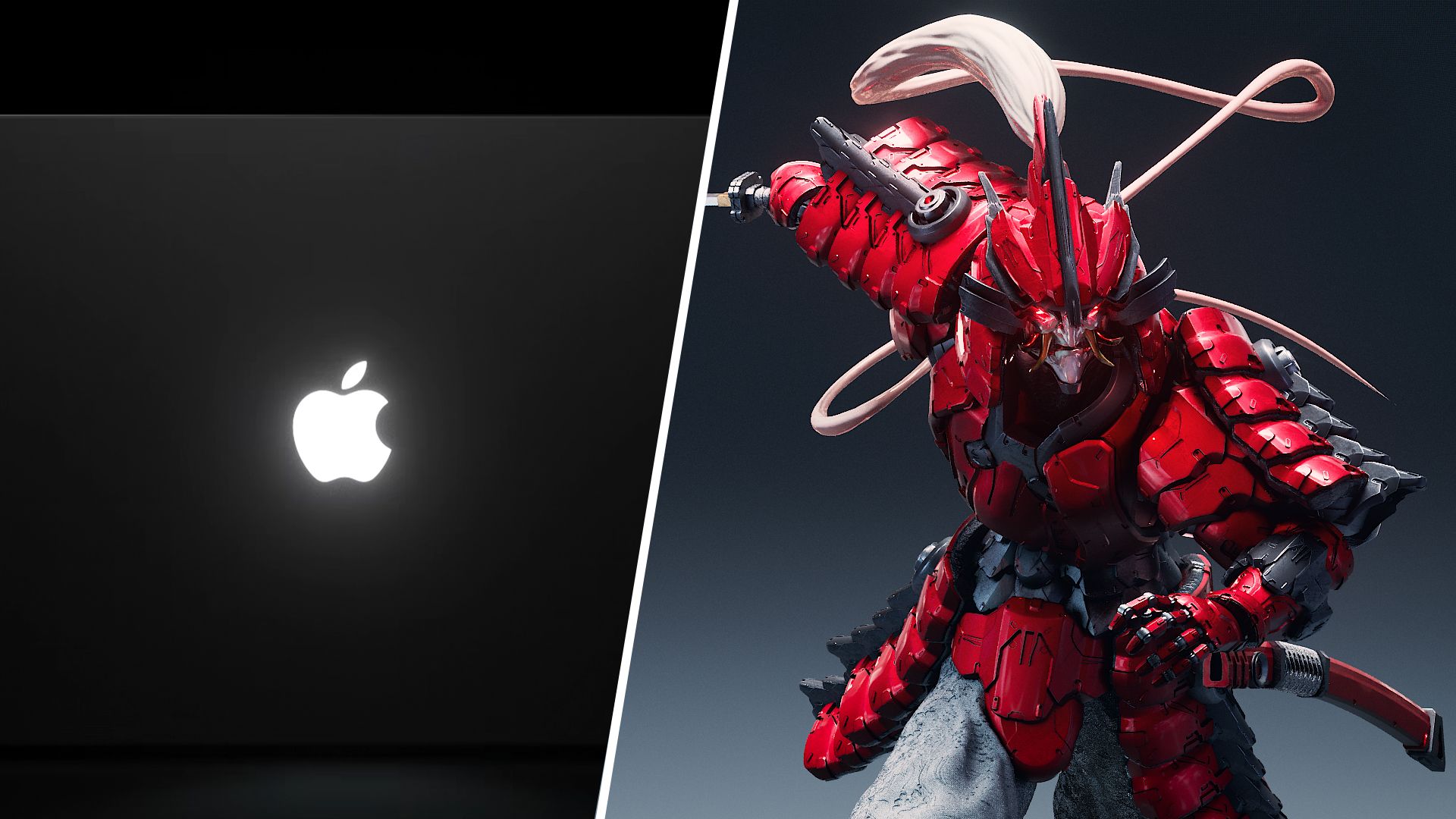
The rollout of these new capabilities is strategically timed to coincide with the release of Apple’s latest hardware and software updates. The new MacBook Pro with its PROLED XDR Display begins shipping on November 6, 2026.
Key software updates and integrations are scheduled as follows:
-
Late November 2026:
- Touch support for Cinema 4D and ZBrush on the new MacBook Pro.
- "Open in Spatial Preview" functionality for Apple Vision Pro (running visionOS 27) and Macs (running macOS 27).
-
Before the end of 2026:
- A new Cinema 4D iPad app is slated for release, further expanding the reach and accessibility of Maxon’s powerful 3D tools.
This phased release schedule indicates a well-thought-out strategy to gradually introduce users to these advanced features, allowing for a smooth transition and comprehensive adoption.
Supporting Data: The Power of Touch and Spatial Computing
The integration of touch and spatial computing into professional creative workflows is not merely a speculative enhancement; it is supported by a growing body of evidence and industry trends. The success of touch-based interfaces on mobile devices and tablets has demonstrated a clear user preference for direct manipulation and intuitive interaction. ZBrush for iPad, as previously mentioned, serves as a prime example of how touch can significantly enhance the sculpting process, allowing for a more natural and expressive approach to digital artistry.
The burgeoning field of spatial computing, exemplified by Apple Vision Pro, offers a paradigm shift in how we interact with digital information. By blending the digital and physical worlds, it opens up new avenues for visualization, collaboration, and problem-solving. The ability to experience 3D models at real-world scale in an immersive environment addresses a fundamental limitation of traditional 2D screen-based workflows, where spatial understanding can be abstract and prone to misinterpretation.
The commitment from software developers like Maxon to invest in these new platforms underscores their perceived value. By developing features that leverage touch and spatial computing, they are anticipating and catering to the evolving needs of their user base, ensuring their software remains at the forefront of creative technology.
Official Responses: A Vision for the Future of Creativity
Maxon’s official statements highlight a clear vision for how these new technologies will transform creative practices. Their emphasis on "an entirely new dimension to professional creative workflows" and the ability for artists to "explore interact directly with their 3D creations" speaks to a deep understanding of the user experience.
The anticipation surrounding the Apple Vision Pro integration is particularly strong. Maxon’s focus on enabling artists to "inhabit the same space at the same time, immersed in the scene" points towards a future of highly collaborative and immersive creative environments. This is not just about improving individual productivity; it’s about fostering better teamwork and communication within creative teams and with clients.
The company’s proactive approach in developing these integrations demonstrates their commitment to pushing the boundaries of digital art creation. By embracing Apple’s latest hardware innovations, Maxon is positioning itself and its users for the next wave of creative evolution.
Implications: Redefining the Creative Landscape
The ramifications of Apple’s new MacBook Pro and Maxon’s integrated software are far-reaching and will likely reshape the creative landscape in several key ways:
- Enhanced Artistic Expression: The introduction of touch input, combined with the precision of Apple’s hardware, will empower artists with new ways to sculpt, paint, and manipulate digital assets, potentially leading to more organic and expressive creations.
- Accelerated Workflows: Direct interaction and immersive previews can significantly reduce the time spent on iteration and feedback, allowing artists to bring their visions to life more efficiently.
- Democratization of Advanced Tools: While still professional-grade, the intuitive nature of touch and spatial computing could make complex 3D software more accessible to a wider range of users, fostering new talent and innovation.
- Improved Collaboration and Communication: Spatial computing features will revolutionize how creative teams and clients interact with projects, leading to clearer communication, fewer misunderstandings, and more cohesive final products.
- New Design Possibilities: The ability to visualize and interact with designs at real-world scale opens up entirely new avenues for exploration in fields like architecture, product design, and experiential art.
In conclusion, Apple’s latest MacBook Pro, with its exceptional PROLED XDR display and integrated touch capabilities, represents a significant leap forward for creative professionals. Coupled with Maxon’s forward-thinking software integrations, including the groundbreaking support for Apple Vision Pro, this evolution promises to redefine how digital art is created, reviewed, and experienced, ushering in an era of unprecedented artistic freedom and collaborative potential.