Tesla’s Cybertruck Era Draws to a Close: A Bold Experiment’s Swan Song Amidst Design Fumbles and Strategic Pivots
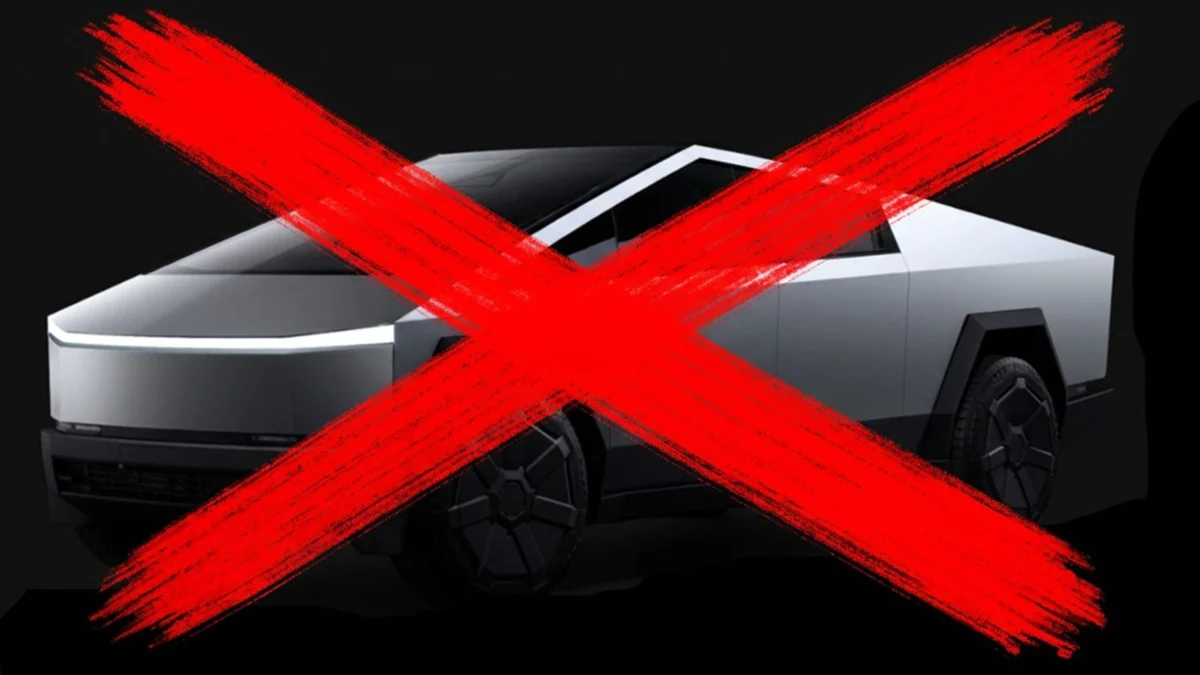
The polarizing electric pickup truck, a symbol of automotive futurism and a magnet for criticism, is reportedly winding down production at Tesla’s Texas Gigafactory. As the company pivots towards its next ambitious venture, the Cybercab robotaxi, we take a comprehensive look back at the Cybertruck’s tumultuous journey, its groundbreaking yet flawed design, and the lessons learned from one of the most unconventional automotive projects in recent memory.
Main Facts:
Elon Musk, CEO of Tesla, has confirmed that production of the Cybertruck at the Gigafactory in Texas is slated to scale back significantly around mid-2027. This strategic shift is designed to clear the path for increased manufacturing of the Cybercab, Tesla’s autonomous robotaxi. While Musk has not explicitly declared the Cybertruck discontinued, the tapering of production at its sole manufacturing facility strongly suggests an impending end to its run. The Cybertruck, unveiled in 2019, was envisioned as a radical departure from traditional pickup truck design, characterized by its angular stainless-steel exoskeleton, sharp lines, and unconventional features. Its launch was met with a mixture of awe and derision, igniting a protracted debate about its design merits and practical viability.
Chronology of a Polarizing Vision:
The Cybertruck’s genesis can be traced back to its dramatic unveiling in November 2019. Elon Musk presented the vehicle as a revolutionary step forward in automotive engineering, boasting an "exoskeleton" made of ultra-hard 30X cold-rolled stainless steel and armor glass designed to withstand impacts. The initial presentation, however, was marred by a now-infamous incident where demonstrations of the supposedly unbreakable glass resulted in its shattering. This event set a somewhat precarious tone for the truck’s subsequent journey.
Following the unveiling, the Cybertruck entered a protracted development and pre-production phase, punctuated by numerous delays and evolving specifications. The projected production timeline shifted multiple times, and the initially advertised price points saw significant adjustments. These early setbacks, coupled with the radical design, fueled skepticism among automotive critics and the public alike.
The first production Cybertrucks finally rolled off the assembly line at the Texas Gigafactory in late 2023, marking the culmination of years of anticipation. However, the initial production volumes were modest, and reports soon emerged highlighting various design and engineering challenges.
Supporting Data and Design Fails:
The Cybertruck’s unconventional design, while a deliberate attempt to stand out, became a constant source of both fascination and criticism. Its sharp, geometric aesthetic, reminiscent of dystopian science fiction vehicles, eschewed the traditional curves and aerodynamic considerations common in automotive design. This angularity, coupled with the use of stainless steel, presented significant manufacturing hurdles.
- The Unbreakable Window Debacle: The iconic launch event mishap where the "armor glass" shattered upon impact with a metal ball became a lasting symbol of the truck’s initial presentation challenges. This incident immediately raised questions about the material’s purported strength and the reliability of Tesla’s demonstrations.
- Structural and Practical Concerns: Leaked design and engineering documents in mid-2023 pointed to a litany of potential issues, including concerns about braking performance, handling stability, cabin noise, and even water leaks. The sheer weight and angularity of the stainless-steel body also contributed to manufacturing complexities and finishing challenges.
- Branding and Aesthetics: The aggressive, almost militant styling, combined with the distinctive typography and branding, pushed the Cybertruck firmly into the realm of concept vehicles rather than practical daily drivers for many. This visual identity, while striking, alienated a significant portion of the potential market.
- Market Performance: Projections for annual sales were ambitious, with Musk once envisioning hundreds of thousands of units sold each year. However, real-world sales figures have fallen considerably short. According to data reported by Reuters, citing Kelley Blue Book, Tesla sold just 20,237 Cybertrucks in the U.S. during 2025, a notable 48% decrease from the previous year. This stark underperformance underscores the market’s lukewarm reception.
- Regulatory Hurdles: The Cybertruck’s design also proved problematic in international markets. Its distinctive, sharp edges and overall form factor failed to meet pedestrian safety regulations in regions like Europe, further limiting its global market potential.
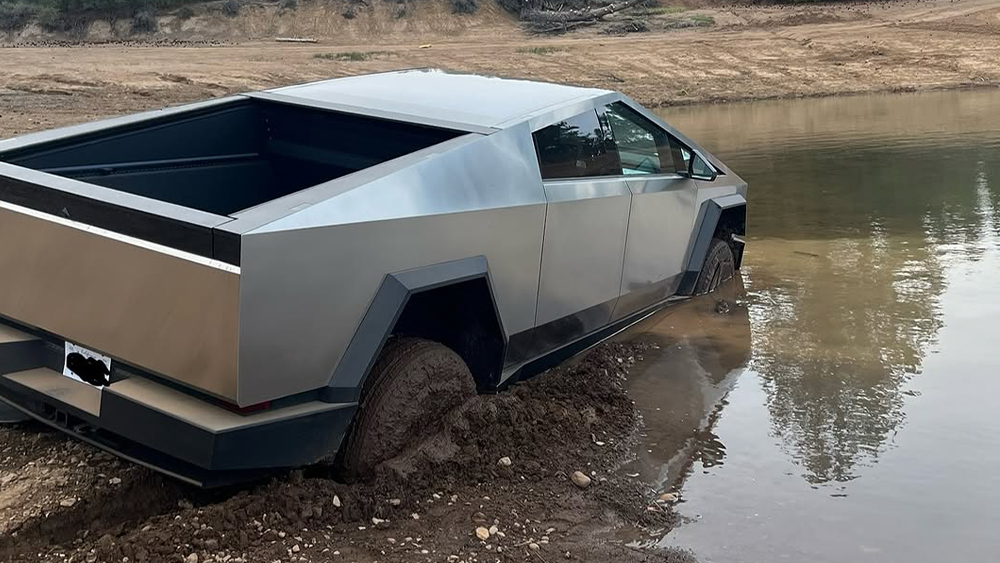
- Component Failures: Reports of various parts detaching from the vehicle, including exterior panels, have surfaced, ironically undermining the truck’s intended image of ruggedness and durability. A particularly striking incident involved an off-road capable Cybertruck becoming stuck in mud, questioning its real-world utility.
- The Accelerator Pedal Recall: The Cybertruck has also faced product recalls, including a significant recall related to the accelerator pedal, further contributing to its image as a vehicle still grappling with fundamental design and safety issues.
Official Responses and Strategic Pivots:
While Tesla has not issued a formal statement on discontinuing the Cybertruck, Elon Musk’s announcement regarding the scaling back of production at the Texas Gigafactory speaks volumes. The decision to prioritize the Cybercab robotaxi signifies a clear strategic pivot for the company.
Musk’s statement, shared on X (formerly Twitter), indicated that production would "wind down" at the Texas Gigafactory around mid-2027 to accommodate increased Cybercab manufacturing. This move suggests that the company is reallocating resources and manufacturing capacity towards its next major technological pursuit.
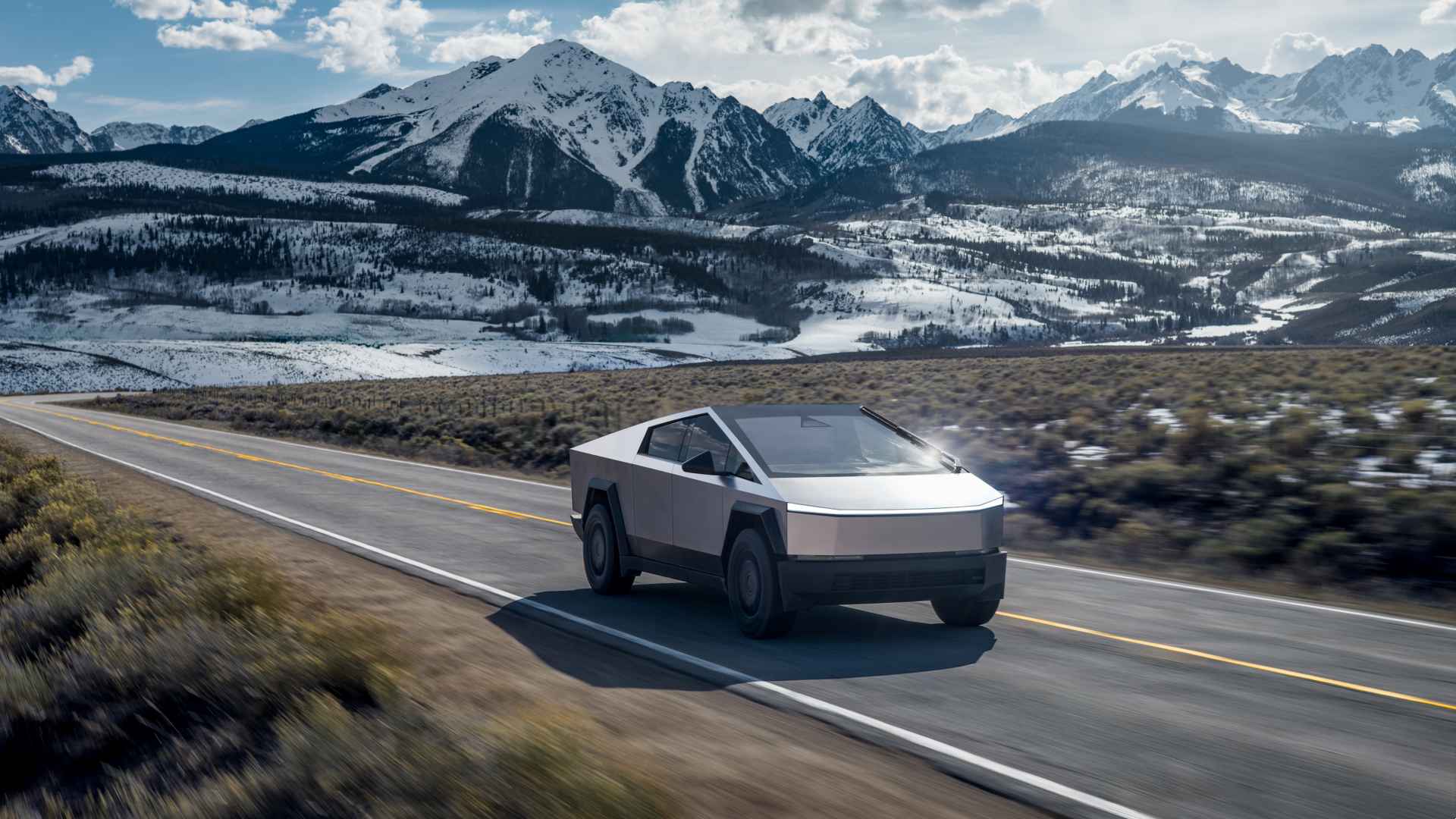
The Cybertruck’s unique manufacturing process, requiring specialized tooling and techniques for its stainless-steel construction, is largely confined to the Texas facility. This dependency makes a relocation of production to other Tesla plants unlikely, further cementing the idea that the Cybertruck’s run is nearing its conclusion.
Implications and the Future of Tesla’s Design Philosophy:
The winding down of Cybertruck production marks the end of a bold, albeit controversial, chapter in Tesla’s history. It represents a rare instance where a high-profile product, championed by a visionary leader, faced significant headwinds due to its radical departure from established design principles and practical considerations.
The Cybertruck’s legacy is likely to be that of an audacious experiment. It pushed the boundaries of what an automotive design could be, challenging conventional wisdom and sparking widespread debate. While it may not have achieved widespread commercial success, it undeniably captured global attention and served as a testament to Tesla’s willingness to innovate and take risks.
The lessons learned from the Cybertruck’s journey are significant for Tesla and the broader automotive industry. It underscores the critical balance between groundbreaking design and practical functionality, market viability, and regulatory compliance. The challenges faced in production, durability, and consumer acceptance highlight the complexities of translating radical concepts into mass-produced vehicles.
The focus now shifts to the Cybercab, Tesla’s autonomous taxi service. While early iterations of the Cybercab have also faced scrutiny for their design, the company’s commitment to AI and robotics suggests a strategic alignment with future mobility trends. Whether the Cybercab will avoid the pitfalls of its predecessor remains to be seen, but its development signifies Tesla’s continued ambition to redefine transportation.
In conclusion, the Cybertruck era, though perhaps shorter and more tumultuous than initially envisioned, has left an indelible mark on automotive design. It stands as a compelling case study in the pursuit of innovation, demonstrating that even the most avant-garde visions must ultimately contend with the realities of engineering, manufacturing, and market demand. As Tesla pivots towards its next frontier, the echoes of the Cybertruck’s angular silhouette and the debates it ignited will undoubtedly continue to resonate.