Noah’s New Challenge: Tidy Up the Ark Reimagines Biblical Proportions in the Cozy Gaming Space
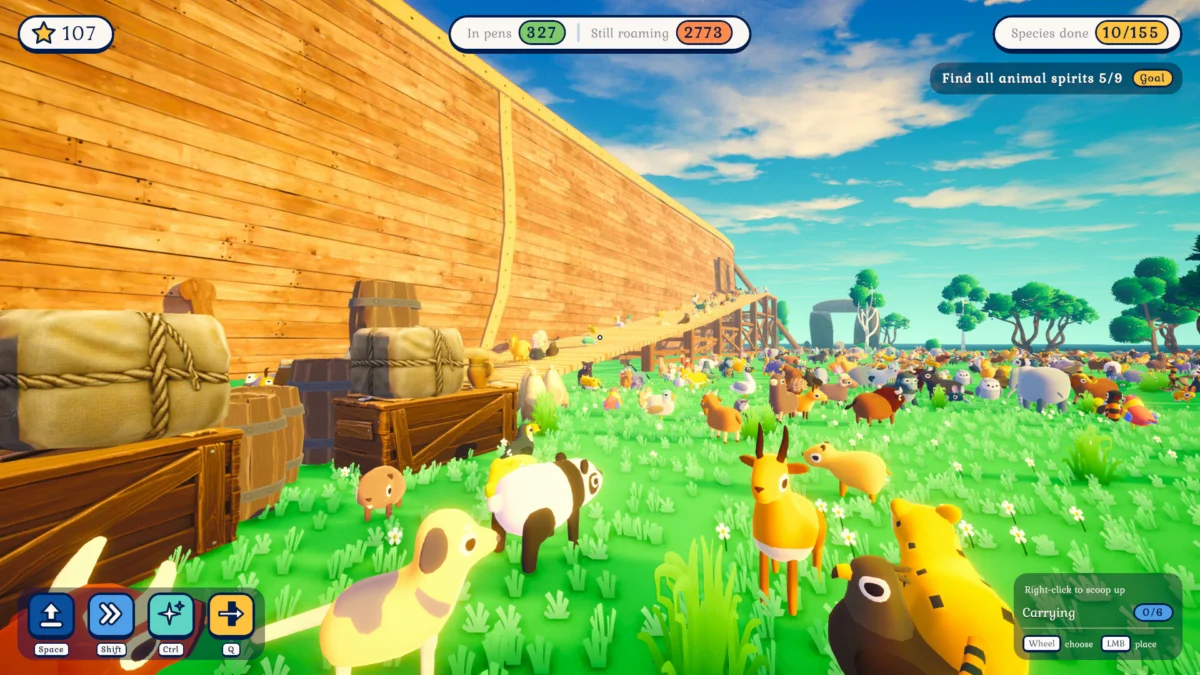
The "cozy gaming" genre has undergone a significant transformation over the last five years, moving from a niche sub-category of simulation games to a dominant force on platforms like Steam and the Nintendo Switch. Within this movement, a specific sub-genre has emerged: the organization and cleanup simulator. From the meticulous item-placing of Unpacking to the satisfying power-washing of PowerWash Simulator, players are increasingly seeking digital environments where they can exert order over chaos. The latest entry into this burgeoning market is Tidy Up the Ark, an indie title that takes the ancient narrative of Noah’s Ark and retools it into a massive logistical puzzle.
Departing from the traditional "two-by-two" biblical narrative, Tidy Up the Ark challenges players with a much more daunting figure: twenty of each animal. This shift in scale transforms the Ark from a simple vessel into a complex, multi-floor sorting facility. Currently available as a demo on Steam, the game offers a meditative, "mindless" experience designed to provide players with the satisfaction of transforming a cluttered environment into a pristine sanctuary.
Main Facts: A Modern Twist on an Ancient Vessel
At its core, Tidy Up the Ark is a third-person organization game that focuses on the "Great Flood" preparation phase. While the source material suggests a manageable pair of every creature, the developers have opted for a "more is more" approach to enhance the gameplay loop. Players are tasked with navigating a massive, three-story wooden vessel to ensure every creature is in its designated pen before the rain begins.
The game’s primary hook is the visceral satisfaction of cleaning. As animals are moved from the common areas into their specific enclosures, the visual landscape of the Ark changes. What begins as a chaotic, crowded space slowly evolves into a structured, peaceful environment. This "before and after" progression is a cornerstone of the cozy gaming experience, providing a sense of tangible accomplishment that is often absent in more combat-oriented titles.
The Ark itself is divided into three primary ecological zones based on the dietary needs of the inhabitants:
- The Herbivore Floor: Dedicated to plant-eaters, requiring a gentle touch and specific spatial management.
- The Omnivore Floor: A middle-ground deck housing animals with diverse needs.
- The Carnivore Floor: The high-stakes area where predators must be safely tucked away.
By categorizing the gameplay into these three distinct zones, the game introduces a light layer of educational sorting without the stress of "game over" states or punishing timers.
Chronology: The Journey from Chaos to Order
The player’s experience in Tidy Up the Ark follows a distinct chronological progression, moving from the overwhelming initial clutter to the streamlined efficiency of the "late game."
The Initial Onboarding
Upon entering the Ark, the player is greeted by a scene of utter disarray. Animals are scattered across the decks, wandering aimlessly through the halls and even congregating on the roof. The player starts with a limited "pocket" capacity—the ability to carry only five animals at a time. This initial constraint forces the player to learn the layout of the ship and identify the locations of the various pens.

The Mid-Game: Efficiency and Upgrades
As the player begins successfully sorting animals, they earn "Stars," the game’s primary currency. The mid-game is defined by the strategic use of these stars. Players must locate a specific NPC—a Donkey—who acts as the Ark’s quartermaster. By paying the Donkey in stars, players can upgrade their carrying capacity, allowing them to transport more animals in a single trip. This creates a satisfying feedback loop: more sorting leads to better capacity, which leads to faster sorting.
The End-Game: The Ghostly Helpers
As the Ark nears completion, the game introduces supernatural elements in the form of "ghost animals." These spectral entities are hidden throughout the environment and provide the player with enhanced movement abilities. Some ghosts grant the power to jump higher, while others allow for a "phase forward" dash. These mechanics are crucial for reaching animals stuck in awkward corners or on the outer rafters of the ship, bringing a platforming element to the final stages of the cleanup process.
Supporting Data: Mechanics and Player Psychology
The success of Tidy Up the Ark relies on several key mechanics that align with the psychological appeal of "Digital Feng Shui."
The "20-Animal" Logic
The decision to include 20 of each animal serves a dual purpose. Logistically, it ensures that the game has sufficient "content" to keep a player engaged for several hours. Psychologically, it taps into the "collect-em-all" instinct. Because each pen has a hard limit of 20, players receive immediate feedback on their progress. Seeing a pen go from 0/20 to 20/20 provides a dopamine hit that keeps the player moving toward the next goal.
Intuitive Sorting and UI Design
One of the game’s strengths is its low barrier to entry. The UI is designed to be helpful rather than obstructive. If a player attempts to put an animal in the wrong pen (for example, trying to put a lion in a herbivore pen), the game provides a clear, non-punishing message. Furthermore, once an animal has been assigned to a specific pen, the game tracks this, preventing the player from accidentally trying to "re-home" them elsewhere. This "smart sorting" allows the player to enter a flow state—a mental state of total immersion where time seems to disappear.
Strategy and Personal Organization
While the game is simple, it allows for emergent strategy. Beta testers and early demo players have reported various methods of organization:
- Taxonomic Sorting: Grouping animals by species (snakes with snakes, birds with birds).
- Aesthetic Sorting: Organizing animals by color or size to create a visually pleasing deck.
- Efficiency Sorting: Clearing the ship floor-by-floor or focusing on the furthest animals first to minimize travel time.
Industry Context and Official Response
While the developers have maintained a relatively low profile, the release of the official announcement trailer and the Steam demo has sparked conversation in the indie community. The game is being positioned as a "slow burn" experience—a counterpoint to the high-octane, live-service games that dominate the market.
In the official announcement trailer, the focus is placed on the "cozy" aesthetics: soft lighting, cute character designs, and the rhythmic nature of the cleanup. The trailer highlights that the Ark is not just a boat, but a living world that transforms as the player works.
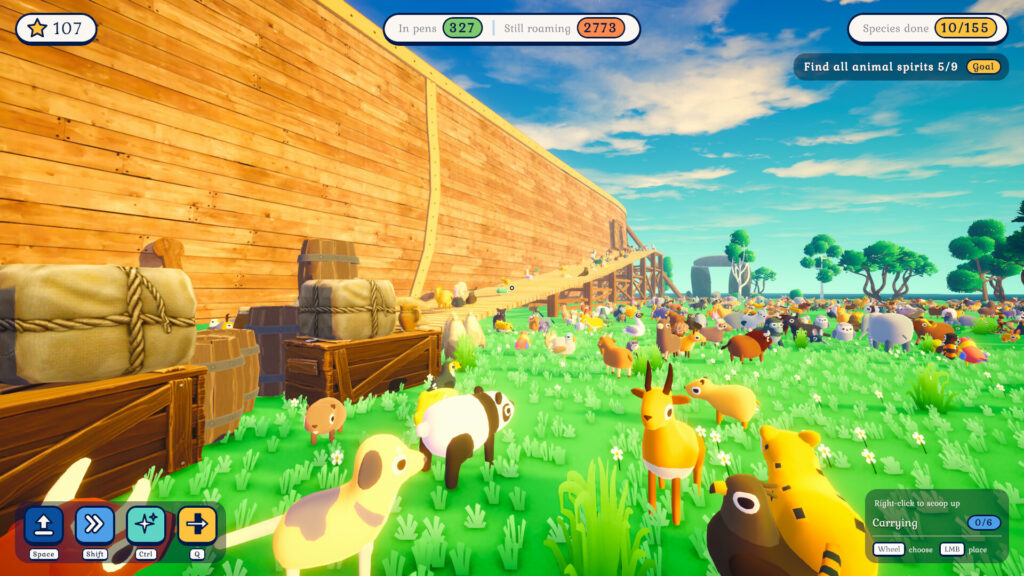
Market analysts note that Tidy Up the Ark is entering the market at an opportune time. According to recent Steam data, "Relaxing" and "Wholesome" tags have seen a 30% increase in user interest year-over-year. By combining a recognizable historical/mythological theme with modern "clean-up" mechanics, the game is poised to capture both the casual market and the dedicated "completionist" demographic.
Implications: The Future of Organization Gaming
The release and reception of Tidy Up the Ark suggest several broader implications for the gaming industry and the evolution of digital relaxation.
The "Gamification" of Labor
Tidy Up the Ark is part of a trend where chores—traditionally viewed as tedious in real life—are transformed into rewarding digital loops. This suggests a shift in player desires; as real-world environments become more chaotic, the ability to "fix" a digital world becomes a form of self-care. The game’s "mindless" quality is not a critique, but a feature, offering a "white noise" equivalent for the eyes and hands.
Narrative Re-interpretation
The game also represents a trend in "mechanic-first" narrative adaptation. Instead of telling the story of the Flood through dialogue or combat, the story is told through the logistics of the Ark itself. This opens the door for other historical or mythological tales to be reimagined through the lens of different genres—a "Labor of Hercules" management sim or a "Great Wall of China" construction puzzler.
The Power of the Demo
By releasing a demo on Steam, the developers are leveraging the "try before you buy" culture that has seen a resurgence. This allows the game to build a community of "wishlisters" who can provide feedback on the animal AI and the star-economy balance before the final launch.
In conclusion, Tidy Up the Ark is more than just a sorting game; it is a testament to the power of simplicity in game design. By taking a massive, daunting task—saving the world’s animals—and breaking it down into manageable handfuls, it provides a sanctuary for players looking to escape the complexities of the modern world. Whether you are sorting by species, color, or floor, the game promises a satisfying journey toward the ultimate goal: a tidy boat and a fresh start.
Availability: Tidy Up the Ark is currently available for wishlisting on Steam, with a free playable demo featuring the initial herbivore decks and basic upgrade systems.*