The Spatial Evolution of YouTube: Hidden Overhaul Points to a New Era for Quest and Horizon OS
Introduction: A Long-Overdue Transformation
For nearly a decade, YouTube has been a cornerstone of the virtual reality experience, yet its interface on Meta’s Quest headsets has often felt like a relic of a bygone era. While the hardware has leaped from the mobile-powered aesthetics of the Oculus Go to the mixed-reality prowess of the Quest 3S, the YouTube VR app remained largely tethered to a design language established in 2018.
That is about to change. Recent investigations into the latest updates of the YouTube app on Meta Quest have uncovered hidden entry points and code strings that signal a massive, ground-up overhaul. This development suggests that Google is finally moving to align its VR presence with modern "spatial computing" standards, bridging the gap between Meta’s Horizon OS, Apple’s visionOS, and Google’s own upcoming Android XR platform.
Main Facts: What the Overhaul Entails
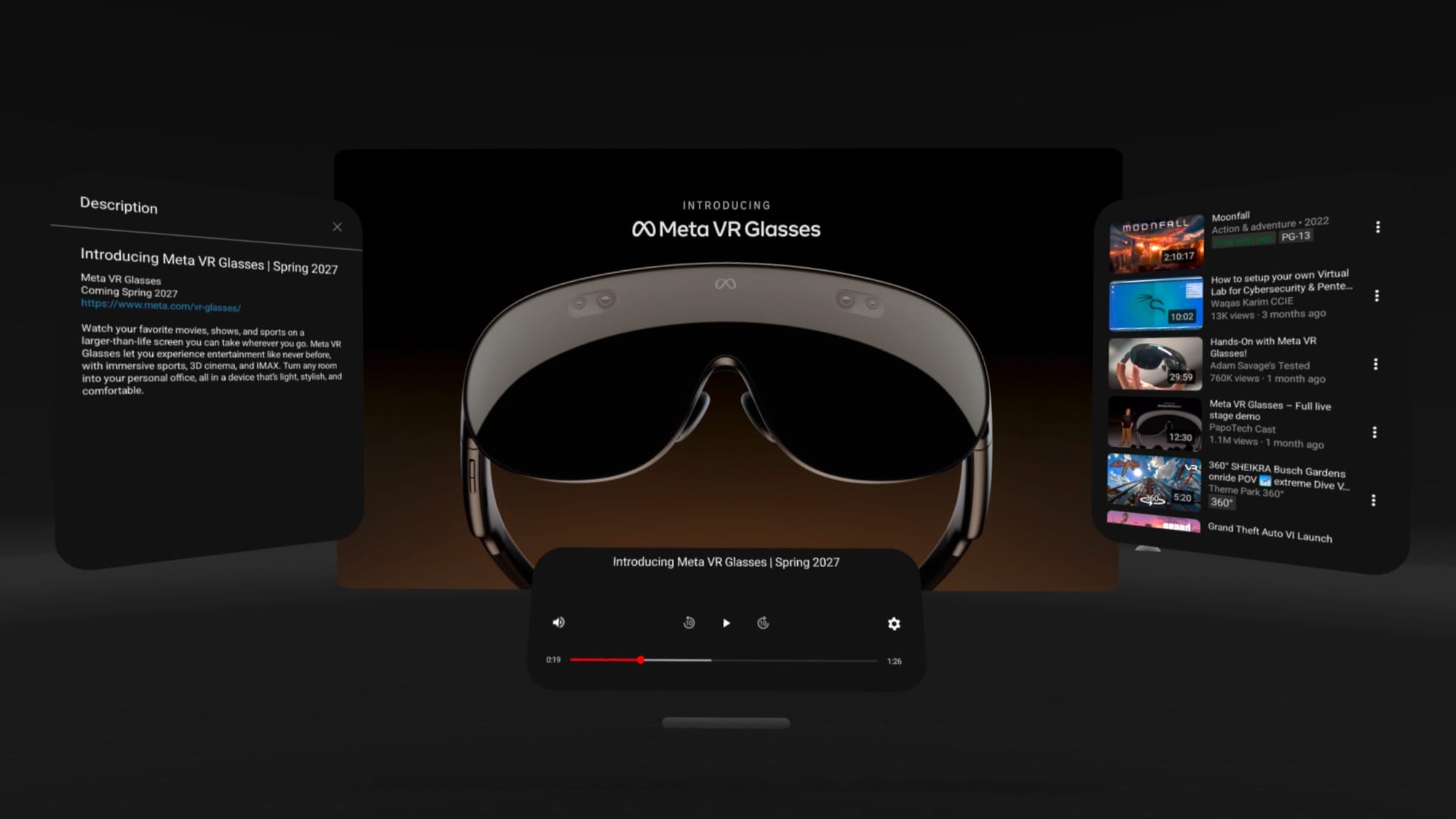
The discovered updates reveal a fundamental shift in how YouTube functions within a 3D environment. Rather than a static, floating screen in a void, the new "Immersive View" is designed to be a dynamic, multi-layered spatial experience.
1. Unified Design Language
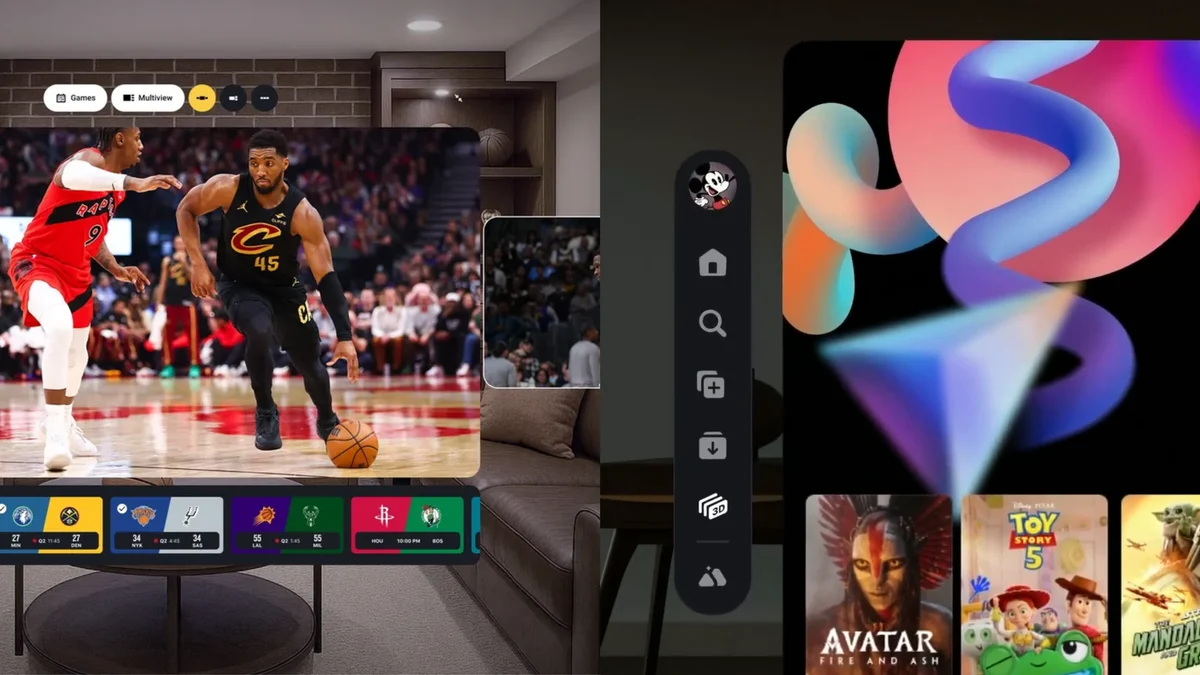
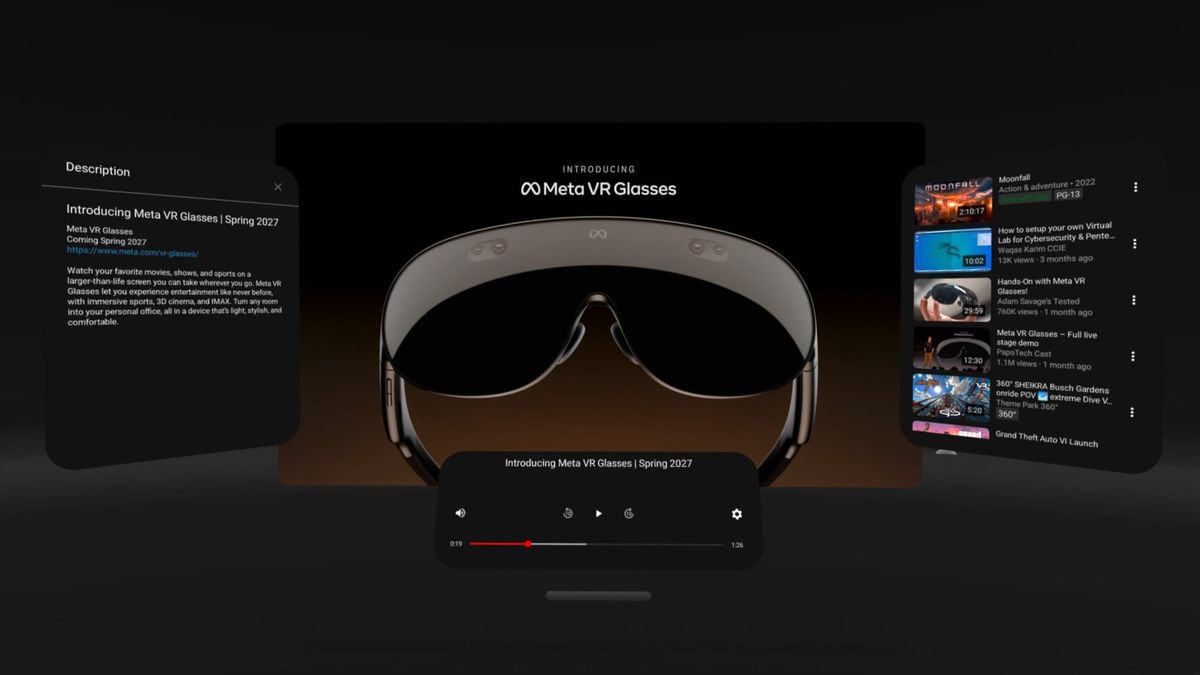
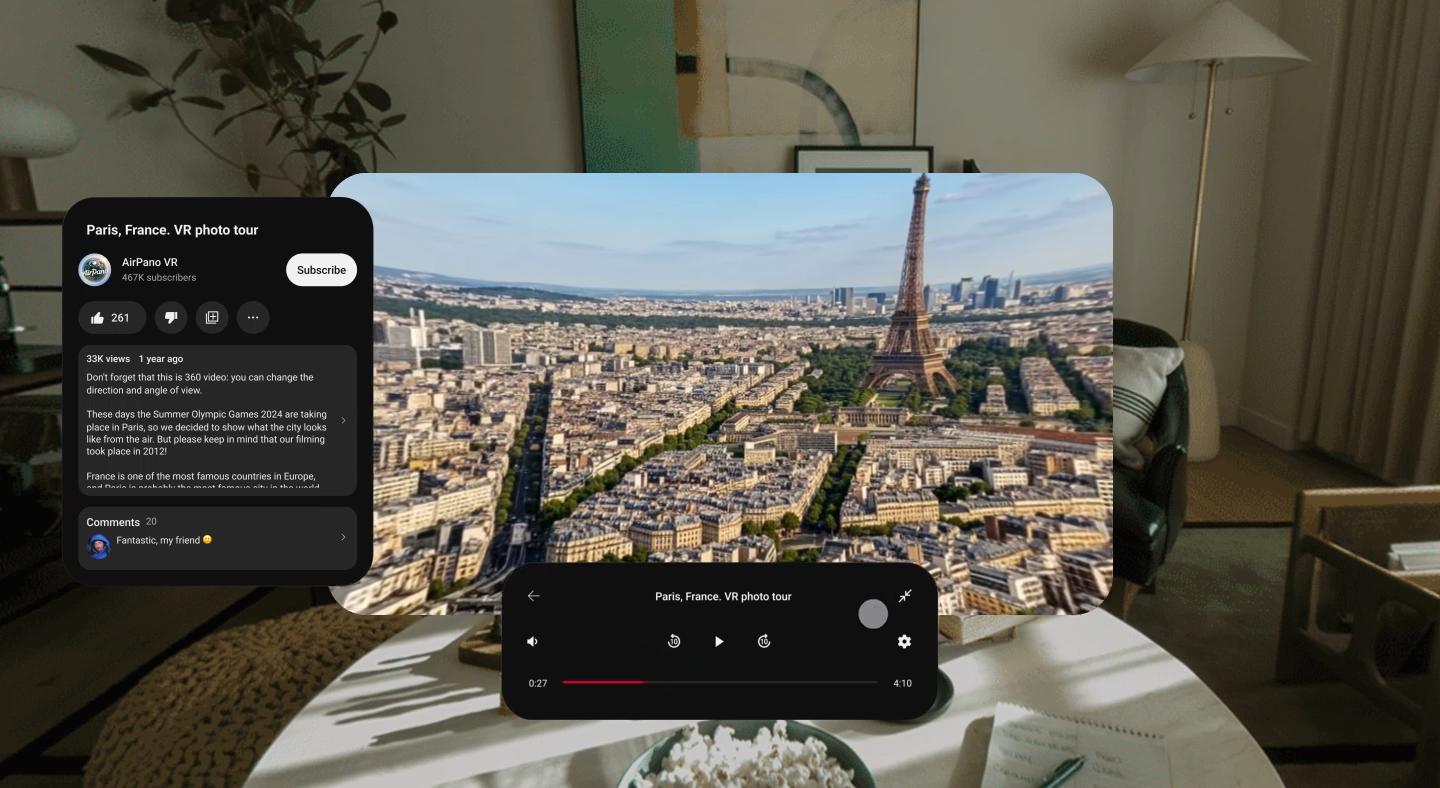
The most striking discovery is that the new Quest interface closely mirrors the YouTube experience found on the Apple Vision Pro and the recently teased Android XR platform. This indicates a move toward a "platform-agnostic" spatial UI, where Google maintains a consistent brand identity across competing headsets.
2. Advanced Multi-Window Support
The overhaul introduces the ability to browse the YouTube library in a secondary window without interrupting the video currently playing in the primary window. This "browse-while-watching" capability is a staple of the desktop and tablet experience that has been frustratingly absent from the VR version until now.
3. Deep Horizon OS Integration
The new version abandons proprietary UI elements in favor of native Meta Quest features. This includes:
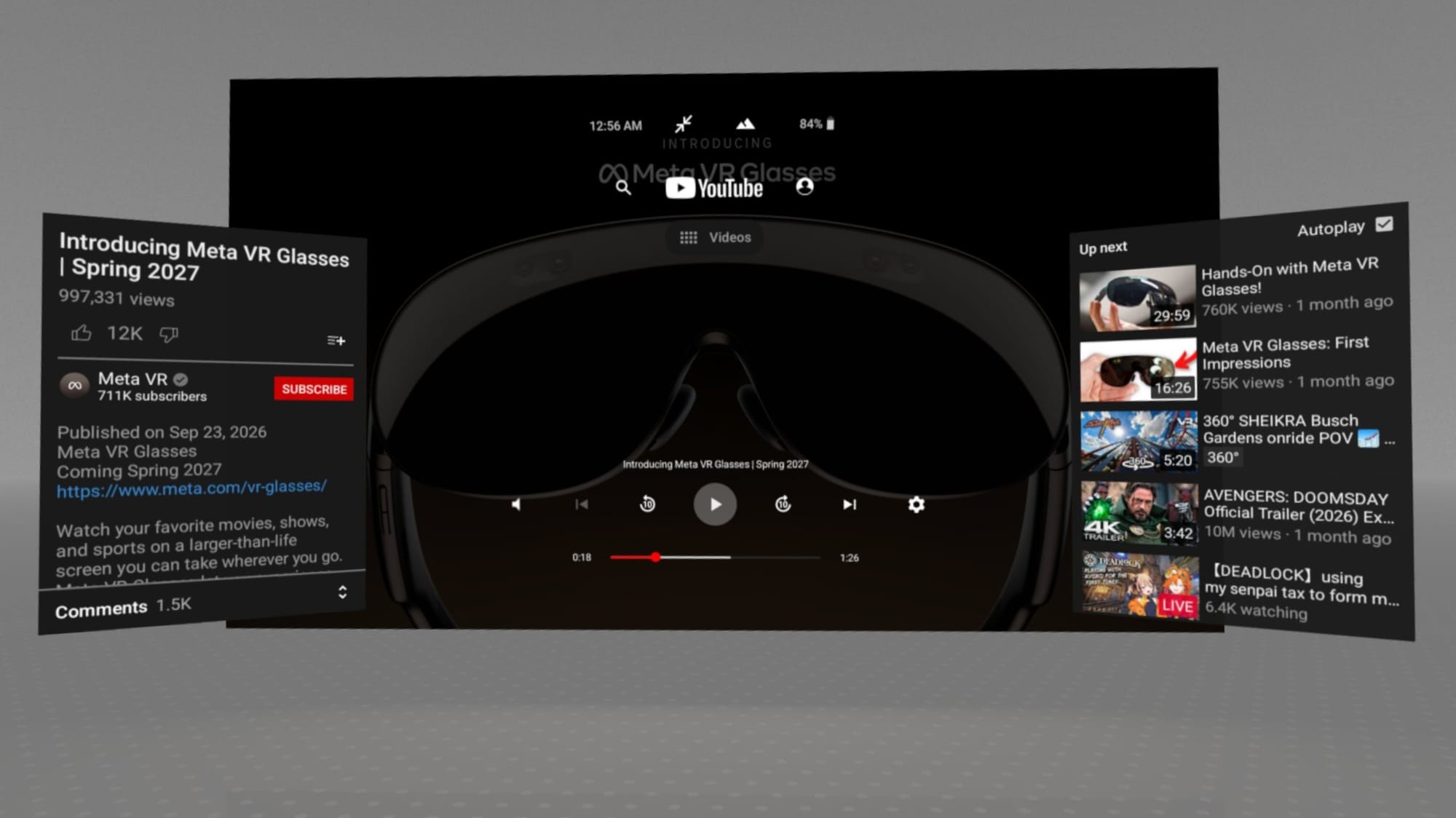
- System-Level Virtual Keyboard: Replacing the clunky, in-app YouTube keyboard with the standard Horizon OS overlay.
- Native Resizing Handles: Users can now grab corners to resize windows dynamically, with the app automatically adjusting its aspect ratio to match the content (e.g., switching from 16:9 for movies to 9:16 for YouTube Shorts).
- Control Bar Evolution: A new Horizon OS-style control bar allows for seamless switching between "Panel Mode" (2D window) and "Immersive Mode" (3D environment).
4. Environmental Flexibility
The update appears to leverage Meta’s latest "Loft" VR Home Environment and improved window-anchoring systems, allowing the YouTube player to feel like a physical object within the user’s room or a curated virtual space.
Chronology: The Stagnation and Resurgence of YouTube VR
To understand the significance of this overhaul, one must look at the timeline of YouTube’s development on standalone VR.
- 2018: The Genesis. YouTube VR launches for the Oculus Go. The interface is simple, designed for 3DOF (degrees of freedom) controllers, and focused on a single-screen experience.
- 2019–2022: The Quest Transition. As the Quest and Quest 2 dominate the market, YouTube receives minor updates, including support for 4K and 8K 360-degree videos. However, the core UI remains the same "curved wall" design from the Go era.
- 2023: The High-Resolution Push. Following the launch of the Quest 3, Google updates the app to support 8K 180-degree 3D videos, catering to the headset’s improved optics.
- Early 2024: The Apple Catalyst. Apple launches the Vision Pro. While Google does not initially release a native app, it eventually debuts a visionOS version that introduces a sophisticated spatial UI. This sets a new bar for what a premium YouTube VR experience should look like.
- August 2024 – Present: Hidden Development. Code references to a "major overhaul" begin appearing in Quest app updates. Concurrently, Meta rolls out Horizon OS v81 PTC, which revamps window management, providing the perfect infrastructure for Google’s new design.
Supporting Data: Technical Enhancements and Missing Pieces
The overhaul is not merely a visual facelift; it is a technical restructuring. Data gathered from the hidden "Panel Mode" updates shows a shift in how the app handles resources and user input.
The Shift to "Smart TV" Logic
The interface within the new Panel Mode is built upon the same framework as YouTube’s Smart TV and console apps. This allows Google to push feature updates (like "Stats for Nerds," playback speed controls, and comment sections) simultaneously across TVs and VR headsets, reducing the development lag that previously plagued the Quest app.
Resizing and Aspect Ratio Scaling
One of the most significant technical hurdles in VR video is the transition between content types. Traditional VR apps often "letterbox" 4:3 or 21:9 content within a 16:9 container. The new code suggests a "fluid container" model. When a user switches from a standard video to a "Short," the window physically narrows and tallies, mimicking the behavior of a mobile device but in a spatial context.
The Missing Spatial Controls
Despite the progress, the current in-development version lacks some features found in the Android XR and visionOS counterparts. Specifically, the advanced spatialized UI controls for 360-degree and 180-degree 3D content—which allow users to "tilt" or "recenter" the sphere of video—are currently absent from the Quest build. It remains to be seen if these will be integrated before the official rollout.

Official Responses: A Strategic Silence
As of this writing, neither Google nor Meta has issued a formal press release regarding the overhaul. This is typical for "hidden" features discovered via data mining.
However, the context of recent announcements provides an unofficial "response" to why this is happening now. During the Meta Connect 2024 event, Meta executives emphasized a renewed focus on "Spatial Apps." Meta has been expanding its SDKs (Software Development Kits) to help developers like Google and Disney+ transition their 2D apps into 3D spatial experiences.
Industry analysts suggest that Google’s move is a preemptive strike. With Google preparing to launch Android XR in partnership with Samsung, they cannot afford to have their primary entertainment app look "outdated" on the world’s most popular VR platform (Quest). By modernizing the Quest app, Google ensures that users are conditioned to the YouTube spatial experience before the Android XR hardware even hits the shelves.

Implications: The Battle for the "Spatial" Living Room
The overhaul of YouTube on Quest has far-reaching implications for the VR industry and the broader concept of spatial computing.
1. The End of the "VR App" as a Silo
For years, VR apps felt like separate entities from the rest of a user’s digital life. By integrating Horizon OS native features—like the system keyboard and window handles—YouTube is becoming part of the operating system’s fabric. This signals a future where "VR apps" are simply "apps" that exist in 3D space, rather than specialized software.
2. Competition with Apple
Apple’s Vision Pro marketed itself as the ultimate personal theater. By bringing a similar, high-quality spatial UI to the Quest 3 and 3S (which cost a fraction of the Vision Pro), Google and Meta are effectively democratizing premium spatial media consumption. This puts pressure on Apple to justify its price point through hardware alone, as the software gap begins to close.
3. Preparation for "Meta VR Glasses"
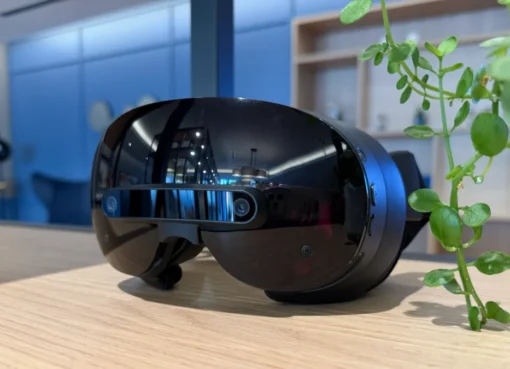
Meta has openly discussed its development of lightweight VR glasses (Project Orion and its successors). These devices will require apps that are incredibly lightweight and highly optimized for spatial multitasking. The new YouTube overhaul, with its focus on flexible windowing and mixed-reality anchoring, is clearly a stepping stone toward these future form factors.
4. The Google-Meta Paradox
The relationship between Google and Meta is increasingly complex. Google is a competitor (via Android XR) but also a vital partner (as the provider of YouTube, the world’s most-consumed VR content). This overhaul shows that Google is willing to support Meta’s ecosystem to ensure YouTube remains the dominant video platform, regardless of whose OS is running the hardware.
Conclusion: A New Standard for Immersive Media
The hidden updates within the YouTube Quest app represent more than just a new coat of paint. They represent the final abandonment of the "mobile VR" philosophy that defined the late 2010s. As we move into 2025 and 2026, the expectation for VR media will no longer be "a screen in the dark," but a sophisticated, multi-tasking, and natively integrated spatial experience. For the millions of Quest users, the "biggest screen in the house" is about to get a whole lot smarter.