Knights of Fiona: A Deep Dive into the Ambitions and Friction of VR JRPGs
The intersection of Japanese Role-Playing Games (JRPGs) and Virtual Reality remains one of the most promising yet technically demanding frontiers in modern gaming. For decades, JRPGs have relied on grand narratives, meticulous progression systems, and stylized combat to captivate audiences on traditional screens. However, translating these elements into a first-person, immersive medium requires more than just a camera shift; it requires a fundamental reimagining of how players interact with the world.
Character Bank’s latest release, Knights of Fiona, attempts to bridge this gap. Following the developer’s previous success with RuinsMagus, this title arrives with the weight of high expectations. Yet, as the game settles into the hands of players, it serves as a fascinating case study in the challenges of balancing traditional genre tropes with the unique demands of VR hardware. While it successfully captures the "soul" of a JRPG through its progression and music, it struggles with a structural identity crisis that may leave some players feeling adrift.
I. Main Facts: Technical Specifications and Market Positioning
Knights of Fiona launched on September 3, 2026, targeting the burgeoning ecosystem of high-fidelity standalone and PC-tethered VR. The game is positioned as a "free-to-start" experience, a strategic move by Character Bank to lower the barrier to entry in a market often dominated by premium-priced titles.
- Developer: Character Bank
- Platforms: Meta Quest 3, Meta Quest 3S, and SteamVR.
- Pricing Model: Free-to-start; $18.99 Story Pass required to unlock the full six-chapter campaign.
- Genre: Co-operative Japanese Role-Playing Game (JRPG).
- Key Features: Six story chapters (with the final chapter due late 2026), weapon customization, glyph-based buff systems, and stylized cinematics.
The review of this title was conducted on a high-end PC configuration featuring a Ryzen 7 9850X3D processor and an NVIDIA RTX 5070 Ti GPU, utilizing the Meta Quest 3 via Virtual Desktop. This setup highlights the game’s visual potential, though it also exposes a lack of granular in-game graphical settings—a notable omission for a PCVR release.
II. Chronology: From RuinsMagus to the Fields of Gallia
To understand Knights of Fiona, one must look at the lineage of Character Bank. The studio gained significant recognition for RuinsMagus, a title praised for its vibrant world-building and excellent musical score. RuinsMagus utilized a more traditional dungeon-crawling structure, where missions lasted between ten and twenty minutes, allowing for a sense of exploration and environmental storytelling.
The development of Knights of Fiona represents a shift in philosophy. Rather than sprawling dungeons, the developers opted for a segmented, arena-based approach. This transition appears influenced by the "bite-sized" gaming trends prevalent in mobile and free-to-play markets.
The game begins with a striking red-on-black cinematic detailing the history of Gallia, a land ravaged by war. Players are introduced to Fiona, a seventeen-year-old "chosen one." In a departure from typical VR power fantasies, the player does not embody the hero. Instead, you play as one of her knights—a secondary character who observes the grand narrative from the periphery. This narrative choice honors the JRPG tradition of the "party" but risks alienating VR players who expect to be the center of the universe.
III. Supporting Data: Gameplay Mechanics and Systems
The core of Knights of Fiona is a tale of two halves: the town-based preparation and the arena-based execution.
The Town of Gallia: A Masterclass in Atmosphere
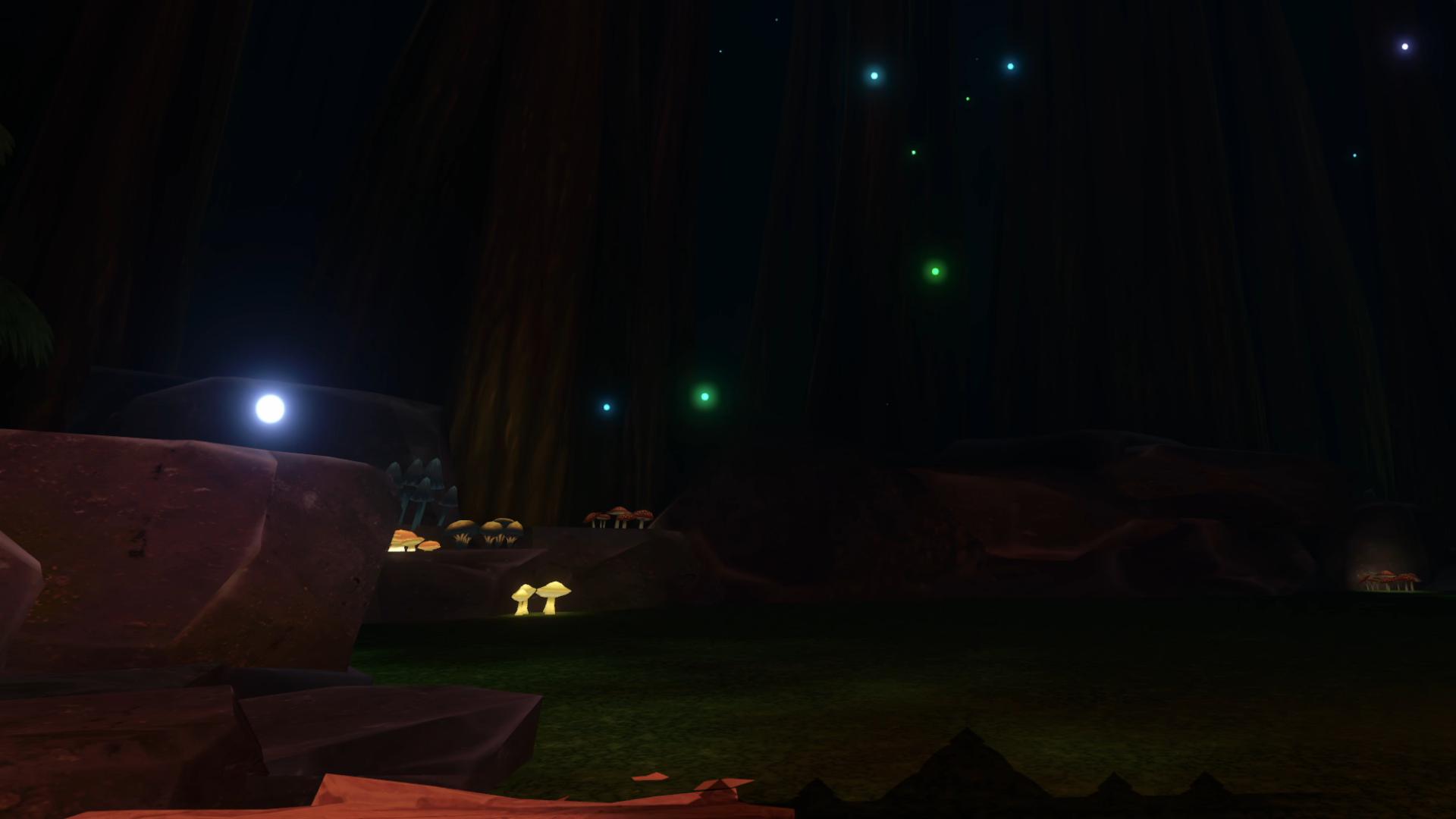
The central town square is the game’s strongest visual and social asset. It serves as a hub where players can interact with various NPCs, shop for equipment, and engage in the deep progression systems that JRPG fans crave.
- Progression and Customization: The weapon system is remarkably robust. Players can reassign functions between weapons, effectively crafting custom gear to suit their playstyle.
- The Glyph System: Discovered through books hidden throughout the world, glyphs offer passive buffs. Players are limited by a point system that expands as they level up, demanding strategic choices in character builds.
- Social and Buff Systems: A local restaurant provides temporary stat boosts through meals, while trade systems (exclusive to paid Story Pass holders) encourage a sense of community.
Combat: The Arena Friction
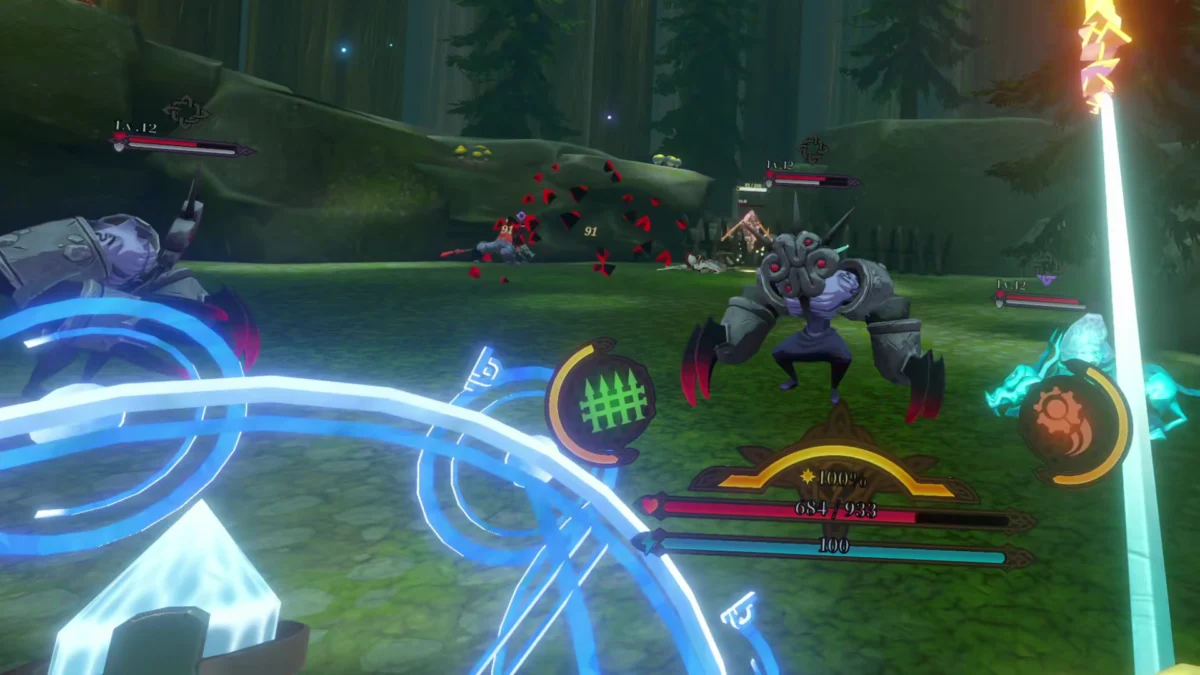
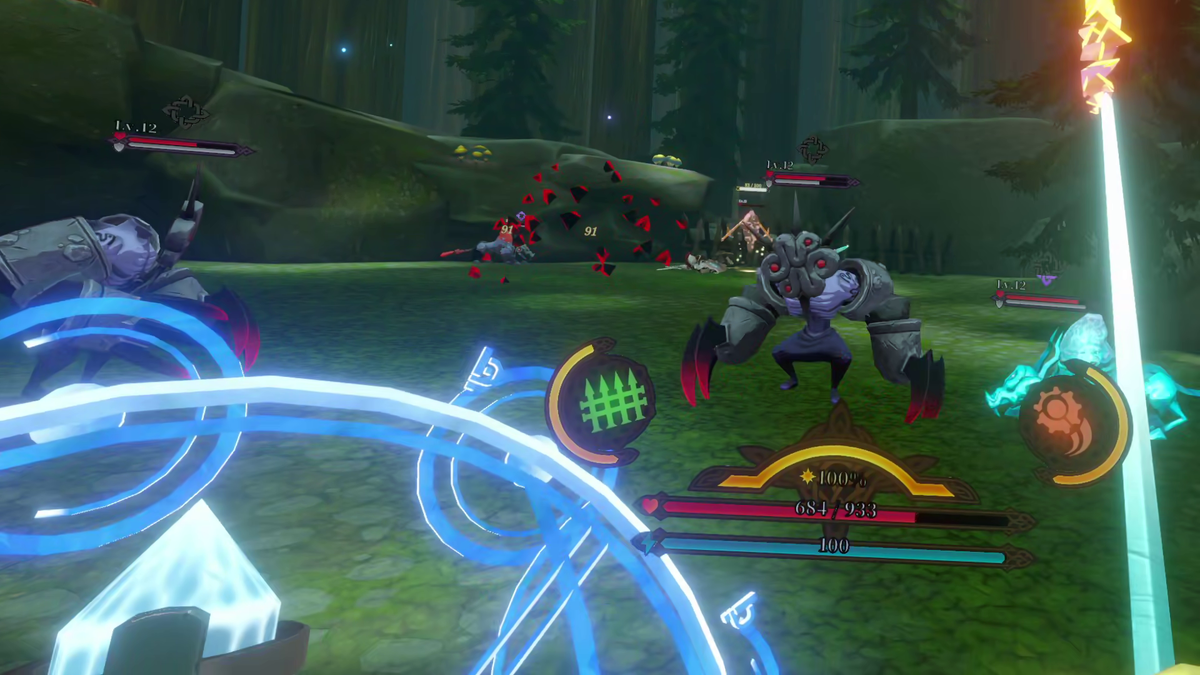
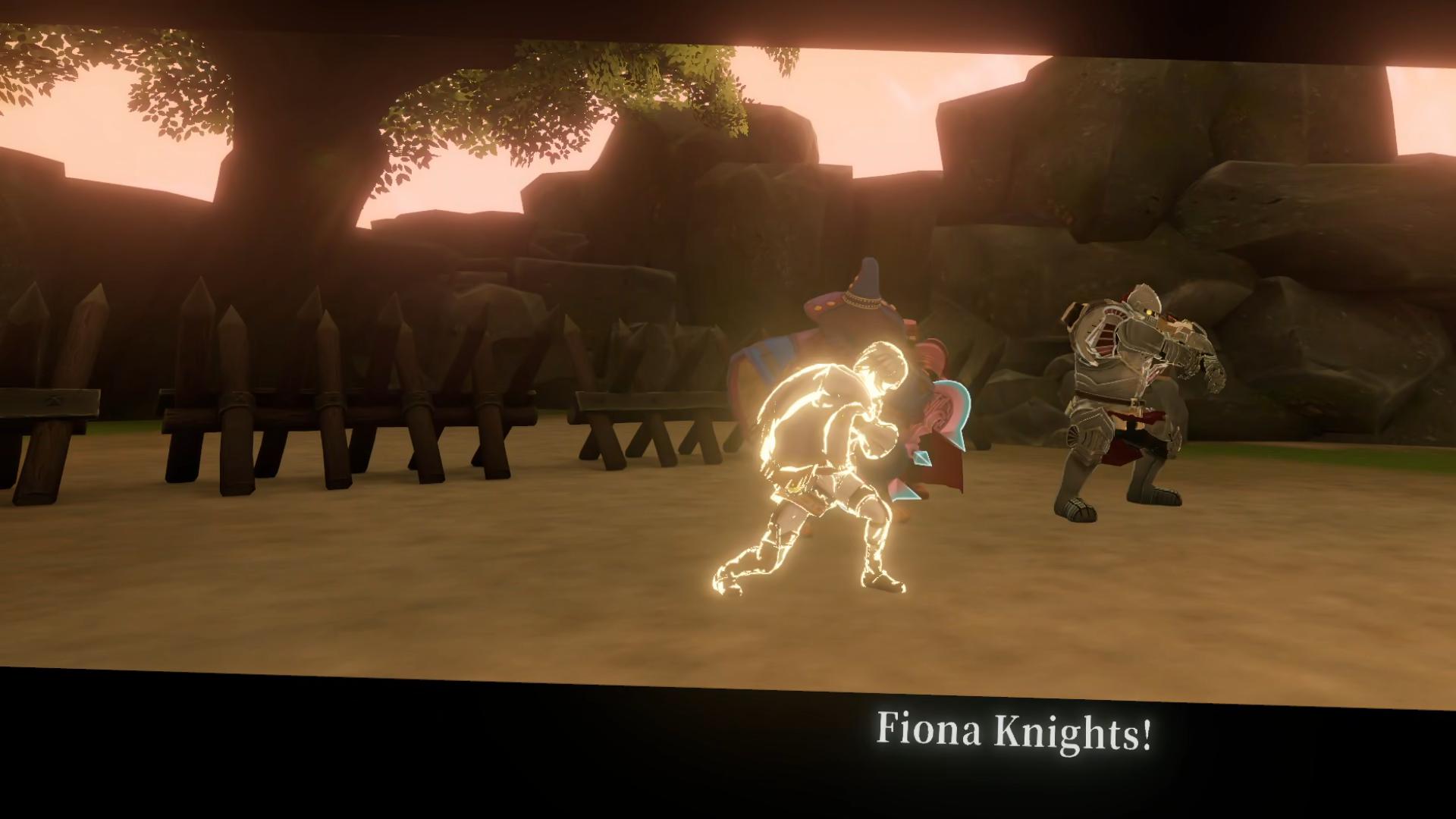
While the town is expansive in feel, the combat environments are starkly different. Missions are designed as quick bursts, rarely exceeding three minutes. Players are dropped into an arena, tasked with defeating waves of enemies, and then immediately returned to a victory screen.
- Mechanical Weight: Critics and players have noted that the combat feels "weightless." The physics of swinging swords or blocking attacks lack the haptic and visual "crunch" found in VR titles like Blade & Sorcery or Until You Fall.
- The Loading Loop: Because missions are so short, the gameplay-to-loading ratio is high. Players spend a significant portion of their session navigating menus and waiting for the next three-minute skirmish to load, which can break the immersion essential to VR.
Audio and Presentation
Character Bank continues its tradition of high-quality audio. While some may argue it doesn’t quite reach the heights of the RuinsMagus score, the music in Knights of Fiona is evocative and perfectly suited for the genre’s emotional beats. The voice acting is intentionally "scenery-chewing"—over-the-top and dramatic in a way that will feel like home to fans of Persona or Final Fantasy.
IV. Official Responses and Industry Positioning
While Character Bank has not issued a formal "day-one patch" manifesto, the game’s structure reveals an intentional move toward the "Games as a Service" (GaaS) model. By offering the first portion of the game for free and gating the campaign behind an $18.99 Story Pass, the developers are attempting to solve the "VR ghost town" problem. This model ensures a steady stream of new players in the co-op lobbies, while the paid pass funds continued development, such as the upcoming sixth chapter.
Industry analysts suggest that Knights of Fiona is heavily influenced by Soul Covenant, another VR title that traded exploration for arena-style combat. This trend suggests a belief among some developers that VR players prefer short, intense sessions over long-form dungeon crawling to mitigate "VR fatigue" or motion sickness.
V. Implications: The "Two Masters" Dilemma
The most significant takeaway from Knights of Fiona is the tension between its two target audiences.
1. The JRPG Purist
For the fan of Xenoblade or The Trails series, Knights of Fiona offers the familiar comforts of lore, stat-crunching, and a long-form story (roughly 12 hours). However, these players are often used to 60-hour epics with seamless exploration. The "stop-and-start" nature of the arena missions feels antithetical to the grand journey they expect.
2. The Casual VR User
For the player looking for a quick co-op action game, the twenty-minute intro of cinematics and tutorials—a staple of the JRPG genre—can be a significant deterrent. The "free-to-play" coding (short missions, constant rewards, achievement pop-ups) appeals to this demographic, but they may find the heavy narrative elements intrusive.
3. Accessibility and Onboarding
On a positive note, the game’s commitment to accessibility is a blueprint for the industry. With options for stick-based locomotion, teleportation, snap turning, and variable motion vignettes, Character Bank has ensured that Knights of Fiona is approachable for VR newcomers. This inclusivity is vital for a genre that typically requires a high time investment.
Final Verdict: A Middle-Ground Contender
Knights of Fiona is a game of undeniable polish in certain areas and baffling choices in others. It captures the aesthetic and systemic complexity of a JRPG with impressive fidelity. The weapon customization and character progression are genuinely rewarding, providing a sense of growth that many VR titles lack.
However, the "arena-fication" of its combat and the weightless feel of its swordplay prevent it from reaching the pantheon of VR greats. It stands as a 3-star experience—satisfactory and functional, but one that struggles to reconcile its identity as both a deep narrative RPG and a bite-sized action game.
For fans of the genre, the $18.99 Story Pass is a reasonable investment for 12 hours of content, especially given the high quality of the music and the depth of the customization. For the skeptics, the free-to-start model offers a risk-free way to test the waters of Gallia. Ultimately, Knights of Fiona proves that while the elements of a JRPG can exist in VR, the genre still hasn’t found its perfect "North Star" for environmental structure and combat weight.