The Dawn of Generative Narrative: Arvore’s ‘Fabula Rasa’ Sets December Release on Meta Quest
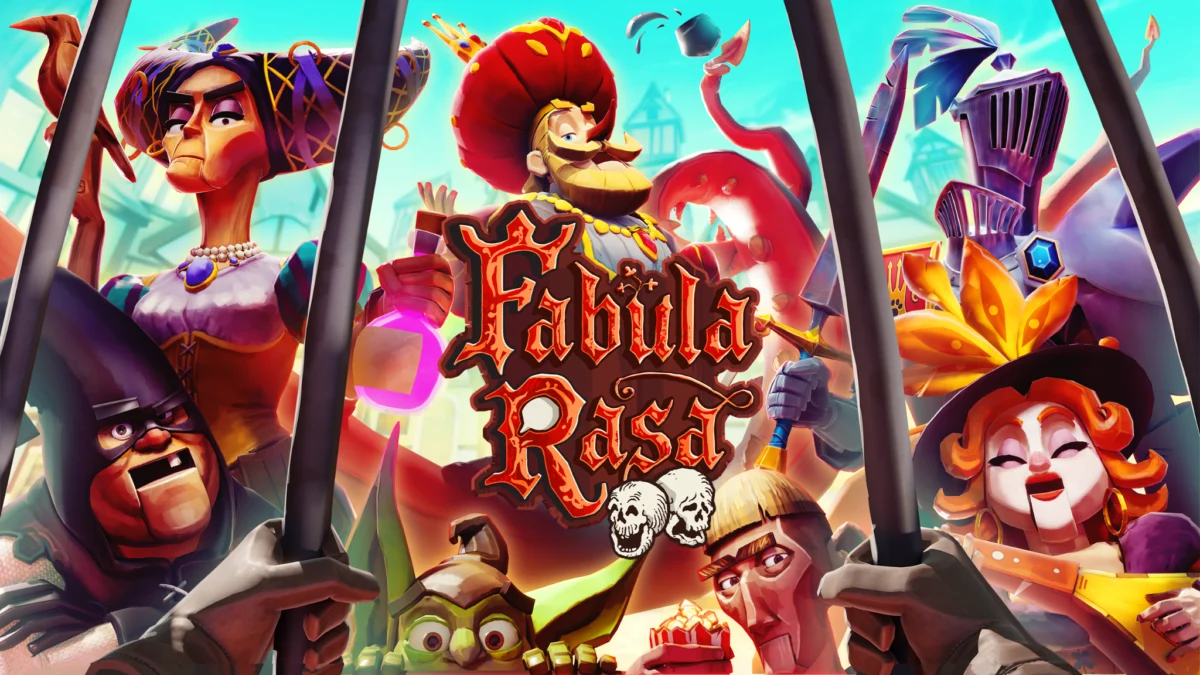
The landscape of virtual reality (VR) is currently undergoing a transformative shift, moving away from static, pre-programmed environments toward dynamic, responsive worlds driven by artificial intelligence. At the forefront of this evolution is Arvore Immersive, an award-winning studio that has spent years pushing the boundaries of VR storytelling. Their latest project, Fabula Rasa, is poised to be a landmark title in this new era. Originally slated for a mid-November launch, Arvore has officially confirmed that the interactive medieval experience will now arrive on the Meta Quest platform on December 3.
Fabula Rasa represents more than just a new game; it is a bold experiment in "unscripted" gameplay. By leveraging Large Language Models (LLMs) to power its characters, the title promises a level of narrative agency previously unseen in the medium. Players are not merely choosing from a list of predetermined responses; they are engaging in real-time, natural language conversations where their words—and their wit—determine their survival.
Main Facts: A New Paradigm for Interaction
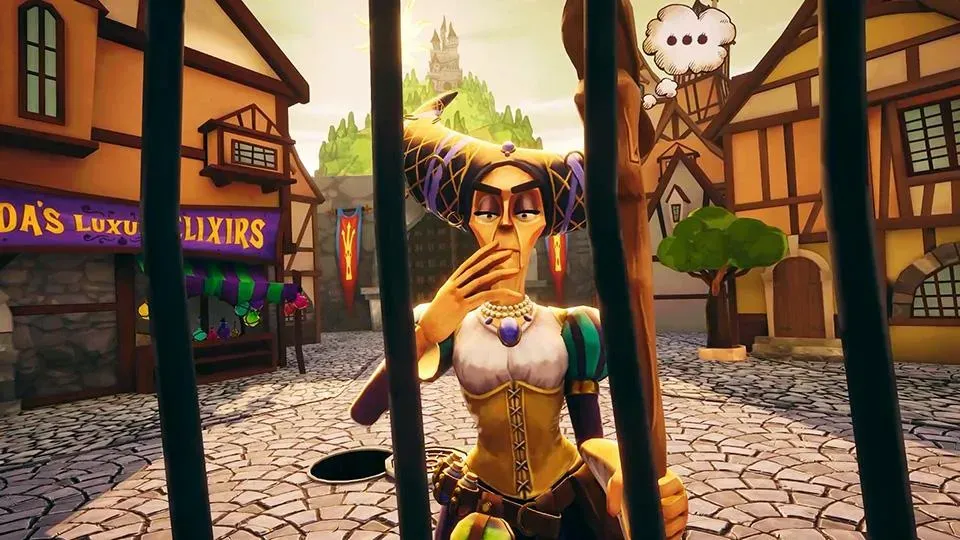
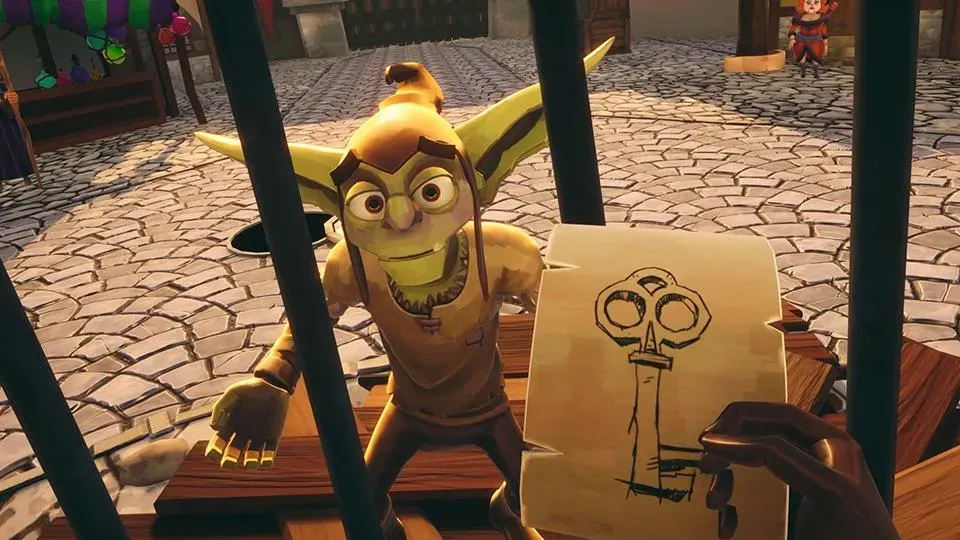
At its core, Fabula Rasa is a comedic survival experience set in a stylized medieval town. The player takes on the role of a condemned prisoner, trapped in a wooden cage suspended precariously over a "monster pit." The objective is simple yet daunting: convince the local townspeople to set you free before you are dropped to a gruesome, albeit humorous, death.
The Death of the Dialogue Tree
Traditional Role-Playing Games (RPGs) and VR experiences have long relied on "branching dialogue trees." In these systems, developers write every possible interaction, and players select from a limited menu of responses. While effective, this often leads to a "gamey" feel where players look for the "correct" button rather than truly role-playing.
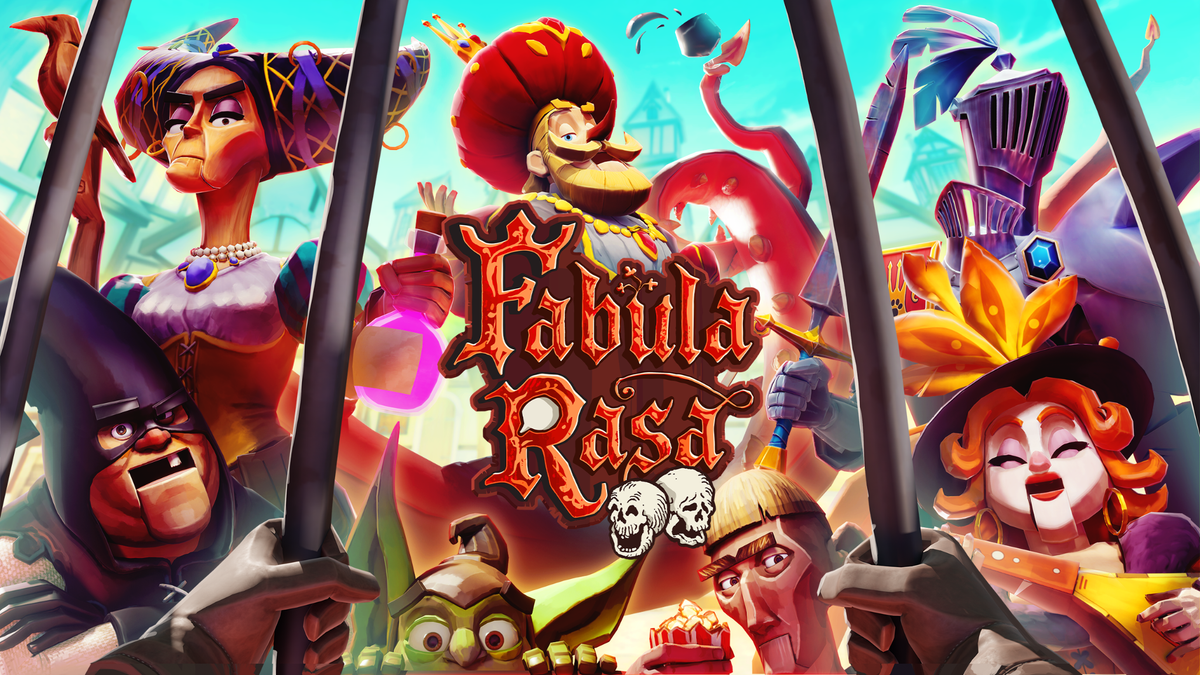
Fabula Rasa eliminates this barrier. Using advanced LLM technology, the Non-Player Characters (NPCs) respond dynamically to the player’s voice or text input. This means that no two conversations are ever the same. A player might try to bribe a guard, plead for mercy from a peasant, or use sarcasm to deflect the town drunk’s accusations. The AI processes these nuances and responds in character, creating a fluid narrative that adapts to the player’s specific personality and choices.
Key Gameplay Features
- The Nine Locals: To escape the cage, players must interact with nine distinct NPCs, each with their own backstories, temperaments, and biases.
- Costume-Based Interaction: The game features a variety of costumes that the player can wear. These are not merely cosmetic; the AI NPCs perceive these visual cues and adjust their behavior accordingly. A guard may treat a player differently if they are dressed as a noble versus a jester.
- Emergent Storytelling: Because the LLMs generate responses on the fly, the "crime" the player is accused of and the reasons for their imprisonment can shift based on the conversation, ensuring high replayability.
Chronology: From Award-Winning Concept to Final Release
The journey of Fabula Rasa has been one of critical acclaim and careful refinement. Arvore Immersive, based in Brazil, has established itself as a premier developer in the VR space, and Fabula Rasa is the culmination of their experience in blending nostalgia with cutting-edge tech.
Early Recognition and Accolades
Long before its commercial release date was finalized, Fabula Rasa began making waves on the international festival circuit. In early 2024, the project was showcased at the SXSW Film & TV Festival, where it secured the prestigious XR Experience Audience Award. This win was significant, as it demonstrated that the AI-driven mechanics resonated deeply with a live audience, proving that the technology could deliver emotional and comedic beats effectively.
Following SXSW, the game continued its winning streak at Miami Filmgate Interactive, where it took home the Best of Tech award. These accolades positioned Fabula Rasa as a "prestige" VR title, highlighting Arvore’s ability to move beyond the "gimmick" of AI and into the realm of meaningful artistic expression.

The Development Timeline and Shifted Launch
Arvore initially targeted a November 12 release date for the Quest version. However, in a move common among veteran developers seeking to ensure a polished day-one experience, the studio announced a short delay. The revised release date of December 3 allows the team to finalize the integration of the LLM servers and ensure that the voice-recognition systems are optimized for the diverse range of player inputs expected at launch.
This delay also underscores the complexity of the project. Unlike traditional games where the code is "locked," AI-driven games require extensive testing to ensure the LLMs stay "in character" and do not produce "hallucinations" (nonsensical responses) that could break the immersion of the medieval setting.
Supporting Data: The Arvore Pedigree
To understand the anticipation surrounding Fabula Rasa, one must look at the developer’s track record. Arvore Immersive is not a newcomer to the industry; they are veterans who have consistently delivered high-quality, innovative VR content.
The Pixel Ripped Legacy
Arvore is perhaps best known for the Pixel Ripped trilogy (1989, 1995, and 1978). These games are celebrated for their "game-within-a-game" mechanics, where players inhabit the role of a child playing video games while navigating their real-world environment. This meta-narrative approach won the studio numerous awards and established their reputation for creative storytelling.
Diversification of Genre
In recent years, Arvore has branched out into different genres:
- Yuki: A bullet-hell roguelike that combined anime aesthetics with intense physical gameplay.
- The Boys: Trigger Warning: A 2024 release based on the hit Amazon series, which experimented with stealth mechanics and source-material integration.
With Fabula Rasa, Arvore is pivoting again, this time toward social simulation and comedy. The studio’s ability to jump between genres while maintaining a high standard of polish is a key reason why industry analysts are watching this release closely.
Official Context: Bridging Technology and Comedy
One of the most significant challenges in using AI for storytelling is maintaining a consistent tone. LLMs can often feel dry or overly formal. To combat this, Arvore took an unconventional approach to "training" their NPCs.
The Improv Comedy Connection
The development team consulted extensively with improv comedians to help shape the personality profiles of the LLMs. By studying the rules of improvisational theater—such as the "Yes, and…" principle—Arvore was able to program the NPCs to be more reactive and entertaining. The goal was to ensure that if a player said something ridiculous, the NPC wouldn’t just give a generic error message, but would instead lean into the absurdity, much like a live performer would.
Comparison to Peer Projects
Fabula Rasa does not exist in a vacuum. It follows in the footsteps of other experimental AI titles like AstroBeam’s Stellar Cafe. While Stellar Cafe focused on a sci-fi social setting, Fabula Rasa uses the high-stakes environment of a "monster pit" to create a more urgent and comedic tension. The industry is currently observing these titles to see if LLM integration is a sustainable model for the future of gaming, or if the computational costs and latency issues remain too high for mainstream adoption.
Implications: The Future of Presence in Virtual Reality
The release of Fabula Rasa on December 3 could mark a significant turning point for the VR industry. For years, the "holy grail" of VR has been "presence"—the feeling of truly being inside a virtual world. While visual fidelity and haptic feedback have improved, social presence has lagged behind. NPCs have historically been the "cardboard cutouts" of the VR world, breaking immersion the moment they repeat a canned line of dialogue.
A New Era for Game Writing
If Fabula Rasa succeeds, it will force a re-evaluation of the role of the game writer. Instead of writing lines, writers will become "personality architects," defining the boundaries, memories, and ethical frameworks of AI characters. This shift could lead to games that are infinitely replayable, as the narrative is generated through the unique synergy between the player and the machine.
Accessibility and Input
Furthermore, the use of voice-driven AI makes the game highly accessible. For players who find complex controller layouts intimidating, the ability to simply "talk" to the game world lowers the barrier to entry. This aligns with Meta’s broader goal for the Quest platform: expanding the VR demographic beyond hardcore gamers into the realm of casual social interaction and "living" entertainment.

Conclusion
As the December 3 release date approaches, the VR community is eager to see if Fabula Rasa can deliver on its ambitious promise. By combining the comedic heritage of Arvore Immersive with the cutting-edge capabilities of Generative AI, the game stands as a potential vanguard for a new genre of interactive media. Whether you are a seasoned VR enthusiast or a newcomer attracted by the prospect of outsmarting a medieval mob, Fabula Rasa offers a glimpse into a future where the characters in our games finally have something new—and unpredictable—to say.
Fabula Rasa is currently available for wishlisting on the Meta Quest Store.