Navigating the Skies: Christopher Stockman on the Evolution of Ultrawings and the VR Industry in 2026
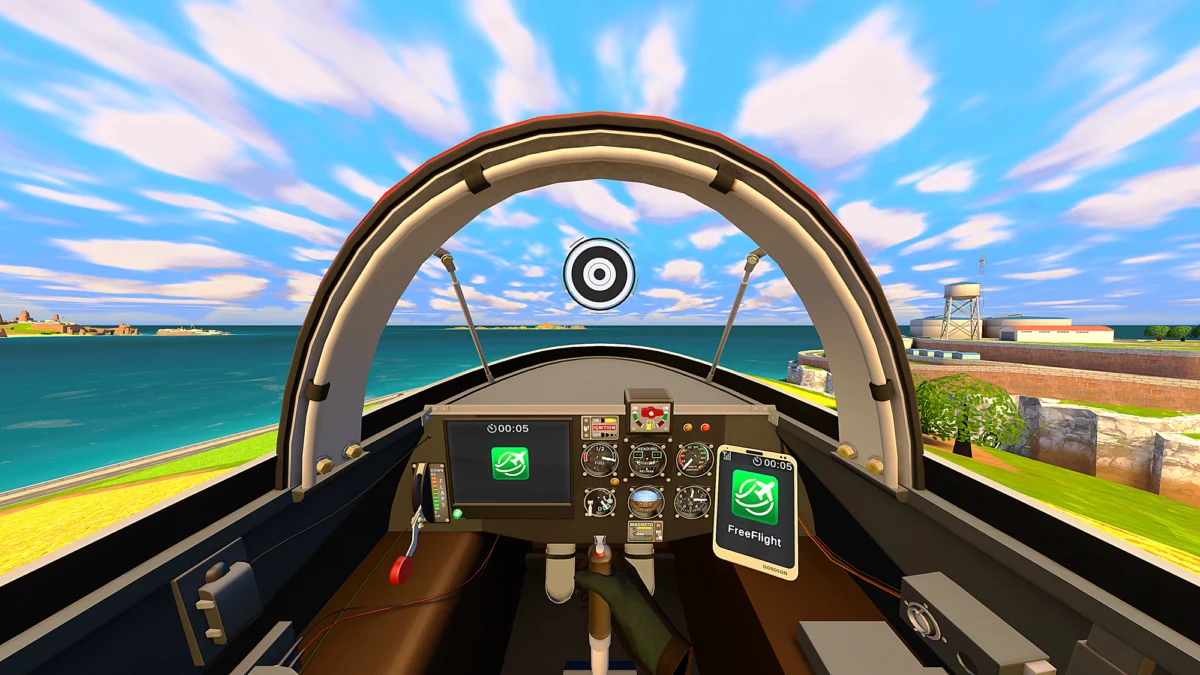
In the rapidly shifting landscape of extended reality (XR), few independent studios possess the longevity and resilience of Bit Planet Games. Celebrating nearly thirteen years in operation, the studio recently took center stage in the inaugural episode of VR Spotlight, UploadVR’s live interview series. CEO Christopher Stockman sat down with Mike Johnson to provide a comprehensive look at the studio’s latest achievements—the Quest 3 remasters of Ultrawings and Ultrawings 2—while offering a candid, sometimes scathing, assessment of the virtual reality industry’s current trajectory in late 2026.
Main Facts: The Launch of the Quest 3 Remasters
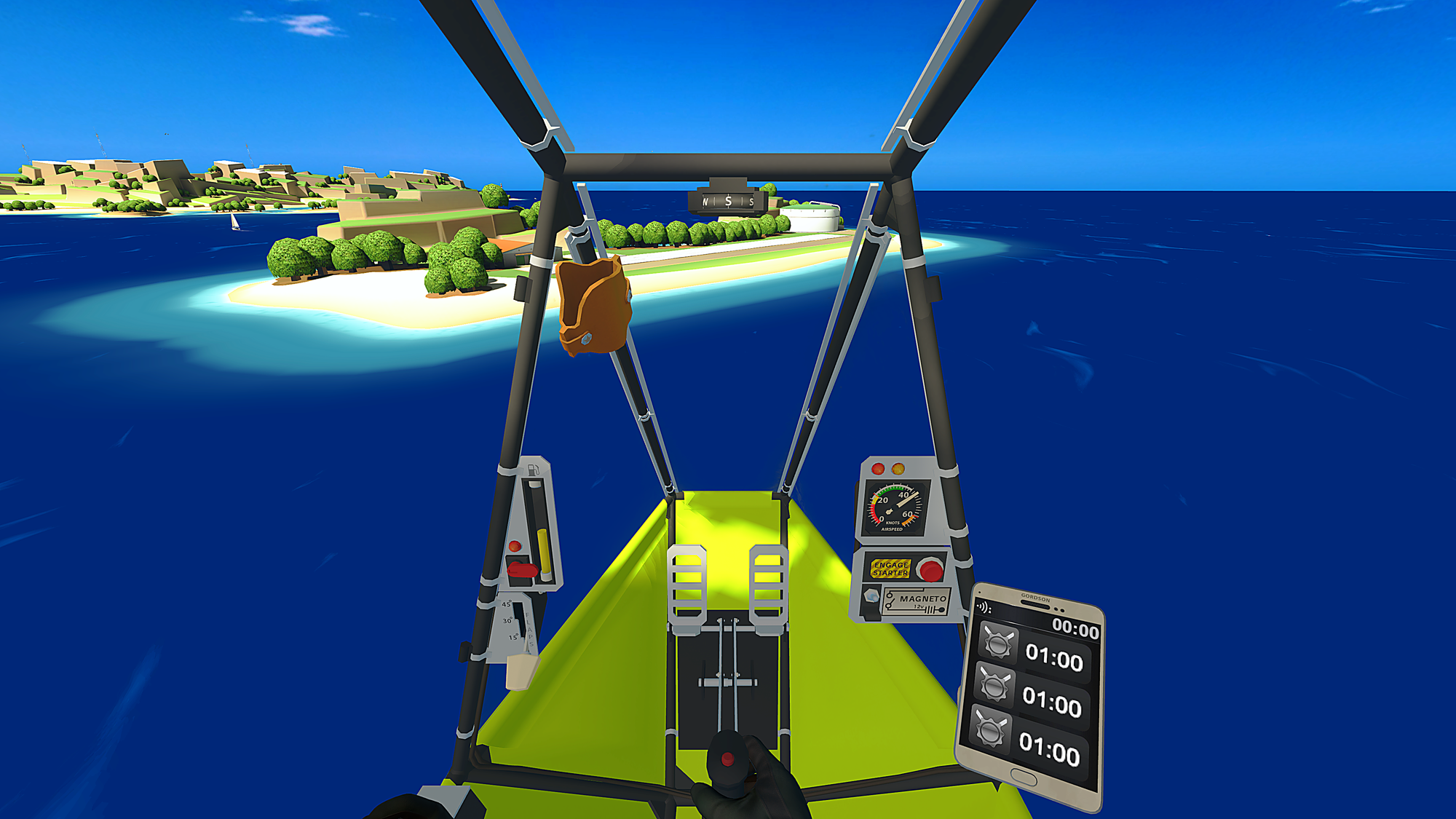
The primary catalyst for the discussion was the release of Ultrawings Remastered and Ultrawings 2: Gold Edition. These titles represent a significant technical leap for the franchise, specifically optimized for the Meta Quest 3 hardware. While many developers opted for simple resolution bumps during the Quest 3’s initial launch in 2023, Bit Planet Games waited until 2026 to release what Stockman considers the definitive versions of his aerial combat and flight simulation series.
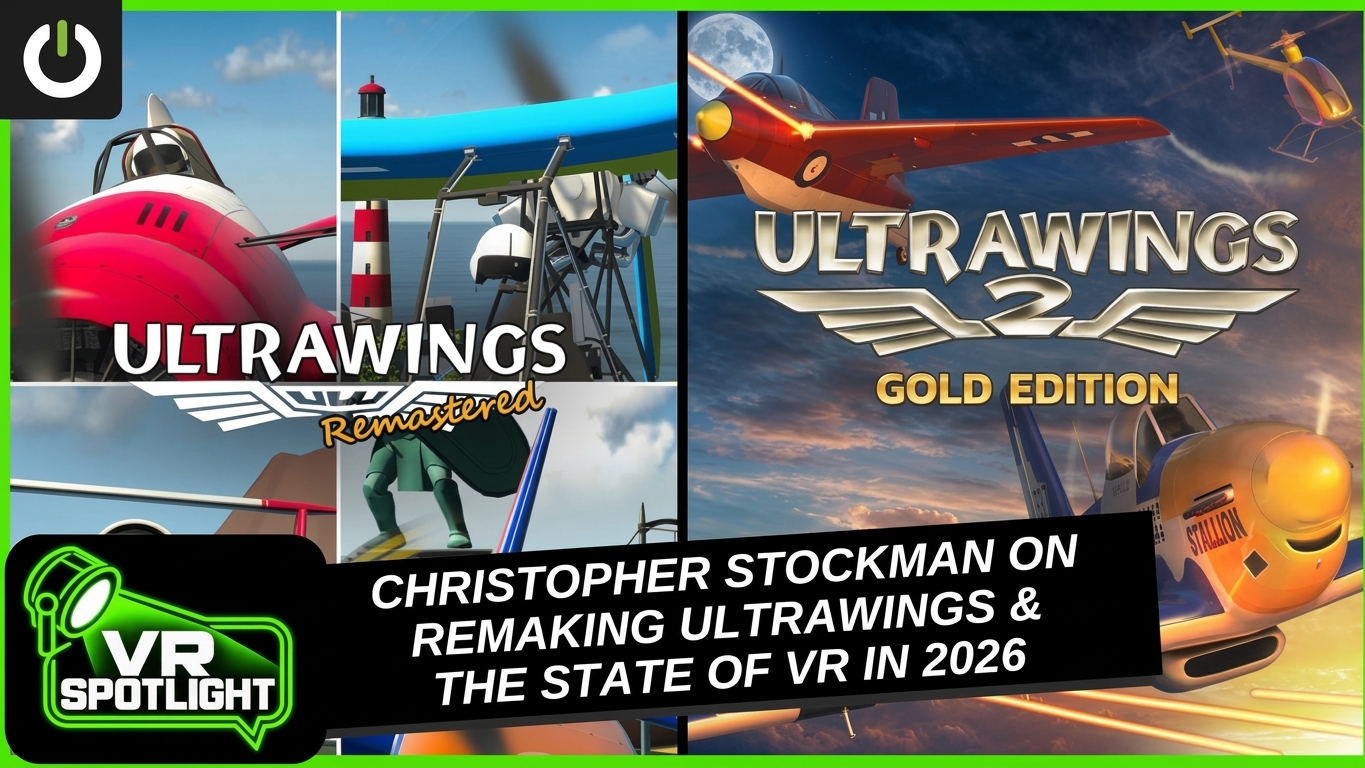
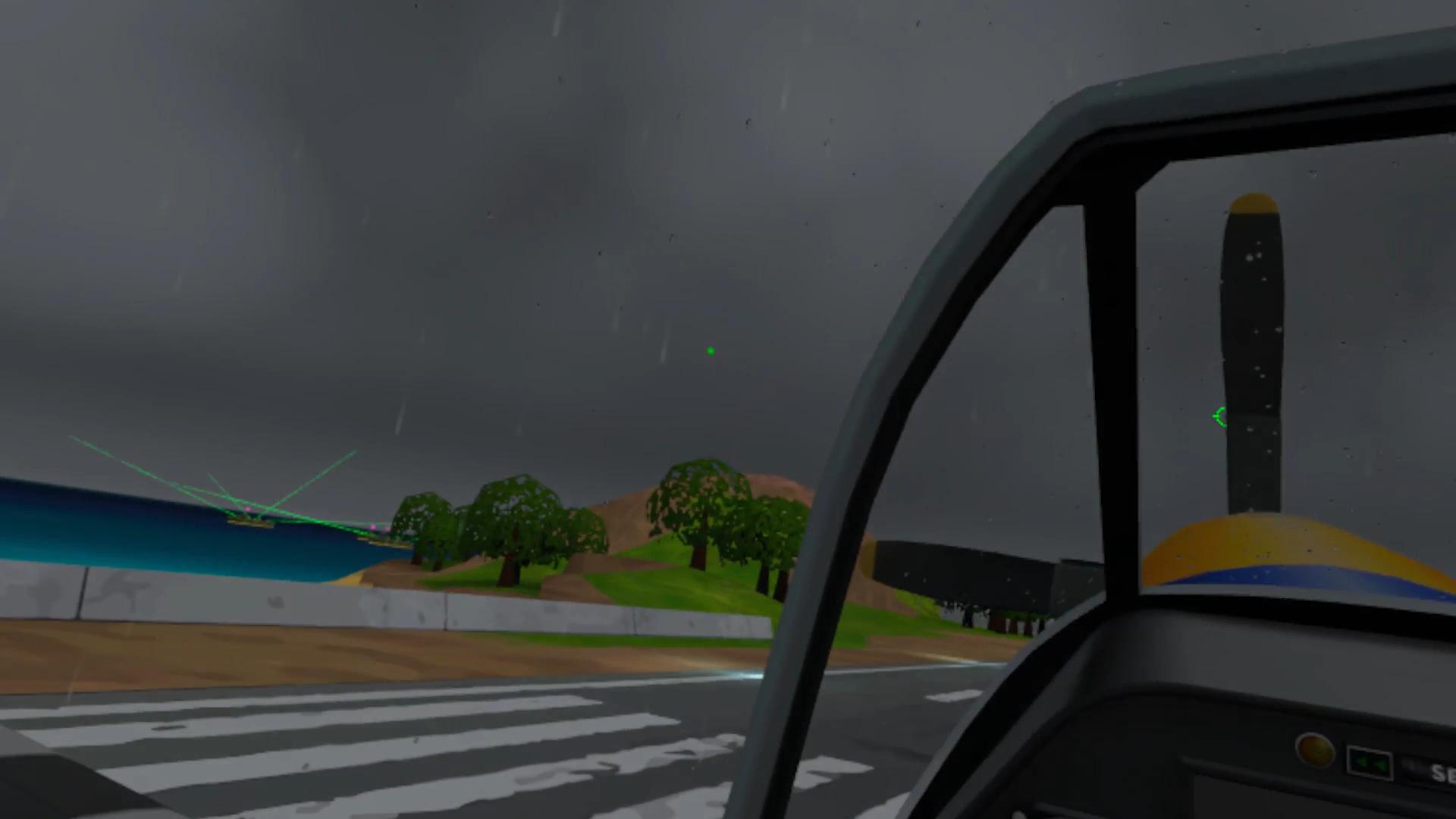
Ultrawings Remastered brings the original 2017 title to the modern standalone era, utilizing PC VR-grade assets and an open-world structure that was previously impossible on the original Quest and mobile hardware. Simultaneously, Ultrawings 2: Gold Edition introduces a suite of environmental upgrades, including a dynamic time-of-day system, procedural clouds, and real-time weather effects such as lightning and refracting raindrops on the cockpit canopy.
Stockman also addressed a point of minor controversy regarding the pricing of these updates. Originally conceived as a paid upgrade, the Gold Edition was ultimately released as a free update for existing Quest 3 owners of the original Ultrawings 2 as a gesture of goodwill to the fanbase. This move highlights a growing tension in the VR market between the need for sustainable development revenue and the expectations of a community used to free "next-gen" patches.
Chronology: A Twelve-Year Odyssey in Virtual Reality
To understand the significance of these remasters, one must look back at the origins of Bit Planet Games. Christopher Stockman is no stranger to high-stakes game development; he is perhaps best known to "old-school" gamers as the design director of the original Saints Row. After leaving Volition to start his first indie venture, he founded Bit Planet Games in early 2014.
The studio’s pivot to VR was not part of the original business plan. It was a demo of Job Simulator in a colleague’s garage that convinced Stockman that the future of immersive entertainment lay in headsets. Drawing inspiration from the Nintendo classic Pilotwings, Stockman pitched Ultrawings to Meta (then Oculus) and secured the initial funding required to begin development in mid-2015.
The timeline of Ultrawings reflects the history of consumer VR itself:
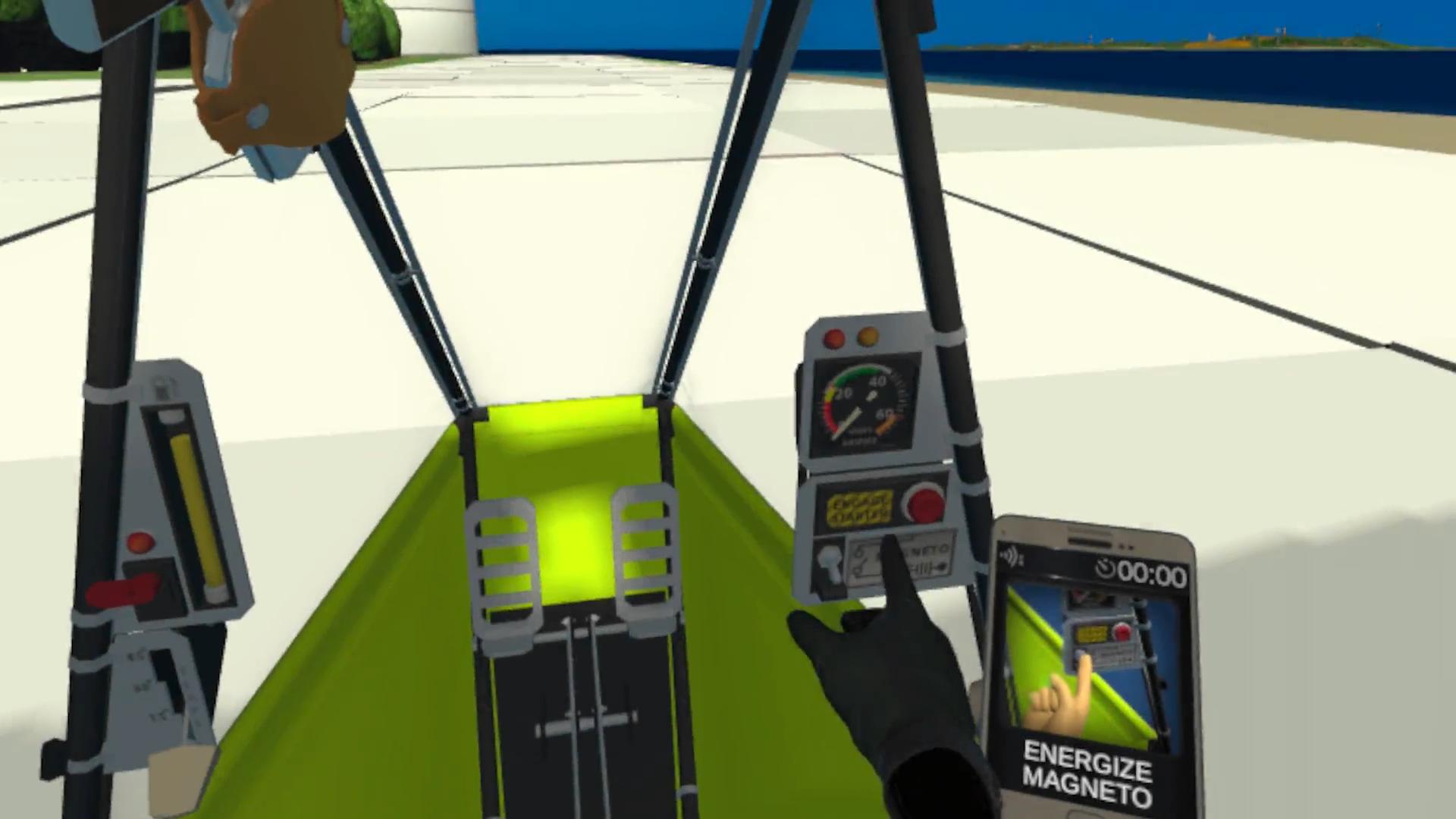
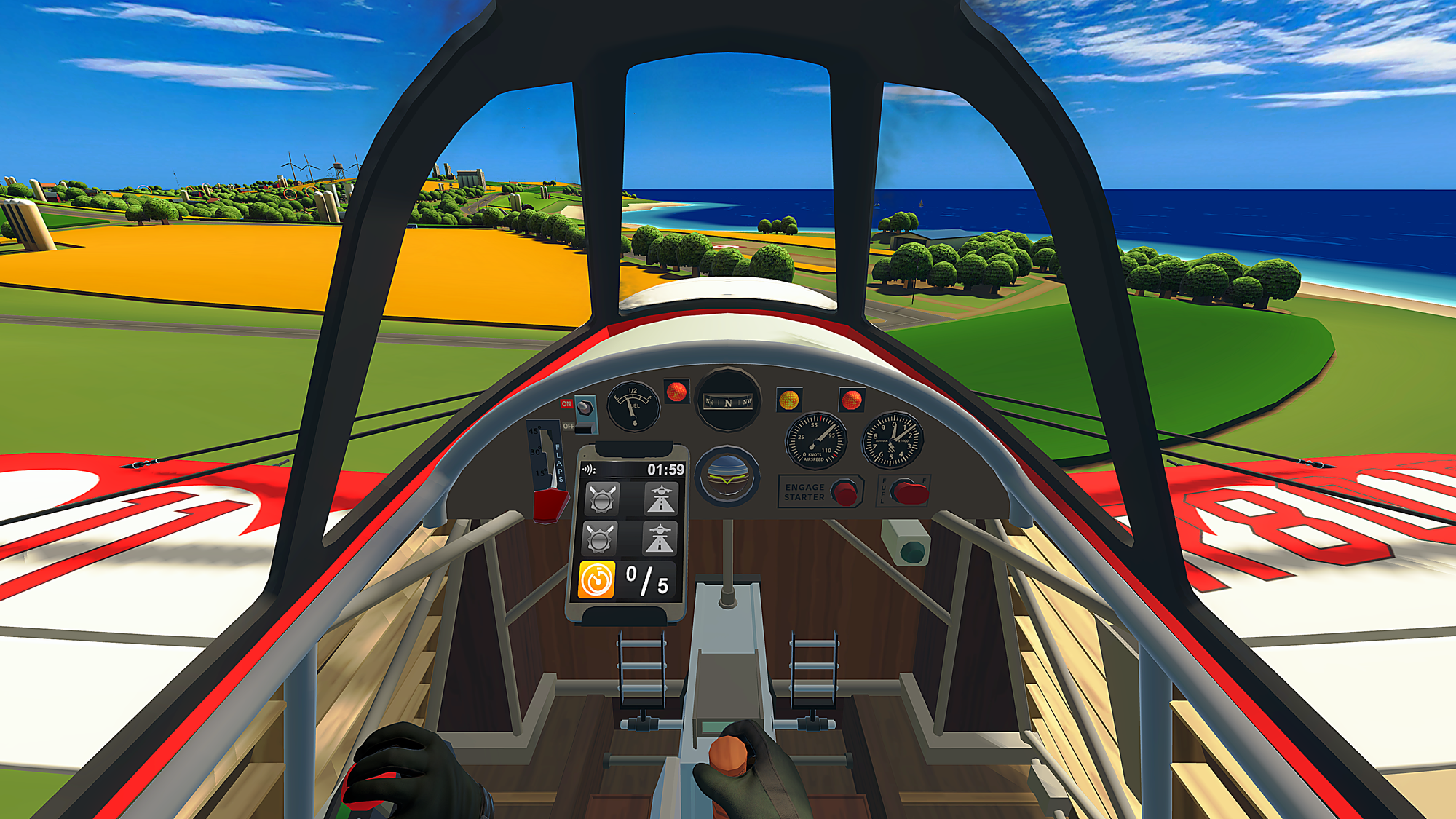
- 2017: Ultrawings launches on PC VR. Despite critical acclaim for its innovative use of motion-controlled flight sticks (a rarity at the time), it struggled financially, earning only $30,000 in its first month.
- 2017–2018: The studio survived through a series of "lifeline" deals, porting the game to Samsung Gear VR, PlayStation VR, and Oculus Go.
- 2019: Ultrawings became a launch title for the original Oculus Quest. This was the turning point; sales surged as the hardware found its audience, further accelerated by the global lockdowns of 2020.
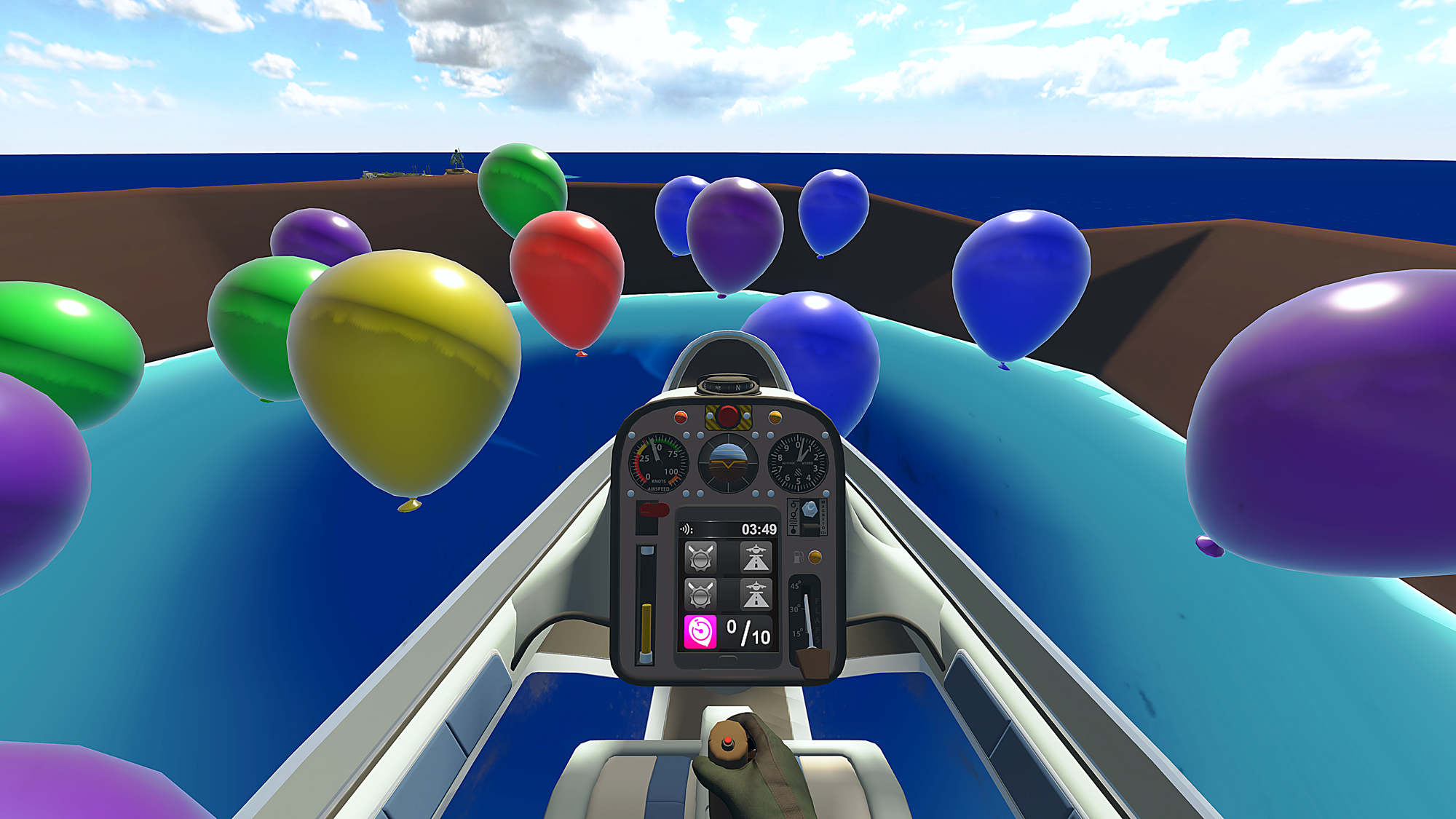
- 2022: Ultrawings 2 launched, introducing dogfighting and a vastly expanded scope. It achieved the rare feat for a VR sequel by outperforming its predecessor in total revenue.
- 2026: The release of the Quest 3 Remasters, leveraging Unity 6 and modern rendering pipelines to close the gap between mobile and PC-quality visuals.
Supporting Data: Sales Ratios and Technical Hurdles
The financial disparity between VR platforms remains a central theme for independent developers. Stockman revealed that for the original Ultrawings, the Quest version generated "seven figures" in revenue, whereas the PC VR version stayed in the "low six figures." This nearly 10-to-1 ratio explains why Bit Planet Games, like many others, prioritizes standalone hardware despite Stockman’s personal affinity for high-end PC rendering.
The technical challenges of the 2026 remasters were primarily focused on "computational expense." Stockman highlighted several key areas:
- Open World Architecture: On the original Quest, Ultrawings had to load one island at a time. The Quest 3 Remastered version runs the entire world seamlessly, utilizing PC-grade textures and lighting.
- Dynamic Environments: The Gold Edition of the sequel features a time-of-day system where the sun arcs through the sky, blending lightmaps in real-time. "What Quest game has ever done this?" Stockman remarked, noting that it required six iterations of the cloud system to achieve a "wispy" procedural look without tanking the frame rate.
- Refraction and Physics: One of the most praised additions is the rain system. Raindrops on the canopy now bead and slide realistically based on the aircraft’s speed, a feature Stockman described as a "fist-pump moment" for the team.
- The Unity 6 Transition: The move to Unity 6 and the Universal Render Pipeline (URP) was essential for maintaining a steady 90 FPS while rendering the world’s lighting three times over to support the new "Photo Mode" and zoom features.
Official Responses: Critiques of Sony and Valve
Stockman did not hold back when discussing the role of hardware manufacturers in the current ecosystem. His most pointed comments were directed at Sony and the PlayStation VR2 (PSVR2). Despite porting Ultrawings 2 to the platform and seeing a 4x return on their investment, Stockman expressed deep disappointment in Sony’s stewardship.
"I knew pretty early on that Sony was not going to support PlayStation VR2 in any meaningful way," Stockman stated. He pointed to the lack of exclusive titles at launch and Sony’s refusal to leverage its vast library of intellectual property. Stockman revealed that he had personally "begged" Sony to let Bit Planet Games develop a VR entry for Colony Wars, the classic PlayStation space combat franchise. Sony, however, showed no interest. "Actions speak way louder than words," he added, noting that the removal of PSVR2 from direct sale on Sony’s website in 2026 was the final "writing on the wall."
Regarding Valve’s rumored and recently launched "Steam Frame" hardware, Stockman expressed a mix of respect and skepticism. While he is currently developing a PC VR version of Ultrawings 2 that will support the Frame, he questioned the value of its standalone capabilities. He argued that the VR industry is suffering because Valve itself has stated they expect more "flatscreen" games to be played on the device than native VR games. Without exclusive, platform-defining software, Stockman fears the Steam Frame may become a "jack of all trades, master of none."
Implications: The State of the VR Market in 2026
The interview concluded with a sobering look at the broader VR industry. In a year marked by high-profile studio layoffs and game shutdowns, Stockman identified a fundamental shift in the player base. The market, he argues, has become dominated by free-to-play social titles and "outlier" hits aimed at a much younger demographic—specifically the 14-to-15-year-old age bracket.
"If you are not free-to-play, you are buried," Stockman warned. This shift has made it increasingly difficult for "mature" content or traditional premium games to find a footing. However, Stockman remains hopeful that as this younger generation "ages out" of social sandboxes, they will develop an appetite for more sophisticated experiences like flight simulators.
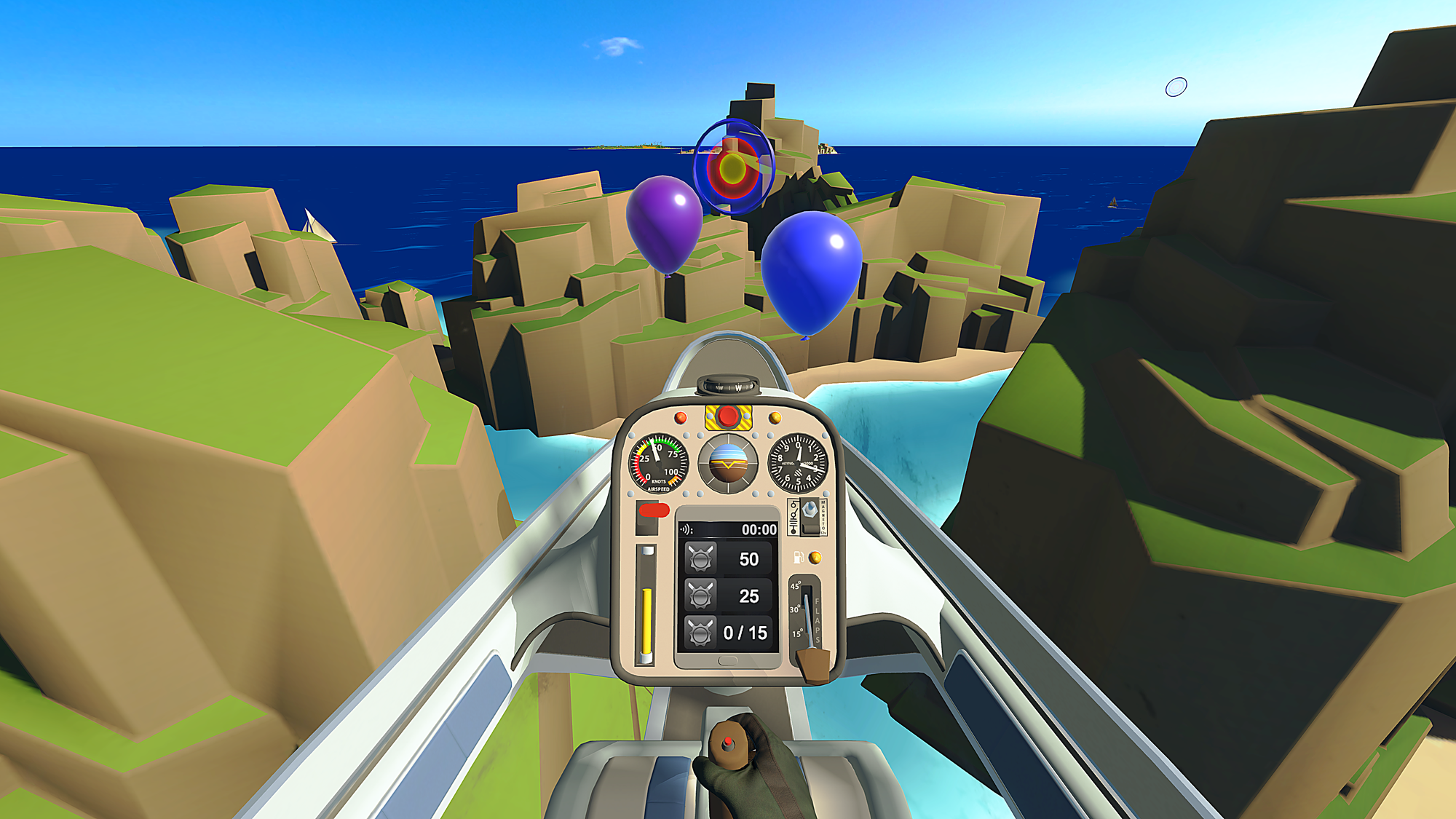
For Bit Planet Games, the strategy for 2027 and beyond is one of specialization. Stockman confirmed that the studio is already working on its next project, which may expand the Ultrawings universe in new ways. He rejected the idea of a standard "Ultrawings 3" unless there is a "fundamental reason" to return—one that goes beyond just new planes and maps.
As the VR industry enters a period of consolidation and refinement, Stockman’s journey serves as a blueprint for indie survival: technical innovation, platform flexibility, and a refusal to compromise on the core creative vision. For now, Bit Planet Games remains committed to the cockpit, betting that there is still a market for players who want to do more than just socialize in virtual spaces—they want to fly.