The Shadows of Pechorsk Deepen: Into the Radius 2 Sets Full 1.0 Release Date for Meta Quest 3 and 3S
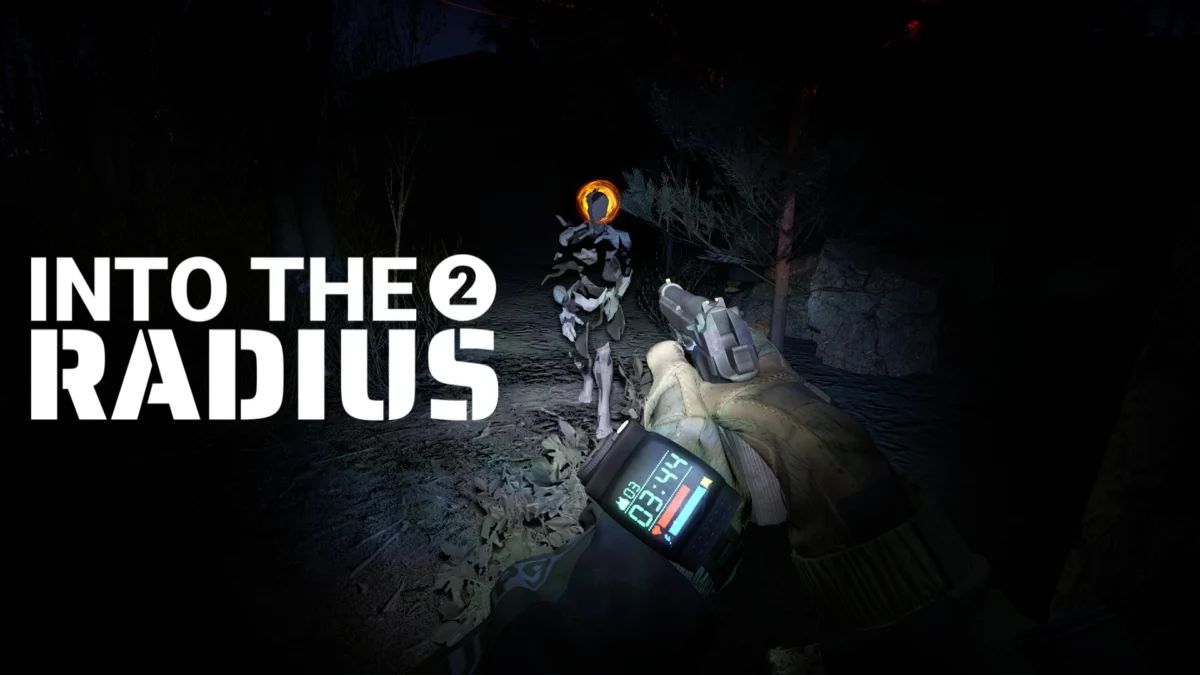
The landscape of virtual reality survival gaming is about to become significantly more desolate—and significantly more polished. Developer CM Immersive has officially announced that Into the Radius 2, the highly anticipated sequel to the cult-classic dystopian shooter, will exit Early Access and move to a full 1.0 release on the Meta Quest 3 and Quest 3S on August 27.
This announcement marks a pivotal moment for the franchise, transitioning from a specialized PCVR experience into a flagship title for Meta’s latest standalone hardware. Following a successful Early Access launch on the Quest platform in May 2025, the 1.0 update promises to deliver the "complete" vision of the Pechorsk Anomaly, bringing with it a narrative depth and mechanical complexity that fans have been clamoring for since the sequel was first teased.
Main Facts: A Comprehensive Overhaul for Standalone VR
The transition from Early Access to Version 1.0 is more than a mere label change; it represents a massive content injection designed to finalize the player experience. According to CM Immersive, the Quest 1.0 update will mirror the "Full Release" milestones recently achieved on the SteamVR version of the game.
Key features of the 1.0 release include:
- Complete Story Campaign: For the first time on Quest, players will be able to play through the entire narrative arc of Into the Radius 2, uncovering the mysteries of the Zone from start to finish.
- Fully Voice-Acted Characters: The narrative is driven by a cast of characters that bring a human element to the otherwise sterile and terrifying wasteland.
- New Geographical Zones: The playable map is expanding with new environments that challenge the player’s navigation skills and tactical planning.
- Advanced Anomaly Types: New supernatural hazards have been added, requiring players to utilize their detectors and wits in increasingly creative ways.
- Expanded Arsenal: A suite of new, highly detailed firearms and equipment will be available, maintaining the series’ reputation for realistic weapon handling and maintenance.
Perhaps most notably, the release is specifically optimized for the Meta Quest 3 and the recently released Quest 3S. By focusing on the latest generation of Qualcomm chipsets, CM Immersive aims to bridge the graphical gap between standalone VR and PC-tethered experiences, utilizing the increased processing power to handle the game’s complex physics and lighting systems.
Chronology: From Cult Hit to Genre Definitive
To understand the weight of the Into the Radius 2 launch, one must look at the timeline of the franchise’s development. The original Into the Radius was often described as "S.T.A.L.K.E.R. in VR." It gained a massive following for its uncompromising difficulty, eerie atmosphere, and "manual" mechanics—where every bullet had to be loaded into a magazine by hand, and every gun required regular cleaning to prevent jamming.
- May 2024: Into the Radius 2 enters Early Access on SteamVR, allowing PC players to test the foundational mechanics and the new co-operative multiplayer mode.
- May 2025: The game makes its debut on Meta Quest Early Access. This version was a "lite" experience, focusing on stability and core gameplay loops while the developers gathered data on standalone performance.
- Mid-2025: CM Immersive begins a series of rapid-fire updates on PC, testing narrative elements and NPC interactions.
- August 2025: The PC version exits Early Access, hitting Version 1.0. This release served as the "canary in the coal mine" for the Quest port, revealing both the strengths of the new content and significant friction points within the community.
- August 27, 2025: The scheduled full release for Meta Quest 3/3S, incorporating all PC-side fixes and narrative adjustments.
Supporting Data: The Technical and Community Landscape
The move to a 1.0 release is supported by a growing player base that has turned Into the Radius into a cornerstone of the VR survival-horror genre. On Steam, the sequel maintained a "Mostly Positive" rating throughout its Early Access period, though it faced the inevitable "sophomore slump" critiques common to sequels that try to innovate on a perfect formula.
One of the primary data points driving the 1.0 update is the shift in player demographics. While the original game was a PCVR darling, internal data from Meta suggests that the "survival-extraction" loop is one of the most popular genres on the Quest Store. By targeting the Quest 3 and 3S specifically, CM Immersive is leaning into a hardware base that supports higher-resolution textures and more stable frame rates—critical for a game where a single stutter during a firefight can mean losing hours of progress.
The 1.0 release also addresses the "loneliness factor." While the original was a strictly solo affair, Into the Radius 2 was built from the ground up with co-op in mind. The 1.0 update on Quest will ensure that the infrastructure for multi-player incursions is robust, allowing "Explorers" to team up and tackle the Zone’s most dangerous anomalies together.
Official Responses: Navigating the "NPC Controversy"
The road to 1.0 was not without its hurdles. Shortly before the PC release, CM Immersive faced a significant backlash from its core community regarding the tone of the game’s narrative delivery.
In a brief beta period preceding the full launch, the developers introduced two primary NPCs: Guide Lauri and Supervisor Eva. Unlike the cold, distant, and often cryptic communications of the first game, these characters were initially presented as chatty, somewhat optimistic, and highly present.
The Community Critique:
Players argued that the "cheery" nature of these NPCs destroyed the oppressive, isolated atmosphere that defined the brand. The Pechorsk Anomaly is supposed to be a place of existential dread; having a friendly voice constantly "chirping" in the player’s ear felt, to many, like a move toward a more "generic" action-adventure style.
The Developer Pivot:
CM Immersive demonstrated a level of community responsiveness rarely seen in the industry. Rather than doubling down on their creative vision, they issued a statement acknowledging that the "vibe check" had failed.
"We heard your feedback regarding the tone of our new characters," the developers noted in a community update. "The Zone is a place of solitude, and we realize we may have crowded that space too much."
In response, the developers significantly scaled back the presence of Lauri and Eva for the 1.0 release.
- Reduced Dialogue: Thousands of lines of "flavor text" and idle chatter were cut.
- Interface Changes: Supervisor Eva’s in-person appearances were largely replaced by voice memos and text logs on the player’s in-game tablet, restoring the sense of physical isolation.
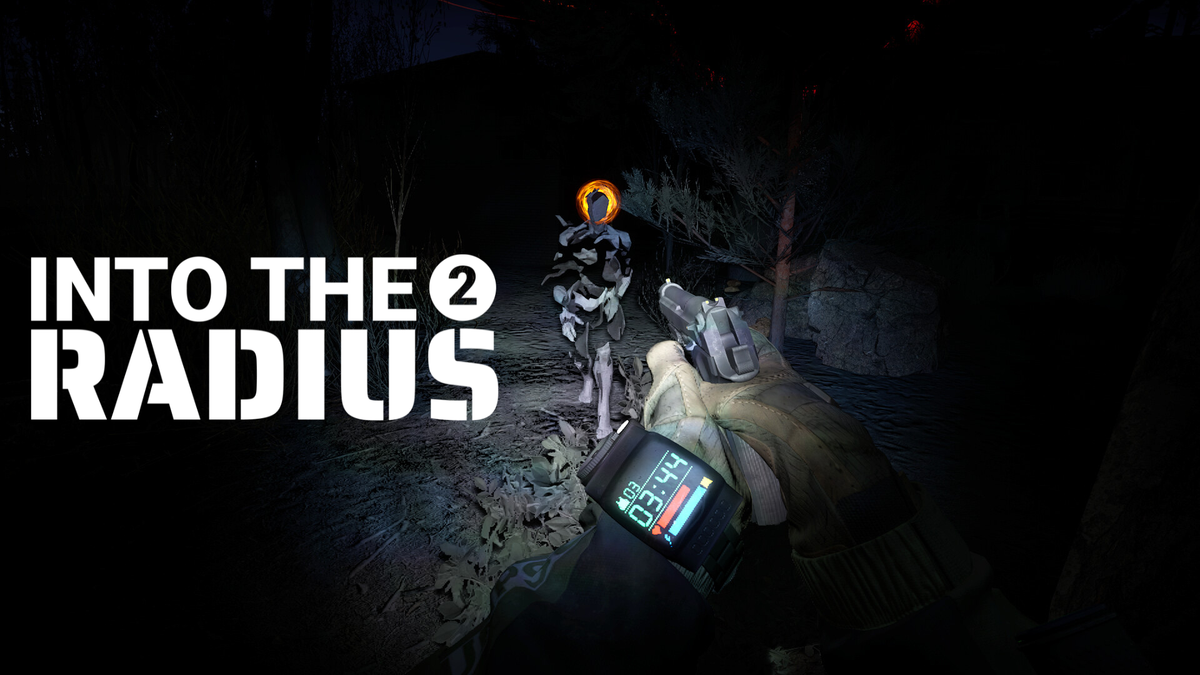
- Visual Deconstruction: Guide Lauri was transformed from a fully-rendered, "humanized" NPC into an interactable, ghostly white figure—a move that aligns more closely with the surreal, haunting aesthetic of the first game.
These changes, which were finalized in the Steam 1.0 release, are confirmed to be the baseline for the Quest 3/3S release on August 27.
Implications: The Future of High-End VR Gaming
The full release of Into the Radius 2 on Meta Quest 3/3S carries weight far beyond the success of a single title. It serves as a litmus test for the "Standalone-First" philosophy currently dominating the VR industry.
1. The "Quest 3-Only" Precedent:
By bypassing the older Quest 2 hardware, CM Immersive is signaling the end of an era. For years, VR developers were tethered to the aging specs of the Quest 2, often forced to "down-port" their games until they were shadows of their PC counterparts. Into the Radius 2 represents a new wave of games that prioritize the Quest 3’s power, potentially setting a standard for visual fidelity and mechanical complexity that the older hardware simply cannot sustain.
2. The Evolution of Environmental Storytelling:
The "NPC controversy" and its resolution highlight a growing sophistication in VR audiences. Players are no longer satisfied with traditional gaming tropes (like the "helpful guide" character) being transplanted into VR. They demand "atmospheric integrity." The success of Into the Radius 2 will likely influence how future VR titles approach narrative, favoring diegetic storytelling and environmental cues over intrusive UI and constant dialogue.
3. The Survival-Extraction Hegemony:
With the 1.0 release, Into the Radius 2 solidifies its position as the premier "hardcore" survival game on the Meta platform. As Meta looks to diversify its library beyond rhythm games and social apps, titles like ITR2 provide the "core gamer" appeal necessary to sell $500 headsets to the traditional gaming market.
Conclusion
When the clock strikes midnight on August 27, Explorers will step back into the Radius, but the world they find will be vastly different from the one they left in Early Access. With a complete story, refined NPC interactions that respect the game’s haunting roots, and the full power of the Quest 3 behind it, Into the Radius 2 is poised to be a definitive VR experience.
For CM Immersive, the 1.0 launch is not the end of the road, but a new beginning. As they look toward post-launch support and potential DLC, the focus remains clear: the Zone is a place of danger, mystery, and profound silence. And on August 27, that silence will be more immersive than ever before.