
The Creative Renaissance of Tomodachi Life: How Player Ingenuity is Overcoming Asset Limitations in Living The Dream
Introduction: The Paradox of Living The Dream
When Nintendo released Tomodachi Life: Living The Dream on April 16, 2026, it was met with a mixture of nostalgic fervor and critical scrutiny. As the long-awaited successor to the 2013 cult classic on the Nintendo 3DS, the title promised to modernize the "Mii-sim" genre with high-definition visuals, expanded personality matrices, and a new tropical island setting. However, as the initial "honeymoon phase" of the release concludes, a significant portion of the player base has identified a recurring grievance: a perceived lack of official decorative assets and furniture options compared to contemporary life simulators like Animal Crossing: New Horizons.
Despite these technical limitations, the Tomodachi community has not remained stagnant. Leveraging the game’s robust, albeit complex, in-game creation tools, players are bypassing official catalogs to craft their own environmental storytelling. This movement has transformed Living The Dream from a simple social simulator into a canvas for digital expression, where transparency layers, stamp tools, and lighting manipulation are used to "fix" the game’s missing features.

Chronology: From 3DS Legacy to 2026 Innovation
The journey to this creative peak began over a decade ago. The original Tomodachi Life was celebrated for its quirkiness but criticized for its rigid structure. When Living The Dream was announced in late 2025, expectations were set for a massive leap in customization.
- April 16, 2026: Tomodachi Life: Living The Dream launches globally. Early reviews praise the Mii interactions but note the "thin" furniture catalog.
- Late April 2026: The first "custom asset" communities form on platforms like X (formerly Twitter), TikTok, and Reddit. Players begin sharing QR codes for custom floor patterns that mimic 3D objects.
- May 1-10, 2026: The discovery of "lighting triggers" occurs. Players realize that placing certain custom transparent tiles over light sources creates environmental effects (such as glowing stars or neon signs).
- May 14, 2026: The community reaches a milestone in "functional design," with users creating simulated versions of missing legacy buildings, such as the Concert Hall, using clever spatial placement.
Supporting Data: The Ten Pillars of Community Customization
The current meta of Living The Dream revolves around ten specific design breakthroughs that have redefined how the island is perceived. These creations are not merely aesthetic; they represent a technical mastery of the game’s limited engine.

1. The Functional Stage: A Workaround for Missing Features
The most glaring omission in Living The Dream was the legacy Concert Hall. However, users like tacobocchi on TikTok discovered a procedural workaround. By placing custom "light tiles" with specific spacing, players can trigger Mii pathfinding that encourages them to stand and "perform" in designated areas. This effectively creates a player-made Concert Hall that utilizes the game’s existing singing mechanics in a new environment.
2. Custom Flora and the "Minecraft" Effect
While official seasonal updates for foliage are months away, players have utilized the pixel-art capabilities of the design tool to import 2D sprites. Designs by users such as eins_Jey have brought Minecraft-inspired flowers and The Legend of Zelda’s Silent Princess into the game. This demonstrates the community’s desire for cross-franchise integration that Nintendo has yet to officially provide.
3. Urban Depth via Skyscrapers
To combat the flat horizon of the tropical island, creators like GGalactigal have designed "Skyscraper" overlays. By utilizing vertical transparency, these designs create the illusion of a distant city skyline during cutscenes, providing a sense of scale that the base game lacks.
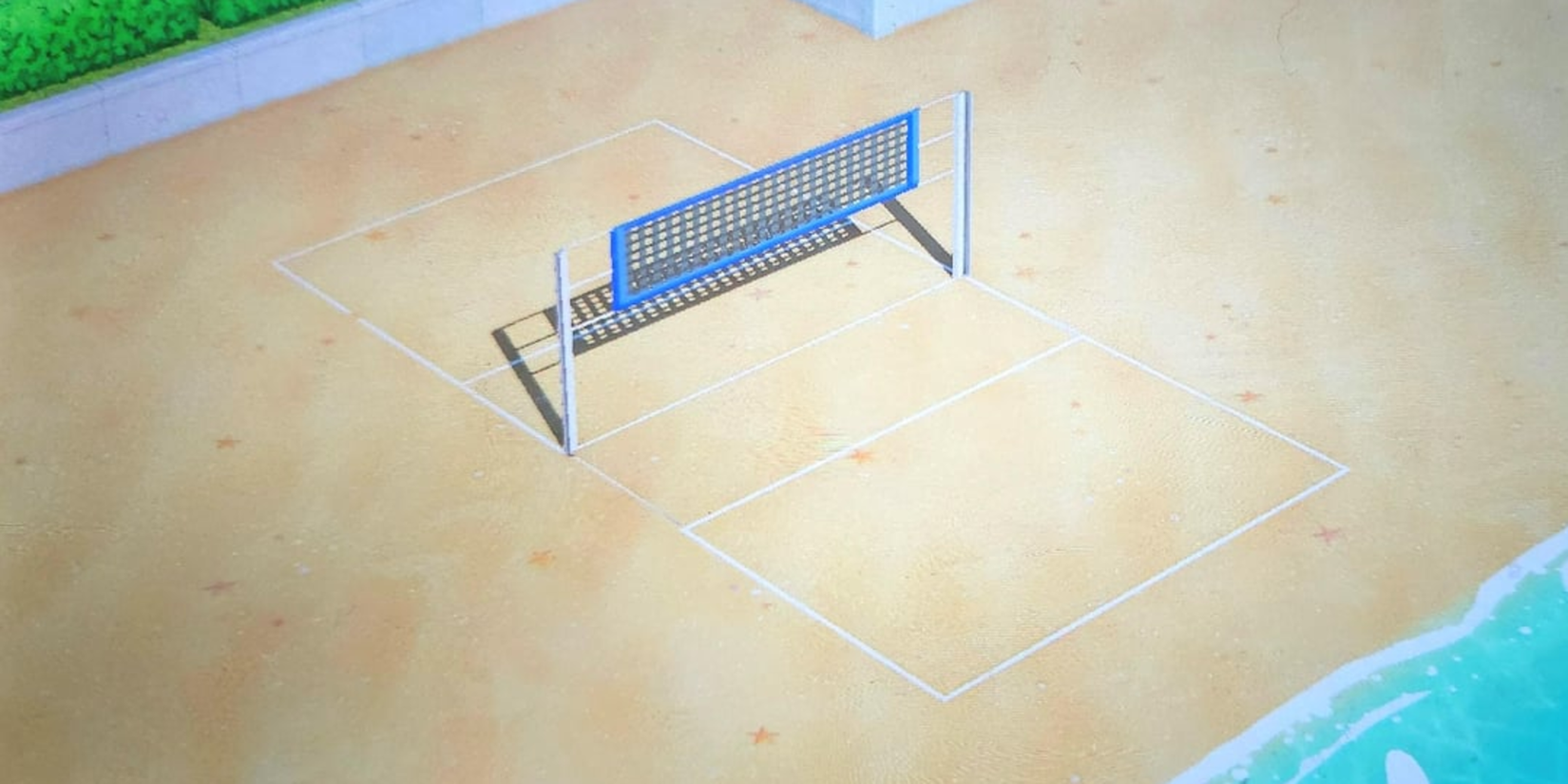
4. Coastal Interaction: The Volleyball Net
Social hubs are vital in Tomodachi Life. The "Volleyball Net" design, popularized by CrispyMiner, uses 2D layering to create a focal point on beaches. While Miis cannot technically "play" volleyball, the placement of these assets near interactive "hotspots" ensures Miis congregate around them, simulating a lively beach atmosphere.
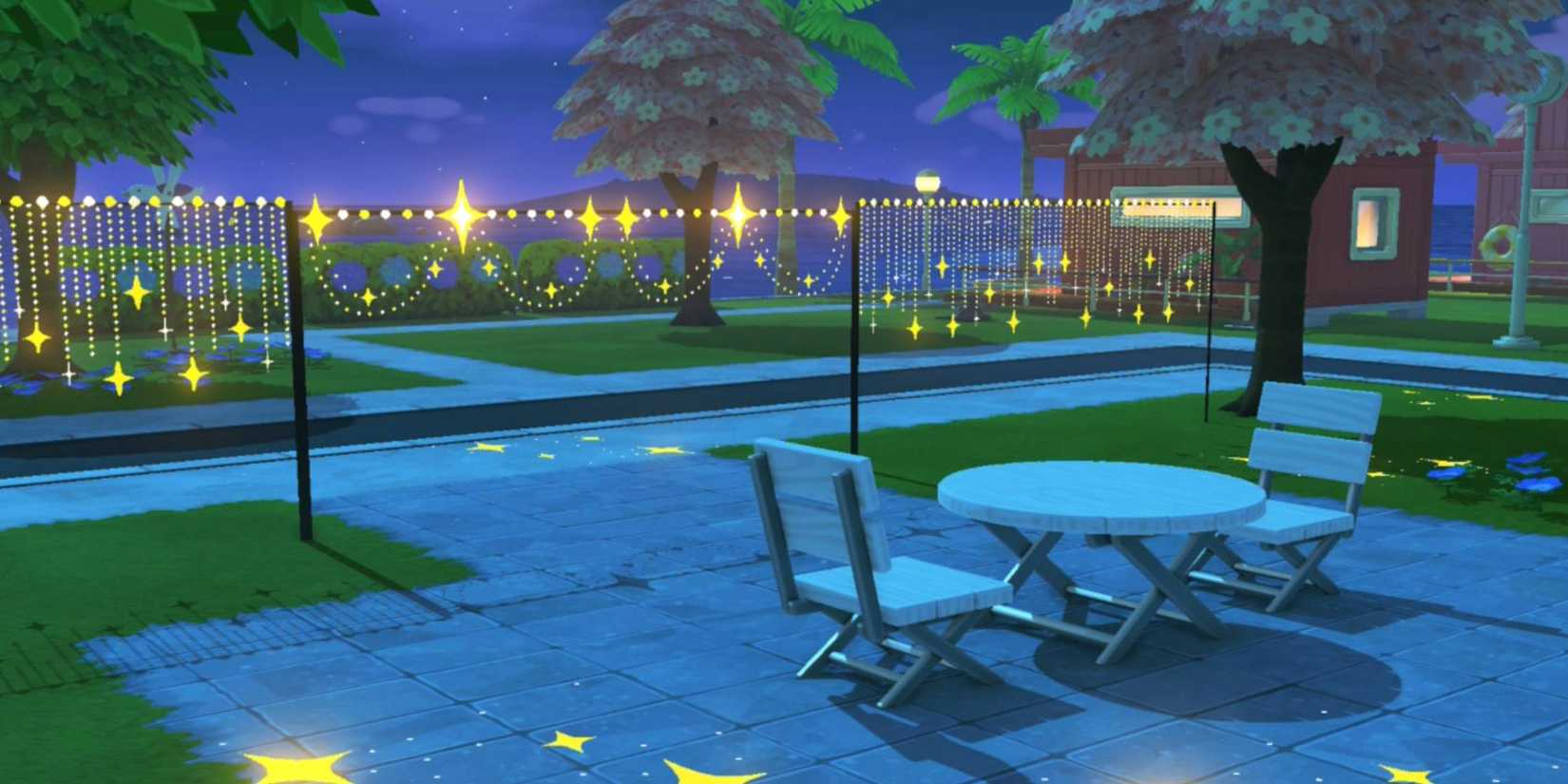
5. Whimsical Lighting: Fairy Lights
Lighting is a significant draw in the 2026 engine. Creators like KisahriVT have mastered "Fairy Light" patterns—strings of stars or bulbs that can be draped between custom poles. By setting these to a "night-only" glow, players have introduced a dynamic time-of-day element to their island’s aesthetic.
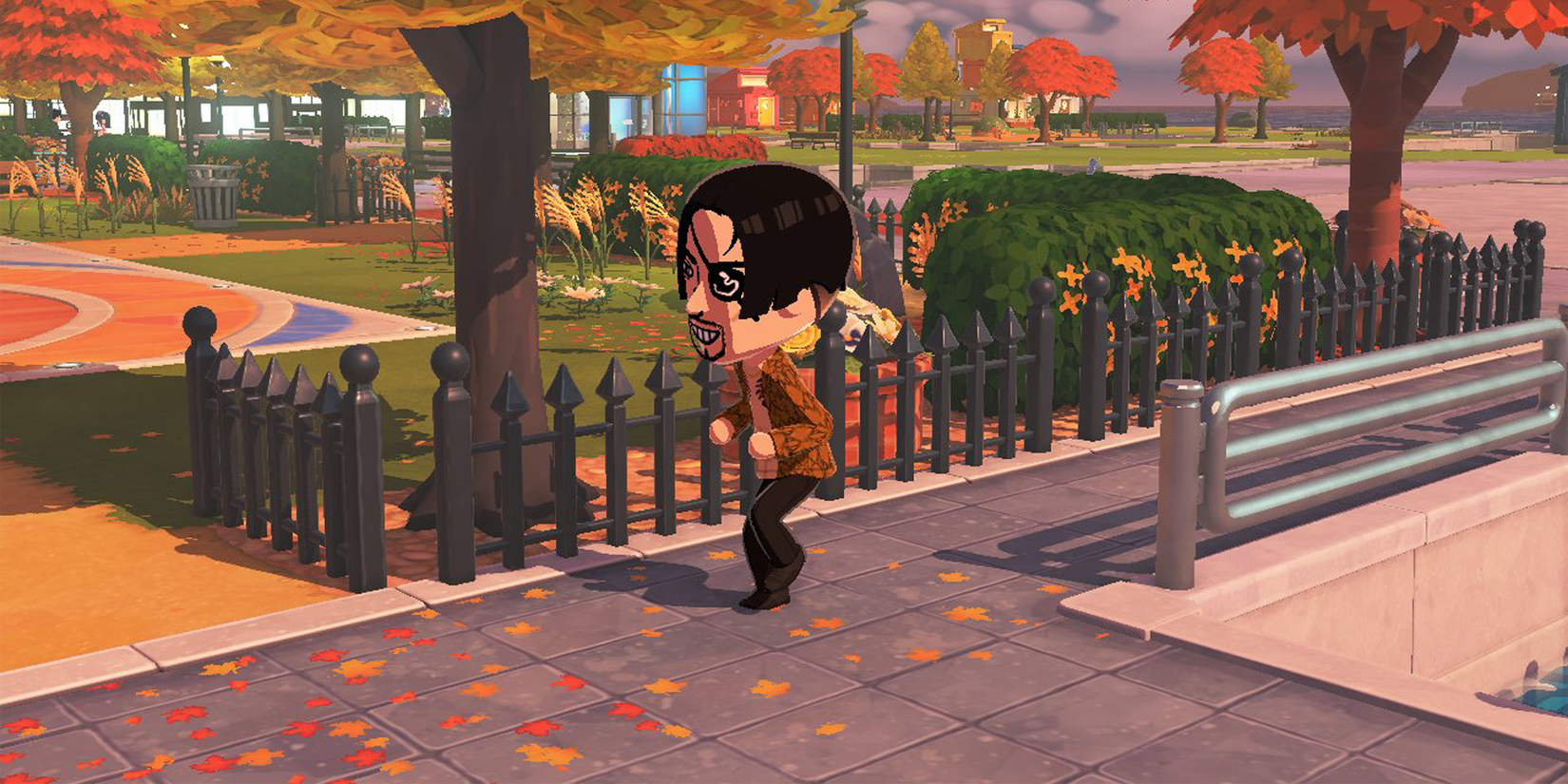
6. Environmental Realism: Fallen Leaves
The game’s default seasonal transitions have been described by some as "harsh." To soften this, user izamaji developed a tutorial for scattered leaf patterns. These use the "stamp" tool to create organic, non-repeating textures on grass and concrete, adding a layer of "lived-in" realism.
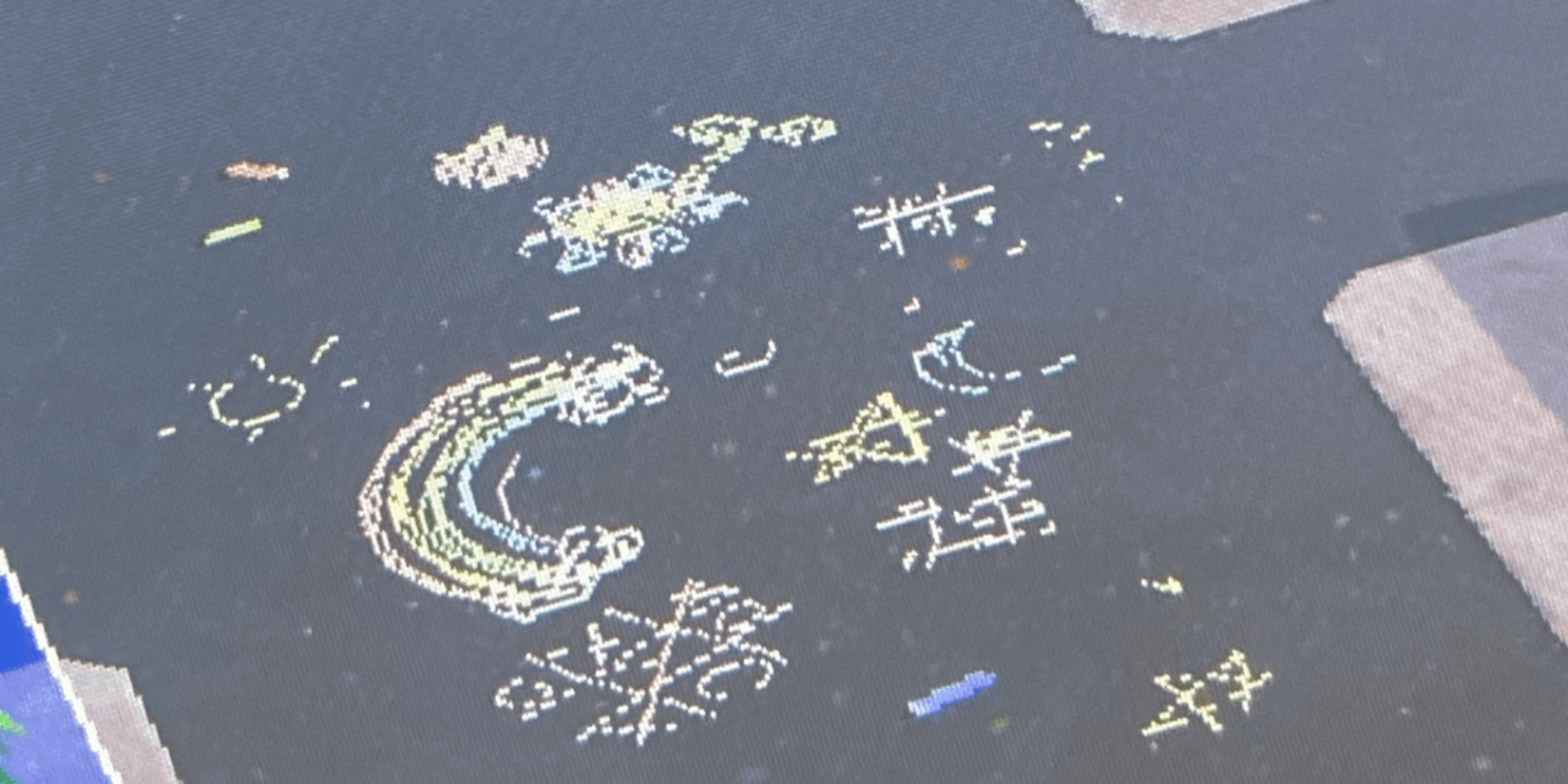
7. Urban Grittiness: Roadside Chalk
For players opting for a city-island aesthetic, the default asphalt roads can appear sterile. The "Chalk Drawing" trend, spearheaded by Son_of_Overmorrow, utilizes thin brush strokes and high-contrast colors to simulate the presence of children or artistic Miis, adding personality to the island’s infrastructure.
8. Romantic Spot-Welding: Custom Picnic Areas
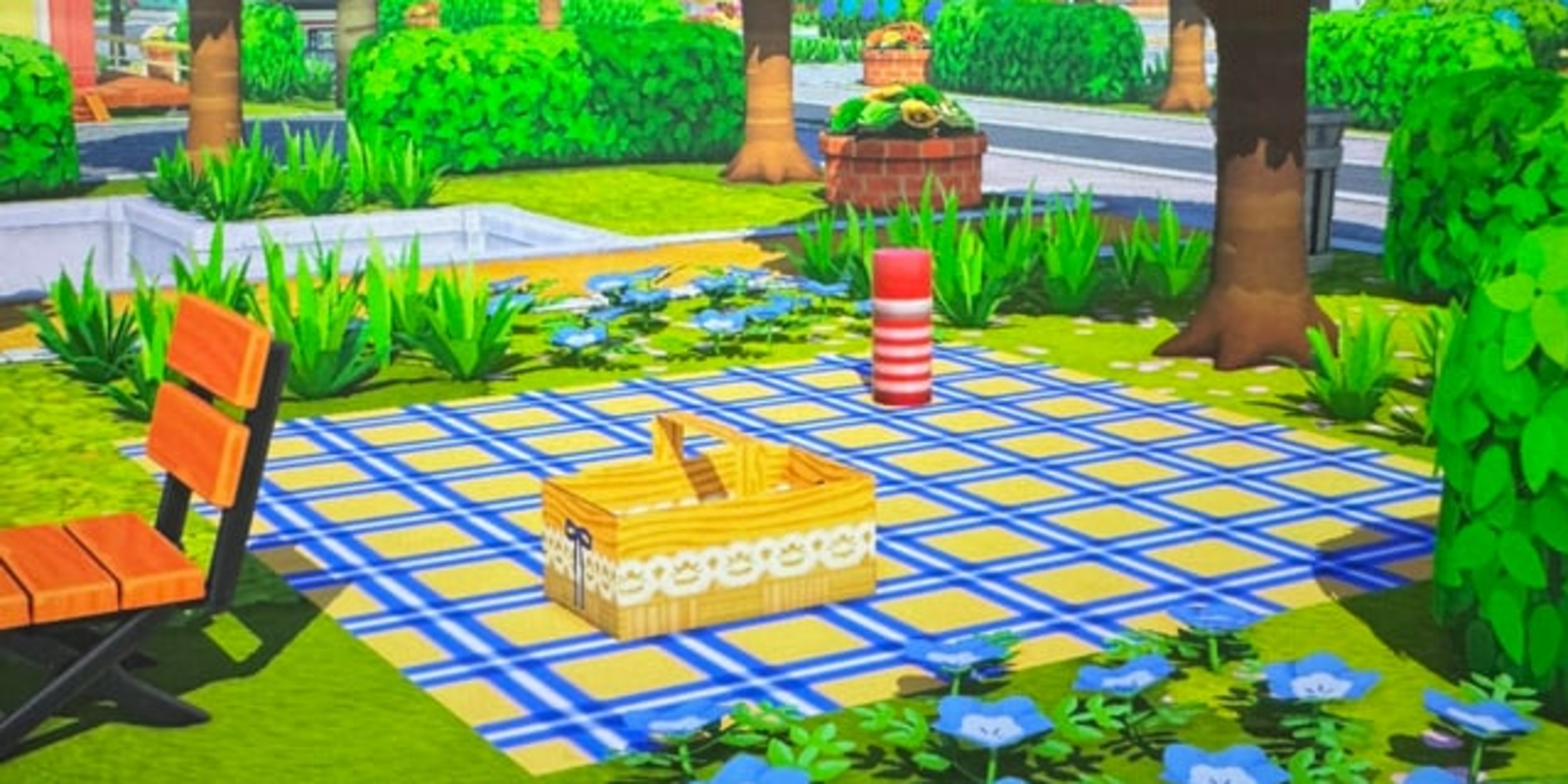
The game’s romance mechanics are a core pillar. User Siisora recreated the 3DS version’s picnic blanket, providing a 2×4 block of "confession space." This allows players to dictate where their Miis’ romantic milestones occur, rather than relying on the game’s randomized locations.
9. Narrative Sand Writing
Using darker shading on transparent backgrounds, creators like eins_jeyling have introduced "Sand Writing." This allows for temporary environmental storytelling—such as Miis’ initials inside hearts—which mimics real-world beach behavior and enhances the emotional weight of Mii relationships.
10. Nighttime Navigation: Star Pathways
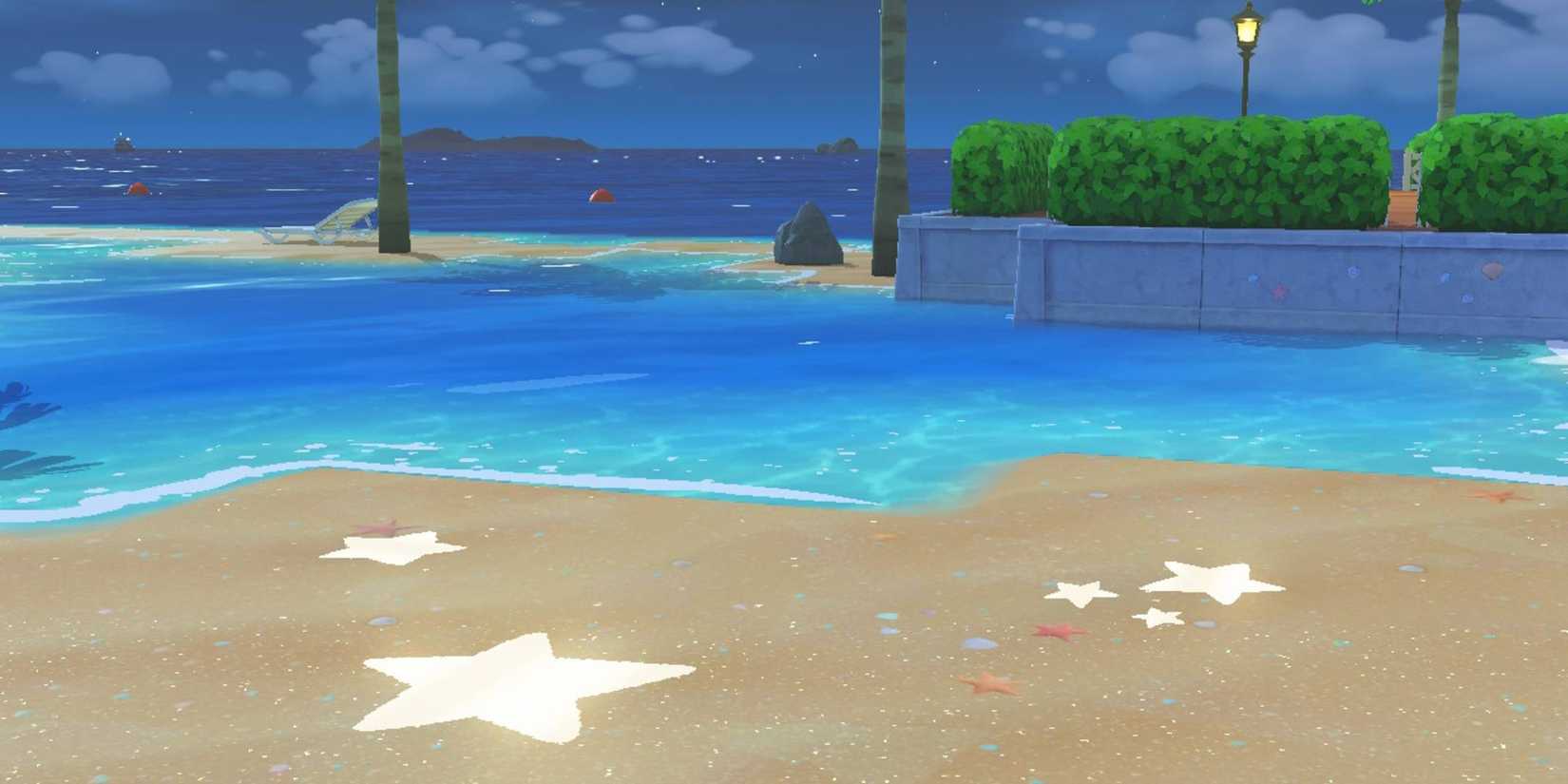
Finally, the "Star Pathway" created by poxamarquinhos addresses the game’s lack of outdoor light sources. These designs disappear during the day but provide a glowing guide for Miis at night, utilizing the game’s glow-in-the-dark color palette to its full potential.
Official Responses and Technical Context
Nintendo’s official stance on user-generated content (UGC) in Tomodachi Life has historically been one of "passive encouragement." While the company has not issued a formal statement regarding the specific "Living The Dream" community hacks, recent patch notes for Version 1.0.4 included "stability improvements for custom pattern rendering."
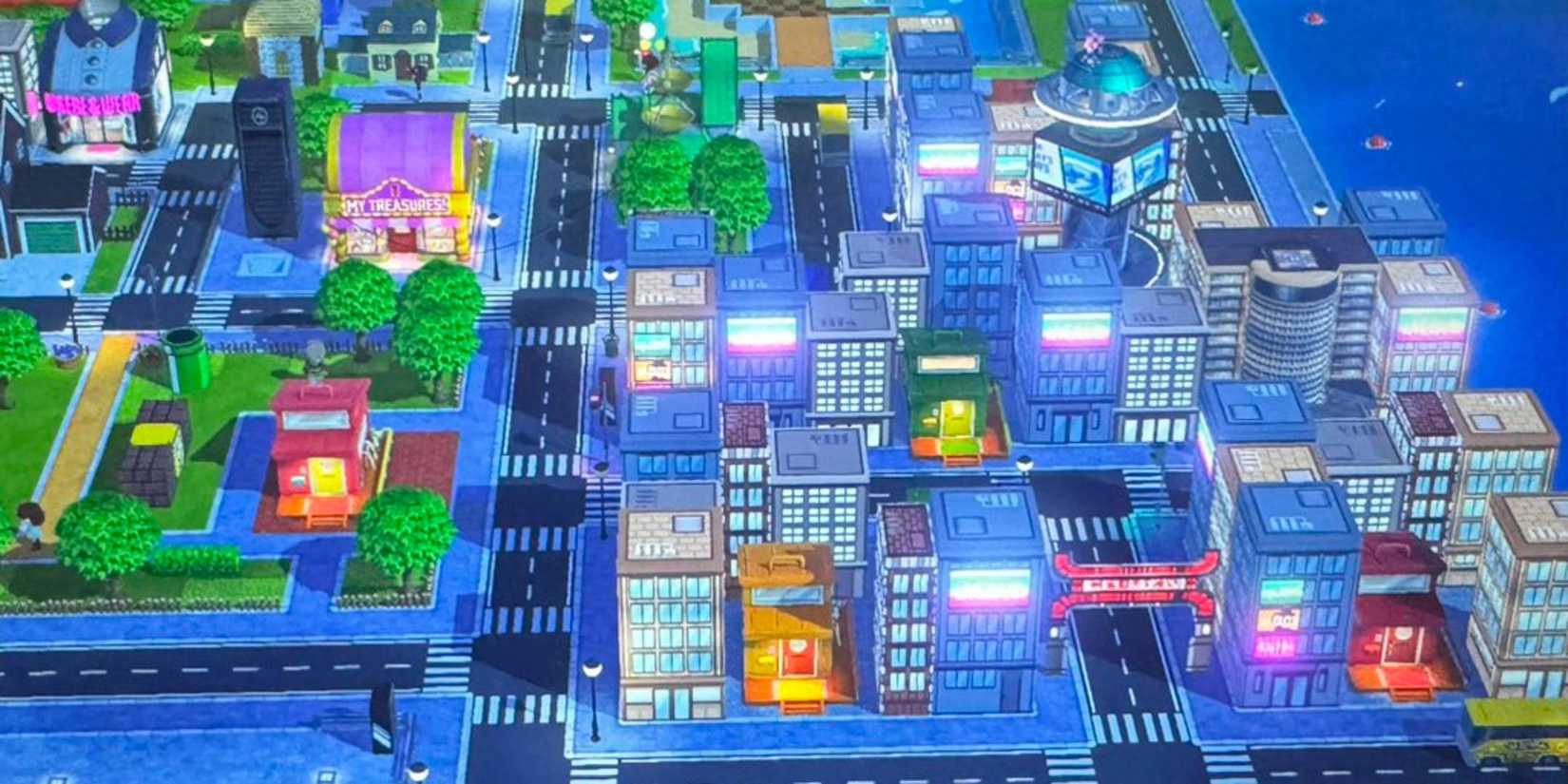
Industry analysts suggest that Nintendo is closely monitoring these trends. Historically, features that become popular via player workarounds in titles like Animal Crossing or Super Mario Maker are eventually codified into official DLC or sequels. The "Functional Stage" hack, in particular, has sparked rumors among dataminers that a "Concert Hall Update" may be in development to officially support the community’s demand for musical performance features.
Implications: The Future of User-Driven Life Sims

The ingenuity displayed in Tomodachi Life: Living The Dream carries broader implications for the gaming industry. It highlights a shift in player expectations; modern audiences no longer view "limited" assets as a barrier, but rather as a challenge.
- The Longevity of the "Sharing Economy": The reliance on QR codes and community apps (such as the Tomodachi Sharing Hub) ensures that the game remains relevant long after the base content is exhausted. This decentralized content creation reduces the pressure on developers to provide constant updates.
- The Demand for Transparency Tools: The success of these designs relies heavily on the "Alpha Channel" (transparency) in the design tool. This suggests that future life simulators must prioritize advanced layering tools over a high volume of static furniture.
- Emotional Investment: When a player "builds" a concert hall or a picnic area for their Miis, their emotional investment in those characters increases. This "Ikea Effect"—where consumers value products more if they helped create them—is a powerful retention tool for the Tomodachi franchise.
Conclusion

Tomodachi Life: Living The Dream may have launched with a conservative asset library, but its community has proven that the "Dream" is what the players make of it. Through a combination of technical exploitation and artistic vision, the players have transformed a limited social sim into a vibrant, glowing, and functional world. As we move further into 2026, the line between "official content" and "community creation" continues to blur, cementing Living The Dream as a landmark title in user-driven digital storytelling.




Leave a Comment