The Meat of the Matter: How H3VR2 Defies Industry Trends to Define Premium VR in 2026
The landscape of virtual reality in 2026 is a far cry from the experimental "Wild West" of a decade ago. The industry has matured into a bifurcated market: on one side, massive, free-to-play social sandboxes designed to capture the attention spans of the TikTok generation; on the other, high-fidelity corporate ventures backed by the deep pockets of Meta and Sony. Into this crowded arena steps Hot Dogs, Horseshoes & Hand Grenades 2 (H3VR2), a sequel that not only embraces its predecessor’s eccentricities but doubles down on them with a "premium" price tag and a refusal to compromise its vision.
Developed by Rust Ltd. and published by Creature, H3VR2 arrives as a bold statement. At $39.99—twice the price of the original—it challenges the prevailing notion that standalone VR games must be cheap or free to survive. For the right player, however, this title justifies every cent of its asking price, offering a level of polish and mechanical depth that is increasingly rare in the contemporary VR ecosystem.
I. Main Facts: A New Benchmark for Standalone VR
Released on November 12, 2026, Hot Dogs, Horseshoes & Hand Grenades 2 is currently a Quest 3 exclusive, with a PC VR release slated for 2027. The game serves as both a spiritual successor and a mechanical evolution of the original H3VR, which famously spent a decade in Early Access.
Key Specifications:
- Developer: Rust Ltd.
- Publisher: Creature
- Platform: Quest 3 (Standalone)
- Price: $39.99
- Genre: Extraction Shooter / Physics Sandbox
- Rating: 4.5 / 5 Stars
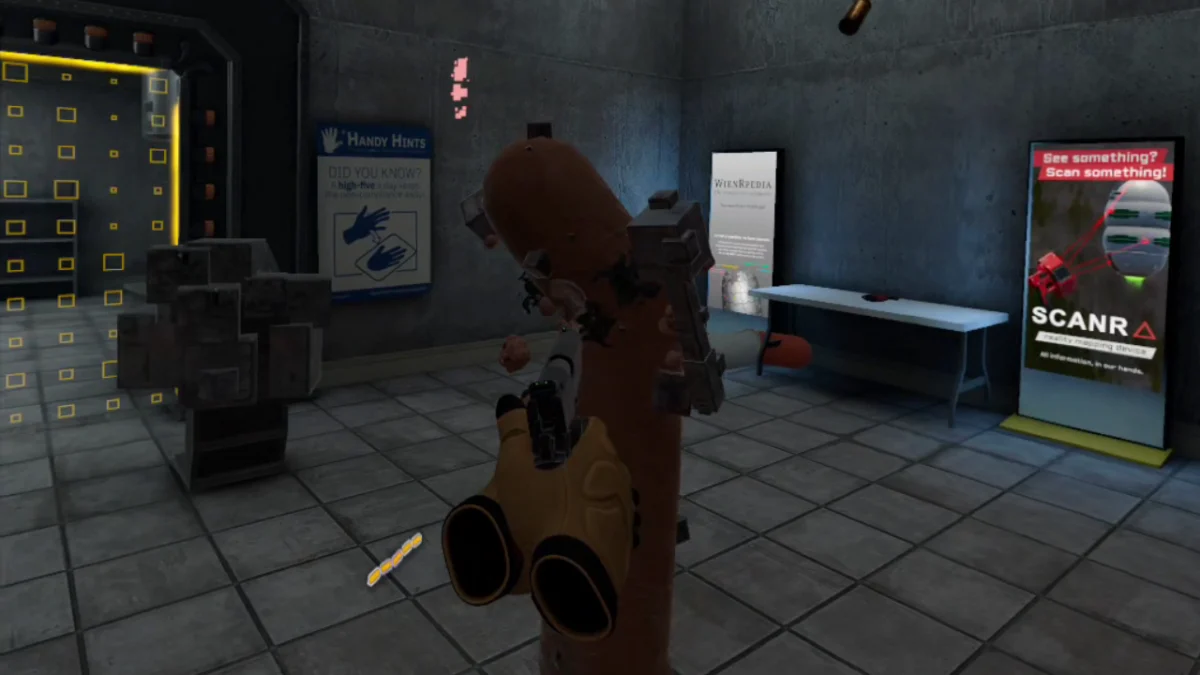
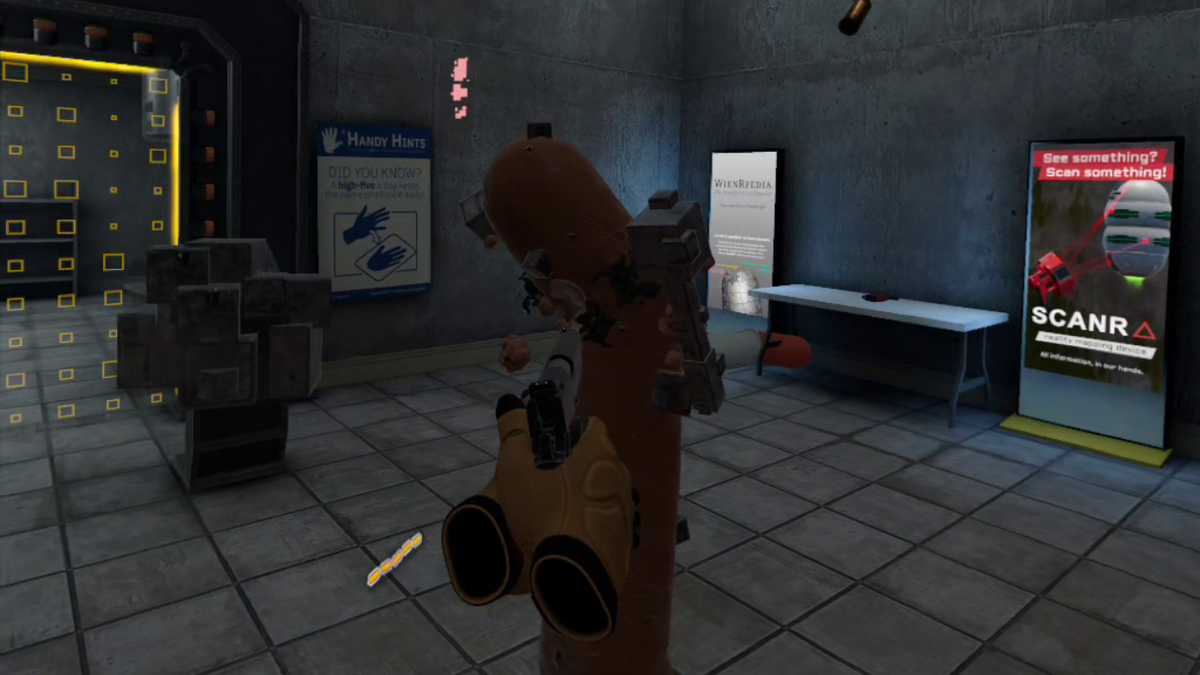
Unlike many titles that launch in a "beta" state, H3VR2 arrived on the Meta Store as a finished, highly polished product. It features "The Facility," a procedurally generated extraction shooter mode, alongside a suite of sandbox ranges and playgrounds. While the core gameplay revolves around sentient sausages (Sosigs) and satirical corporate environments, the underlying ballistics and weapon handling systems are arguably the most sophisticated ever seen in a consumer VR product.
II. Chronology: From Experimental Fetus to Mature Sequel
To understand the significance of H3VR2, one must look back at the ten-year journey of its predecessor. The original H3VR launched in 2016, a time when VR was in its "fetal form." Developers like Anton Hand of Rust Ltd. were not building for a mass market; they were exploring the boundaries of a new medium.
2016–2025: The Long Road of Early Access
For ten years, the original H3VR served as a living laboratory for VR interaction. With over a hundred updates, it became the gold standard for weapon simulation. However, as the VR market shifted toward standalone headsets and younger demographics, the "old school" philosophy of Rust Ltd.—focused on complexity and simulation over accessibility—began to feel like a relic of a bygone era.
2026: The Sequel’s Arrival
The transition to H3VR2 marks a pivotal shift. While the first game was a collection of experiments, the sequel is a cohesive experience built around a primary gameplay loop: the extraction shooter. By moving to the Quest 3, Rust Ltd. is targeting the largest possible VR audience while maintaining the uncompromising technical standards that defined their early years.
III. Supporting Data: The Mechanics of "Sentient Meat"
The brilliance of H3VR2 lies in its jarring juxtaposition. It is a game where you play as a "Sosig"—a sentient hot dog—working within a satirical corporate facility, yet the gun mechanics are treated with the solemnity of a high-end flight simulator.
Unrivaled Ballistic Fidelity
In most modern VR shooters, such as Payday: Aces High or Stuffed: Two Foot Hero, the game assists the player. Magazines "snap" into place, and empty mags often disappear into the ether. H3VR2 rejects these quality-of-life shortcuts.
- Manual Reloading: Players must physically eject a magazine, stow it if they wish to refill it at a station, and precisely align a new magazine with the weapon’s well.
- Physics-Based Interaction: If a magazine hits the edge of a mag-well, the weapon and the player’s hand will twist and torque realistically.
- No Hand-Holding: There are no "blips" or UI prompts to assist in high-pressure situations. You must learn the manual of arms for every individual firearm.
The Facility: A Procedural Challenge
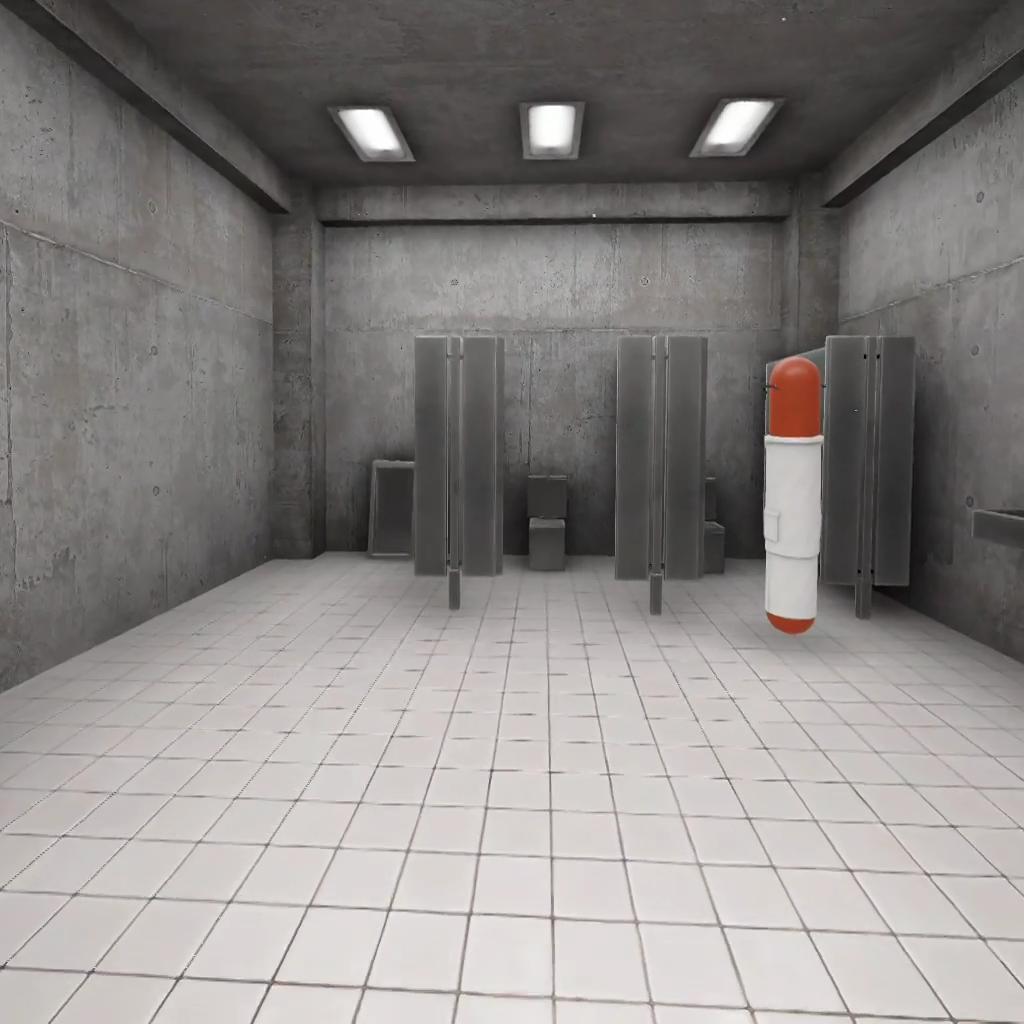
"The Facility" replaces the original game’s "Take and Hold" as the primary mode. As an extraction shooter, it generates unique layouts for every run, populated by "Sosig" guards and hazardous environmental traps like spinning blades. Data from early reviews suggests a steep learning curve; players accustomed to casual shooters often find themselves dying within minutes until they master the intricate reloading mechanics.
Performance and Polish
In an era where VR launches are frequently marred by bugs, H3VR2 stands out as a "veritable unicorn." Testing on the Quest 3 revealed zero performance hitches or major bugs. While the textures are optimized for standalone hardware, the artistic direction—a mix of corporate satire and "dad joke" humor—ensures the game looks intentional and professional rather than limited by hardware.
IV. Official Responses: The Philosophy of Anton Hand
While Rust Ltd. has not released a formal corporate "press kit" in the traditional sense, the game itself—and the public communications from lead developer Anton Hand—reveal a defiant design philosophy.
Hand has historically been vocal about the "entitlement" of platforms and players who demand that VR games conform to specific market trends. H3VR2 is a direct response to the "TikTok-ification" of VR. By charging $39.99, Rust Ltd. is signaling that their work has intrinsic value that doesn’t rely on microtransactions or "battle pass" psychology.
The "Live Service" Promise
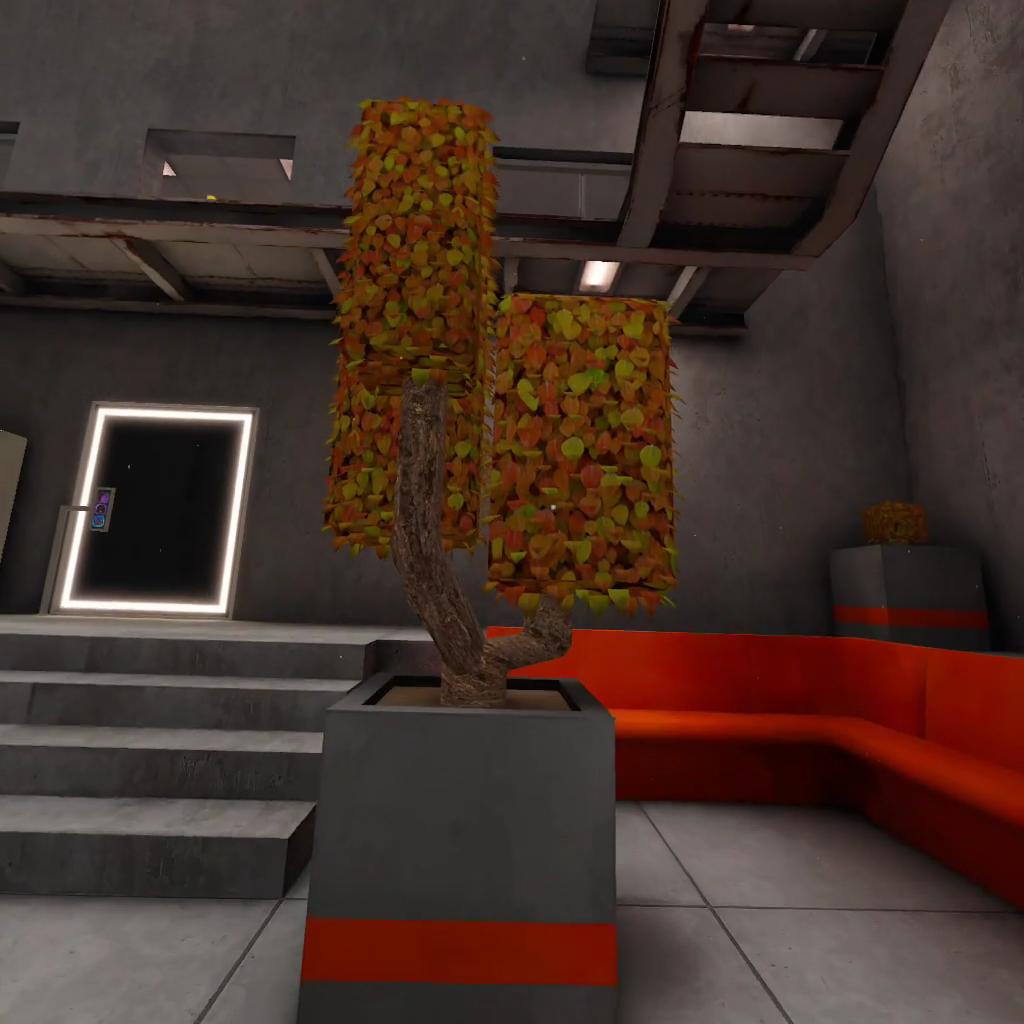
The main hub of H3VR2 features a giant "Under Construction" sign, a transparent nod to the developer’s intent to treat the game as a living project. Hand has promised a steady stream of both free and paid content. Unlike other "Live Service" games that feel empty at launch, H3VR2 provides a complete experience from Day 1, with future updates intended to expand the sandbox rather than fix a broken product.
V. Implications: The Future of the "Premium" VR Market
The success or failure of H3VR2 will likely serve as a bellwether for the "Premium" VR market on standalone headsets.
A Shift in Demographics
If H3VR2 finds traction, it proves that there is a significant audience of "prosumer" VR players on the Quest platform who are willing to pay for depth and polish. It challenges the dominance of free-to-play titles and suggests that the VR audience is maturing beyond simple social experiences.
The "Simulation" Niche
The game also reinforces the importance of "niche" development. By focusing on a specific, high-fidelity gun simulation, Rust Ltd. has created a "moat" around their product. No other developer is currently willing to put this much effort into the minutiae of weapon physics, making H3VR2 the only choice for players who value realism—even if that realism is applied to a world of sentient hot dogs.
Accessibility vs. Depth
Finally, H3VR2 raises questions about accessibility in VR. With a comprehensive "Comfort" menu—including stick-based locomotion, teleport options, motion vignettes, and telekinetic grabbing for seated players—the game is physically accessible. However, its mechanical difficulty remains high. This suggests a future where VR games can be inclusive of physical needs while still being "hardcore" in their gameplay requirements.
Conclusion: A Masterclass in Identity
Hot Dogs, Horseshoes & Hand Grenades 2 is a rare sequel that understands exactly what it is. It is a satirical, irreverent, and technically masterful shooter that refuses to "play it safe." By coupling a high standard of execution with a unique creative voice, Rust Ltd. has delivered a title that is not just a game, but a statement of intent for the future of the medium. For those who value precision and personality over ease and price, H3VR2 is the definitive VR experience of 2026.