
The Architecture of Presence: How Marc Zimmermann is Redefining VR through Atmospheric Immersion
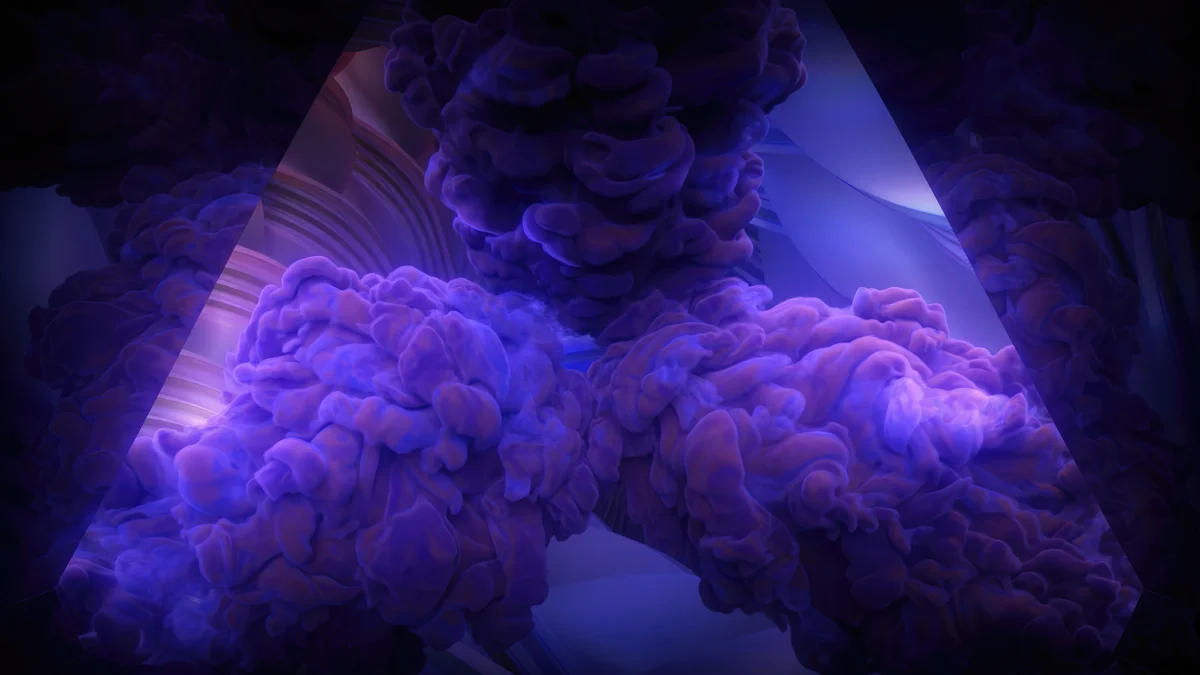
In an industry often dominated by the frantic energy of rhythm games and the tactical intensity of first-person shooters, German creator Marc Zimmermann is carving out a different kind of digital space. For Zimmermann, the true potential of Virtual Reality (VR) lies not in the complexity of its mechanics, but in the depth of its atmosphere. His body of work—spanning nearly a decade of experimentation—suggests that the most profound VR experiences are those that allow us to simply be somewhere else.
Through his landmark projects like the award-winning short film Conscious Existence and his latest highly customizable platform, Realms of Flow, Zimmermann has pioneered a philosophy of "emotional immersion." This approach prioritizes mood, movement, and spatial audio over traditional gameplay, challenging the industry’s assumption that interactivity is the primary driver of value in virtual spaces.
Main Facts: The Philosophy of Non-Interactive Immersion
Marc Zimmermann’s work stands at the intersection of immersive filmmaking and environmental artistry. While many developers focus on "agency"—the ability of the player to affect the world—Zimmermann focuses on "presence"—the psychological state of feeling truly situated within an environment.
His latest project, Realms of Flow, is the culmination of this vision. Available on Meta Quest and Steam, it is an immersive experience built around meditation, controlled breathing, and surreal environmental design. However, calling it a "meditation app" would be a reductive assessment. It is, instead, a sophisticated tool for sensory modulation.
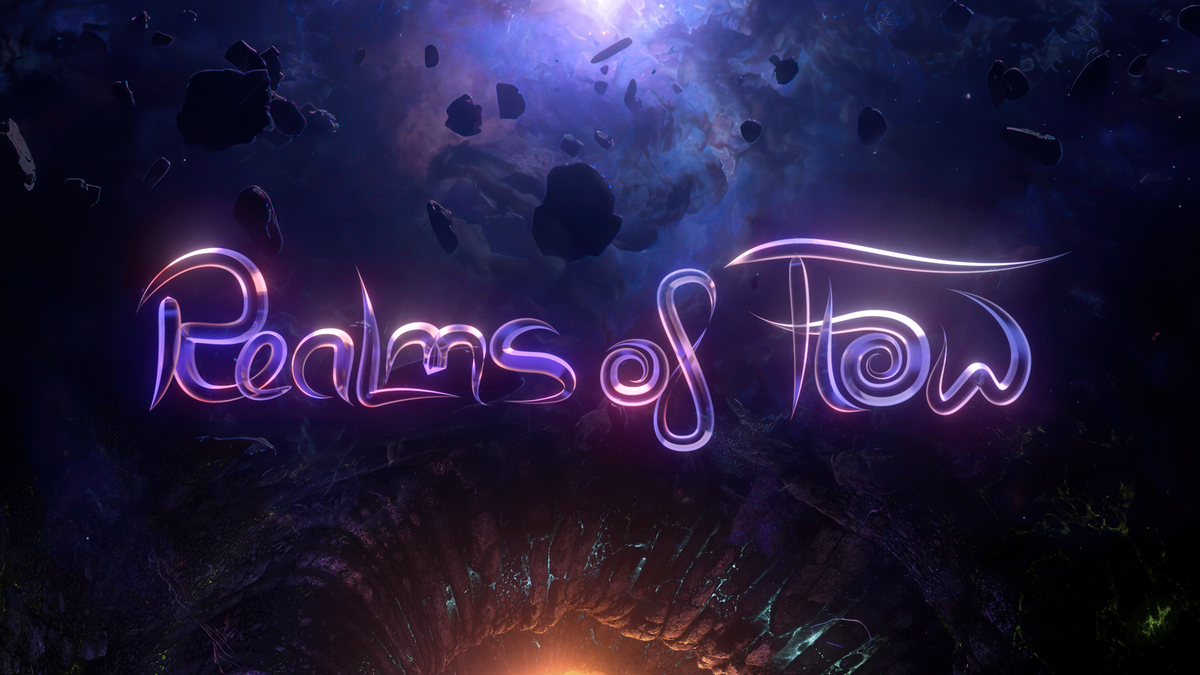
Key components of Zimmermann’s design philosophy include:
- Environmental Storytelling: Using landscapes and lighting to evoke specific emotional responses rather than using dialogue or traditional narrative structures.
- Sensory Synchronization: Integrating breathing exercises and humming (toning) with visual and auditory cues to ground the user in their physical body while their mind explores a virtual space.
- Technical Optimization for Clarity: Utilizing 180-degree stereoscopic video and strategic lighting to achieve visual fidelity that often surpasses high-budget real-time rendered games on standalone hardware.
Chronology: From VFX Artist to VR Visionary
The evolution of Zimmermann’s work reflects the broader history of the VR medium itself, moving from experimental curiosity to a refined tool for wellness and art.
The Formative Years (2010–2014)
Zimmermann’s journey began at the prestigious Film Academy Baden-Württemberg in Germany. Studying animation and visual effects (VFX), he was initially inspired by the "epic landscapes" of cinema, such as the matte paintings and digital environments found in The Lord of the Rings. His goal was to create spaces that could tell a story without words.
His first encounter with VR came via an Oculus DK1 (Development Kit 1) in the school’s research department. This encounter was transformative, shifting his focus from the "flat" screen to the "spherical" world.
The Early Experiments (2016–2017)
In 2016, Zimmermann released Longing for Wilderness. This three-minute 360-degree experience was a proof-of-concept for his atmospheric goals, transitioning the viewer from a claustrophobic, noisy urban environment into a serene natural landscape. It proved that VR could be used as a psychological "reset" button.
The Breakthrough: Conscious Existence (2018)
Building on the lessons of his early shorts, Zimmermann released Conscious Existence. This stereoscopic VR film became a staple of the "Experience" category in VR storefronts. Despite its lack of traditional interactivity, it won numerous awards and became a favorite for users looking to showcase the emotional power of the medium to newcomers. It utilized a child’s narration and sweeping, cosmic imagery to evoke a sense of wonder and gratitude for life.
The Pivot: From DeepStates to Realms of Flow (2020–2024)
Following the success of his films, Zimmermann attempted to build a real-time interactive project in Unreal Engine called DeepStates. However, he found that the technical overhead of real-time optimization—managing polygons, lighting builds, and frame rates—consumed 80% of his time, leaving only 20% for the actual art and sound design.
Realizing that "more interaction" was actually diluting the "dense atmosphere" he sought to create, he shifted focus. This led to the development of Realms of Flow, which moved back toward high-quality pre-rendered or hybrid video environments, allowing for unprecedented visual detail on mobile chipsets like the Quest 2 and 3.
Supporting Data: The Technical Art of Immersion
Zimmermann’s work is highly regarded not just for its beauty, but for its technical ingenuity. Achieving high-fidelity visuals on standalone VR headsets requires a deep understanding of hardware limitations.
180° vs. 360° Stereoscopy
One of Zimmermann’s most deliberate technical choices is the use of 180-degree stereoscopic presentation. While 360-degree video allows the user to look everywhere, it often results in lower perceived resolution because the available pixels are stretched across a full sphere. By focusing on the 180-degree field in front of the user, Zimmermann can double the pixel density, providing a much sharper image that enhances the feeling of "being there."
Bitrate Management and Contrast
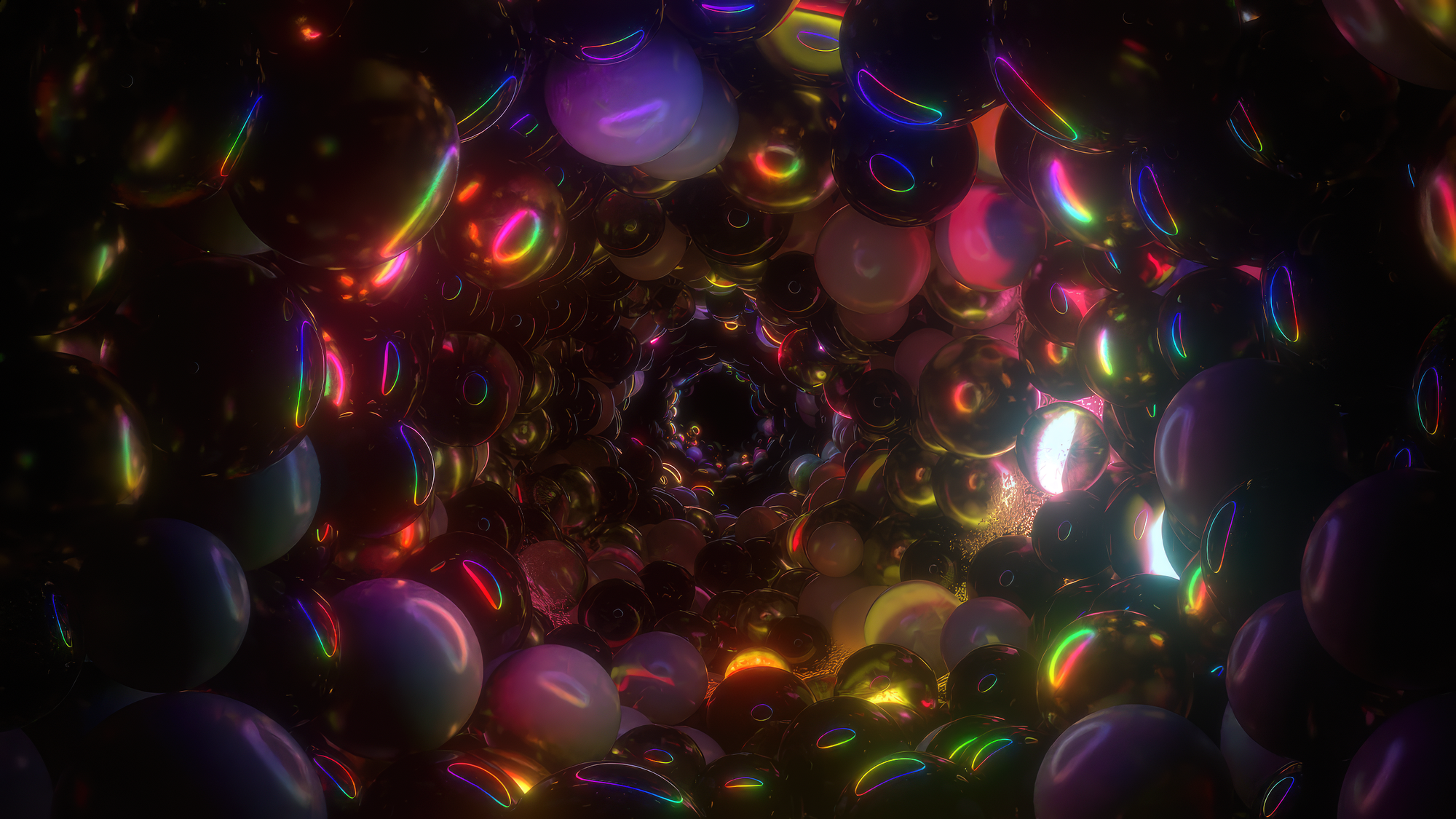
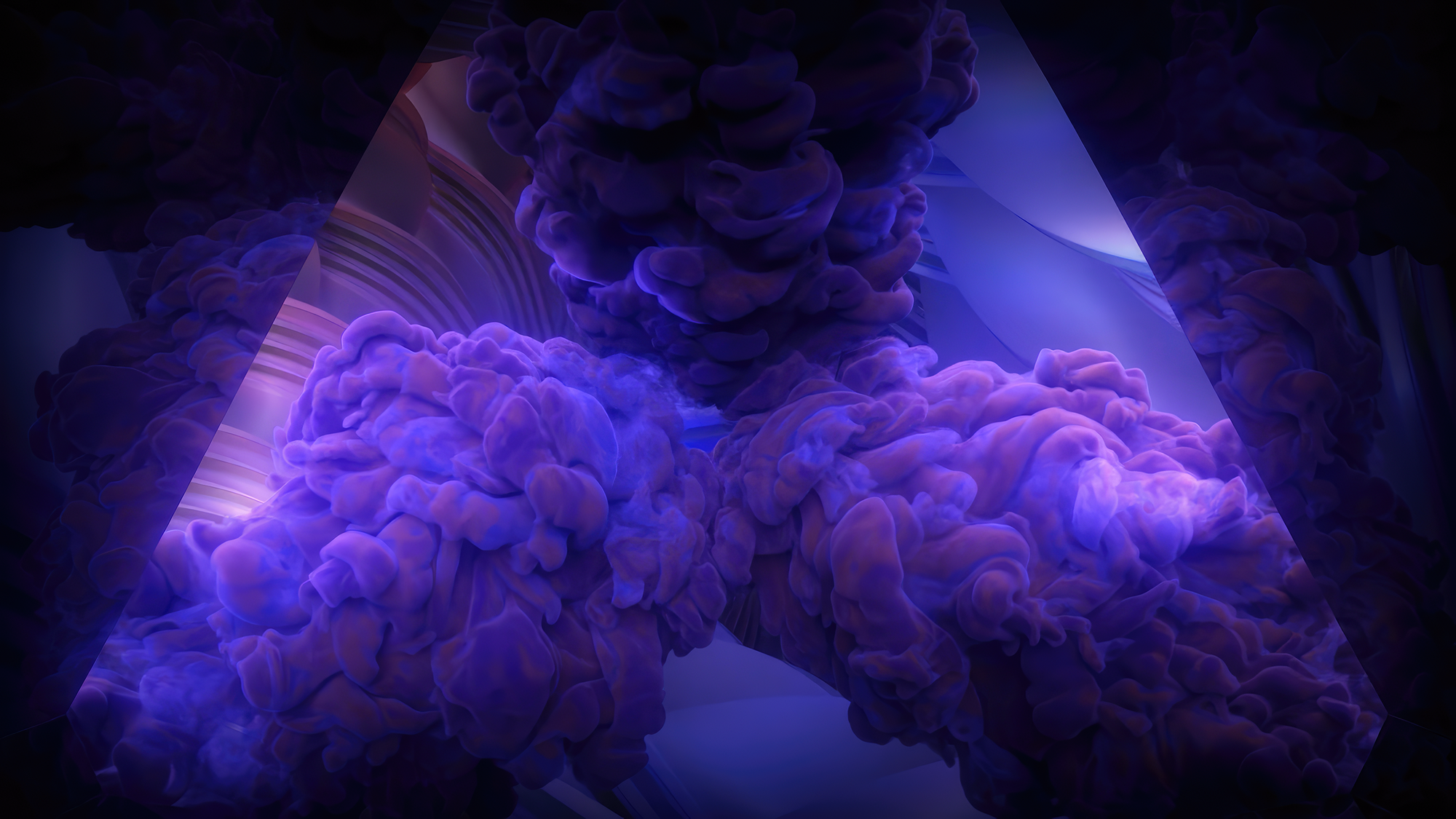
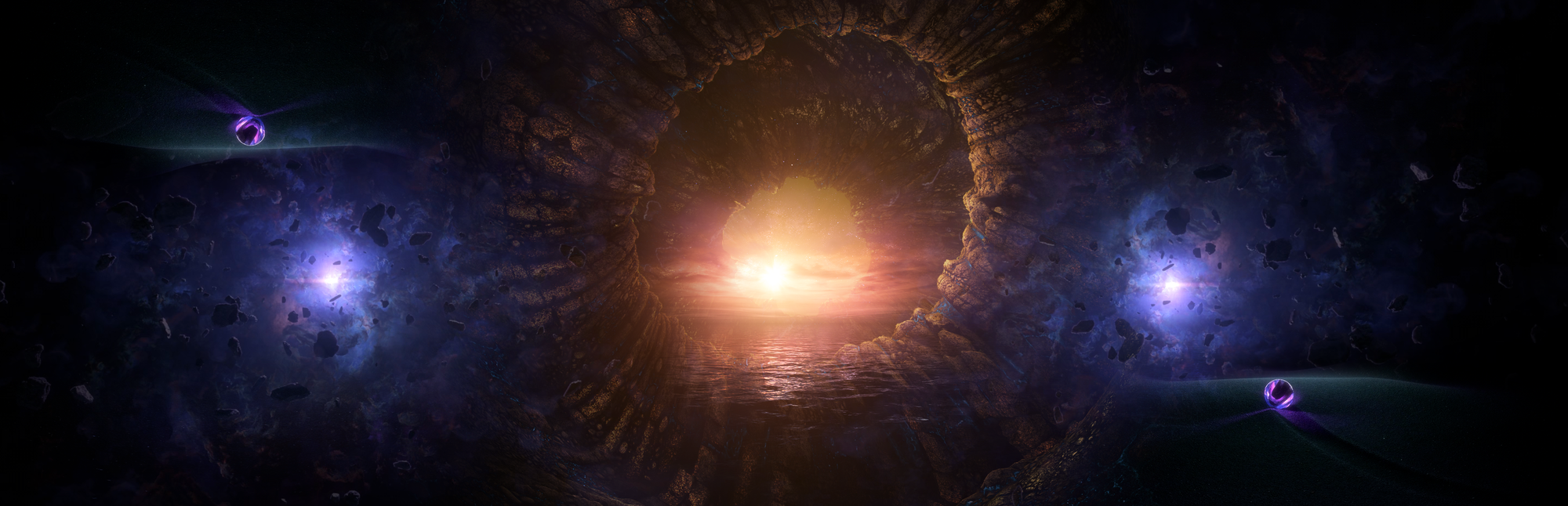
In Realms of Flow, Zimmermann frequently employs dark environments. This is a strategic choice for video compression. In digital video, bright, busy scenes require high bitrates to avoid "blocking" artifacts. By using darker scenes with specific points of light, the compression systems can dedicate more data to the essential details, resulting in a cleaner, more immersive visual experience.
Depth Modulation
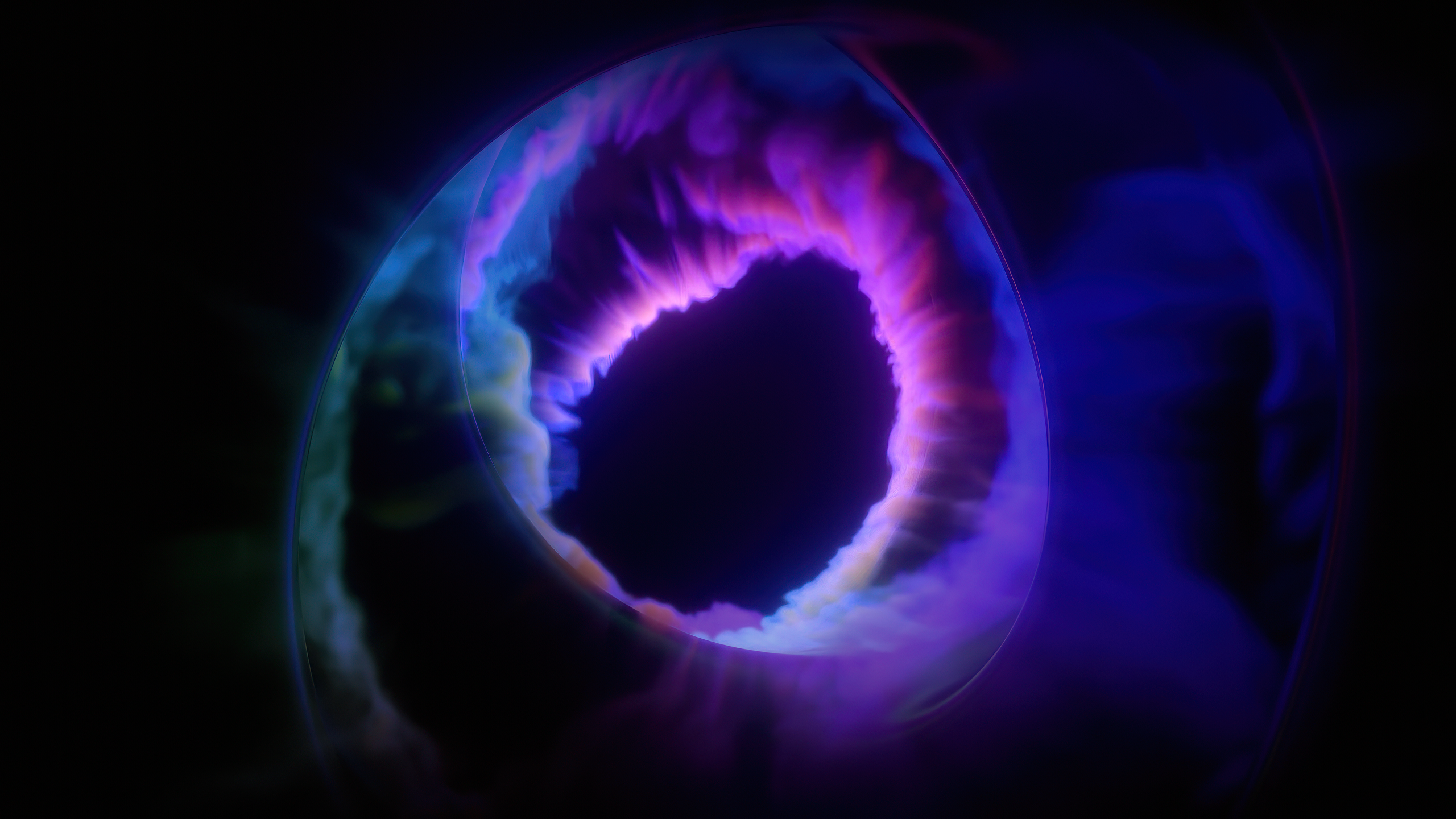
The app features a unique "environmental depth" adjustment. By dynamically modulating the perceived distance of the virtual environment in sync with the user’s breathing rhythm, Zimmermann creates a subtle "pulsing" effect that mimics the expansion and contraction of the chest, further bridging the gap between the virtual world and the user’s physical presence.
Official Responses: Insights from the Creator
In recent discussions, Zimmermann has been candid about the emotional weight his work carries for users. He notes that the lack of "gameplay" is often a point of contention for some, but a point of connection for others.
"I get messages from people saying they are tearing up or that a certain scene reminds them of something in their life," Zimmermann shared. "There were a lot of users complaining about the non-interactiveness… but I saw there was an opportunity there to create dense atmospheres and emotional spaces."
When asked about the overwhelming number of settings in Realms of Flow—which includes everything from humming exercises to meditation timers—Zimmermann admits it is a balancing act. "There’s a lot of settings. But I try to hit the sweet spot between accessibility and allowing people to fine-tune things for themselves."
Perhaps his most poignant observation is his view on the purpose of VR. While the term "escapism" is often used to describe virtual worlds, Zimmermann views his work as a tool for "reconnection."
"You take the headset off and reality feels even more vivid afterward," he said. "You appreciate life even more."
Implications: The Future of Wellness and Enterprise XR
The success of Zimmermann’s work has implications that extend far beyond the consumer gaming market. As the healthcare industry increasingly looks toward "Digital Therapeutics," atmospheric VR experiences are being recognized for their potential in stress reduction and palliative care.
Clinical and Commercial Applications
Realms of Flow is already seeing adoption in specialized sectors:
- Sensory Pods: The Amsterdam-based company Sensiks is integrating Zimmermann’s visuals into their "multisensory pods." these units combine his VR environments with physical effects like wind, temperature changes, and scents, creating a 4D wellness experience.
- Healthcare: There is growing interest from hospitals and elderly care facilities. For patients with limited mobility, the "transportive" nature of Zimmermann’s landscapes provides a significant psychological reprieve from the clinical environment.
- Corporate Wellness: Enterprise XR management systems are beginning to include Realms of Flow as a tool for employee "recharge" sessions, moving away from traditional breakroom environments toward immersive "mental breaks."
The "Slow Tech" Movement in VR
Zimmermann’s trajectory suggests the emergence of a "Slow Tech" movement within the XR industry. Much like the "Slow Cinema" movement in film, this approach encourages long takes, minimal editing, and a focus on the present moment. In an era of TikTok-length attention spans, Zimmermann is betting on the human need to slow down.
As Realms of Flow nears its final content updates, Zimmermann remains focused on the horizon. While he is unsure of his next specific project, his commitment to atmospheric storytelling remains unshaken. In a medium that is constantly trying to give users more things to do, Marc Zimmermann is one of the few creators reminding us of the profound value of having somewhere to simply be.



Leave a Comment