Sony Aggressively Positions PlayStation VR2 with Limited-Time $300 Price Point Amidst Global Hardware Inflation
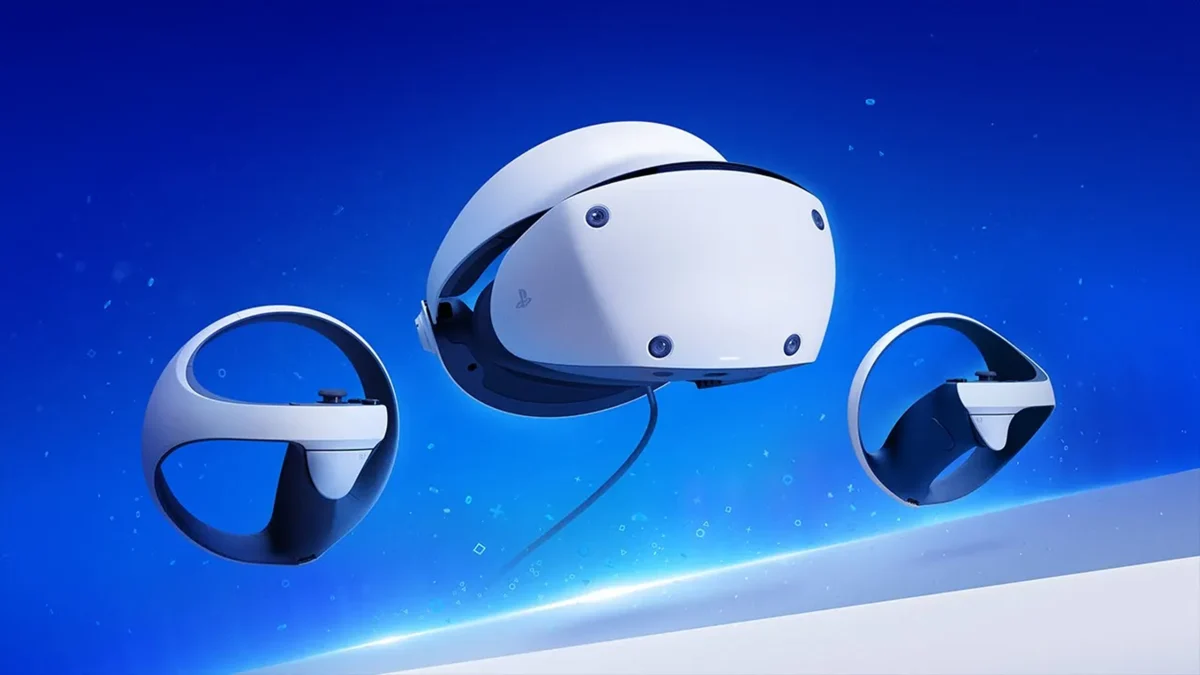
In a market landscape increasingly defined by rising hardware costs and supply chain volatility, Sony Interactive Entertainment has initiated a significant promotional campaign for its flagship virtual reality peripheral. The PlayStation VR2 (PS VR2), which debuted as a premium accessory for the PlayStation 5, is currently being offered at a promotional price of $300 through the official PlayStation Direct storefront in the United States. This represents a $100 discount from its standard $400 retail price and a staggering $250 reduction from its original launch price.
The sale, which is scheduled to conclude on August 10, arrives at a critical juncture for the VR industry. As competitors raise prices to offset the costs of the global memory chip crisis, Sony’s decision to lower the barrier to entry for high-fidelity VR suggests a strategic pivot aimed at expanding its user base and clearing inventory ahead of a shifting hardware cycle.
Main Facts: The $300 Value Proposition
The current $300 price point for the PlayStation VR2 places it in direct competition with the entry-level standalone VR market, most notably Meta’s Quest 3S and the aging Quest 2. However, the PS VR2 occupies a unique technological niche. Unlike its standalone competitors, the PS VR2 is a tethered device, relying on the processing power of either a PlayStation 5 console or a high-end gaming PC.
Current Offer Details
The $300 promotion is currently exclusive to the United States and is being handled primarily through Sony’s direct-to-consumer channel. Notably, the bundle featuring the flagship title Horizon Call of the Mountain, which was included in a similar $300 promotional window during the previous Black Friday season, is absent from this current deal. Consumers are receiving the base headset and the two Sense controllers for the $300 asking price.
PC Compatibility as a Force Multiplier
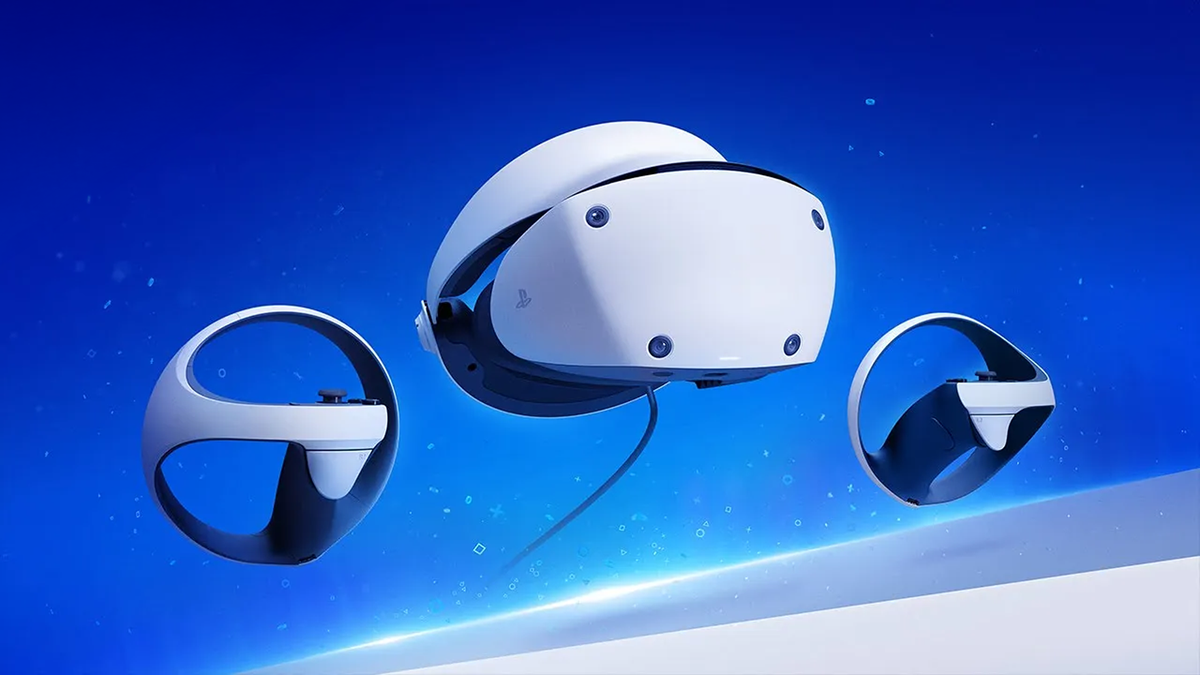
A significant factor in the renewed interest in the PS VR2 is its recently expanded utility. With the release of Sony’s official PC adapter (retailing for approximately $60), the headset is no longer locked to the PlayStation ecosystem. For an "all-in" price of roughly $400—including the headset, adapter, and necessary cables—PC gamers can now access a high-specification OLED VR headset that rivals much more expensive enterprise-grade hardware.
Chronology: From Premium Accessory to Mass-Market Entry
The pricing trajectory of the PlayStation VR2 serves as a case study in the challenges of the high-end VR market. To understand the significance of the $300 price point, one must look at the device’s history since its announcement.
- February 2023: The Premium Launch: The PS VR2 launched at a suggested retail price of $549.99. At the time, this was more expensive than the PlayStation 5 console itself, leading to immediate criticism regarding the "buy-in" cost for the ecosystem. Despite its advanced features, such as eye-tracking and haptic feedback in the headset, the high price tag limited its initial adoption to enthusiasts.
- Late 2023: The First Permanent Shift: Recognizing the cooling demand in the enthusiast sector, Sony officially adjusted the baseline price to $400. This move was intended to align the headset with the "mid-cycle" expectations of peripheral hardware.
- Black Friday 2023: Sony tested the $300 price point for the first time during the holiday season. This sale was widely considered a success, as it included a pack-in game, making it the most aggressive value proposition in the headset’s history.
- Early to Mid-2024: The PC Pivot: Facing a perceived lack of first-party software support on the PS5, Sony announced and released the PC adapter. This transformed the PS VR2 from a console-only accessory into a versatile cross-platform tool.
- August 2024: The Current Promotion: The return to the $300 price point occurs against a backdrop of rising prices for the PS5 console itself, particularly in international markets, creating a strange dichotomy where the peripheral is getting cheaper while the host console becomes more expensive.
Supporting Data: Technical Specifications and Market Context
The PS VR2’s ability to maintain—and even lower—its price while other tech products see price hikes is rooted in its internal architecture and the broader state of the semiconductor industry.
The "Immunity" to the Memory Crisis
The global tech industry is currently grappling with a memory chip supply crisis driven by the massive demand for AI-related hardware. Devices like the Meta Quest 3 and Apple Vision Pro require high-performance, high-capacity RAM and storage to function as standalone computers. In contrast, the PS VR2 is essentially a display and tracking peripheral.

- Memory Footprint: The PS VR2 utilizes only 2GB of LPDDR4X RAM and 4GB of eMMC storage. This hardware is used solely for the basic MediaTek chipset that handles sensor fusion, tracking, and passthrough video.
- Supply Chain Stability: Because the PS VR2 does not require the cutting-edge, high-bandwidth memory chips currently being hoarded by AI firms, Sony is not subject to the same inflationary pressures as Meta or Apple. This architectural simplicity allows Sony to leverage its aging hardware components to maintain a lower MSRP.
Display Technology: The OLED Advantage
The PS VR2 remains one of the few consumer-grade headsets to utilize 2K OLED displays. This provides:
- Infinite Contrast: Unlike the LCD panels found in the Quest 3 or Valve Index, the PS VR2 can achieve true blacks, which is essential for immersion in horror games or space simulators.
- High Dynamic Range (HDR): The headset supports a wider color gamut and higher peak brightness than most of its competitors.
- The Mura Tradeoff: The primary technical drawback of these OLED panels is "mura"—a non-uniform, fixed-pattern noise that can make the image appear "grainy" in certain lighting conditions. However, at $300, many critics argue that this is a negligible compromise compared to the vibrancy of the image.
Official Responses and Strategic Positioning
While Sony has not issued a formal statement explaining the specific timing of this price cut, industry analysts point to the company’s broader hardware strategy. Sony’s recent financial reports have shown a push toward "services and peripherals" to bolster the slowing growth of console hardware sales.
The Console Price Hike Paradox
Interestingly, Sony has recently increased the price of the PlayStation 5 and the PS5 Pro in several regions, citing "challenging global economic conditions." In some markets, the total cost of a PS5 and a PS VR2 system now approaches $1,000. By dropping the VR headset to $300, Sony is effectively trying to "subsidize" the entry into the VR ecosystem for those who already own the console, mitigating the sting of the rising console costs.
The PC Integration Strategy
Official support for PC VR was a major concession for Sony, which traditionally prefers "walled garden" ecosystems. By allowing the PS VR2 to work on PC, Sony is essentially admitting that the PS5’s VR library alone may not be enough to sustain the hardware. The $300 sale encourages PC enthusiasts—who may have previously ignored Sony hardware—to adopt the PS VR2 as their primary SteamVR headset.
Implications for the VR Industry and Consumers
The $300 sale of the PS VR2 has ripple effects that extend beyond Sony’s bottom line. It serves as a litmus test for the viability of high-end, tethered VR in a world that is increasingly moving toward standalone devices.
A Challenge to Meta’s Dominance
Meta currently dominates the VR market by selling hardware at near-cost or at a loss to capture user data and software royalties. Sony’s $300 price point is a direct challenge to this. For users who already own a gaming PC or a PS5, the PS VR2 offers a significantly higher fidelity experience (thanks to OLED and eye-tracking) than the Meta Quest 3 at a lower price point.
The Role of Community-Driven Software
The utility of the PS VR2 on PC has been further enhanced by the open-source community. Tools such as PSVR2Toolkit and PimaxMagic4All have unlocked features that were previously restricted. For example, PC users with Nvidia RTX graphics cards can now utilize eye-tracked foveated rendering in many SteamVR titles. This technology uses the headset’s internal cameras to track where the user is looking, rendering that specific area in high detail while blurring the periphery. This significantly reduces the GPU load, allowing mid-range PCs to run high-end VR games smoothly.
The Content Catalyst: Microsoft Flight Simulator 2024
The timing of the sale also coincides with the launch of Microsoft Flight Simulator 2024 on PC, a title that is widely considered the "gold standard" for VR immersion. The PS VR2, with its high-contrast OLED panels, is an ideal candidate for flight and racing simulators where cockpit detail and night-time lighting are crucial. The ability to pick up a premium simulator-ready headset for $300 may be the deciding factor for many simulation enthusiasts.

Final Outlook: A Window of Opportunity
As the August 10 deadline approaches, the $300 PlayStation VR2 stands as a rare anomaly in the current tech market: a high-specification device that is actually becoming more affordable. Whether this is a move to clear stock for a future revision or a genuine attempt to revitalize the platform, it represents the most accessible entry point into high-fidelity virtual reality to date. For those invested in the PlayStation or PC gaming ecosystems, the value proposition has never been clearer, even as the broader hardware market continues to climb in price.