
The Art of Observation: Exploring the Narrative Depth of ‘Nippets: A Hidden Object Game’
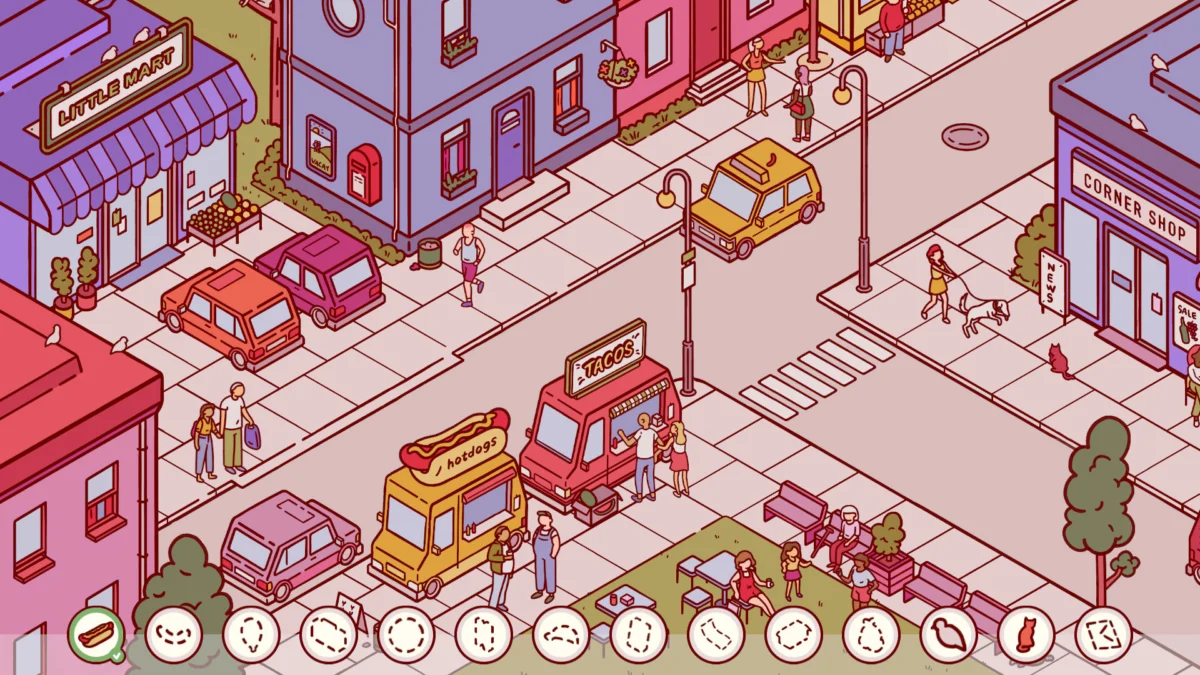
In the rapidly evolving landscape of independent gaming, the "cozy" genre has carved out a significant niche, prioritizing relaxation, aesthetic pleasure, and low-stress mechanics over high-octane action. The latest entry to capture the attention of both genre enthusiasts and casual observers is Nippets: A Hidden Object Game. Developed by Vatnisse Interactive and published in collaboration with Blink Industries, the title transcends the traditional "point-and-click" search mechanics of its predecessors, offering instead a meditative exploration of human behavior through the lens of digital "people watching."
Released on platforms such as Steam and Itch.io, Nippets presents a world where the player is not merely a scavenger of pixels but a silent witness to the seasonal ebbs and flows of a vibrant, miniature community.
Main Facts: A New Paradigm for Hidden Object Gameplay
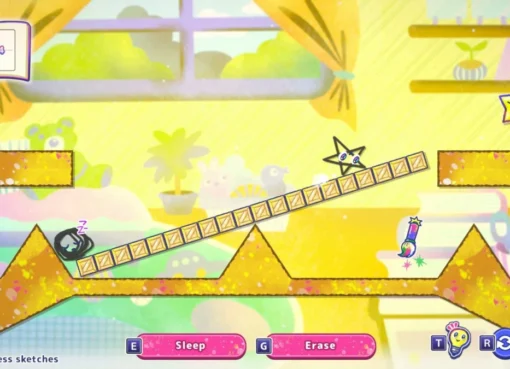
At its core, Nippets is a hidden object game, but it discards the frantic, timer-based pressure often associated with the genre. Instead, it invites players into a series of interactive dioramas that change with the seasons. The game’s primary hook is its integration of narrative into the search process. Unlike traditional titles where players look for a list of disparate items—a wrench, a cat, a magnifying glass—Nippets tasks players with finding objects that serve a specific narrative purpose within "micro-stories."
Key Features of Nippets:
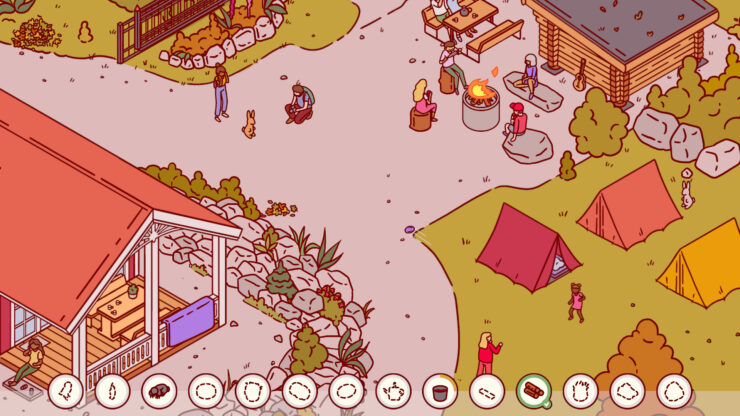
- Narrative-Driven Discovery: Every object found contributes to a small, localized story arc. Finding wooden planks, for instance, isn’t just an exercise in visual acuity; it is the first step in helping a character construct a birdhouse.
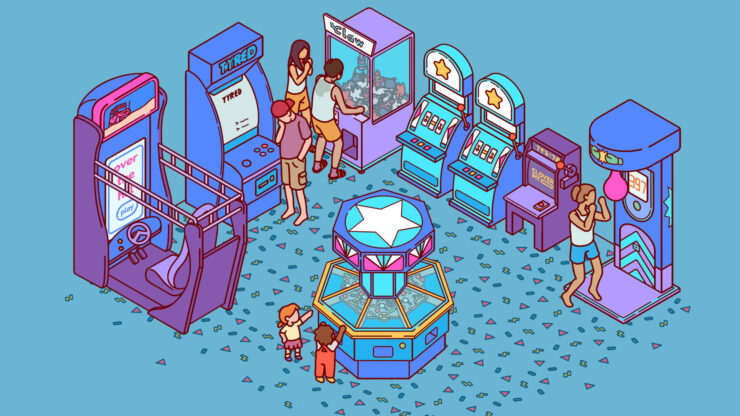
- Interactive Environments: The world is not a static image. Players can open windows, unlock doors with found keys, and enter entirely new sub-zones, such as bustling arcades or cozy interiors.
- Seasonal Progression: The game is structured around the four seasons, each offering unique visual palettes and thematic activities, from campfire gatherings in autumn to building snowmen in winter.
- Non-Linear Exploration: While there are objectives to meet, the game encourages "messing about." Players can straighten crooked picture frames, tap on birds to watch them fly, or interact with NPCs just to see their reactions.
- The "Fridge" Progression System: Achievements and completed "photographs" of the world are displayed on a virtual refrigerator, providing a tactile sense of accomplishment that fits the game’s domestic, cozy theme.
Chronology: From Concept to the April Launch
The journey of Nippets from an indie concept to a polished release on Steam and Itch.io follows a trajectory common to modern "wholesome" indie hits. The development was rooted in the simple, universal joy of people-watching—the act of observing strangers and imagining the complexities of their lives.
The Development Phase
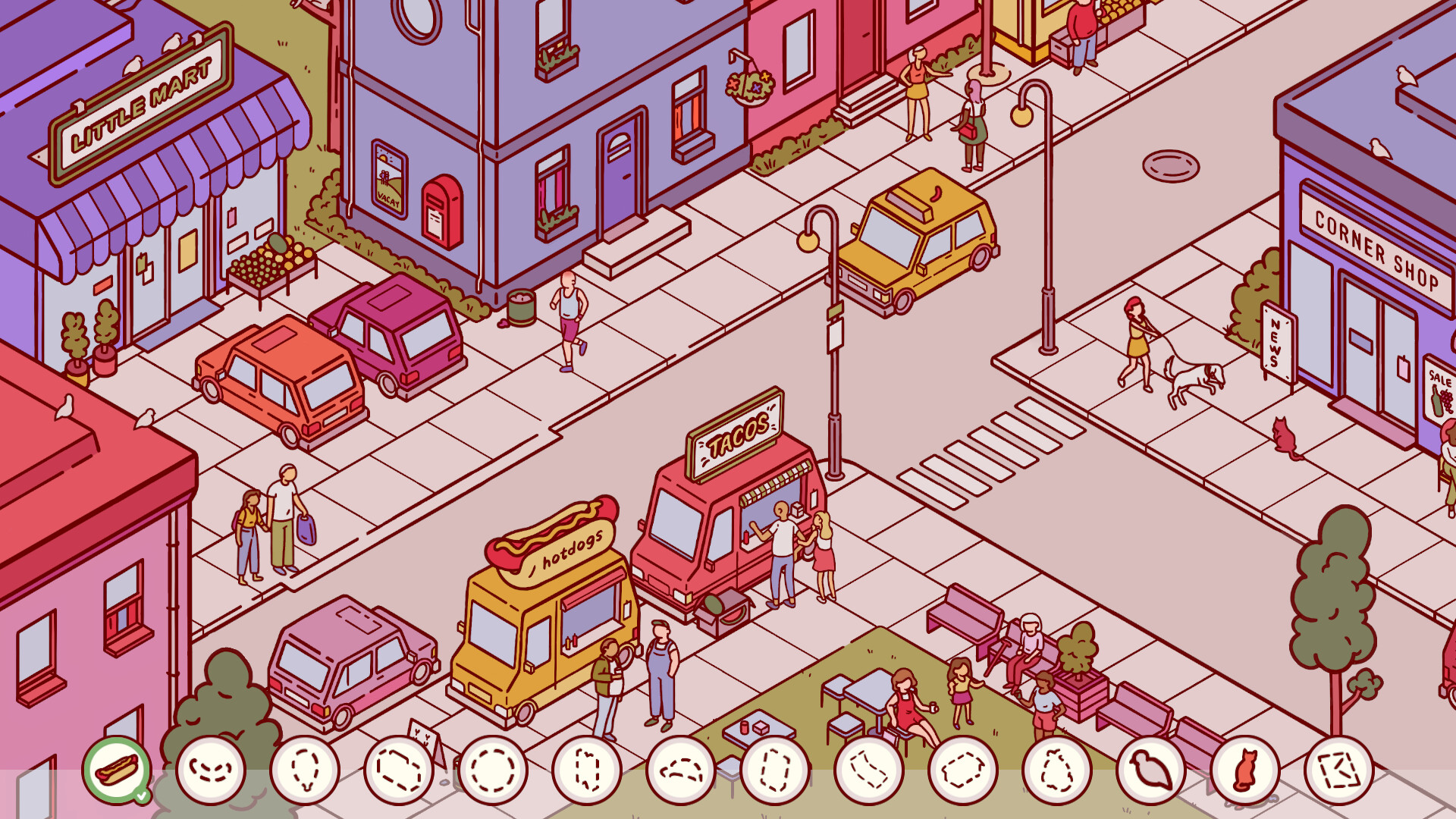
The developers at Vatnisse Interactive sought to create a game that mirrored the experience of sitting on a park bench and watching the world go by. Early development focused on creating "living" scenes where characters weren’t just static sprites but were engaged in continuous, loop-based activities. This required a meticulous level of hand-drawn animation and environmental design to ensure that every corner of the map felt inhabited.
The Rise of the "Cozy" Trend
Throughout its development, Nippets benefited from the growing cultural movement toward "Wholesome Games." As players increasingly sought refuge from the "attention economy" of live-service games, the demand for titles with no fail states and gentle soundtracks skyrocketed. Nippets was positioned to fill this gap, leaning heavily into its "no timer" philosophy.
Launch and Availability
On April 7th, Nippets: A Hidden Object Game officially launched on Steam and Itch.io. The release was accompanied by a trailer highlighting its seasonal transitions and the intricate detail of its "micro-story" system. Since its launch, the game has been praised for its polish and the clever way it hides its secrets within plain sight, utilizing layered environments that require players to think three-dimensionally about a two-dimensional space.
Supporting Data: Mechanics and Player Engagement
What separates Nippets from the hundreds of hidden object games available on mobile and PC platforms is the complexity of its interaction model. The game utilizes a "multi-part" retrieval system that adds layers to the gameplay loop.
The Multi-Part Object System
In most hidden object games, clicking an item removes it from the list. In Nippets, clicking an item often triggers a text box that provides a "snippet" of a story. For example:
- Phase One: The player sees an outline of a sandcastle flag.
- Phase Two: Upon finding the flag, a story clue appears: "Now we just need the bucket to shape the towers."
- Phase Three: The player must then scan the beach for the bucket, effectively engaging in a multi-stage quest within a single screen.
- Conclusion: Once all components are gathered, the player returns them to the NPC, triggering a final animation that completes that character’s story for the season.
Environmental Interactivity
Data from player reviews and gameplay analysis suggests that the "extraneous" interactions are among the game’s most beloved features. The inclusion of an arcade scene, which acts as a "map within a map," significantly expands the playtime. Players aren’t just looking for objects; they are exploring the interior lives of the "Nippets" (the game’s titular characters). The ability to "poke" every person and animal in the game adds a layer of toy-like playability that extends the experience beyond mere puzzle-solving.
Official Responses: The Developer’s Vision
While formal press releases from Vatnisse Interactive are concise, the design philosophy communicated through their dev-logs and the game’s presentation speaks volumes. The developers have emphasized that Nippets was designed to be "well thought out and polished," a reaction to the often cluttered and low-quality "asset flip" games that sometimes plague the hidden object genre.
In a statement reflected in the game’s "About" section, the developers noted that the game is an homage to the "little moments" in life. By focusing on mundane but charming tasks—like fixing a birdhouse or finding flags for a sandcastle—they aimed to create a sense of "gentle agency." The player isn’t saving the world; they are helping a neighbor, a distinction that defines the cozy gaming subculture.
Journalists covering the indie beat, such as Jupiter Hadley, have noted that the game’s success lies in its ability to make the player feel like an active participant in a living world. The "fridge magnet" achievement system, in particular, has been cited as a masterclass in thematic consistency, turning digital trophies into something that feels personal and domestic.
Implications: The Future of Narrative Hidden Object Games
The release of Nippets carries broader implications for the indie gaming industry and the evolution of the hidden object genre.
1. The Death of the "Static" Hidden Object Game
Nippets proves that the market for static, "hidden-list" games is shrinking in favor of interactive, living environments. Players now expect a level of environmental storytelling. The success of Nippets suggests that future titles in this genre will need to incorporate "micro-narratives" and layered maps (opening doors, entering rooms) to remain competitive.
2. The Commercial Viability of "Slow Gaming"
The lack of a timer or a scoring system in Nippets is a deliberate design choice that challenges the traditional "game over" mechanics. Its positive reception reinforces the idea that there is a massive, underserved audience looking for "Slow Gaming"—experiences that prioritize mental well-being and observation over reflexes and competition.
3. Crossover Appeal
By blending elements of "Point-and-Click" adventures with "Hidden Object" mechanics, Nippets appeals to a wider demographic. It attracts the "Where’s Waldo?" nostalgia of older players while satisfying the aesthetic and narrative demands of younger, "cozy-core" gamers who frequent platforms like TikTok and Instagram, where the game’s art style is highly shareable.
4. The "Micro-Expansion" Model
The seasonal structure of Nippets provides a perfect framework for future content. The implication for the industry is that seasonal, modular levels allow for sustainable development cycles. Fans of the game are already speculating on potential DLC or sequels that could explore different environments, such as a "Nippets in the City" or "Nippets in Space," using the same established mechanical framework.
In conclusion, Nippets: A Hidden Object Game is more than a simple distraction. It is a meticulously crafted celebration of the mundane, a digital sanctuary that rewards the patient observer. As it continues to gain traction on Steam and Itch.io, it stands as a testament to the power of small stories and the enduring appeal of simply watching the world go by.


Leave a Comment