
Rolling Through the Apocalypse: An In-Depth Analysis of Zombie Rollerz: The Last Ship
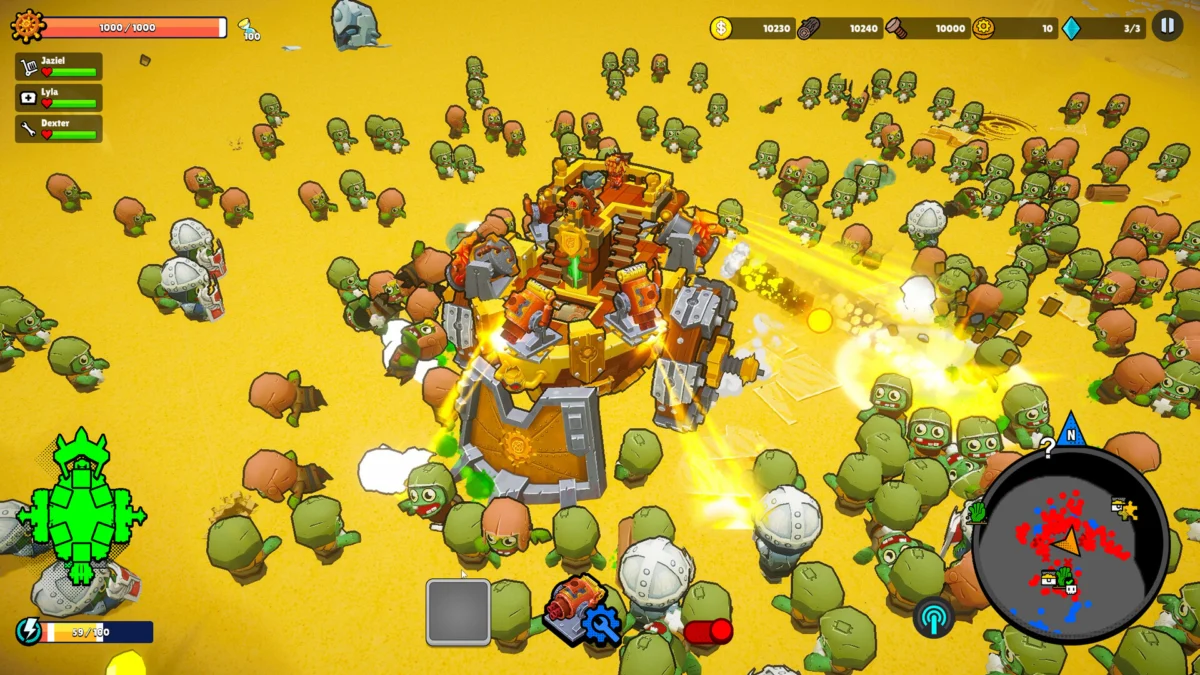
The survival horror and "bullet heaven" genres have seen a massive resurgence in recent years, driven by the success of titles that prioritize high-octane action and deep customization. Entering this crowded arena is Zombie Rollerz: The Last Ship, a title that successfully blends the frantic energy of a survival game with the tactical weight of vehicular combat. Developed as a successor to the previous entries in the Zombie Rollerz franchise, The Last Ship shifts the focus from pinball-inspired mechanics to a more robust, tank-centric survival experience.
Available now on the Nintendo eShop and Steam, the game challenges players to pilot a massive, customizable "ship"—essentially a mobile fortress—against relentless waves of the undead. This article explores the intricate mechanics, the progression systems, and the broader implications of this title within the indie gaming landscape.
Main Facts: A New Direction for Survival Roguelikes
At its core, Zombie Rollerz: The Last Ship is a survival roguelike where the player’s primary avatar is not a person, but a colossal, multi-ton tank. The game departs from the traditional "survivor" formula—popularized by titles like Vampire Survivors—by introducing physics-based movement and directional health management.
Key Features:
- Vehicular Combat: Players must balance the use of mounted turrets with the physical impact of the tank itself.
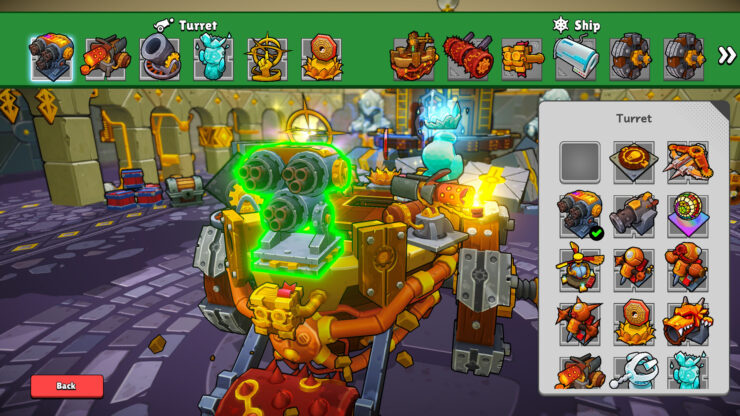
- Deep Customization: The "ship" can be outfitted with a variety of wheels, spiked bumpers, flamethrowers, and multi-barrel turrets.
- Resource Management: Survival depends on collecting "Gears" from fallen enemies and "Trinkets" from hidden chests.
- Time-Based Challenges: Each level operates on a countdown. When the clock hits zero, players must face a formidable boss to progress.
- Survivor Integration: Rescuing NPCs throughout the map provides passive buffs and unique abilities, adding a layer of human management to the mechanical carnage.
Chronology of a Run: From Scavenger to Boss Slayer
A typical gameplay session in Zombie Rollerz: The Last Ship is a structured descent into chaos, defined by three distinct phases: the Scavenging Phase, the Escalation Phase, and the Boss Encounter.
The Initial Deployment
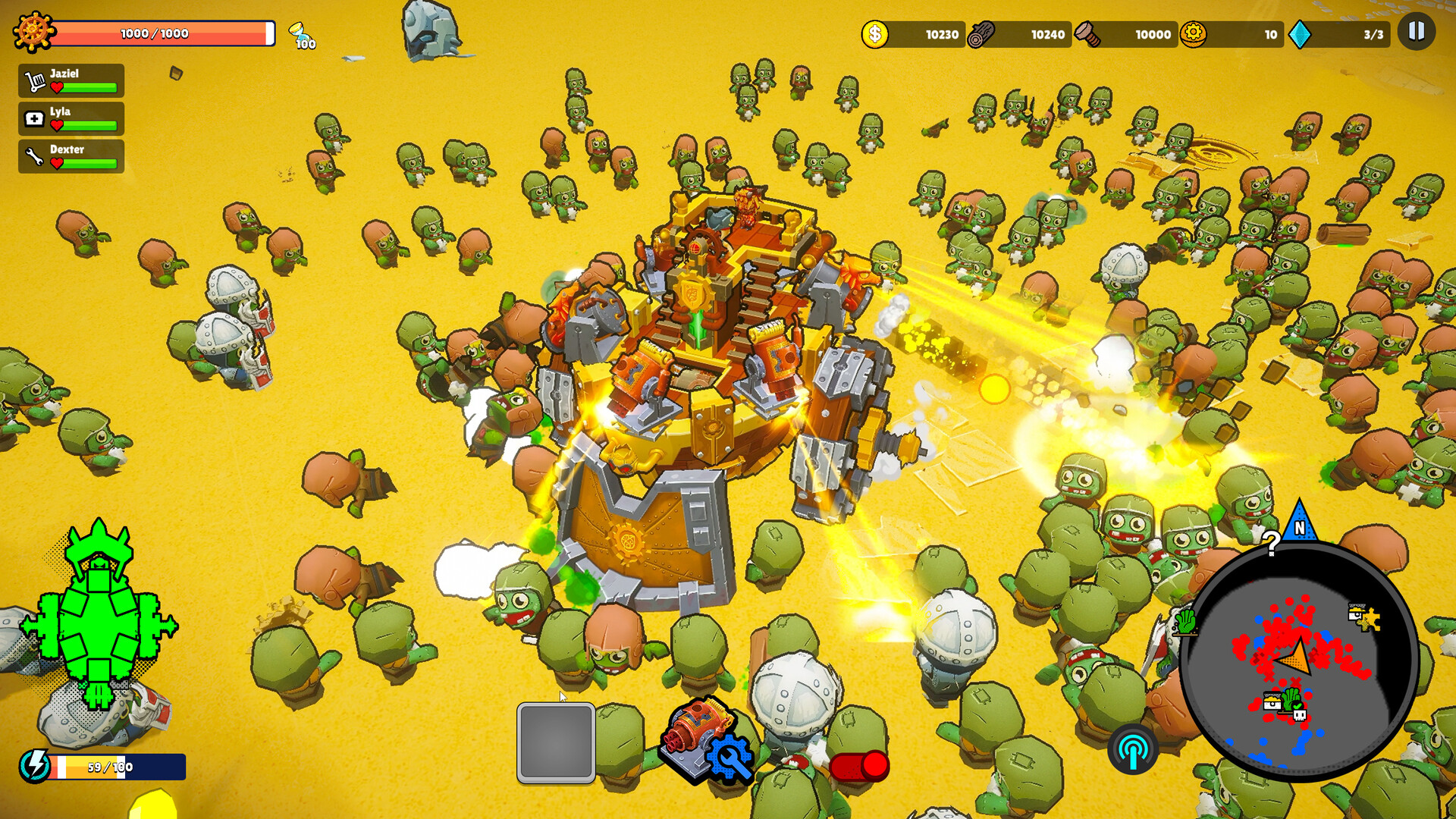
Each run begins with a basic tank configuration on a sprawling map divided into "pockets" of zombie activity. Unlike many survival games that spawn enemies in a uniform circle around the player, The Last Ship utilizes map-based density. Players must choose whether to engage small groups for quick resources or risk entering high-density zones for better rewards.
The Mid-Game Grind
As the timer ticks down, the intensity of the zombie hordes increases. Players spend this time navigating the terrain, which ranges from arid deserts to industrial ruins. During this phase, the primary goal is resource optimization. Killing zombies yields "Gears," which act as the primary currency for mid-run upgrades. Simultaneously, players seek out chests that offer "Trinkets"—special items that provide binary choices (e.g., choosing between increased critical hit rates or faster turret rotation).
The Final Stand
When the timer expires, the game transitions into its most difficult phase. A boss character, significantly larger and more complex than standard zombies, enters the fray. This encounter serves as a "stat check." If the player has focused too much on evasion and not enough on upgrading their tank’s offensive capabilities, the boss will likely overwhelm them. Success in this phase unlocks new levels, permanent upgrades, and further lore.
Supporting Data: Mechanics and Customization Depth
The depth of Zombie Rollerz: The Last Ship is found in its intricate upgrade paths and its unique approach to "tank physics."
Directional Health and Maintenance
One of the game’s most praised, yet challenging, features is its directional health system. The tank is divided into four quadrants: front, back, left, and right. Ramming zombies with the front of the tank is an effective offensive strategy but depletes the front armor’s health.
The game introduces a "tactical retreat" mechanic: when out of combat, the player character automatically performs repairs. This creates a rhythmic gameplay loop where the player must dive into a horde, deal massive damage, and then skillfully maneuver away to allow the ship to self-repair before a total hull breach occurs.
The Upgrade Economy
The progression system is split into two categories:
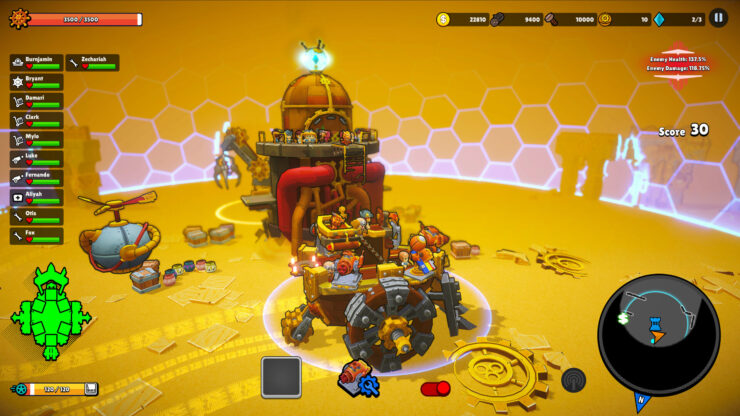
- Gears (Immediate Upgrades): Dropped by every slain zombie, gears allow for the instant leveling of attached weapons. A flamethrower can be upgraded to cover a wider arc, or a triple turret can gain piercing rounds.
- Trinkets (Strategic Buffs): Found in chests, these provide "game-changing" modifiers. For example, a player might find a trinket that adds electrical discharge to every physical collision or one that increases the repair speed of the tank’s rear armor.
The Human Element
Scattered across the maps are survivors waiting for rescue. Rescuing these individuals isn’t just a moral choice; it’s a strategic one. Each survivor brings a unique skill set to the tank. One might improve the fuel efficiency (allowing for more boosting), while another might provide a "medic" role, speeding up the automatic repair process during intense combat.
Official Perspective: Design Philosophy and Player Reception
While the developers have maintained a focus on the "fun factor" of smashing through hordes, the design philosophy behind The Last Ship clearly prioritizes "weight."
The "Clunky" Aesthetic
Critics and players alike have noted that the movement in the game feels "clunky" and "heavy." Far from being a technical flaw, this appears to be a deliberate design choice. Driving a massive, wooden-plated tank outfitted with metal spikes and heavy artillery should feel cumbersome. This weight adds a layer of "anticipatory strategy"—players cannot simply turn on a dime to avoid an incoming threat. They must plan their pathing several seconds in advance, making the environment and enemy placement more meaningful.
Post-Run Analytics
At the conclusion of every run, whether in victory or defeat, the game provides an exhaustive breakdown of statistics. This data-driven approach allows players to see exactly which turrets performed best, how much damage was mitigated by specific trinkets, and where they spent the most time on the map. This level of transparency is a hallmark of the modern roguelike, encouraging a "min-maxing" culture among the player base.
Implications: The Evolution of the "Survivor" Genre
The release of Zombie Rollerz: The Last Ship signifies a broader shift in the indie development scene. The "survivor" genre, once defined by simple 2D sprites and minimal player input, is evolving into more complex, genre-blending experiences.
1. Vehicular Innovation
By putting the player in a tank, the developers have solved one of the common issues in the survival genre: the "static" feel of combat. In The Last Ship, the player’s movement is a weapon. This integration of physics-based combat suggests that future titles in this space may move away from "magic spells" and toward more tactile, interactive environments.
2. Platform Synergy
The game’s availability on both Steam and the Nintendo Switch is a strategic move that highlights the current market for "pick-up-and-play" titles. The Switch, in particular, has become a haven for roguelikes, where the short-session nature of a 15-minute survival timer fits perfectly with portable gaming habits.
3. Franchise Longevity
Zombie Rollerz has successfully transitioned from a mobile-first identity to a legitimate PC and console contender. By deepening the mechanics and increasing the visual fidelity (as seen in the detailed 3D models of the "Last Ship"), the developers have proven that indie IPs can scale their complexity to meet the demands of more hardcore gaming audiences.
Conclusion
Zombie Rollerz: The Last Ship stands as a testament to the creative potential within the survival action genre. By focusing on the visceral satisfaction of vehicular destruction and the intellectual reward of deep customization, it offers a fresh perspective on the zombie apocalypse. Whether players are drawn to the intricate stat-tracking or the simple joy of rolling over a thousand zombies with a spiked wooden tank, the game provides a robust, challenging, and ultimately rewarding experience. As the indie market continues to mature, titles like The Last Ship set a high bar for how to innovate within established tropes.



Leave a Comment