
SPFBO 11: The Second Five Books Depart, Highlighting Indie Fantasy’s Diverse Landscape
MAY 1, 2026 – As the calendar turns to May, the eleventh annual Self-Published Fantasy Blog-Off (SPFBO 11) marks another significant milestone in its rigorous evaluation process. Today, the judging panel announces the second cohort of five books that, while showcasing remarkable creativity and potential, will not be advancing further in this year’s competition. This announcement is a poignant reminder of the fierce competition and the subjective nature inherent in literary judgment, reinforcing the SPFBO’s commitment to transparency and author support within the vibrant world of self-published fantasy.
The SPFBO, a brainchild of acclaimed author Mark Lawrence, stands as a beacon for independent fantasy writers, offering an unparalleled platform for discoverability. With hundreds of submissions each year, the contest provides a vital spotlight for voices that might otherwise struggle to break through the crowded publishing landscape. As judges delve into these diverse narratives, the core principle remains: all reading is subjective. What one panel finds not quite suited for the next round may very well be another reader’s next cherished adventure. Thus, this announcement serves not as a definitive verdict on literary merit, but as a snapshot of how these particular titles resonated with a specific panel at a specific time.
"We extend our deepest gratitude to all the authors who bravely submitted their work," states Jennie Ivins, editor and coordinator for this judging round. "It takes immense courage to put your creative endeavors forward for scrutiny, and we truly appreciate the dedication and passion evident in every submission."
Readers eager to follow the SPFBO 11 journey can find comprehensive updates on the official SPFBO website maintained by Mark Lawrence, which lists all 300 initial entries. For those new to the contest, an introductory guide is available on Fantasy-Faction, detailing the structure and goals of this celebrated event.
The SPFBO Journey: A Chronology of Discovery
The Self-Published Fantasy Blog-Off has evolved into a cornerstone event within the fantasy genre, specifically designed to address the unique challenges faced by self-published authors. Its journey over the past decade reflects a growing recognition of the quality and innovation flourishing in the independent publishing sphere.

Origins and Evolution: A Platform for Unsung Heroes
The SPFBO was conceived by Mark Lawrence over a decade ago out of a desire to champion self-published fantasy authors, many of whom produce high-quality work but lack the marketing muscle of traditional publishers. What began as a relatively modest endeavor has grown into an international phenomenon, drawing hundreds of submissions annually and involving numerous influential fantasy blogs as judging panels. Each year, the competition sifts through a vast pool of talent, providing invaluable exposure, critical feedback, and ultimately, a path to wider readership for deserving titles. The contest’s longevity is a testament to its effectiveness and the ongoing need for such a platform in the dynamic world of independent literature.
The Current Cycle: SPFBO 11 in Full Swing
SPFBO 11 commenced with an astounding 300 self-published fantasy novels entering the fray. These books are distributed among multiple judging blogs, each responsible for evaluating a subset of entries. The process is meticulous and multi-layered, beginning with an initial culling phase. Critically, books are not read in any predetermined order, nor are they eliminated from "worst to best." This non-sequential approach ensures that each book is assessed on its own merits and against the subjective preferences of the judges, rather than being ranked hierarchically in early rounds. This phase, often referred to as "Round One," involves the gradual narrowing down of the initial pool until only a select few semi-finalists remain, who then receive dedicated, in-depth reviews.
Round One’s Progression: Narrowing the Field
Today’s announcement of the "Second Five to Fall" signifies another step in Round One. These five titles join a previous group of eliminations, collectively illustrating the challenging nature of advancing in the SPFBO. With 300 initial entries, the competition demands books that not only possess strong fundamental qualities—such as compelling plots, engaging characters, and imaginative worldbuilding—but also those that particularly resonate with the diverse tastes of the judging panel. Each decision is made after careful consideration and often extensive discussion among the judges, reflecting a collective effort to identify books with the strongest potential to captivate a broad fantasy audience. The remaining 20 books from this panel’s allocation will continue to be reviewed, with subsequent announcements anticipated as the judging process progresses toward the semi-finalist stage.
Supporting Data: The Second Five to Fall
The five books detailed below, while not progressing in SPFBO 11, each offered unique strengths and contributions to the fantasy genre. The feedback from the judging panel, comprising Adawia Asad, Eva Geraghty, Evelyn Grimald "E.G." Stone, Julia Kitvaria Sarene, Karen Lucia, Kerry Smith, Kit Caelsto, Maureen Neuman, Robert Max Freeman, Sara Rosevear, Sherry Cammer, Stacey Markle, Tianna Twyman, and Yaniv Rosenfeld Cohen, provides valuable insights for both authors and potential readers.
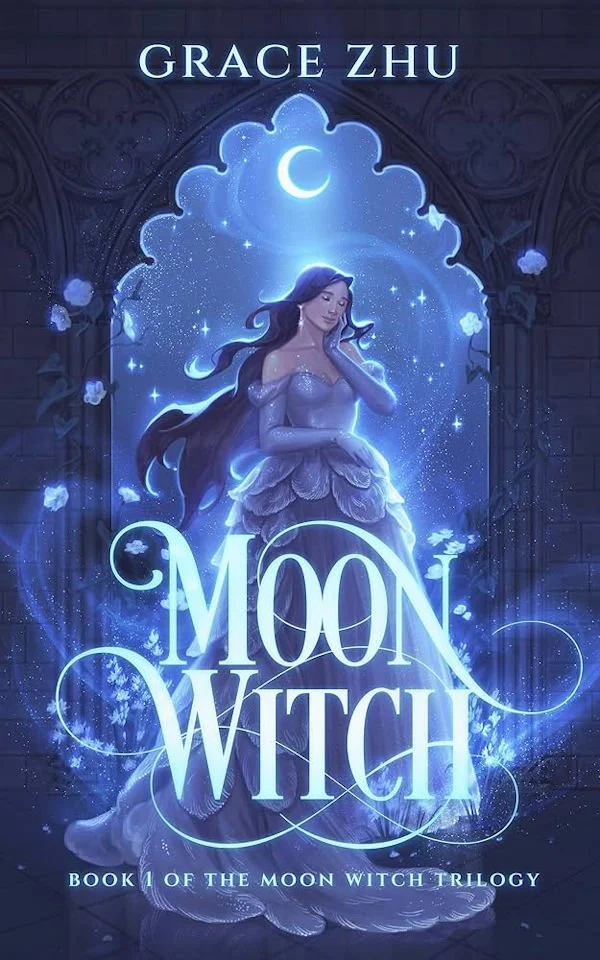
Moon Witch (Moon Witch, #1) by Grace Zhu
Synopsis: Budding photographer Evangeline and her best friend Alice stumble through a portal to a realm of witches while exploring an abandoned manor. Separated in this mesmerizing new world, Eva finds herself enchanted, falling for Cassius, the heir to the manor and son of the realm’s most powerful witch. However, her eventual desire to return home clashes with Cassius’s possessiveness, setting the stage for a compelling conflict.
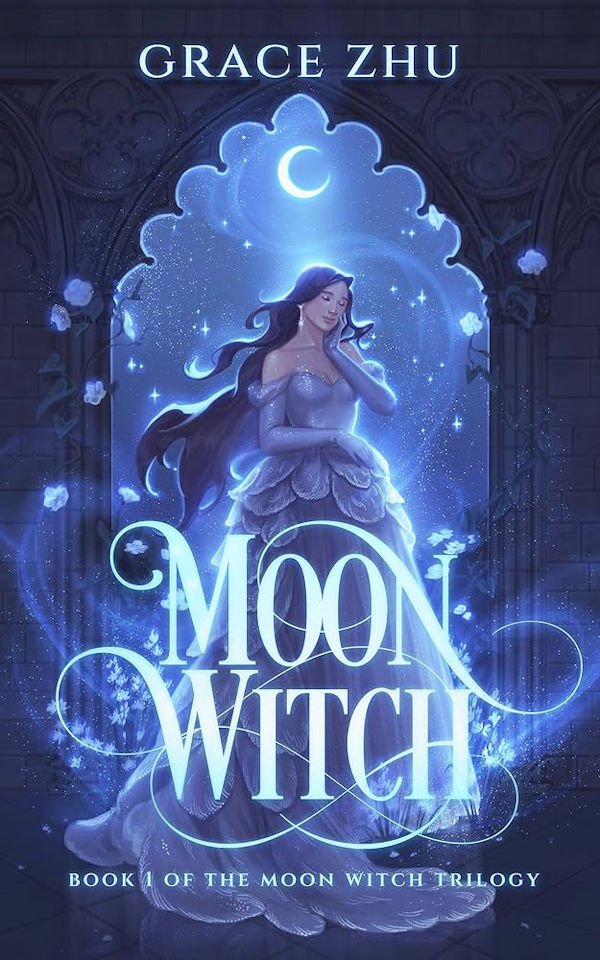
Judges’ Insights: Moon Witch made a strong initial impression, lauded for its intriguing portal fantasy premise. The concept of an ordinary individual thrust into a magical world, combined with the allure of a powerful, enigmatic love interest, promised an engaging read. Some judges specifically praised Grace Zhu’s precise word choice, noting moments of evocative language that hinted at a skilled authorial voice. However, a consistent theme in the feedback was a perception of the prose eventually feeling "flat" to several judges, leading to a diminished sense of immersion as the story progressed. While the worldbuilding was generally considered solid and the author’s inherent talent recognized, the characters, unfortunately, did not consistently resonate with the panel. Ultimately, despite its promising start and the author’s potential, Moon Witch did not generate enough sustained engagement among the judges to secure its place in the next round. For readers who cherish portal fantasies with a romantic undercurrent and appreciate intricate worldbuilding, Moon Witch may still offer a captivating journey.
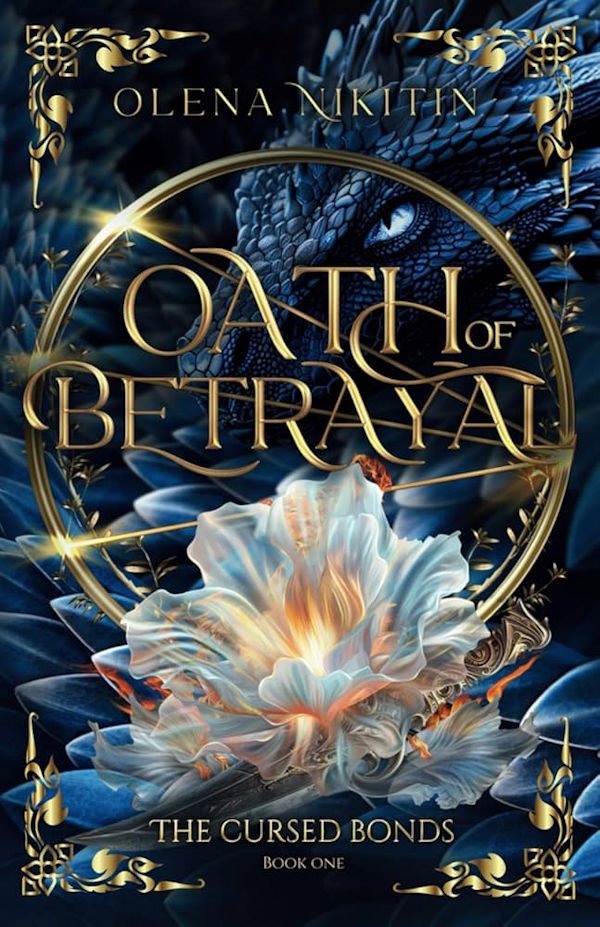
Oath of Betrayal (The Broken Bonds, #1) by Olena Nikitin
Synopsis: Annika, the sole survivor of a magical catastrophe that fractured the Barrier and claimed the lives of those she loved, vows never to form another bond. To escape those coveting her unique power, she fakes her death and vanishes into obscurity. Yet, her magic remains restless, haunted by a dragon in her dreams and monsters seeping through the weakened Barrier. When a brutal attack forces her hand, Annika reveals her hidden truth, drawing the attention of the ruthless Commander of the Dragon Riders and his dark fae Necromancer. Both men, forged in blood and duty, see her as a weapon, the first woman ever chosen by a dragon, whose magic transcends a single bond. Torn between the Commander, who ignites her power, and the Necromancer, who tempers its inferno, Annika must decide if her heart can endure another bond. Her choice carries immense weight: deny it, and the Barrier will fall, dooming the kingdom she swore to protect.
Judges’ Insights: Oath of Betrayal presented many elements highly appealing to fans of romantasy, a subgenre currently experiencing immense popularity. The judges highlighted several progressive aspects: a protagonist in her 30s, the exploration of a polyamorous relationship, and explicitly spicy on-page sex scenes, which cater to a growing demand for mature and diverse romantic narratives within fantasy. However, the book encountered several hurdles that hindered immersion for the judging panel. Recurring feedback pointed to the use of multiple first-person POVs, which some found disorienting or fragmented the narrative flow. Additionally, certain sections were perceived as containing "dense lore," suggesting that complex worldbuilding elements might have been presented in a way that felt overwhelming or insufficiently integrated into the narrative. A notable point of contention was a pervasive "sexist feel to the world," exemplified by the consistent referral to women as "females" instead of "women," which some judges found jarring and detrimental to their reading experience. While its blend of dragons and romance offers significant appeal for its target audience, these immersion breaks prevented Oath of Betrayal from advancing.
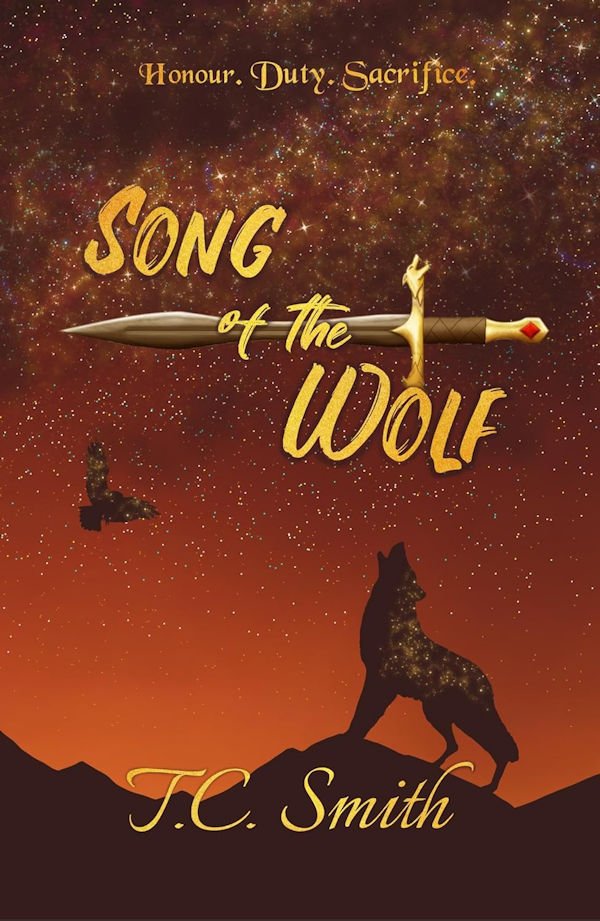
Song of the Wolf by T. C. Smith
Synopsis: War engulfs the elven kingdom of Kies Tor, with the exiled crown prince vying for the throne in the capital. Amidst this bloodshed, Talin Zylvaris II, the youngest Torrian ruler in a millennium, must ascend as queen and guide her kingdom to safety—a monumental burden. A glimmer of hope emerges from an unlikely alliance in the west. Against her council’s counsel, Talin, accompanied by her enigmatic royal bodyguard, embarks to secure this alliance, unaware of the insidious dangers brewing back home. Caught between a court conspiracy and the encroaching Hellhounds from the north, Talin faces a desperate struggle to save her people before it is too late.
Judges’ Insights: The standout feature of Song of the Wolf for the SPFBO judges was its impressive worldbuilding. T. C. Smith crafted a rich and detailed elven kingdom, creating an immersive backdrop for the unfolding conflict. The characters, too, were generally well-written, demonstrating depth and distinct personalities. However, the book’s progression was hampered by what the judges perceived as inconsistencies in character interactions, occasionally causing a disconnect between established personalities and their actions. The primary obstacle to its advancement, however, lay within the plot itself. Several judges noted "odd decisions" made by various characters throughout the narrative. These choices, at times, felt illogical or counter-intuitive given the established stakes and character motivations, making it challenging for the panel to remain fully invested and connected to the story’s trajectory. Despite the strength of its foundational elements, these narrative inconsistencies ultimately led to its elimination.
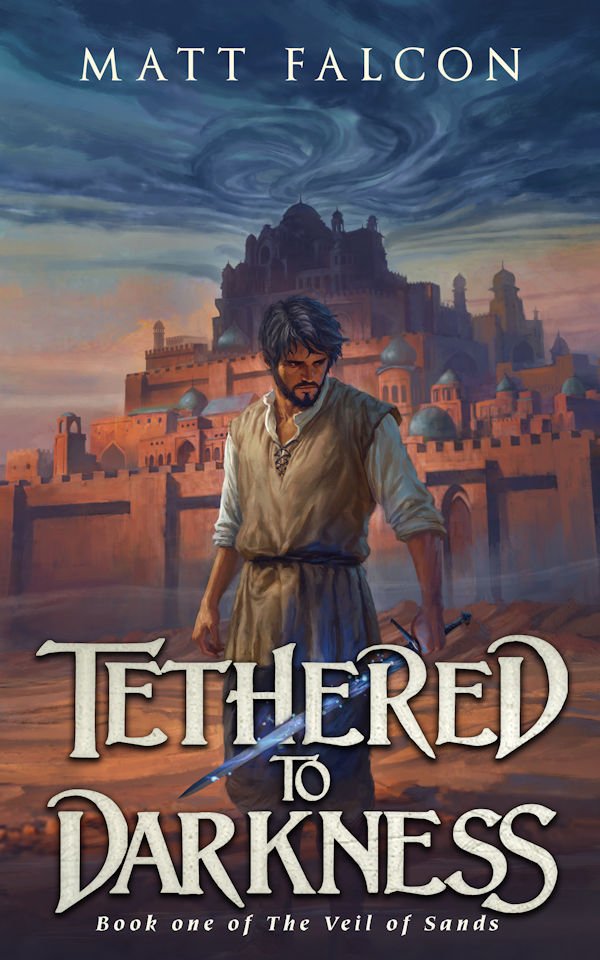
Tethered to Darkness by Matt Falcon
Synopsis: In Eoden City, a sanctuary against the relentless, land-devouring sands outside, Shen Auger grapples with his destiny as the reluctant heir to a dark legacy. His father, Eoden, revered as the immortal Vessel of the Gods, commands a dying world. But when Shen’s mother reveals whispers of ancient secrets hidden within the blistering wasteland, Shen’s sheltered existence unravels. Driven by a fervent need for answers, Shen embarks on a perilous journey beyond the city walls into the unforgiving Desolation. Alongside his fierce companion Griss, he confronts a primordial Darkness that threatens to consume all. As rebellion ignites and the Darkness looms, Shen must face his father’s tyranny and master a power born of love and rage to either save his world or watch it succumb to the inferno.
Judges’ Insights: Tethered to Darkness occupied a unique position among the books eliminated in this round, particularly for its inclusion of dragons—a universally beloved element among the judging panel. What distinguished this title was that all judges expressed a degree of liking for it; there were no outright criticisms of its quality or execution. Yet, paradoxically, it failed to deeply "grab" any of them in the way a book needs to for advancement in such a competitive contest. As one judge eloquently articulated, "I never found a reason to put it down. But I also never found myself desperate to pick it back up." This feedback highlights a crucial distinction: a book can be well-written, with a solid plot and engaging elements, but still lack that elusive spark that compels a reader to devour it. It suggests a potential mismatch in taste rather than a flaw in the narrative itself. For readers who enjoy epic fantasy with a strong sense of world-ending stakes, a quest for self-discovery, and, of course, dragons, Tethered to Darkness might prove to be a highly enjoyable read, even if it didn’t ignite the judges’ collective passion this time around.
The Fire Within by John B. Cheek
Synopsis: As two vast armies clash for the fate of the world, three tortured souls must summon every ounce of their strength to survive. A wide pass between high mountains, historically a gateway for Orkhish invasions, once again becomes a battleground between the Orkhlands of the south and the Human and Aelf realms of the north. Among the pass’s defenders are Bera, an unwanted half-Orkh navigating a human world; Lady Zara, an impetuous Aelfin cavalry captain desperate to erase an ancient stain of dishonor; and Earic, a young nobleman whose secret love threatens to tear his world apart. Each confronts a personal crisis of the heart, while collectively they are swept into a titanic struggle between ancient foes for control of this vital mountain pass—a battle that will decide the fate of entire realms.
Judges’ Insights: The Fire Within possessed what the judges described as "good bones"—a testament to its solid storyline, compelling premise, and well-developed worldbuilding and characters. In fact, one judge was so captivated that they finished the entire book in a single sitting, underscoring the inherent strength of John B. Cheek’s narrative vision. However, the critical consensus pointed to a "fatal flaw" that ultimately prevented its progression: the editing. The book was perceived as being "a bit on the rough side" and would significantly benefit from another comprehensive round of professional editing. This suggests that while the core story, characters, and world were strong, issues such as grammatical errors, awkward phrasing, inconsistencies, or pacing problems likely detracted from the overall reading experience. Such unpolished elements, even in a fundamentally great story, can create friction for readers and impact immersion. Therefore, while The Fire Within harbors a captivating tale at its heart, its technical presentation was not quite refined enough to meet the competitive standards required to advance.
Official Responses and the Spirit of SPFBO
The SPFBO thrives on the spirit of community and mutual respect within the self-published fantasy genre. The elimination of books, while a necessary part of the competition, is always approached with deference to the authors’ efforts.
Acknowledgement of Authors’ Courage
Every author who submits a book to the SPFBO demonstrates incredible bravery. The act of creation itself is deeply personal, and subjecting that work to public scrutiny, especially in a competitive environment, requires immense courage. The SPFBO judges and organizers wish to reiterate their profound appreciation for this vulnerability and dedication. Each entry represents countless hours of imagination, writing, and revision, and that effort is never underestimated.
The Judging Process and Its Nuances
The SPFBO judging process is a testament to collective effort and diverse perspectives. With a panel of fourteen distinct judges, each bringing their own literary preferences and critical lens, the evaluation of each book is multifaceted. The constant reminder that "all reading is subjective" is not merely a disclaimer but a foundational principle. A book that doesn’t resonate with one judge might be a perfect fit for another, and this diversity of opinion is acknowledged and respected throughout the competition. The goal is to find books that, on balance, demonstrate the strongest overall appeal and polish to advance, recognizing that this is a highly selective contest, not a universal quality assessment.
Guidance for Aspiring Authors
For authors whose books did not advance, the feedback provided, even in its summary form, offers valuable insights. The common themes emerging from this round—such as the need for prose refinement (Moon Witch), careful handling of lore and worldbuilding consistency (Oath of Betrayal, Song of the Wolf), ensuring plot logic (Song of the Wolf), and, crucially, the importance of thorough editing (The Fire Within)—are universal lessons in crafting compelling narratives. Even books that are generally well-liked but fail to "grab" readers (Tethered to Darkness) underscore the challenge of creating a truly unputdownable story. These points of feedback are not criticisms of inherent talent but opportunities for growth and refinement, empowering authors to further hone their craft.
Implications for the Contest and Indie Fantasy
The SPFBO’s ongoing progression carries significant implications, both for the immediate competition and the broader landscape of self-published fantasy.
Looking Ahead: The Remaining Field
With these five books departing, the competition intensifies for the remaining 20 books allocated to this judging panel. Each subsequent elimination brings the contest closer to identifying its semi-finalists, who will then contend for a spot in the grand finals. The bar for advancement remains exceptionally high, demanding books that not only excel in various aspects of storytelling but also possess that intangible spark that distinguishes them in a crowded field. Readers and participants alike can anticipate increasingly difficult decisions as the judges continue to narrow down their selection.
The Broader Impact on Self-Published Fantasy
The SPFBO’s influence extends far beyond the confines of the contest itself. By providing a credible, well-regarded platform, it significantly elevates the visibility and legitimacy of self-published fantasy. It acts as a powerful discovery tool for readers, introducing them to a wealth of talent they might otherwise miss. This, in turn, encourages more authors to explore self-publishing, fostering innovation and diversity within the genre. The detailed feedback, even for books that don’t advance, contributes to a culture of improvement and professionalism among indie authors, continually raising the overall quality of self-published works.
Encouraging Reader Engagement
Finally, the SPFBO strongly encourages readers to explore all the books mentioned, regardless of their contest status. The subjective nature of reading means that a book that didn’t quite click with the judging panel might be precisely what another reader is looking for. The contest highlights outstanding works, but it also serves as a curated list of interesting and ambitious projects. We invite everyone to visit Mark Lawrence’s website to see the entire list of 300 books and to learn more about the SPFBO process. Happy reading, and good luck to all the authors still in the running!
Our judges this year: Adawia Asad, Eva Geraghty, Evelyn Grimald "E.G." Stone, Julia Kitvaria Sarene, Karen Lucia, Kerry Smith, Kit Caelsto, Maureen Neuman, Robert Max Freeman, Sara Rosevear, Sherry Cammer, Stacey Markle, Tianna Twyman, and Yaniv Rosenfeld Cohen. You can learn more about our judges and their preferences here.
Any queries should be directed to the editor, Jennie Ivins, via DM on Bluesky or Threads.
Featured image by Anna Zakharova.



Leave a Comment