
Tedoku: A Masterclass in Decadent Simplicity and Enduring Appeal
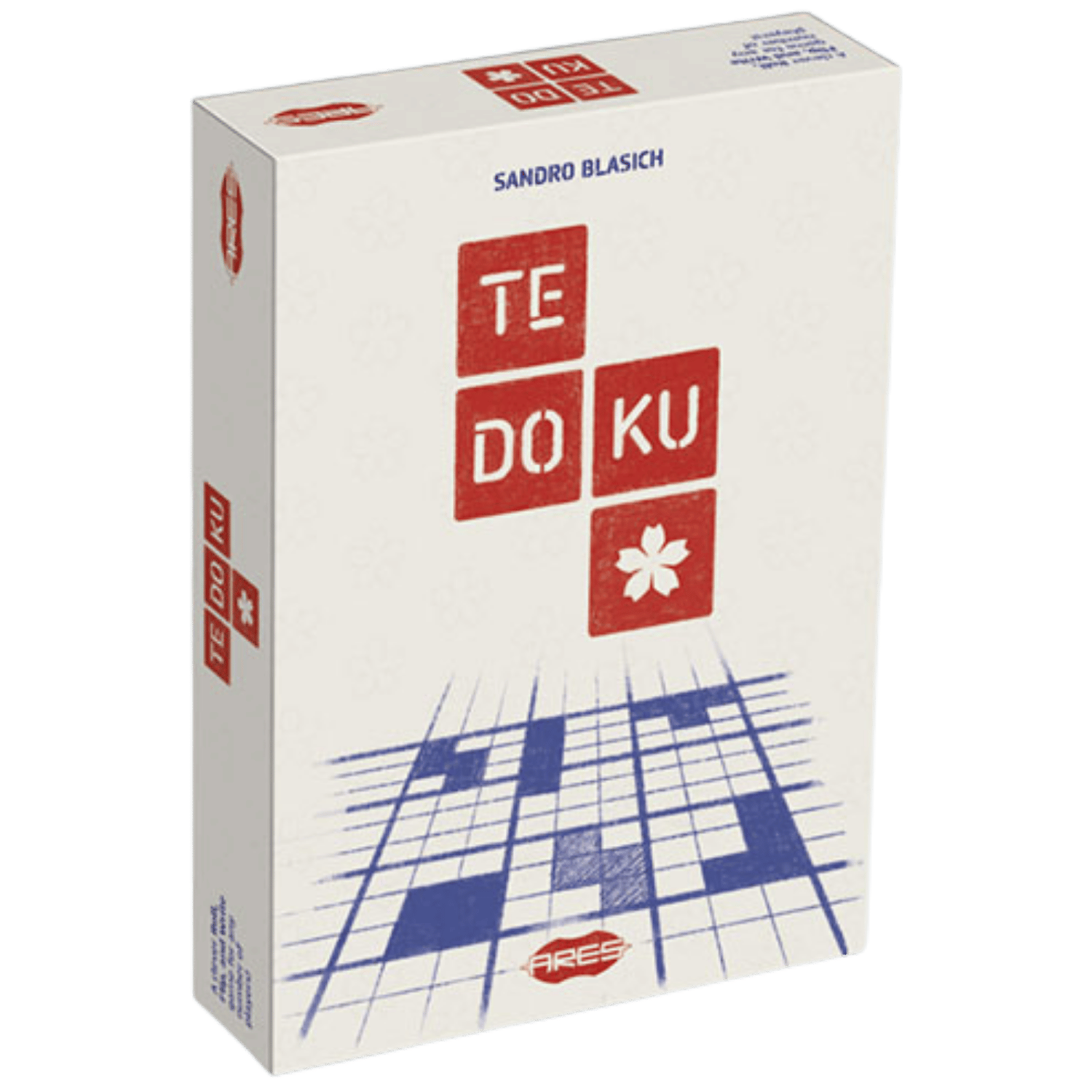
In a world increasingly saturated with complex board games demanding hours of commitment and intricate rule memorization, a refreshing counter-narrative has emerged in the form of Tedoku. This roll/flip-and-write game stands as a testament to the profound power of elegant design, offering an experience that is both "decadently simple" and remarkably engaging. Far from being a fleeting diversion, Tedoku has swiftly positioned itself as a "pinnacle of chill gameplay," a sentiment echoed by its fervent proponents who declare they will "never get tired of playing it."
The game’s immediate allure lies in its minimalist approach. Players are invited to "breathe in, breathe out, roll the die and fill in another shape," an almost meditative ritual that belies the subtle strategic depth hidden within its straightforward mechanics. The designers, seemingly unable to choose between the popular roll-and-write or flip-and-write genres, ingeniously opted for both, merging them seamlessly without introducing any unnecessary complexity. This innovative hybrid mechanism, combined with a striking visual aesthetic hinting at Japanese cultural influences, creates a product that is not merely a game, but an experience – one that is proving to be a "Must Play" for anyone seeking both relaxation and quiet tactical engagement.
The Gameplay Loop: A Journey of Simplicity and Strategy
At its core, Tedoku unfolds through a series of wonderfully uncomplicated turns, a cycle that forms the backbone of its engaging gameplay. The journey begins with a minimalistic setup, where each player receives a personal grid sheet – reminiscent of a Sudoku puzzle – and a writing implement. The central components, a single die and a deck of cards, are placed within reach, signaling the dual sources of randomness that will guide the game.
Initial Setup and Core Components:
Upon opening the compact box, players are greeted with the essentials: a stack of double-sided player sheets, a handful of pencils (or markers, depending on the edition), a custom six-sided die, and a small deck of uniquely designed cards. The sheets themselves feature a grid, typically 9×9, segmented into 3×3 boxes, immediately drawing parallels to the popular number puzzle that shares a similar structural layout. This clean, uncluttered presentation is the first hint at the game’s overarching design philosophy.
The Turn Sequence: Roll, Flip, Place:
Each turn is remarkably swift, embodying the game’s philosophy of fluid, uninterrupted play. The active player (or a designated game master in larger groups) initiates the round by performing two distinct actions:
- The Die Roll: A single die is rolled, its faces depicting one of five unique tetrominoes. These are the familiar shapes comprised of four connected squares, much like those found in the classic video game Tetris. The rolled shape dictates what all players must draw onto their personal grids during that turn. The limited number of shapes keeps the cognitive load low, yet each shape presents unique placement challenges.
- The Card Flip: Immediately after the die roll, a card is flipped from the deck. These cards are the game’s directional compass, pointing players to a specific target zone on their grid. A card might indicate a particular row, a specific column, or one of the nine 3×3 boxes that compose the larger grid. This dual input mechanism—what shape to draw and where it must intersect—is the ingenious heart of Tedoku.
Placement and Strategic Decisions:
With both the required tetromino and the target zone revealed, all players simultaneously proceed to draw the designated shape onto their individual grids. The crucial rule is that at least one square of the drawn tetromino must overlap with the indicated row, column, or 3×3 box. This seemingly simple constraint introduces the primary layer of strategic depth. Players must carefully consider:
- Optimal Fit: How can the shape be rotated and placed to maximize future scoring potential or mitigate immediate challenges?
- Zone Intersection: Which part of the shape should intersect the target zone? Should it be just one square, or can multiple squares overlap for better positioning?
- Grid Management: How does this placement affect the completion of rows, columns, and 3×3 boxes? Is it worth sacrificing a perfect fit in one area to set up a larger score later?
- Risk Assessment: Given that not all cards in the deck will be revealed, is it safe to commit valuable grid space early on, or should one hold out for specific target zones that might never appear?
Scoring and Game End:
Scoring in Tedoku is as straightforward as its gameplay. Players earn:
- One point for every complete row.
- One point for every complete column.
- Three points for every complete 3×3 box.
The game concludes once the deck of cards runs out. Notably, the game is designed such that only 20 of the 27 potential cards are revealed over the course of a game. This intentional omission of cards is a critical design choice, directly influencing the risk management aspect that defines much of Tedoku‘s strategy. Once the final card is played and shapes are placed, players tally their scores, a process that typically takes "less than 60 seconds." The brevity of both gameplay (around 10 minutes per session) and scoring contributes significantly to its high replayability and "just one more game" appeal.
Supporting Data: Deconstructing Tedoku’s Enduring Appeal
Tedoku‘s seemingly simple façade conceals a meticulously crafted design that contributes to its widespread appeal and "Must Play" status. A closer examination of its mechanics, aesthetic, and strategic depth reveals why it stands out in a crowded market.
The Elegant Fusion of Mechanics: Roll, Flip, and Write
The designers’ decision to merge roll-and-write with flip-and-write mechanics is not merely a novelty; it’s a stroke of genius. Roll-and-write games typically rely on dice rolls to dictate actions or resources, while flip-and-writes use cards. By combining both, Tedoku introduces a dynamic tension:
- Double Randomness, Shared Fate: The die roll determines the content (the tetromino shape), and the card flip determines the constraint (the target location). This dual layer of randomness ensures high variability from game to game, keeping each session fresh. Crucially, this randomness "afflicts every player equally," maintaining a level playing field and preventing any single player from feeling unfairly targeted.
- Interactive Placement Puzzles: The interaction between a specific shape and a specific location forces players to engage in an on-the-fly spatial puzzle. A small ‘I’ shape might be easy to place in a row, but a large ‘T’ shape intersecting a specific 3×3 box can present a delightful challenge. This constant mini-puzzle-solving keeps players engaged throughout.
- Streamlined Decision-Making: Despite two sources of input, the decisions remain focused: where to place the given shape within the given constraint. This prevents analysis paralysis, a common issue in more complex games, and contributes to the rapid pace of play.
Deconstructing the "Chill" Factor: Accessibility and Meditative Qualities
The term "pinnacle of chill gameplay" is not mere hyperbole; it speaks to the fundamental psychological experience Tedoku offers.
- Low Barrier to Entry: The rules are so simple that they can be taught in under a minute, making it incredibly accessible to new players, casual gamers, and even those typically intimidated by board games. This low cognitive load allows players to relax and enjoy the process rather than grappling with intricate rulesets.
- Meditative Flow: The repetitive, rhythmic actions of rolling, flipping, and drawing can induce a state of flow, akin to a meditative activity. The focus required for spatial placement, coupled with the absence of direct player conflict, creates a calming atmosphere. It’s a game that allows the mind to engage without becoming overly stressed, making it perfect for unwinding.
- Absence of Direct Conflict: While players compete for points, there is no direct "take that" mechanism or ability to sabotage an opponent’s board. Each player focuses on optimizing their own grid, fostering a sense of shared experience rather than cutthroat competition. This makes it ideal for mixed groups or families.
Strategic Nuances: Risk, Reward, and Calculated Gambles
Beneath its tranquil surface, Tedoku is "secretly a clever game about risk management and calculated gambles." The limited deck of 27 cards, from which only 20 are drawn, is the linchpin of this strategic depth.

- The Unseen Cards: The fact that 7 cards will never appear in a given game introduces a fascinating layer of uncertainty. Players cannot guarantee that a specific row, column, or 3×3 box will ever be called. This forces players to make educated guesses.
- Early Commitments vs. Patience: Sometimes, a player might have an opportunity to complete a row or box early by placing a tetromino in a way that doesn’t perfectly align with the current card, hoping that the ‘correct’ card for that specific area never appears. This is a gamble: if the card does appear later, that area might already be filled in a suboptimal way, leading to "cascading problems." Conversely, being too conservative can lead to missed scoring opportunities.
- Area Control and Blocking: Players must decide whether to fill in areas aggressively, potentially blocking off future, more efficient placements, or to keep options open. The strategic interplay between filling sections for immediate points and leaving space for higher-scoring opportunities is constant.
- Adapting to Variance: While randomness is present, Tedoku is not a game of pure luck. Skilled players learn to adapt their strategies based on the shapes rolled and cards flipped, making the most of imperfect situations and mitigating potential downsides. The short game length means that if a strategy fails spectacularly, players can quickly reset and try a different approach.
Aesthetic Appeal: Japanese Allusions and Minimalist Charm
Tedoku‘s visual presentation is a significant contributor to its overall charm and "chill" factor.
- Minimalist Elegance: The game employs a minimal use of color and clean lines, creating an aesthetic that is both sophisticated and inviting. This simplicity avoids visual clutter, allowing players to focus on the grid and their placements.
- Evocative of Japanese Culture: The "simple icons evocative of Japanese culture," such as the subtle allusions to Sudoku puzzles (popularized in Japan) and the use of lotus flowers, are not merely decorative. They create a thematic resonance that enhances the game’s tranquil atmosphere. This isn’t a deep theme with lore and narrative, but rather a "skin layered over an abstract puzzle," which works perfectly to ground the experience in a gentle, contemplative context.
- Small Box, Big Impact: In an era of increasingly oversized board game boxes adorned with sprawling fantasy landscapes or intricate sci-fi vistas, Tedoku‘s "charming small box" stands out. Its compact form factor makes it an ideal travel game, a convenient "filler between bigger ventures," and an aesthetically pleasing addition to any shelf, easily fitting next to its more gargantuan counterparts. The clean setup, as depicted in accompanying images, further emphasizes its streamlined nature.
Versatility Across Player Counts
One of Tedoku‘s most remarkable features is its scalability. The review notes its flexibility for "any meetup," ranging from "a meditative activity with a small group and a cup of tea" to a "bigger party experience where the table cheers for an ‘L’ block to be rolled."
- Solo/Duo Play: For one or two players, Tedoku shines as a pure puzzle experience. The focus is entirely on personal optimization, making it a perfect brain-teaser for quiet moments.
- Small Group Dynamics: With a few friends, the shared experience of rolling the die and flipping the card creates a gentle camaraderie. Players might vocalize their hopes or frustrations, but the simultaneous play ensures everyone is engaged throughout.
- Large Party Appeal (Up to 99 Players): The claim of a "99-player upper limit" highlights its true genius as a party game. Since all players react to the same die roll and card flip simultaneously on their individual sheets, there is no downtime, regardless of player count. This makes it an incredibly inclusive game for large gatherings, where interaction is primarily focused on shared reactions and the occasional communal cheer for a desirable shape. The ease of scoring and quick reset time further enhance its suitability for such large groups.
Tedoku in the Broader Roll-and-Write Landscape
The roll-and-write genre has exploded in popularity, offering diverse experiences from complex engine builders to quick, simple puzzles. Tedoku carves out its niche by emphasizing:
- Purity of Mechanics: Unlike many roll-and-writes that layer on multiple scoring conditions, special abilities, or complex chaining mechanisms, Tedoku maintains a laser focus on its core loop.
- Emotional Resonance: Its "chill" factor and meditative qualities set it apart from more intense or competitive titles within the genre.
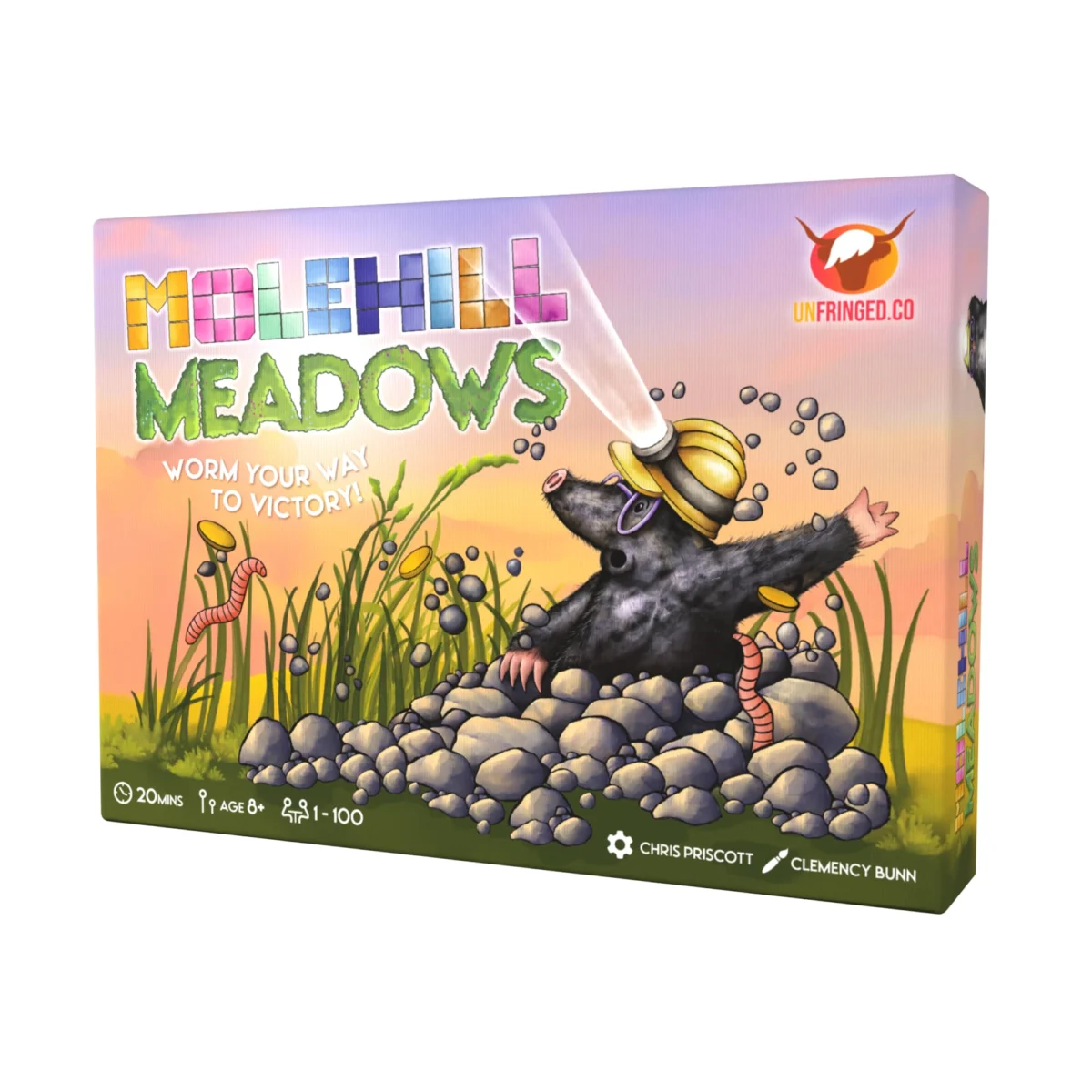
- Broad Appeal: Its accessibility and scalability position it as a potential "gateway game" for newcomers to modern board gaming, while its subtle strategic depth keeps seasoned players coming back. The comparison to Molehill Meadows, another "simple, pretty and relaxed game," underscores its position within a growing segment of calming, elegant abstract games.
Critical Acclaim and Player Reception
The review’s unequivocal declaration of Tedoku as "really good" and a "Must Play" is a powerful endorsement. This strong critical reception is likely to be mirrored by players who seek a game that delivers maximum enjoyment with minimal fuss. The reviewer’s assertion that "there’s so little to it, but what’s here is all gold" perfectly encapsulates the game’s design philosophy: stripping away extraneous elements to reveal a core of pure, unadulterated fun.
This kind of effusive praise often translates into significant community buzz. Tedoku‘s unique blend of accessibility, strategic depth, and aesthetic appeal positions it well for widespread adoption. It’s the kind of game that people will enthusiastically recommend to friends, confident that its simple rules won’t deter anyone, and its engaging gameplay will captivate everyone. Its small form factor further aids its spread, making it an easy impulse purchase or a thoughtful gift.
Implications: Tedoku’s Place in the Gaming Ecosystem
Tedoku‘s emergence carries several significant implications for the board gaming landscape and its wider audience.

Redefining Simplicity: In an industry often chasing grandeur and complexity, Tedoku serves as a powerful reminder that simplicity is not a weakness, but a profound strength. It demonstrates that a game can be deeply satisfying and endlessly replayable with only a handful of rules and components. This could inspire other designers to explore the untapped potential of minimalist design, focusing on core mechanics and elegant execution.
A Gateway Game for All: Its unparalleled accessibility makes Tedoku an ideal "gateway game." It can effortlessly introduce non-gamers or those intimidated by complex rulebooks to the joy of modern board games. Its quick playtime and simultaneous turns eliminate downtime and frustration, fostering positive initial experiences that could lead to further exploration of the hobby. For experienced gamers, it provides a much-needed palate cleanser between heavier sessions.
The Power of Aesthetic Harmony: The seamless integration of its abstract puzzle mechanics with its minimalist, Japanese-inspired aesthetic creates a cohesive and appealing package. This reinforces the idea that visual design, even when subtle, can significantly enhance the player experience and contribute to a game’s overall "feel." Its small box size also highlights a growing trend towards more portable and shelf-friendly games.
A Model for Scalability: Tedoku‘s ability to comfortably accommodate anywhere from 1 to 99 players without compromising the core experience is a remarkable achievement. This multi-player flexibility makes it an incredibly versatile addition to any game collection, suitable for intimate gatherings, family game nights, or large social events. Its design could serve as a blueprint for other games aiming for broad player count compatibility.
Enduring Replayability and Long-Term Value: Despite its brevity, Tedoku‘s combination of dual randomness, strategic depth in risk management, and quick reset times ensures exceptional replayability. Players can experiment with different approaches and enjoy the fresh challenges each game presents. This high replay value translates into excellent long-term value for consumers.
In summary, Tedoku is far more than just another roll-and-write; it is a meticulously crafted experience that distills the essence of engaging gameplay into its purest form. It is quick, tactical, relaxing, aesthetically pleasing, and remarkably accommodating to any player count. Whether used as a brief "travel distraction" due to its "small form factor and easy to pick up rules," or as a cherished component of a meditative evening, Tedoku is poised to become a beloved classic, proving that sometimes, less truly is more.

Review by Dan York
PLAY IT?
Absolutely. Tedoku embodies the rare quality of being profoundly simple yet endlessly compelling. "There’s so little to it, but what’s here is all gold." It’s an essential addition to any gaming collection, offering consistent joy and strategic depth in a beautifully understated package.
What’s in the box?
The elegant simplicity of Tedoku is reflected in its components, designed for immediate accessibility and seamless play:
- A substantial pad of double-sided player sheets featuring the 9×9 grid.
- Several pencils or dry-erase markers (depending on the edition) for marking shapes.
- A custom six-sided die, with faces depicting the five unique tetromino shapes (and possibly a wild or blank face, though the review implies five distinct shapes).
- A deck of 27 uniquely designed cards, used to indicate target rows, columns, or 3×3 boxes.
- A rulebook, typically concise and clear, fitting the game’s overall minimalist approach.
Try This if you Liked…
Tedoku will resonate strongly with fans of games that blend spatial puzzling with relaxed, accessible mechanics. If you enjoyed:
- Molehill Meadows: This game offers a similar experience of simple, pretty, and relaxed roll-and-write gameplay. Like Tedoku, it prioritizes a calming atmosphere and straightforward rules, making it an excellent comparison for those seeking a tranquil yet engaging puzzle.
- Other accessible roll-and-write games: Fans of titles like Qwixx for its quick decision-making, or Welcome To… for its simultaneous play and grid-filling satisfaction, will find much to love in Tedoku‘s elegant design.
- Abstract puzzle games: Anyone who appreciates the pure logical challenge and meditative qualities of games like Sudoku or Tetris will find Tedoku‘s core loop deeply satisfying.
Buy your copy of Tedoku online at Zatu – Dive into the delightful simplicity and rich strategy of this exceptional roll/flip-and-write game today.




Leave a Comment