
Echoes from the Abyss: The Moment the Titanic’s Silent Tomb Was Revealed
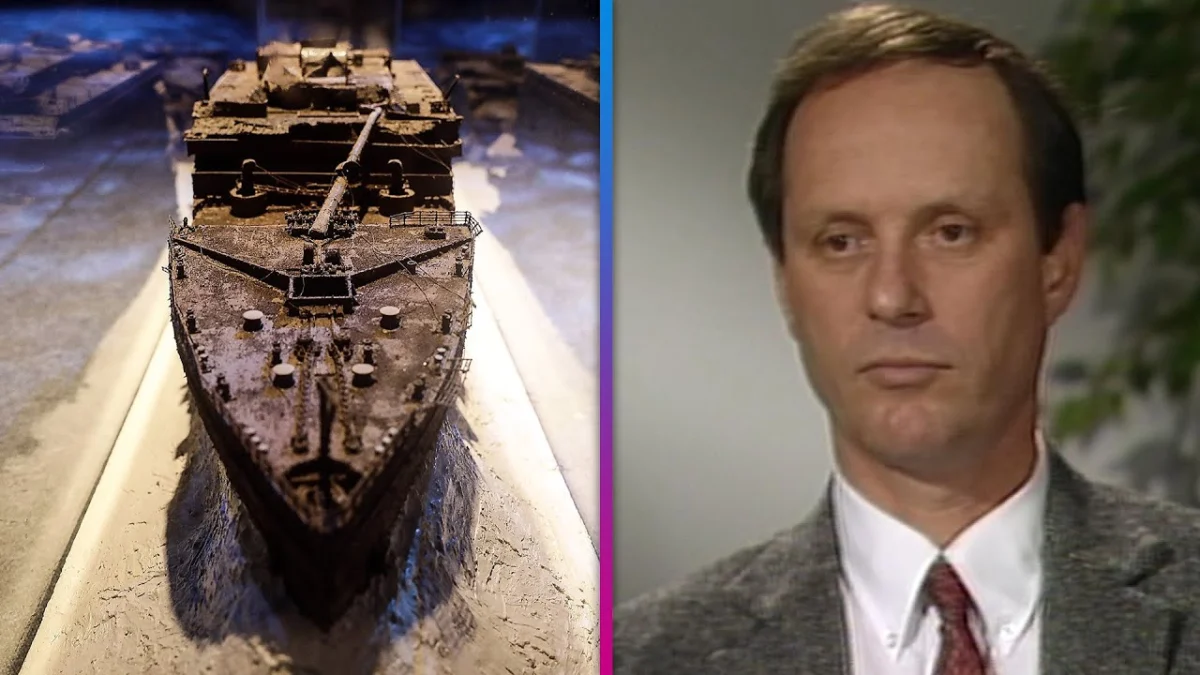
May 13th, 2026 – For over seven decades, the resting place of the RMS Titanic remained an enduring mystery, a ghost ship lost to the unfathomable depths of the North Atlantic. The maritime disaster of April 15th, 1912, etched itself into global consciousness, fueled by dramatic survivor accounts, captivating literature, and later, blockbuster cinema. Yet, the physical remnants of this icon of hubris and tragedy lay undiscovered, a silent testament to its catastrophic maiden voyage. It wasn’t until September 1st, 1985, that humanity finally laid eyes on the Titanic’s watery grave, a moment captured in a now-iconic video that continues to resonate with its raw, unadulterated discovery.
This pivotal event, the culmination of years of dedicated research and technological innovation, marked a turning point in our understanding and fascination with the Titanic. No longer a mere legend, its wreckage became a tangible, albeit somber, historical artifact. The discovery didn’t just satisfy a historical curiosity; it ignited a new wave of scientific inquiry, preservation efforts, and a deeper contemplation of the human stories intertwined with the ship’s fate.
The Genesis of a Search: A Mission Driven by More Than Just Titanic
The groundbreaking expedition that located the Titanic was spearheaded by Dr. Robert Ballard, a renowned oceanographer and inventor. Ballard’s fascination with the Titanic was long-standing, a personal mission he had harbored since the early 1970s. However, the immediate impetus for the 1985 expedition, and its crucial funding, came from an unlikely source: the United States Navy.
The Navy’s primary objective was not the recovery of the Titanic but the search for two lost nuclear submarines, the USS Scorpion and the USS Thresher, which had tragically sunk in the 1960s. The Navy recognized Ballard’s expertise in deep-sea exploration and his groundbreaking work on the unmanned submersible, Argo, which was instrumental in the search. The deal was struck: if Ballard could assist in locating the submarines, he would be granted access to the research vessel R/V Knorr and its resources, allowing him to pursue his own long-held ambition of finding the Titanic. This strategic partnership, born out of national security concerns, inadvertently paved the way for one of history’s most significant archaeological discoveries.
A Technological Marvel: The Argo and the Quest for the Unseen
The technology employed in the search for the Titanic was at the forefront of deep-sea exploration in the mid-1980s. The unmanned submersible Argo, a remotely operated vehicle (ROV), was the eyes and ears of the expedition. Equipped with powerful lights and cameras, Argo was designed to traverse the ocean floor, relaying images back to the research vessel above. This technological innovation was crucial, as direct human observation at such extreme depths was impossible.
The challenge of locating the Titanic was immense. The ship had sunk in the notoriously vast and deep North Atlantic. The precise location of the wreck was unknown, and the vastness of the ocean floor presented an almost insurmountable search area. Ballard and his team relied on their understanding of ocean currents and the likely debris field to narrow down their search parameters. They knew that the Titanic, much like the submarines they were initially tasked to find, would have been subjected to immense pressure, likely shattering upon impact with the seabed. Therefore, they were not searching for a pristine hull, but for scattered fragments that would indicate the ship’s final resting place.
The Moment of Revelation: "Somebody Should Get Bob!"
The video footage from the discovery is a masterclass in understated drama. On the low-resolution, black-and-white monitors aboard the R/V Knorr, the images flickered, revealing the alien landscape of the ocean floor. For hours, the team meticulously scanned the seabed, their hopes buoyed by the relentless work of Argo. Then, it happened.
A collective gasp, a murmur of disbelief, and then the unmistakable realization. On the screen, objects that were clearly man-made began to appear. The initial reaction was one of profound awe and a touch of urgency. "Somebody should get Bob," a voice exclaimed, referring to Robert Ballard. The significance of the find was immediately apparent to those who had dedicated so much to this pursuit. The debris, scattered across the ocean floor, was the first tangible evidence that they were on the verge of uncovering a lost piece of history.
The subsequent unfolding of events, as depicted in the video, is breathtaking. The team followed a trail of debris, a breadcrumb path leading them deeper into the abyss. The tension mounted with each passing minute. Then, a distinct object came into view: a massive, recognizable boiler, a definitive piece of the Titanic. This was the irrefutable proof they had been searching for. The cheers that erupted aboard the Knorr were not just expressions of triumph; they were a release of years of anticipation, a poignant acknowledgment of the profound historical significance of their discovery.
Beyond the Titanic: Ballard’s Enduring Legacy
While the discovery of the Titanic cemented Robert Ballard’s place in history, it was by no means his only significant achievement. Following the Titanic expedition, Ballard continued to lead numerous groundbreaking deep-sea explorations. He went on to discover other famous shipwrecks, including the German battleship Bismarck and the aircraft carrier USS Yorktown, further solidifying his reputation as a pioneer in underwater archaeology.
However, the emotional resonance of finding the Titanic remains unparalleled. It was a mission deeply personal to Ballard, a testament to his unwavering dedication and his ability to harness cutting-edge technology for the pursuit of historical truth. The discovery of the Titanic was not merely about finding a sunken ship; it was about connecting with a pivotal moment in human history, understanding the forces that shaped it, and honoring the lives lost.
Implications and Enduring Fascination
The discovery of the Titanic wreck had far-reaching implications:
- Scientific Understanding: The wreckage provided invaluable data for oceanographers and marine biologists. Studying the effects of the deep-sea environment on the ship’s structure offered insights into corrosion, marine life colonization, and the long-term degradation of man-made materials in extreme conditions.
- Historical Preservation: The discovery sparked intense debate about the preservation of the wreck. While some advocated for leaving it undisturbed as a memorial, others pushed for the recovery of artifacts. This ongoing discussion highlights the ethical complexities of deep-sea archaeology and the balance between scientific inquiry and respect for historical sites.
- Cultural Impact: The tangible presence of the Titanic’s remains amplified its cultural significance. It fueled further research, documentaries, exhibitions, and artistic interpretations, ensuring that the story of the Titanic continued to captivate new generations. The discovery transformed the Titanic from a legend into a somber, accessible historical site, albeit one protected by the ocean’s immense power.
- Technological Advancement: The success of the Argo submersible demonstrated the potential of advanced underwater robotics. This paved the way for further developments in ROV technology, crucial for a wide range of applications, from scientific research and resource exploration to underwater construction and disaster response.
The moment the Titanic’s wreck was first discovered is a profound reminder of human perseverance, technological ingenuity, and the enduring allure of the unknown. It’s a testament to the fact that even in the face of overwhelming tragedy, the pursuit of knowledge and the desire to uncover the truth can lead to extraordinary revelations, echoing across the decades from the silent depths of the ocean. The images captured on that fateful day in 1985 continue to serve as a powerful connection to the past, inviting us to reflect on the stories that lie beneath the waves.




Leave a Comment